
Storm Shelters in Michigan
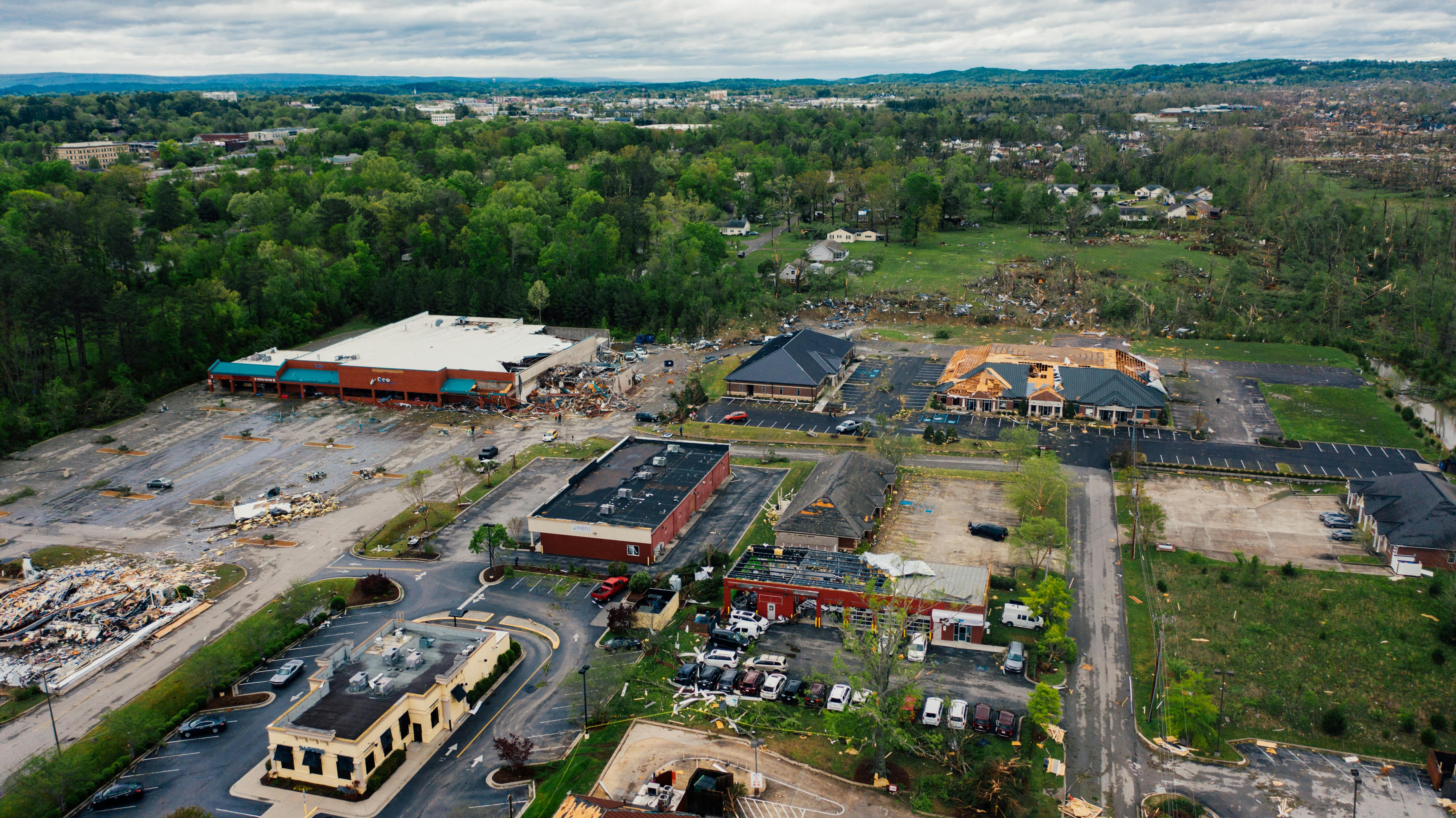
Compare Storm Shelter Options in Michigan
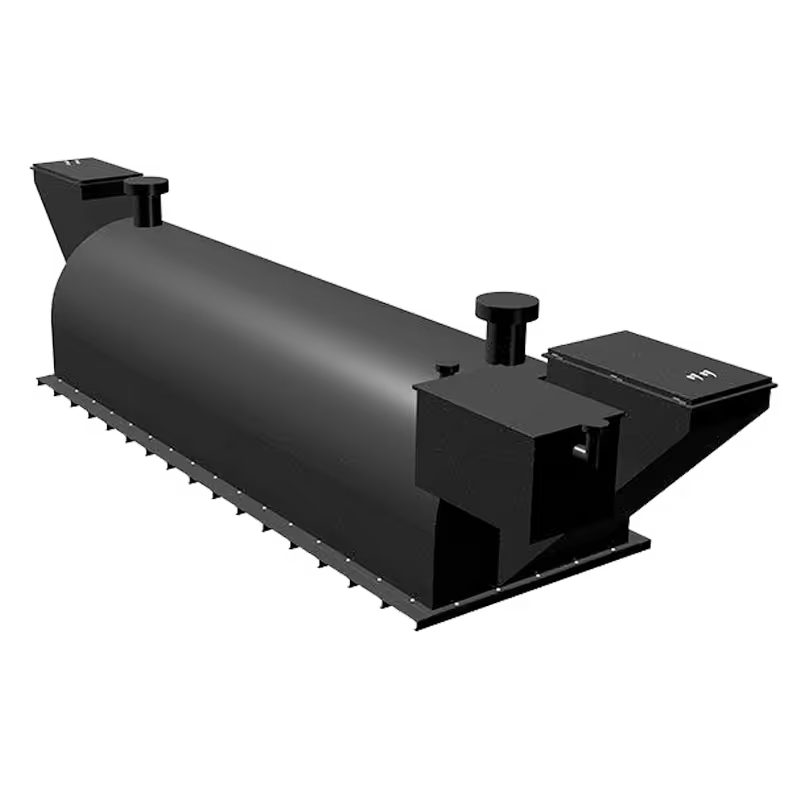
Commercial Storm Shelters
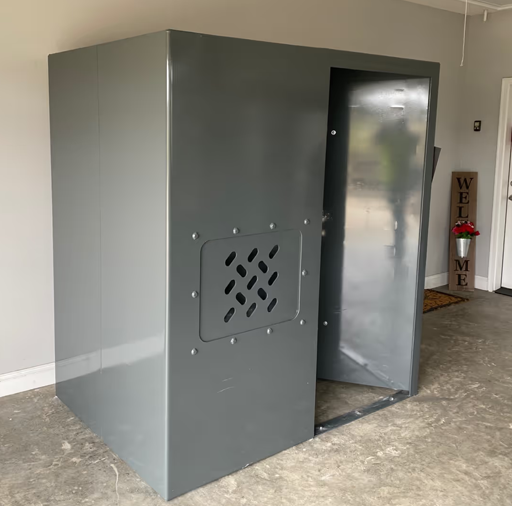
Safe Rooms
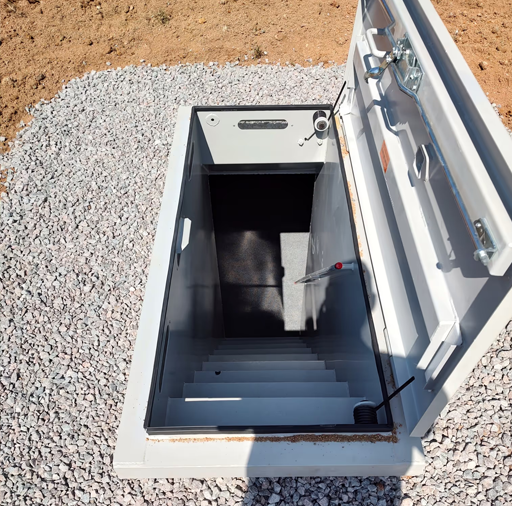
Underground Storm Shelters
Why Michigan Homes and Facilities Plan for Tornado Protection
Severe thunderstorms and tornado-producing storm systems affect communities across Michigan, and long-term tornado records include damaging events in multiple parts of the state. The practical question is not whether every property faces the same risk. It is whether the people inside the property have a clearly identified place they can reach quickly when a warning is issued.
Michigan shelter planning also differs from Southern markets. Many homes have basements, but a basement is not automatically an engineered tornado safe room. Other homes rely on slabs, crawlspaces, attached garages, or layouts without a suitable below-grade area. In rural and lake-influenced areas, longer travel distances, seasonal access, groundwater, drainage, and equipment access can shape the decision. Businesses, schools, churches, healthcare facilities, manufacturers, agricultural operations, and municipal buildings must also consider occupancy and emergency movement.
A dedicated shelter creates one planned destination for the people who live, work, study, worship, or visit on the property. The best choice is the option that fits the building, site, occupants, and installation requirements—not simply the shelter type that is most familiar.

Storm Shelter Delivery and Installation Planning in Michigan
Every Michigan project begins with the shelter type, property address, intended placement, number of occupants, and access conditions. Steadfast uses that information to help confirm product availability and coordinate the delivery and installation pathway available for the selected shelter and location.
For a safe room, the review may include the garage or interior location, existing concrete slab, door clearance, access route, anchoring requirements, and daily usability. For an underground shelter, planning may include excavation access, utilities, soil and groundwater conditions, drainage, grading, frost or freeze-thaw considerations, and whether the shelter will be placed in a yard or approved garage location.
Commercial projects require additional coordination around occupant capacity, accessibility, facility layout, emergency procedures, engineering or documentation requirements, delivery access, and local review. Permit and code requirements can vary by jurisdiction and project type, so they must be confirmed for the actual site rather than assumed statewide.
01
02
03
04
See How Different Storm Shelter Options Fit a Property
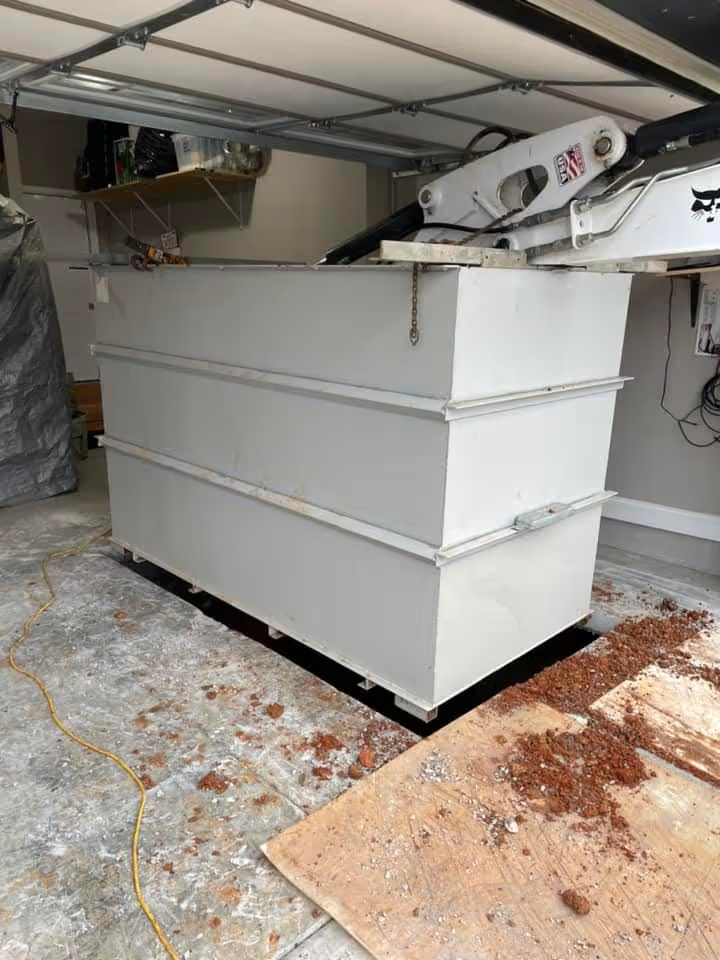
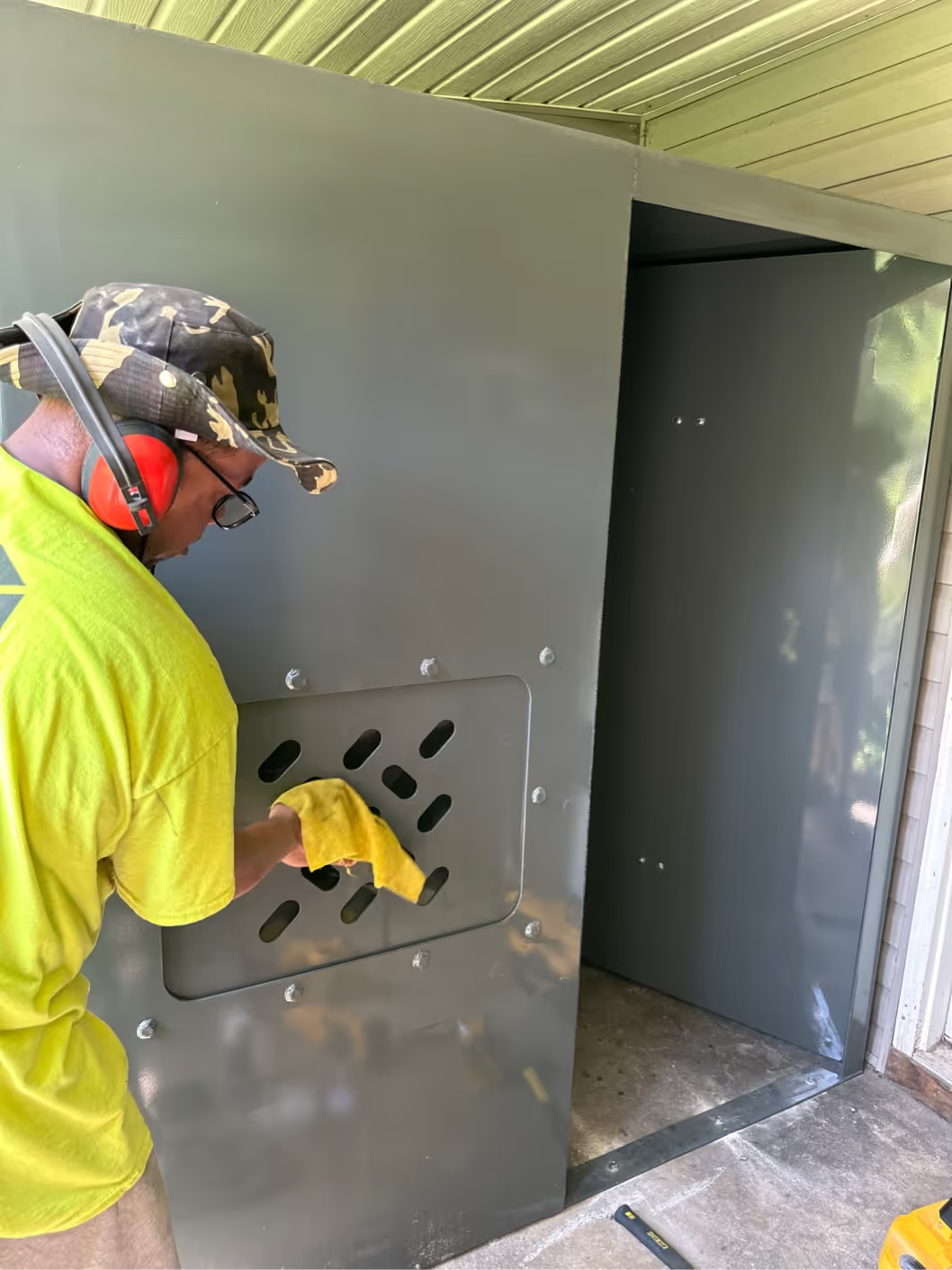
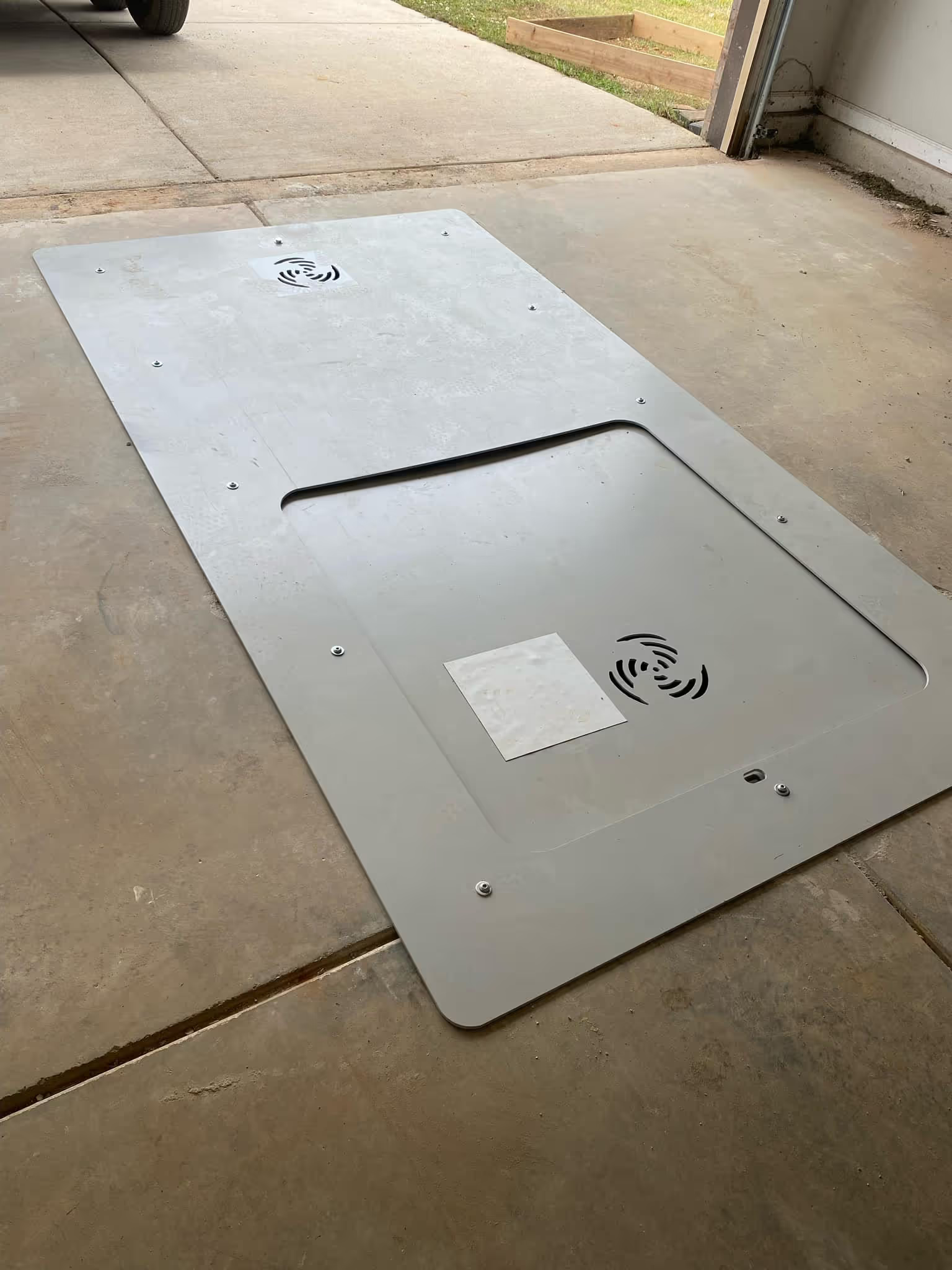
Use the gallery to show the placement differences that matter during selection. The goal is to help visitors understand the space, access, and installation context of each approved Michigan shelter type—not to create the impression that every product fits every property.
- Steel safe room installed inside a residential garage — show clear door access and realistic use of garage space.
- Underground steel shelter placed in a yard or approved garage setting — show the entry, surrounding grade, and practical access.
- Commercial steel storm shelter planning for a school, church, business, or community facility — show scale and entrance access without making unsupported project claims.
Need Help Choosing the Right Shelter for Your Michigan Property?
Tell us where the property is located, how many people the shelter needs to serve, and whether you are considering a safe room, an underground shelter, or a commercial solution. We will help you compare the available options and confirm the delivery and installation pathway for your project.
A Clearer Way to Plan a Storm Shelter Project
Choosing a storm shelter is a property and access decision as much as a product decision. Steadfast helps Michigan customers compare the available shelter types, identify the questions that need to be answered before placement, and move from product selection to delivery and installation coordination without pretending every site or product works the same way.
- Product guidance limited to shelter options currently available in Michigan
- Residential and commercial pathways for different occupancy and property needs
- Placement planning that considers access, slab or ground conditions, drainage, and utilities
- Straightforward quote process built around the actual property and project
- Delivery and installation coordination through the pathway available for the selected product and location
- Access to tornado preparedness, tracking, history, and public-shelter tools
Storm Shelter Planning Across Michigan
Michigan properties and installation conditions change substantially from one part of the state to another. Steadfast organizes coverage around five planning regions so homeowners and facility decision-makers can find guidance that matches local housing, lot size, access, drainage, winter conditions, and commercial use.
Regional pages are currently deferred, and the Phase 1 city pages have not yet been published. Display the regions and anchor cities as plain text during the initial state-page build. Convert each item to a link only after its destination page is live and has passed QA.
Michigan Tornado Tools and Preparedness Resources

Plan Your Michigan
Storm Shelter Project
Choose a product path based on access, placement, occupancy, and site conditions. Safe rooms can make sense when quick garage or interior access is the priority. Underground shelters may fit properties where excavation, drainage, utilities, groundwater, grading, and equipment access can be addressed. Commercial projects require a separate capacity and facility-planning process.
The Michigan support pages for tornado safety, tornado history, storm shelter cost, and top tornado counties will expand the statewide resource system after publication. Until those pages are live, keep their names visible but unlinked.
Finding Public Tornado Shelters in Michigan
Public and community tornado shelter availability varies by county, municipality, facility, event, and time of day. A listed location may have limited hours, restricted access, capacity limits, or activation rules, so never assume a shelter will be open simply because it appears on a map.
Review known locations before severe weather, then verify current details with the responsible facility or local emergency management agency. During an active warning, follow official instructions and do not plan a long drive to a public shelter unless local authorities have confirmed that it is open and safely reachable.
A public shelter is a community resource. A private safe room or storm shelter is a dedicated location on the property. They solve different access and planning problems.
Michigan Tornado History Supports Long-Term Preparedness
Michigan's tornado record includes events across different regions and decades, which is why statewide preparedness should be based on long-term history rather than one recent season. Historical data can help residents and organizations understand that risk varies by place and year without turning a single past event into a prediction for a specific property.
Use the Tornado History Tool to explore location-based tornado and warning information now. The dedicated Michigan Tornado History page will provide a fuller statewide summary after it is published; keep that future page name unlinked during the first build.
Frequently Asked Questions About Storm Shelters in Michigan
Compare Storm Shelter Options for Your Michigan Property