
Storm Shelters in
Detroit Metro
Across the region, older homes, attached garages, established neighborhoods, dense suburban development, and high-occupancy facilities create different planning needs. We help identify an option that fits the available space, access route, slab or site conditions, and the people who need to reach it quickly.

Compare Storm Shelter Options in Detroit Metro
Detroit Metro buyers often begin with access and available space. A safe room may be the strongest first comparison for an attached garage or a property with limited excavation access, while underground placement may work where the lot, utilities, drainage, and equipment route support it.
Commercial projects require a separate review because occupancy, facility circulation, emergency procedures, product documentation, and installation logistics can change the project scope.
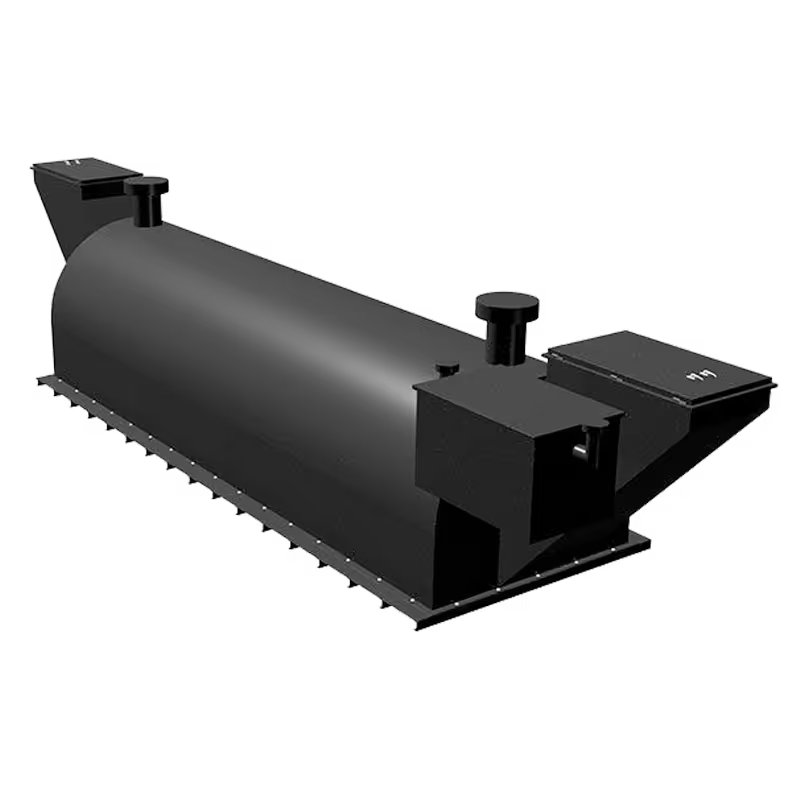
Commercial
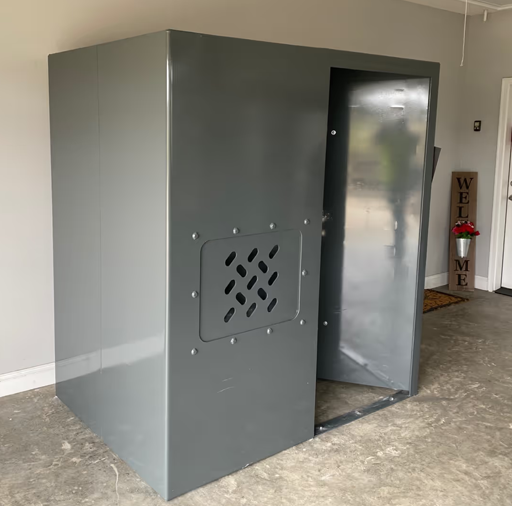
Safe Rooms
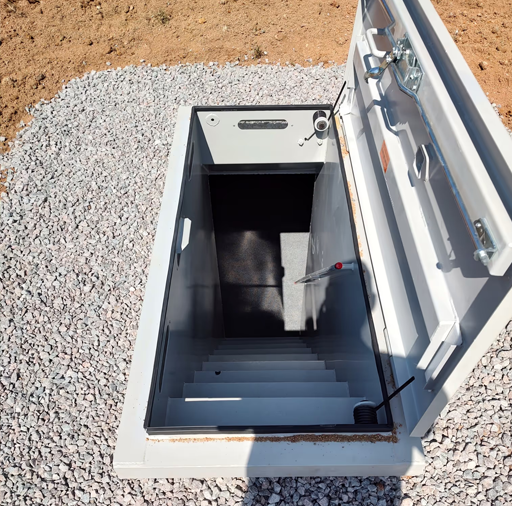
Underground Storm Shelters
Detroit Metro Properties Require Space-Conscious Shelter Planning
Detroit Metro includes dense city neighborhoods, mature inner-ring suburbs, newer suburban development, and commercial and institutional corridors. Properties range from older homes with basements and attached garages to larger suburban lots, offices, schools, churches, healthcare facilities, and manufacturing sites.
That variety matters because a shelter that fits a roomy outer-suburban property may not fit a tighter established lot. Garage door clearance, existing slab condition, interior access, utility conflicts, driveway width, and the route for delivery or excavation equipment can shape the decision before product size is discussed.
The regional page should organize customers by market without replacing city pages. Detroit, Dearborn, Livonia, Novi, Troy, Sterling Heights, Rochester Hills, Warren, Ann Arbor, and Howell retain their own city-level intent and will become linked only as their parent pages go live.
Why Dedicated Storm Protection Matters Across Detroit Metro
Severe thunderstorms and tornado-producing storms can develop while families are at home, employees are working, or students and visitors are inside large facilities. A dedicated shelter on the property removes the need to begin a trip across a neighborhood or commercial corridor after a warning has already been issued.
Many Michigan homes include basements, but a basement is not automatically an engineered storm shelter. Layout, structural design, access, windows, walkout exposure, and the time needed to reach the lowest level all affect how the space functions during an emergency.
Fast access is especially important for households with young children, pets, older adults, or mobility limitations. In offices, schools, churches, healthcare settings, and industrial facilities, the same issue becomes an occupancy and movement-planning question rather than a simple product purchase.
- A defined shelter location gives occupants one practiced destination.
- Garage or interior safe-room access can reduce outdoor travel during a warning.
- Metro lot density can make early placement and access review more important.
- Commercial facilities need a plan for how many people move, from where, and by which route.
Cities We Serve in Detroit Metro
These ten approved parent-city markets define the Detroit Metro region in the Michigan architecture. Display every city as plain text until its parent page is published and verified; then convert only that city name into its approved link.
Installation Planning for Detroit Metro Homes and Facilities
Shelter placement is confirmed only after the proposed address and access route have been reviewed. The following conditions should guide the initial conversation and quote intake.
- Garage and retrofit fit — Attached garages can make safe-room access practical, but the existing slab, available footprint, vehicle clearance, door swing, storage, and path from the living area must be reviewed together.
- Tight-lot access — Established neighborhoods may leave limited room for excavation equipment, delivery staging, or outdoor placement. Fences, driveways, neighboring structures, and overhead or underground utilities can affect feasibility.
- Basement configuration — A lower level may be part of a household emergency plan, but it should not be marketed as an engineered shelter. Stairs, walkout walls, windows, mobility needs, and travel time should be considered when comparing a purpose-built safe room.
- Drainage and utility conflicts — Underground placement requires a site-specific review of grading, water movement, seasonal conditions, utility locations, and the route available to equipment.
- Commercial movement — Schools, churches, offices, manufacturers, municipal buildings, and healthcare facilities need occupancy, access, circulation, product documentation, delivery, and installation planning that matches the facility.
Compare Storm Shelter Options for Your Detroit Metro Property
Tell us whether the proposed location is an attached garage, interior area, yard, school, church, office, industrial site, or other facility. We will help you compare the available products and identify the property details needed to confirm delivery and installation coordination.

Why Detroit Metro Customers Choose Steadfast
Steadfast keeps the conversation focused on fit. Metro customers receive guidance based on access, slab or site conditions, household or facility needs, and the products currently available in Michigan.
The quote process is designed to surface installation questions early. Delivery and installation arrangements vary by product and location and may be coordinated through an approved manufacturer or installation partner.
- Three approved Michigan product paths without placeholder offerings
- Residential and commercial guidance based on the actual property
- Clear review of access, placement, delivery, and installation variables
- Direct quote, phone, and financing paths
- Michigan-wide coordination without unsupported local-office or local-crew claims
Storm Planning Resources for Detroit Metro
Use these tools to check current conditions, review recent tornado activity, and identify public shelter information. A public shelter listing should be confirmed before an emergency; it is not a substitute for a household or facility plan.
- Open Storm Mode — Current severe-weather planning tools and quick-access resources.
- View the 24-Hour Tornado Tracker — Recent tornado and warning activity presented in one place.
- Check the Public Tornado Shelter Locator — Public shelter information that should be verified before severe weather.
Frequently Asked Questions About Storm Shelters in Detroit Metro
Localized answer angle: Approved product set and operating model
Localized answer angle: Assigned regional city network
Localized answer angle: Dense suburbs, attached garages, retrofit conditions
Localized answer angle: Tight lots and excavation access
Localized answer angle: Metro utility and access constraints
Localized answer angle: Institutional and industrial density
Localized answer angle: Project-specific pricing
Localized answer angle: Financing qualification
Get a Detroit Metro Storm Shelter Quote
Share your address, property type, preferred placement, and the number of people the shelter may need to serve. Steadfast will help you compare safe rooms, underground storm shelters, and commercial shelter solutions while identifying the access and installation questions that matter for your Detroit Metro project.