
Storm Shelters in
Northern Michigan
Rural distances, wooded acreage, lake-area properties, long driveways, snow access, freeze-thaw conditions, seasonal occupancy, groundwater, and equipment movement can all affect shelter fit. Planning should begin with year-round access and the actual route to the proposed installation area.

Compare Storm Shelter Options in Northern Michigan
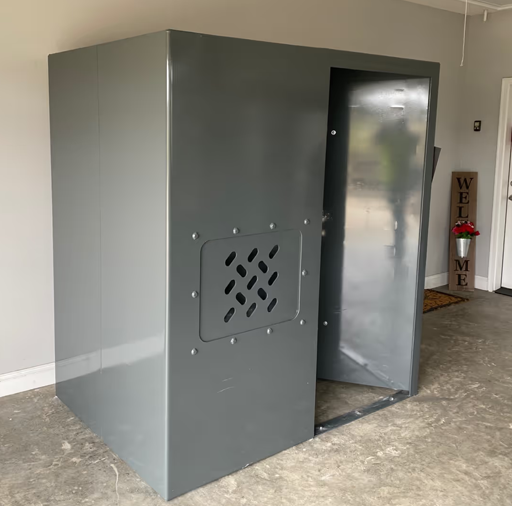
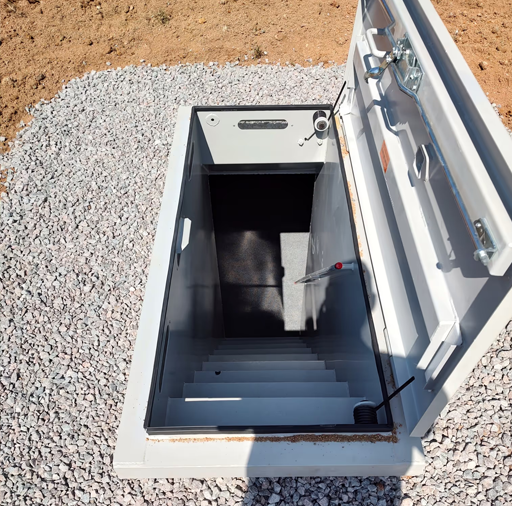
Northern Michigan customers often compare product access as carefully as the shelter itself. A safe room in an approved garage or interior location can preserve fast, snow-free access, while an underground shelter may fit a larger rural property only after excavation, groundwater, drainage, utilities, and equipment access are confirmed.
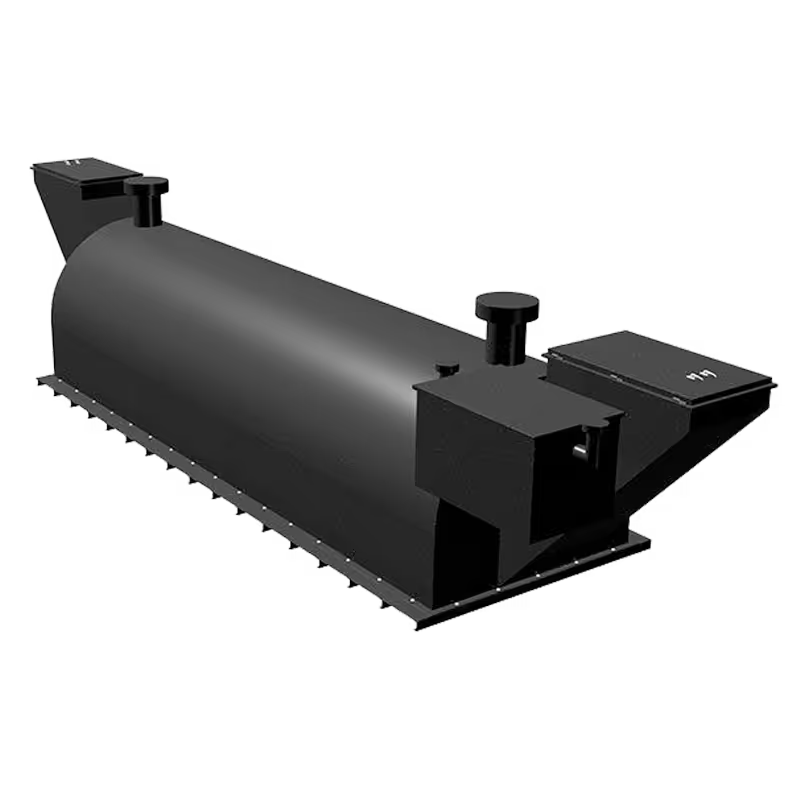
Commercial shelters for schools, churches, campgrounds, municipal properties, tourism-related facilities, offices, and community buildings require planning around seasonal use, occupancy, circulation, delivery, and installation logistics.
Commercial
Safe Rooms
Underground Storm Shelters
Northern Michigan Shelter Planning Starts With Distance and Year-Round Access
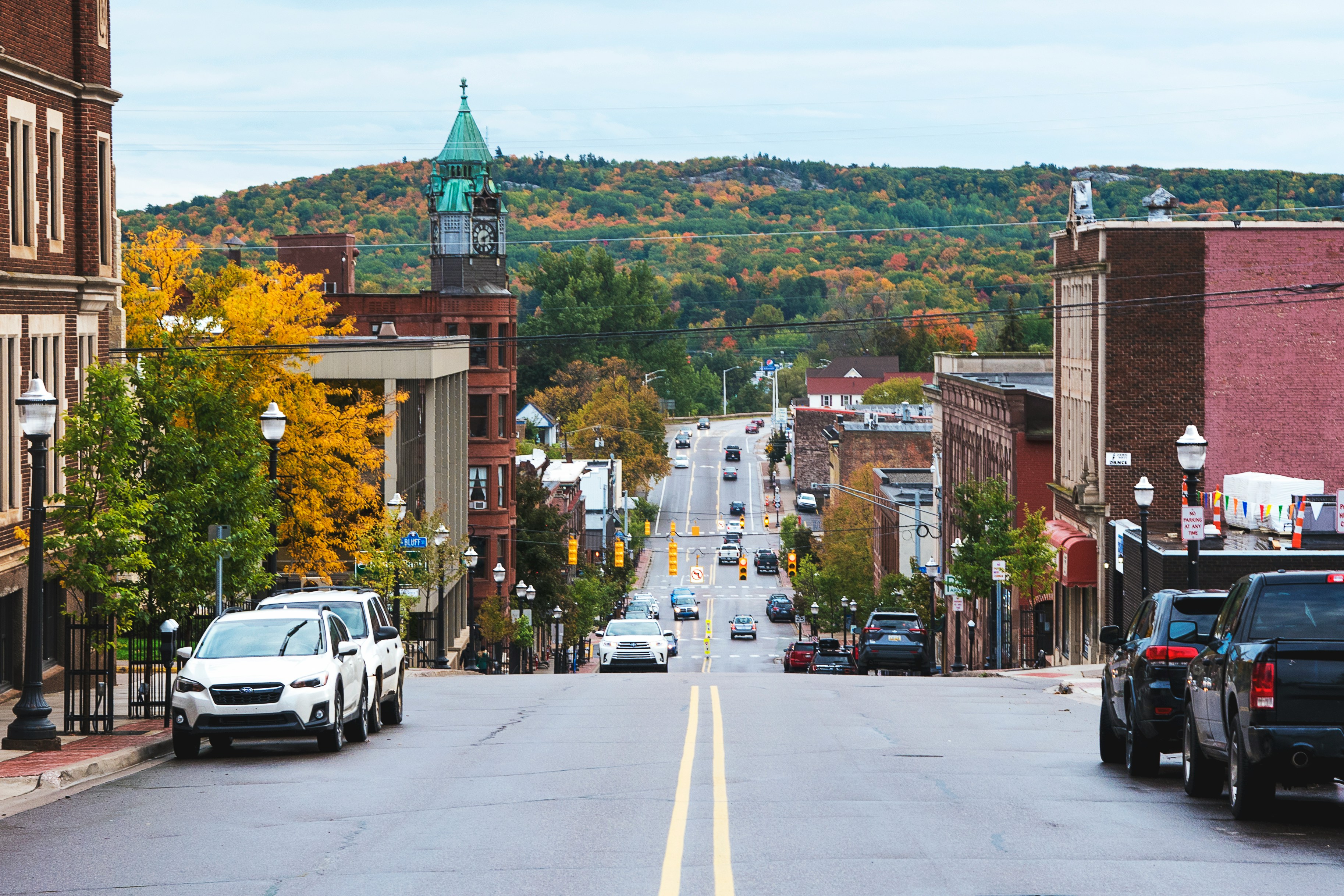
Northern Michigan includes small communities, rural homes, wooded acreage, lake-area properties, seasonal residences, commercial centers, campgrounds, schools, churches, and community facilities spread across longer service distances. Public resources may be farther apart than they are in the southern metros.
A larger property can create placement flexibility, but it can also introduce long driveways, narrow gates, soft ground, trees, slopes, utilities, winter access, and a difficult equipment route. Lake-area and low-lying properties may add drainage or groundwater questions that must be reviewed before underground placement is recommended.
Newaygo, Big Rapids, Cadillac, Houghton Lake, Grayling, Traverse City, Gaylord, Petoskey, West Branch, and Alpena form the approved Northern Michigan city network. The regional page provides navigation while each future city parent page owns its local query set.
Why Northern Michigan Needs an On-Property Shelter Plan
When severe thunderstorms or tornado-producing storms develop, long travel distances can make a public shelter impractical after a warning is issued. A dedicated location at a home, seasonal property, campground, school, church, business, or community facility gives occupants a plan that does not begin with a drive.
Homes with basements still require a realistic review of access, structural design, windows, walkout exposure, stairs, and mobility. A basement is not automatically an engineered storm shelter, and seasonal visitors may not know the safest route unless the plan is clearly communicated.
Winter and shoulder-season conditions also matter even though shelter use is tied to severe weather. Snow storage, plowing, freeze-thaw movement, muddy access, and seasonal opening dates can affect whether a chosen location remains reachable and serviceable throughout the year.
- On-property protection avoids depending on a distant public destination after a warning.
- Indoor or garage safe rooms can preserve a short route during snow, rain, or darkness.
- Seasonal properties need a simple shelter plan that guests and visitors can understand.
- Community and tourism-related facilities must consider changing occupancy and circulation.
Cities We Serve in
Northern Michigan
These ten approved parent-city markets define the Northern Michigan regional network. Show every city as plain text until its parent page is live; then convert only that approved city name to the tracker URL after link verification.
Northern Michigan Climate, Access, and Installation Considerations
Shelter placement is confirmed only after the proposed address and access route have been reviewed. The following conditions should guide the initial conversation and quote intake.
- Snow and year-round access — Keep the shelter route clear of plowed snow piles, roof discharge, drifting, stored equipment, and seasonal obstacles. Exterior doors and access points need workable clearance.
- Freeze-thaw conditions — Surface movement, drainage, grading, and installation timing should be considered when evaluating an outdoor or garage-floor location.
- Wooded and rural equipment routes — Long drives, gates, trees, slopes, soft shoulders, overhead lines, bridges, and turnaround space may determine whether delivery or excavation equipment can reach the site.
- Lake-area and seasonal water — Underground placement requires review of groundwater, drainage, grading, seasonal saturation, utilities, and the relationship between the proposed shelter and nearby structures or water features.
- Seasonal and commercial occupancy — Campgrounds, schools, churches, municipal buildings, community facilities, and tourism-related properties should plan for changing headcounts, visitor familiarity, access routes, documentation, and operating seasons.
Plan a Shelter for Your Northern Michigan Property
Share the address, driveway and equipment access, proposed placement, seasonal-use pattern, and the people who need to reach the shelter. We will help compare safe-room access, underground feasibility, and commercial planning requirements before delivery or installation is confirmed.

Why Northern Michigan Customers Work With Steadfast
Steadfast keeps the product comparison tied to the real property. Rural acreage, a lake setting, a detached garage, or a seasonal schedule may create opportunities, but each can also add access, drainage, snow, or coordination constraints.
Product availability, delivery, and installation arrangements vary by location and may be coordinated through an approved manufacturer or installation partner. The quote process confirms the pathway before a schedule or placement is promised.
- Climate-aware planning for snow, freeze-thaw, and seasonal access
- Safe room, underground, and commercial comparisons
- Practical review of rural driveways and equipment routes
- Commercial guidance for schools, churches, campgrounds, and community facilities
- Clear quote, phone, and financing options
Northern Michigan Storm and Shelter-Planning Resources
Use these resources before severe weather to review current conditions, local tornado history, and public shelter information. Confirm any public shelter destination in advance because distance, seasonal operations, and local availability may affect access.
- Open Storm Mode — Severe-weather planning tools in one quick-access location.
- Search Tornado History by Location — Location-based tornado history and warning information.
- Check the Public Tornado Shelter Locator — Public shelter details to verify before an emergency.
Frequently Asked Questions About Storm Shelters in Northern Michigan
Use the complete crawlable questions and answers below. Part 6 repeats the same content as a developer extraction block for schema matching.
Localized answer angle: Approved product set
Localized answer angle: Assigned city network and distance
Localized answer angle: Snow-free indoor access
Localized answer angle: Rural and lake-area constraints
Localized answer angle: Seasonal and community occupancy
Localized answer angle: Distance and access pricing
Localized answer angle: Financing qualification
Get a Northern Michigan Storm Shelter Quote
Tell us about the home, seasonal property, campground, school, church, business, or community facility, including driveway access and the proposed shelter location. We will help you compare safe rooms, underground storm shelters, and commercial solutions while identifying the snow, drainage, distance, and equipment-access questions that affect the project.