
Storm Shelters in Tennessee

Compare Storm Shelter Options in Tennessee
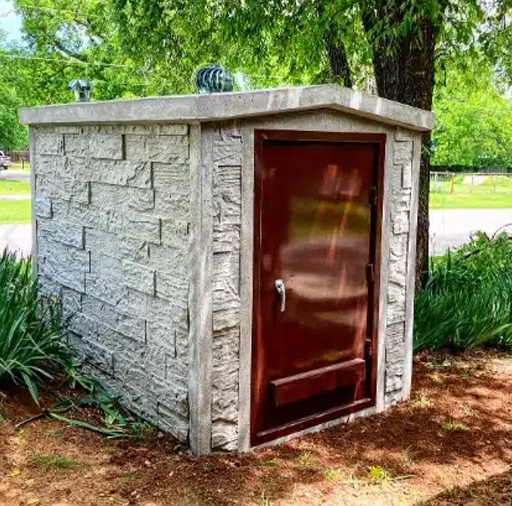
Above-Ground Concrete
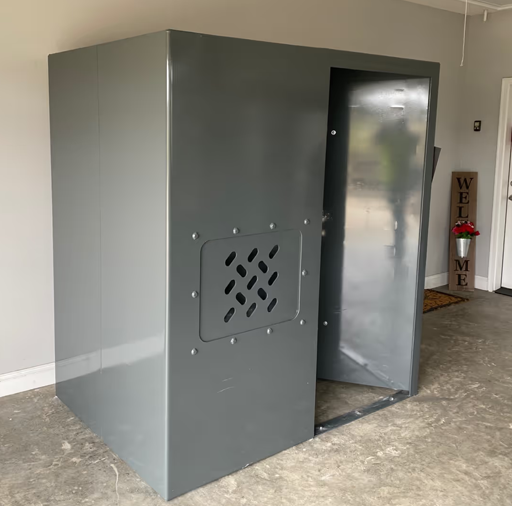
Safe Rooms
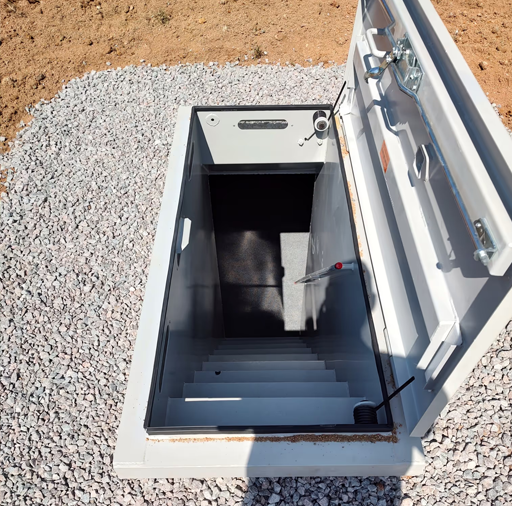
Underground Storm Shelters
Why Tennessee Homeowners and Businesses Invest in Storm Shelters
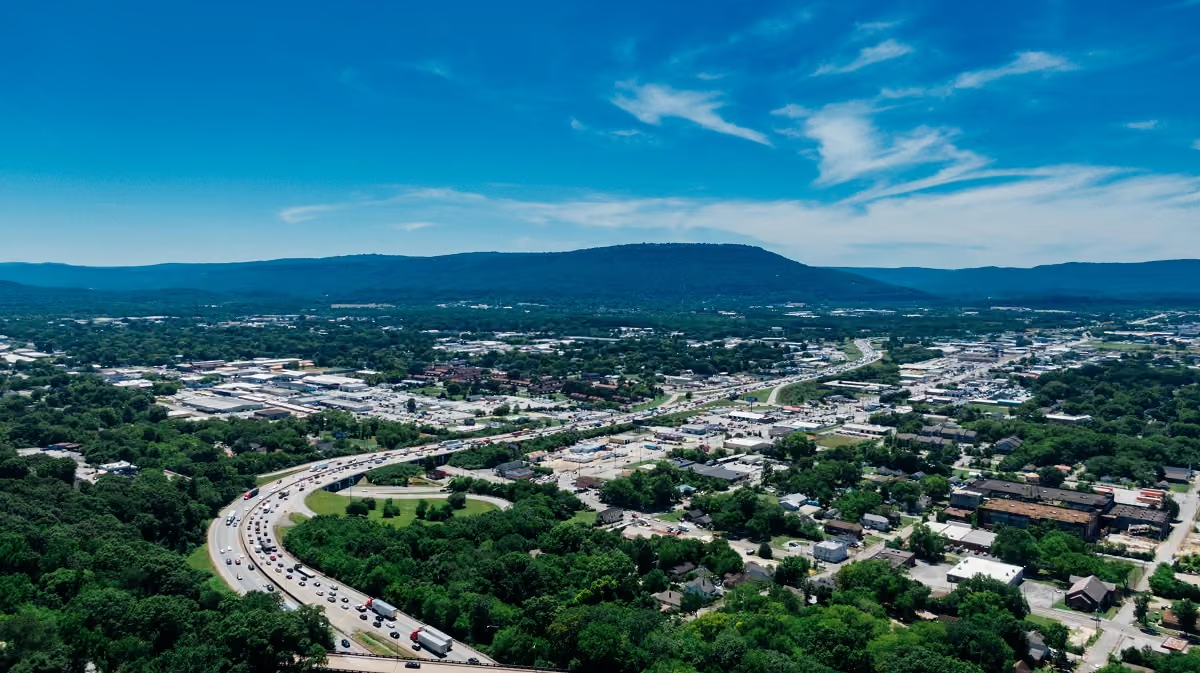
Tennessee sits on the edge of Dixie Alley, where severe thunderstorms, damaging winds, and tornado outbreaks are common. Cities like Nashville, Memphis, Knoxville, and Chattanooga regularly experience strong storm systems capable of producing dangerous tornadoes.
Because tornadoes in Tennessee can develop quickly and often occur at night, many homeowners and business owners choose to install a private storm shelter rather than rely on public options or last-minute decisions. A dedicated above-ground shelter, underground shelter, or safe room provides faster access and more dependable protection when severe weather strikes.
Storm Shelter Installation in Tennessee: What to Expect
Installing a storm shelter in Tennessee starts with choosing the right protection for your property. Our team works with customers to evaluate access, space requirements, project goals, and site conditions before recommending the best fit.
Depending on the shelter type and property conditions, installation planning may include:
Because terrain and soil conditions vary across Tennessee, proper installation planning is critical to long-term performance and safety.
Storm Shelter Installation Options for Tennessee Properties
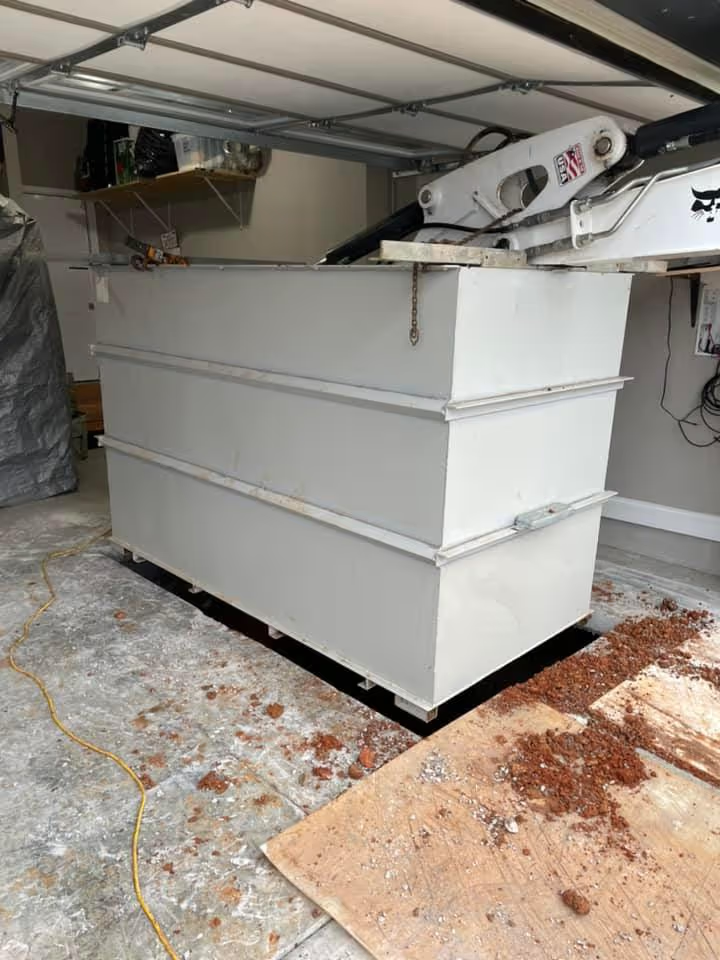
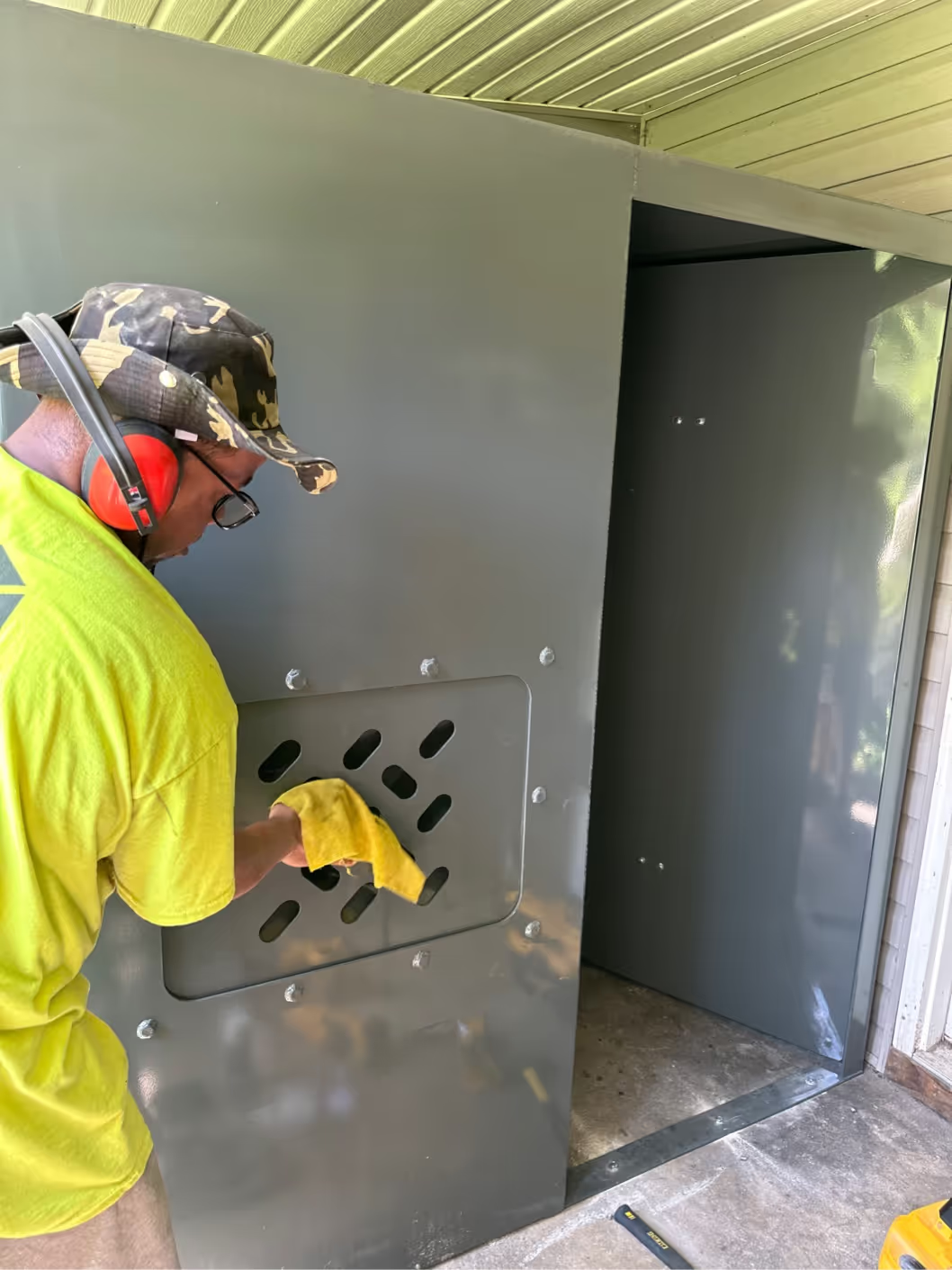
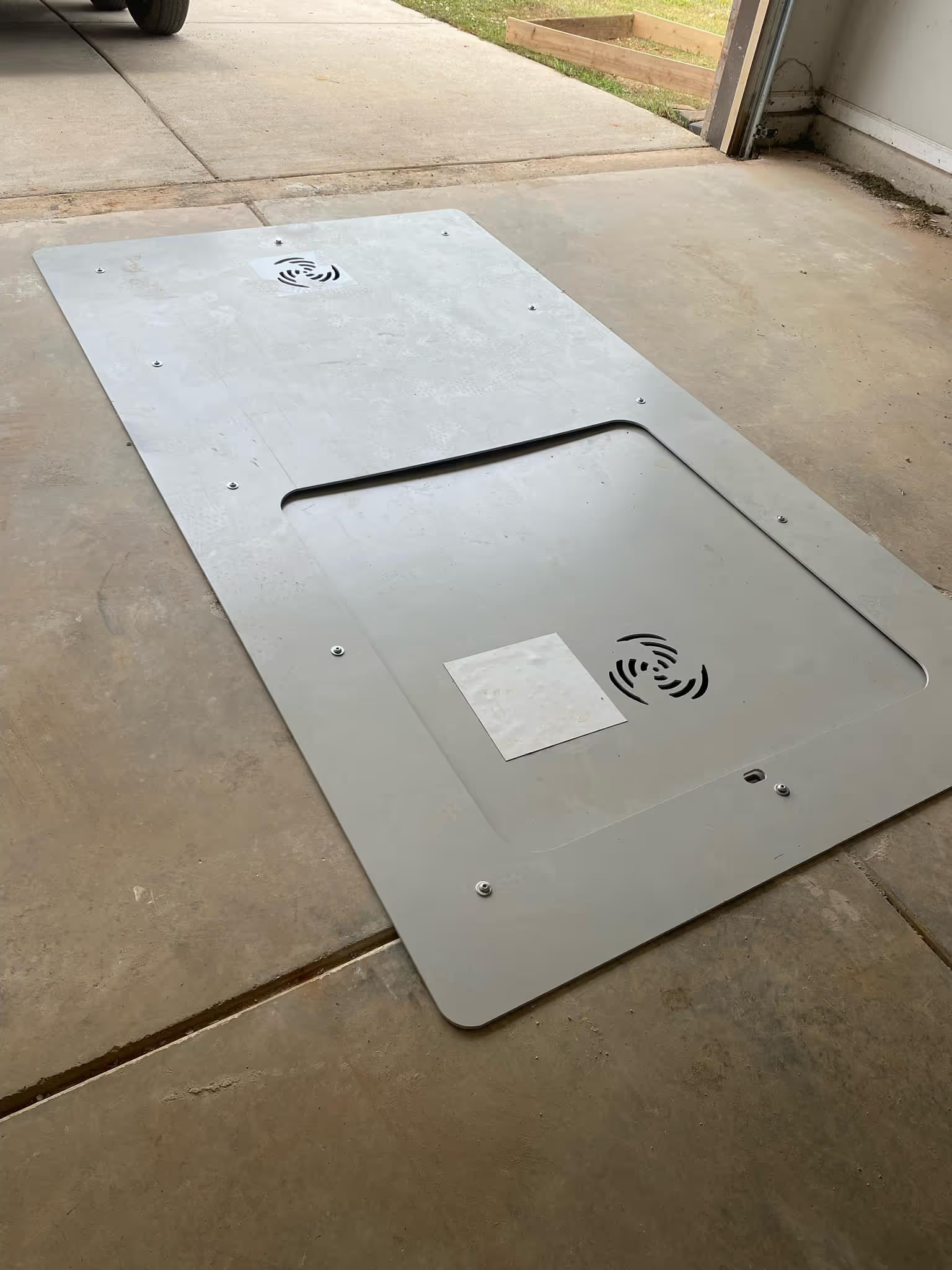
Explore examples of storm shelter types and installation styles commonly used across Tennessee. These examples highlight above-ground and underground configurations based on property layout, access needs, and installation conditions.
Why Choose Steadfast Storm Shelters in Tennessee
Choosing a storm shelter is not just about buying a product — it’s about protecting your family, employees, and property.
Customers across Tennessee choose Steadfast Storm Shelters because we offer:
- guidance on above-ground, underground, and safe room options
- solutions for both residential and commercial properties
- service coverage across Tennessee
- product recommendations based on real property conditions
- a straightforward quote process
When severe weather hits, having the right shelter in place can make all the difference.
Serving Cities Across Tennessee
We proudly serve families, schools, and businesses throughout the Volunteer State, including:
If you’re looking for a storm shelter near you in Tennessee, our team can help you compare options and find the right solution for your property.
Storm & Tornado Resources
Public Tornado Shelters and Storm Shelter Options Near You in Tennessee
Some Tennessee residents search for public tornado shelters or community storm shelters during severe weather events. These may be available through local emergency management agencies, schools, churches, and community centers, but access can vary by location and weather conditions.
Because public shelter access is not always guaranteed, many Tennessee homeowners choose private storm shelters for faster and more reliable protection.
For public shelter locations and resources, use our Public Tornado Shelter Locator or verify with your local emergency management office.
Tennessee Tornado History and Severe Weather Risk
Tennessee has experienced numerous tornado events, including severe outbreaks that caused widespread damage across the state. Its location near Dixie Alley makes tornado preparedness important for homeowners, businesses, and communities.
This ongoing risk is why many Tennessee residents invest in storm shelters as part of their long-term protection plan.
Frequently Asked Questions About Storm Shelters in Tennessee
Get a Quote for a Storm Shelter in Tennessee