
Storm Shelters in
Mid-Michigan
Mid-Michigan combines urban and suburban neighborhoods with agricultural properties, industrial areas, institutional campuses, and smaller communities. Shelter planning should match that mix by considering garage or interior access, lot size, equipment movement, drainage, utilities, occupancy, and central travel logistics.

Compare Storm Shelter Options in Mid-Michigan
Mid-Michigan does not have one dominant property pattern. A household in an established neighborhood may prioritize a garage safe room and quick indoor access, while a farm or larger residential property may compare underground placement after excavation, drainage, utilities, and equipment access are reviewed.
Schools, churches, offices, industrial properties, municipal facilities, and other organizations need commercial planning built around occupancy, movement, facility layout, documentation, delivery, and installation requirements.
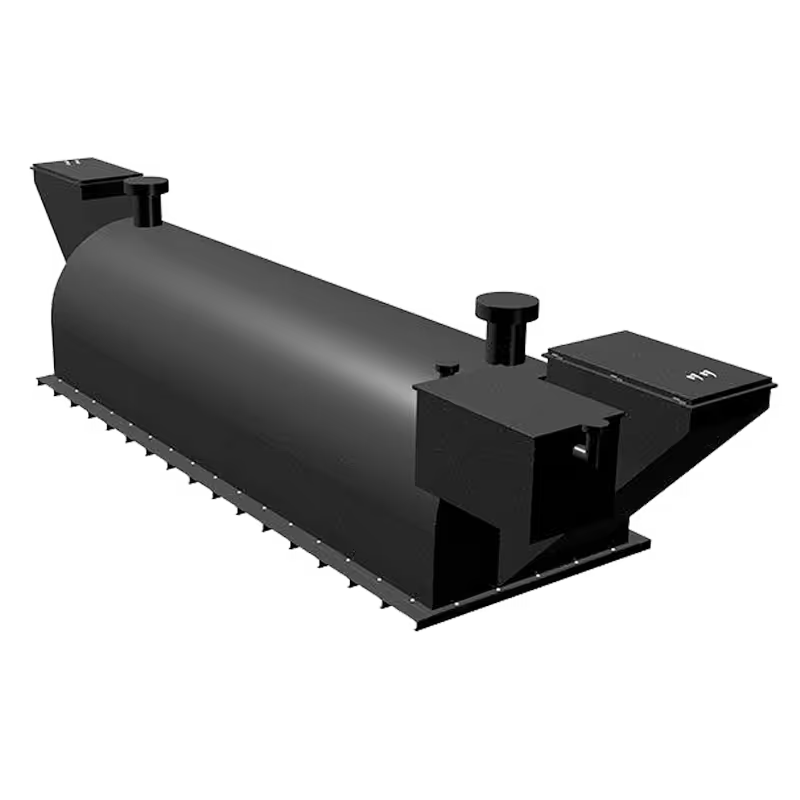
Commercial
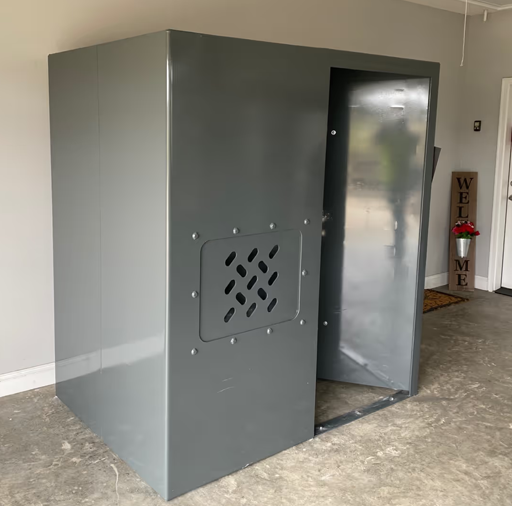
Safe Rooms
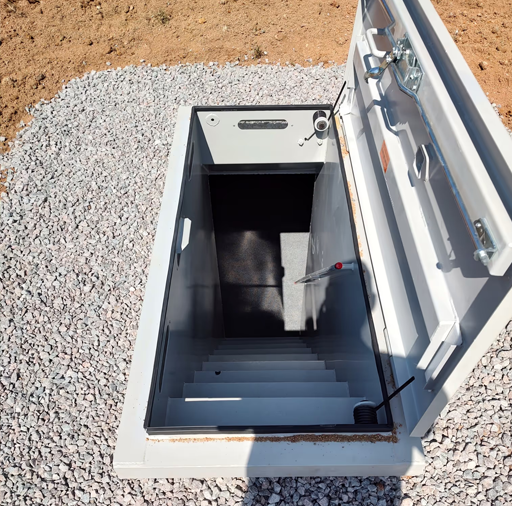
Underground Storm Shelters
Mid-Michigan Connects Urban Centers, Farms, Industry, and Institutions
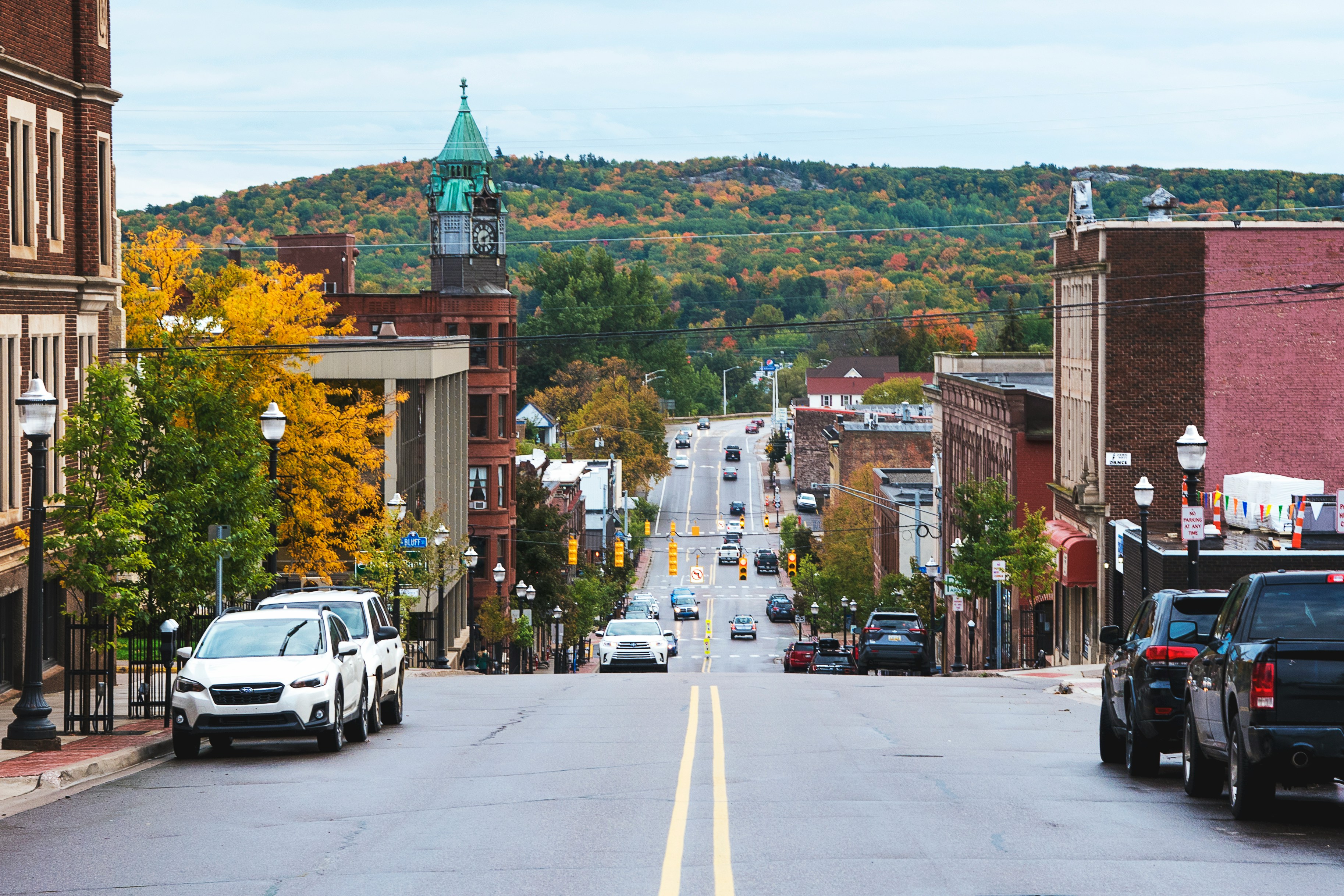
The Mid-Michigan service network extends through Lansing and central Lower Peninsula corridors while also connecting Flint, Saginaw, Bay City, Midland, Mount Pleasant, and smaller inland communities. The region includes dense neighborhoods, suburban lots, agricultural land, industrial properties, offices, schools, churches, and public-facing facilities.
Varied property types require a broad but disciplined product comparison. Safe rooms may fit homes or facilities that need quick indoor access, underground shelters may fit properties with suitable excavation and water-management conditions, and commercial shelters require occupancy and facility-specific planning.
The regional page organizes Lansing, East Lansing, Jackson, Owosso, Mount Pleasant, Alma, Midland, Saginaw, Bay City, and Flint without absorbing their city-level search intent. Each city remains a separate parent hub when published.
Why Mid-Michigan Properties Benefit From a Defined Shelter Plan
Severe thunderstorms and tornado-producing storms can cross the central Lower Peninsula while people are spread across homes, farms, classrooms, offices, production areas, worship spaces, and public facilities. A clearly identified on-property shelter reduces uncertainty about where occupants should move during a warning.
A basement may provide a lower-level refuge, but it is not automatically an engineered storm shelter. Structural design, windows, walkout exposure, stairs, travel time, accessibility, and the way the space is used all affect the household plan.
Rural distance and the spread between communities can also make public-shelter travel unrealistic after a warning begins. Commercial and institutional properties face a different issue: they must move multiple people through a facility using a route that has been considered in advance.
- A dedicated shelter gives homes and facilities one known destination.
- Safe-room access can be valuable when occupants should not cross the yard.
- Rural properties need an on-site plan that does not depend on a distant public resource.
- Schools, offices, churches, and industrial properties need occupancy and circulation planning.
Cities We Serve in
Mid-Michigan
These ten parent-city markets are assigned to the Mid-Michigan region for regional navigation. Leave every name unlinked until its approved parent page is live and verified, then add the exact tracker URL for that city only.
Shelter Installation Planning Across Mid-Michigan
Shelter placement is confirmed only after the proposed address and access route have been reviewed. The following conditions should guide the initial conversation and quote intake.
- Mixed foundations and garages — Established homes, newer suburban properties, farmhouses, and institutional buildings may present different slabs, interior routes, garage footprints, and retrofit constraints.
- Lot and equipment access — A large rural lot can improve placement flexibility, but long drives, gates, soft ground, utility lines, septic or well locations, fences, and the equipment route still require review.
- Drainage and soil variability — Underground placement should be evaluated at the proposed address because grading, groundwater, seasonal water, soil behavior, and drainage can vary across the broad region.
- Central delivery logistics — Product availability, travel distance, delivery staging, and installation arrangements should be confirmed before a location or schedule is promised.
- Facility occupancy — Schools, churches, offices, industrial sites, municipal properties, and community buildings need shelter access and capacity discussions tied to how the facility operates.
Get Shelter Guidance for Your Mid-Michigan Property
Describe the property, proposed shelter location, access route, and who must use the shelter. We will help you compare safe-room access, underground feasibility, commercial needs, and the delivery or installation questions that should be resolved during quoting.

Why Mid-Michigan Customers Choose Steadfast
Steadfast provides a practical comparison of the three shelter paths currently approved for Michigan. The recommendation is based on household or facility use, property access, placement conditions, and the details required to coordinate delivery and installation.
We do not assume that a rural lot, basement, garage, or commercial floor plan automatically supports a particular product. The quote process is used to confirm the option, documentation, and installation pathway for the actual address.
- Residential, agricultural, institutional, and commercial planning
- Clear safe-room, underground, and commercial product pathways
- Address-specific access and placement review
- Straightforward quote and financing options
- Accurate coordination language without unsupported Michigan-location claims
Mid-Michigan Severe-Weather Planning Resources
Use these tools to support a home, farm, school, church, workplace, or facility plan. Check current conditions and public shelter information before severe weather, and keep the chosen on-property destination clear to every occupant.
- Open Storm Mode — Quick access to current storm-planning resources.
- View the 24-Hour Tornado Tracker — Recent tornado and warning activity in one view.
- Check the Public Tornado Shelter Locator — Public shelter information that must be confirmed ahead of time.
Frequently Asked Questions About Storm Shelters in Mid-Michigan
Use the complete crawlable questions and answers below. Part 6 repeats the same content as a developer extraction block for schema matching.
Localized answer angle: Approved product set
Localized answer angle: Assigned city network
Localized answer angle: Mixed housing and foundation conditions
Localized answer angle: Rural acreage and equipment access
Localized answer angle: Regional drainage and soil variability
Localized answer angle: Institutional, industrial, and agricultural uses
Localized answer angle: Address-specific pricing
Localized answer angle: Financing qualification
Request a Mid-Michigan Storm Shelter Quote
Tell us about the home, farm, business, school, church, office, industrial site, or community property you need to protect. We will help compare safe rooms, underground storm shelters, and commercial options while identifying the site, access, occupancy, and coordination details that affect the project.