
Storm Shelters in
West Michigan
From the Grand Rapids metro to lake-influenced communities, inland cities, and semi-rural properties, the right shelter depends on garage access, lot size, excavation feasibility, drainage, groundwater, snow access, and the way the property is used.

Compare Storm Shelter Options in West Michigan
West Michigan offers a wider range of placement conditions than a single metro label suggests. Attached garages and suburban homes may support a fast-access safe-room comparison, while larger lots outside major centers may create more underground placement flexibility if drainage, groundwater, utilities, and equipment access are workable.
Commercial projects along manufacturing and service corridors need separate planning for occupancy, shift patterns, facility circulation, documentation, delivery, and installation logistics.
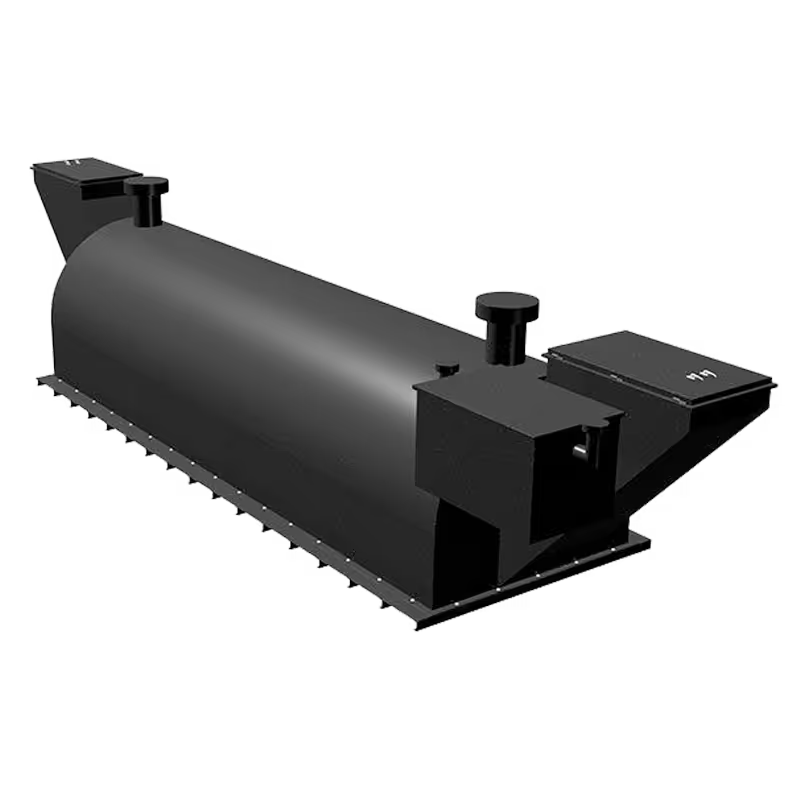
Commercial
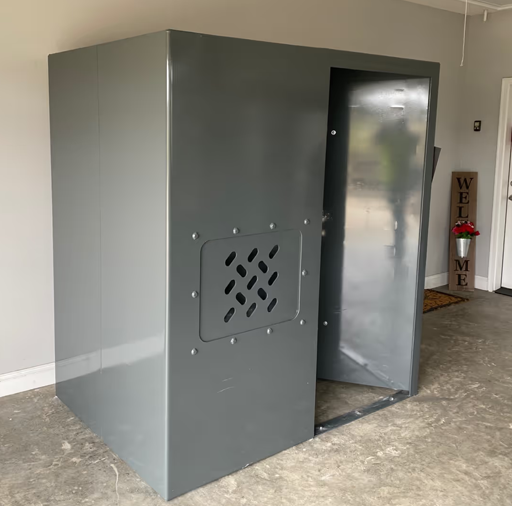
Safe Rooms
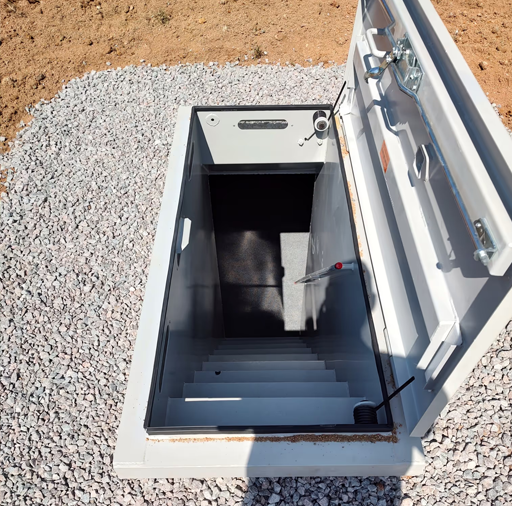
Underground Storm Shelters
West Michigan Combines Metro Growth, Industry, and Larger-Lot Properties
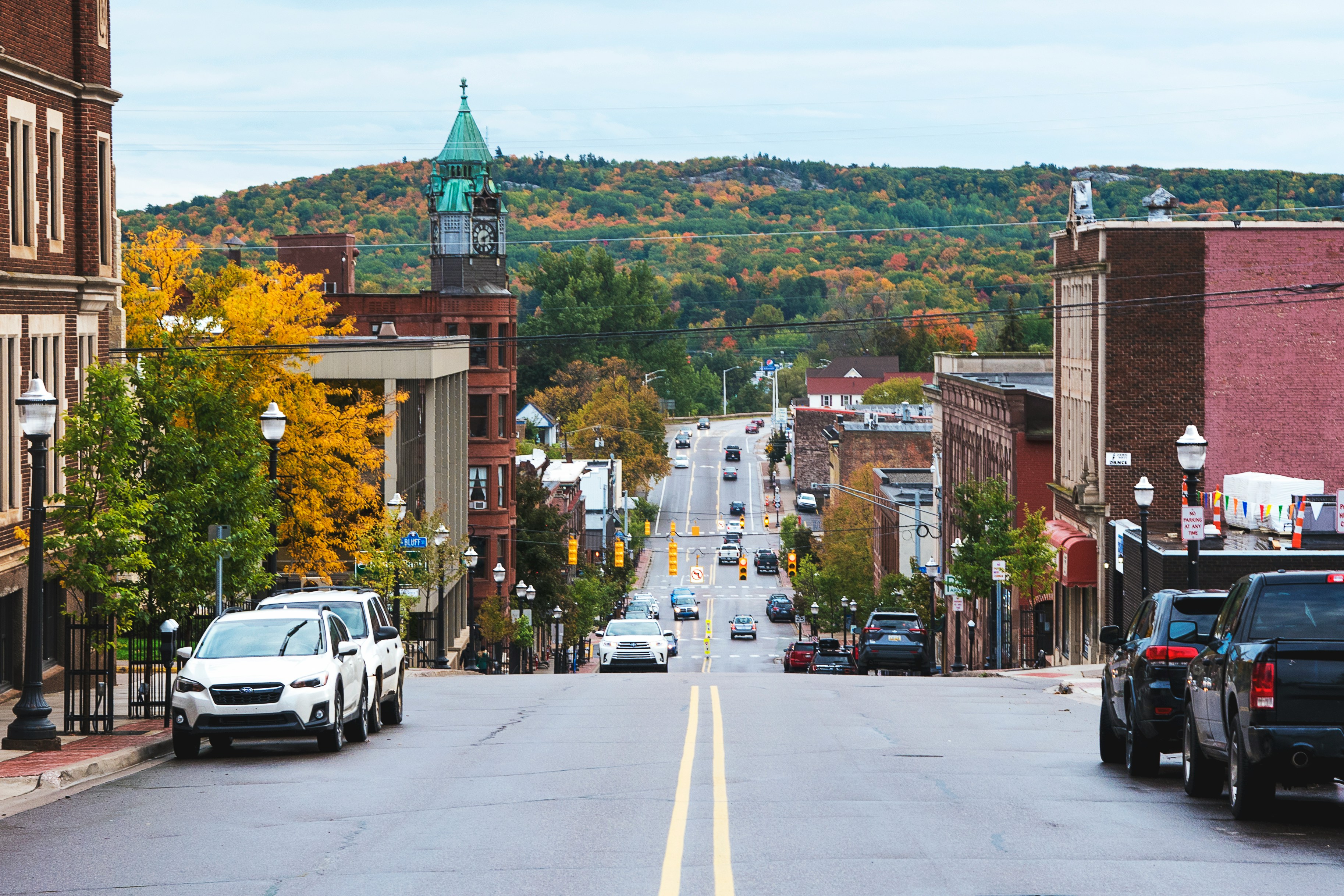
West Michigan includes the Grand Rapids metro, established lake-area communities, suburban growth, inland cities, manufacturing corridors, and semi-rural properties. Housing and site conditions can shift from attached-garage neighborhoods to larger residential lots, wooded edges, farms, and commercial campuses within the same regional market.
Those differences change the product conversation. A garage safe room may fit a household that values indoor access, while an underground shelter may be practical on a larger property only after the site can support excavation, drainage, groundwater management, utility clearance, and equipment movement.
Grand Rapids, Wyoming, Holland, Grand Haven, Muskegon, Kalamazoo, Portage, Battle Creek, and Ionia make up the approved West Michigan city network. Each city will own its own local query set after its parent page is live.
Why On-Property Storm Protection Matters in West Michigan
Severe thunderstorms moving across the western Lower Peninsula can bring tornado potential, damaging winds, hail, and heavy rainfall. A household or facility plan works best when occupants already know where to go and do not need to begin searching for a public destination after a warning.
Basements are common in parts of Michigan, but the presence of a basement does not mean it was engineered as a storm shelter. Access, layout, structural design, windows, walkout exposure, and mobility needs still affect how the space functions during severe weather.
For manufacturers, schools, churches, offices, and community properties, shelter planning must account for occupancy and movement. The decision is not simply whether a product fits on the property; it is whether people can reach it within the facility's emergency plan.
- A dedicated shelter provides a clearly identified destination on the property.
- Safe rooms can support quick indoor or garage access during rapidly developing weather.
- Larger lots can expand options, but they do not remove drainage or access requirements.
- Commercial facilities need occupancy and circulation planning before product selection is finalized.
Cities We Serve in
WEst Michigan
These nine approved parent-city markets form the West Michigan regional network. Keep all names as plain text until the matching parent page is live and verified; add only the approved parent-city hyperlink at that time.
West Michigan Site and Installation Considerations
Shelter placement is confirmed only after the proposed address and access route have been reviewed. The following conditions should guide the initial conversation and quote intake.
- Garage and yard flexibility — Suburban and semi-rural properties may offer more than one placement option. Compare the garage route, yard access, household mobility needs, utilities, and the time required to reach the shelter.
- Lake-influenced drainage — Properties near the western side of the Lower Peninsula may require extra attention to grading, seasonal water, drainage, and groundwater before below-ground placement can be confirmed.
- Equipment access — Larger lots do not guarantee easy installation. Gates, fences, landscaping, soft ground, narrow drives, overhead lines, and the route from the road to the proposed location can affect delivery and excavation.
- Snow and freeze-thaw — Placement should preserve year-round access and account for snow storage, plowing, door clearance, surface movement, and installation scheduling.
- Manufacturing and institutional facilities — Commercial projects should identify occupancy, shift or operating patterns, access routes, delivery staging, documentation, and coordination requirements early.
Find the Right Shelter for Your West Michigan Property
Share the address, property type, intended shelter location, and who will use it. We will help you compare indoor access, underground placement, commercial needs, and the delivery or installation variables that should be confirmed before a final recommendation.

Why West Michigan Buyers Work With Steadfast
Steadfast helps customers compare the three product paths currently approved for Michigan. The recommendation begins with the property, the intended users, and the installation environment.
We coordinate product information, delivery, and installation planning based on location and project requirements. Installation may be completed through an approved manufacturer or installation partner, with arrangements confirmed during the quote process.
- Property-choice guidance for garage, yard, and facility applications
- Safe room, underground, and commercial options
- Early review of drainage, access, delivery, and placement variables
- Clear quote and financing paths
- Honest coordination language without unsupported local-crew claims
West Michigan Storm and Tornado Resources
Use these resources to support a household or facility plan. Current tools can help with severe-weather awareness, historical context, and public-shelter research, but public shelter information should be verified before an emergency.
- Open Storm Mode — A consolidated severe-weather planning and quick-reference experience.
- Search Tornado History by Location — Location-based tornado history and warning information.
- Check the Public Tornado Shelter Locator — Public shelter information to confirm in advance.
Frequently Asked Questions About Storm Shelters in West Michigan
Use the complete crawlable questions and answers below. Part 6 repeats the same content as a developer extraction block for schema matching.
Localized answer angle: Approved product set
Localized answer angle: Assigned city network
Localized answer angle: Garage access and varied housing
Localized answer angle: Larger lots with drainage review
Localized answer angle: Lake influence, snow, freeze-thaw
Localized answer angle: Manufacturing and institutional corridors
Localized answer angle: Project-specific cost
Localized answer angle: Financing qualification
Request a West Michigan Storm Shelter Quote
Tell us whether you are planning for a home, farm, school, church, manufacturing facility, office, or community property. We will help you compare safe rooms, underground storm shelters, and commercial solutions based on access, drainage, placement, delivery, and the people the shelter must serve.