Georgia Storm Shelters

Preparing for Tornadoes in Georgia

Tornadoes are a serious threat to both people and property in Georgia, and the state’s consistent storm activity reflects ongoing Georgia tornado risk throughout the year. With an average of 20 to 30 tornadoes annually and the potential for large-scale outbreaks, it is essential for residents to be prepared. When severe weather hits, preparation can truly mean the difference between life and death, which is why many families also look into storm shelters in Georgia and tornado shelters near me options for added protection.

One of the most important aspects of tornado preparation in Georgia is having a clear safety plan. This includes identifying the safest area of your home or workplace, whether it is a basement or an interior room on the lowest level, and practicing how to reach that location quickly. Families and coworkers should also establish a communication plan in case they become separated during an emergency, especially during peak tornado season in Georgia.

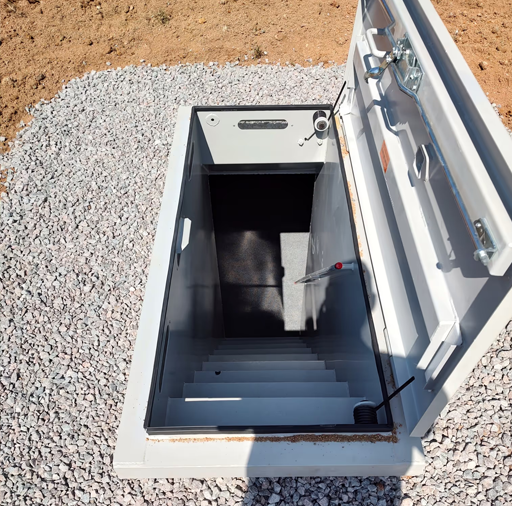
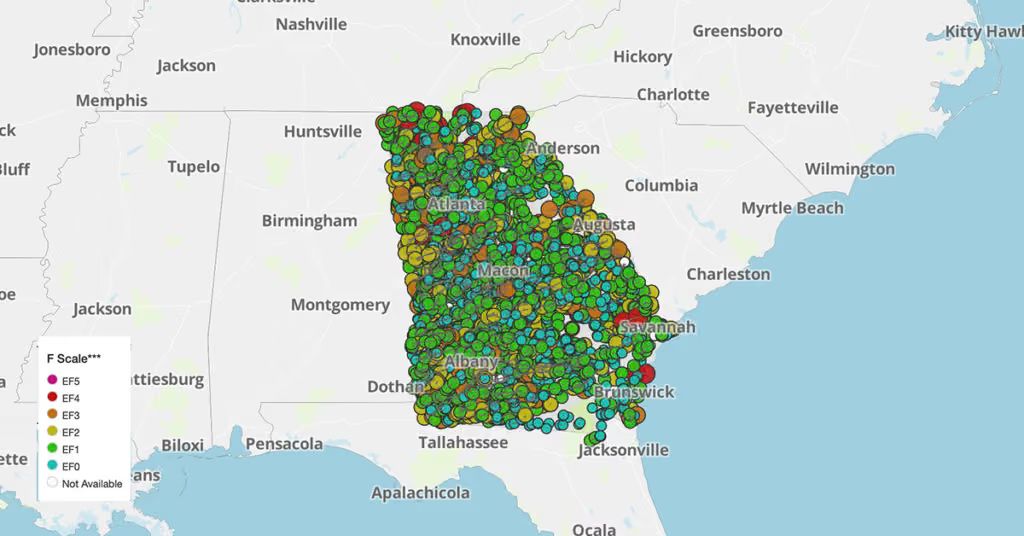
Staying informed is another critical part of readiness. Georgians can sign up for local weather alerts by text or email and monitor forecasts, radar updates, and the tornado map Georgia residents use to track approaching storms. When a tornado warning is issued, taking immediate action and seeking shelter is crucial. Many households also consider in ground storm shelters Georgia homeowners rely on for an added layer of safety during fast-moving weather events.

Preparation also includes assembling an emergency kit with essential supplies such as water, non-perishable food, a first-aid kit, flashlights, and a battery-powered radio. Keeping this kit accessible and routinely checking supplies ensures everything remains in good working order. Combined with reliable tornado shelters in Georgia and awareness of public tornado shelters near me, these steps help families stay protected during severe weather.

Tornado Shelters Near Me in Georgia

When searching for tornado shelters near me in Georgia, one of the first places to check is your local news sources. Many TV and radio stations share updates on public tornado shelters near me that may be available during severe weather. These resources can be helpful, especially during active alerts when quick decisions matter.

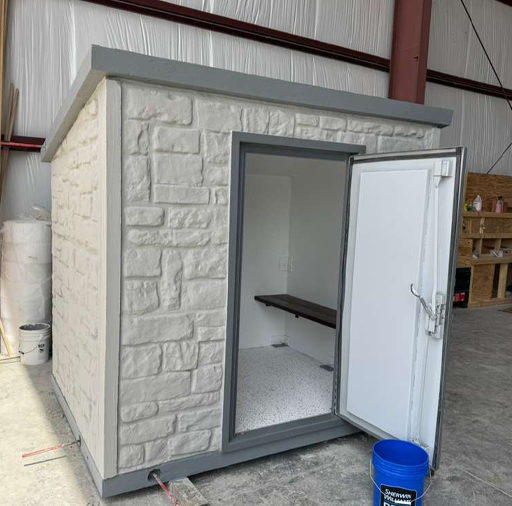
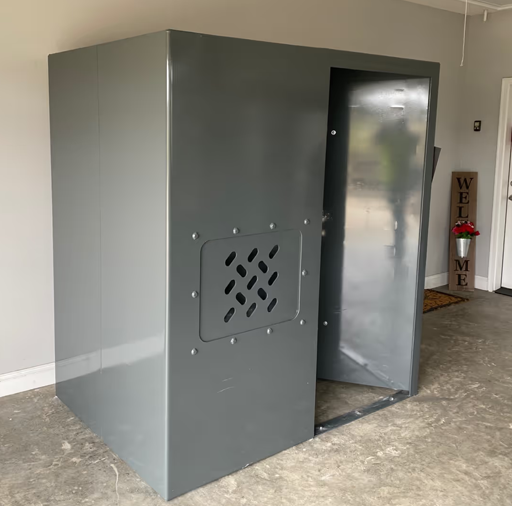
However, it is important to understand that public tornado shelters are not always open, accessible, or close enough to reach safely during a storm. Because tornado shelters in Georgia can vary by county and availability, residents should always have a personal plan for sheltering at home or at work. Staying informed through weather alerts and updates helps ensure you know when immediate action is required. For the strongest protection, many families choose to install their own residential tornado shelters, while business owners and county officials often explore commercial tornado shelter options to keep larger groups safe.

If a public shelter is not available or it becomes unsafe to travel, the next best option is to take shelter inside a sturdy building. Move to the lowest level, stay away from windows, and protect yourself with blankets or a mattress to reduce the risk of injury from flying debris. Whether relying on your own shelter or seeking in ground storm shelters Georgia communities trust, having a plan in place is essential for staying safe during severe weather.

Georgia Tornado Safety Tips

Tornadoes pose a significant threat in Georgia, and taking proper safety precautions is essential to reducing the risk of injury or property damage. With the ongoing Georgia tornado risk and shifting weather patterns throughout tornado season in Georgia, preparation remains one of the most effective ways to stay safe.

Here are some tornado safety tips for Georgia:

Be prepared: Create a clear plan detailing where to go and what to do in the event of a tornado. Identify the safest location in your home or workplace, such as a basement or an interior room on the lowest level, and practice reaching that spot quickly. Establish a communication plan with family members or coworkers in case you become separated during the storm. Many households also consider storm shelters in Georgia or tornado shelters in Georgia for added protection.
Stay informed: Keep a close eye on local weather forecasts, radar updates, and emergency alerts. Signing up for text or email notifications ensures you receive warnings in real time. When a tornado warning is issued, take immediate action and move to your designated safe location. Checking resources like the tornado map Georgia residents rely on can also help you understand current storm activity in your area.
Seek shelter: If you are indoors when a tornado strikes, go to the lowest level of a sturdy building and stay away from windows. Get under solid furniture or cover yourself with blankets or a mattress to protect against flying debris. If you are in a mobile home or vehicle, leave immediately and seek refuge in a more secure structure or a nearby ditch if no safer option exists.
Avoid windows: Windows can shatter during a tornado, creating dangerous debris. If you cannot reach your safest location in time, get as low as possible, cover your head, and protect yourself until the storm passes.
Stay put: Never attempt to outrun a tornado in a vehicle or on foot. Tornadoes are unpredictable and can change direction rapidly. Always seek the nearest safe location and remain there until authorities announce that conditions are clear.
Have an emergency kit: Prepare an accessible emergency kit with essential supplies such as water, non-perishable food, a first-aid kit, flashlights, and a battery-powered radio. Regularly check items to ensure everything is in good condition and ready for use.

By following these tornado safety tips, you can improve your chances of staying safe during severe weather. Prioritizing preparedness, along with options like in ground storm shelters Georgia residents rely on, helps minimize harm and keeps families protected when storms strike.

Serving Cities Across Georgia

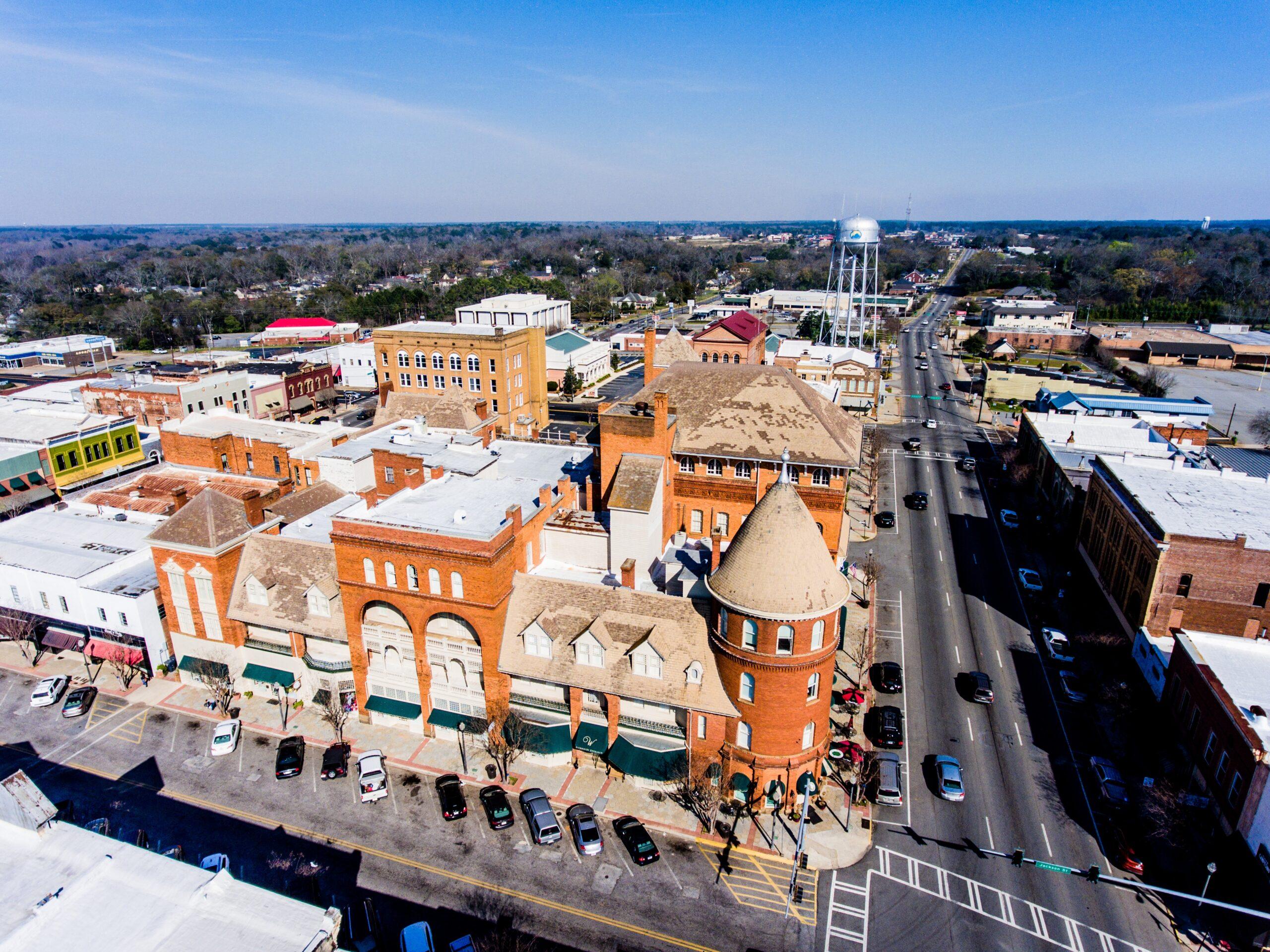
We proudly serve families, businesses, and communities throughout Georgia, including:

Looking for a storm shelter near you? Steadfast Storm Shelters provides professional installation and trusted protection throughout the entire state of Georgia.

Georgia Tornado Shelter FAQs

Where can I find a tornado shelter in my specific county in Georgia?
Start by contacting your county emergency management agency or by visiting the Georgia Emergency Management and Homeland Security Agency (GEMA/HS) website. These sources offer updated details on tornado shelters in Georgia, including public options and tornado shelters near me resources.
What is the capacity of the average tornado shelter in Georgia?
Capacity can vary widely across tornado shelters in Georgia. Some smaller facilities may accommodate a few dozen people, while larger shelters can hold as many as 100 occupants, depending on location and design.
Are there regulations for building a private tornado shelter in Georgia?
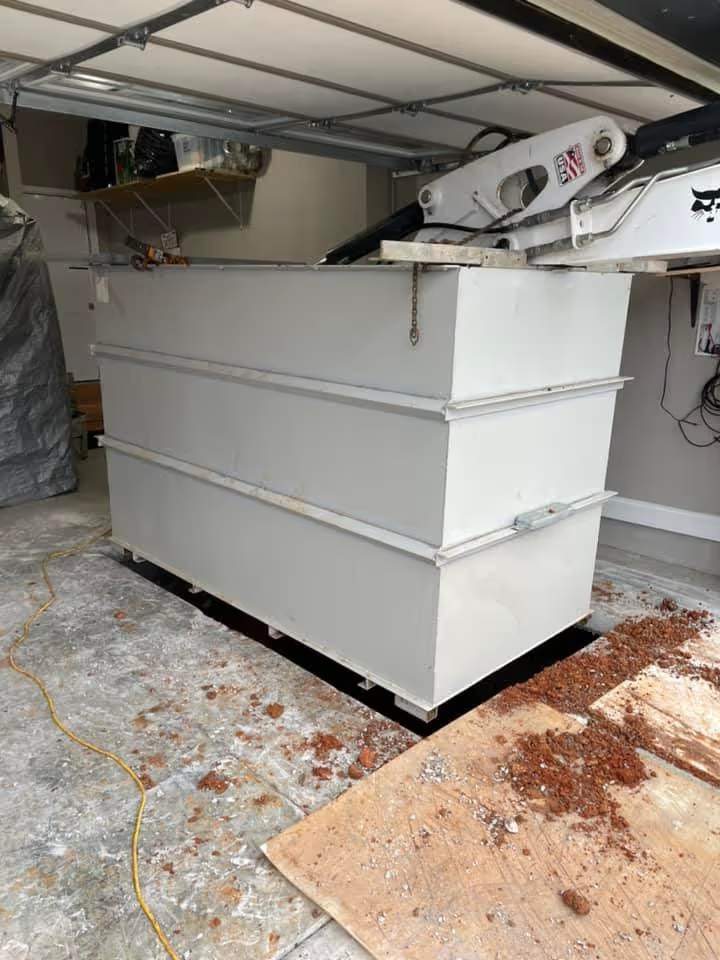
Yes. Private shelters must follow local building requirements, which can vary by county. Contact your local building department for guidance on proper standards, especially if you are considering in ground storm shelters Georgia homeowners often install for personal protection.
How do I know if a tornado shelter is up to code and safe to use in Georgia?
Most tornado shelters in Georgia are inspected by local building departments to confirm they meet safety codes. Choosing a vendor associated with the National Storm Shelter Association (NSSA) helps ensure your shelter meets industry-recognized standards.
Are any businesses or public buildings required to have tornado shelters in Georgia?
Currently, Georgia has no statewide requirement mandating tornado shelters in businesses or public buildings. However, many facilities voluntarily install storm shelters, particularly in areas with elevated Georgia tornado risk.
How often are tornado shelters in Georgia inspected for safety and maintenance?
Inspection frequency varies, but many shelters receive annual evaluations by local officials to ensure they remain safe and operational throughout tornado season in Georgia.
How long might I need to stay in a tornado shelter during severe weather?
The duration depends on the severity of the storm. You may need to remain inside for several hours if conditions are hazardous. Some individuals with residential tornado shelters choose to stay overnight when necessary.
Can I bring my pets with me to a tornado shelter in Georgia?
Policies differ between shelters. Many public tornado shelters near me do not allow pets, so it is important to verify the rules ahead of time.
How accessible are tornado shelters for people with disabilities in Georgia?
Tornado shelters in Georgia must comply with ADA accessibility requirements, but features can vary by location. Always confirm accessibility options with the specific shelter beforehand to ensure it meets your needs.
Do you have a question that’s not discussed here?
Please reach out to one of our knowledgeable representatives. You can chat with a team member on the right side of the page.

Storm & Tornado Resources

Stay informed before, during, and after severe weather events. The following tools and resources provide real-time alerts, historical tornado data, and emergency guidance to help residents make informed decisions.