
Can You Install a Shelter After Construction in Tennessee?
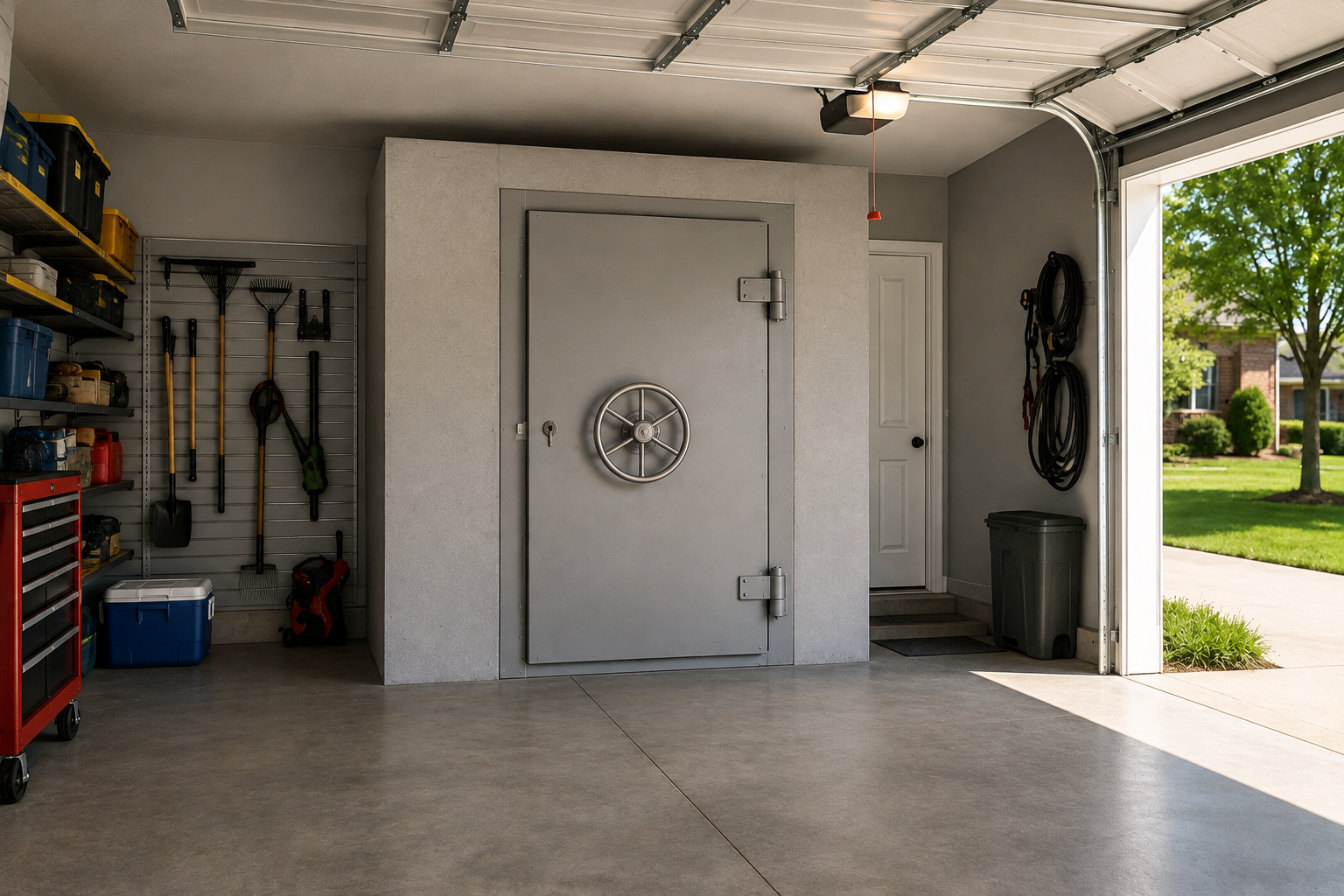
Yes — installing a storm shelter after your Tennessee home is already built is one of the most common ways homeowners end up with one. You don't need to have planned for it during construction, and it doesn't require rebuilding anything structural in most cases.
Why This Question Comes Up So Often
It's an easy assumption to make: if a shelter wasn't part of the original blueprints, maybe it's too late. That's not how most installations actually work. Maybe you bought an existing home that didn't come with one, or a nearby storm made it feel like the right time to stop putting it off. Either way, by the time most people are asking this question, the home is long finished — and that's exactly the situation this kind of installation is built for. The shelter is fitted to your property as it exists today — your driveway, your garage, your yard — rather than requiring your home to have been designed around it from day one.
What Actually Changes When You Install After the Home Is Built
The main difference between installing during construction and installing afterward is sequencing, not feasibility. During new construction, a shelter can sometimes be planned into site work that's happening anyway. After construction, the process instead starts with a look at what your property already has — driveway access, yard space, garage layout — and the shelter is placed around that. For most homeowners, this doesn't mean tearing into the house itself; the work happens outside or in the garage.
Urban Lots vs. Rural Acreage in Tennessee
A downtown Nashville lot with a narrow side yard and an HOA to check in with presents different considerations than a rural property outside Chattanooga with acreage to spare. Tighter urban and suburban lots often mean the garage becomes the more realistic placement option, while rural properties tend to have more flexibility for an exterior pad. Either way, the answer to "can I install after construction" stays the same — yes — it's really a question of where on your specific property it goes.
Does Your Home's Age Change Anything?
Older Tennessee homes and newer construction present slightly different starting points, but neither rules a shelter out. Older homes may have mature landscaping or narrower side yards to work around, while newer construction sometimes comes with stricter HOA guidelines about what can be added and where. Either way, the process is built around confirming what your specific property allows rather than assuming anything based on the home's age alone.
Signs It Might Be Time to Stop Waiting
- You've been in the home long enough to know it didn't come with one, and you keep meaning to look into it
- A recent close call with severe weather made shelter-in-place options feel less certain than you'd lik
- Your household has grown, or your family's needs have changed since you moved in
- You're already budgeting for other home projects and want to see where a shelter fits in
What This Means for Your Budget
A shelter added after the fact isn't inherently more expensive than one planned from the start — cost comes down mainly to the shelter type and your site conditions, not the timing. That said, since it's a new expense you weren't necessarily budgeting for when you bought the home, it's worth knowing that storm shelter financing options exist if spreading the cost out works better for your household than paying all at once.
Getting the Installation Details Right
The specifics of what happens on installation day — site prep, delivery, placement — are laid out in full in our storm shelter installation instructions, which is worth a look once you're ready to move forward. The short version for planning purposes: most installations are scheduled around your property's access and don't require major changes beforehand.
What to Confirm Before Scheduling Installation
- Where utility lines, downspouts, or septic components run near your preferred placement
- Whether HOA guidelines apply to your neighborhood, if relevant
- How delivery equipment will reach the site — driveway width, gates, and slope all matter
- Whether you're leaning toward a garage placement or an exterior pad, since that affects which shelter types make the most sense
One Advantage of Waiting Until After Construction
Building a shelter into new construction sometimes means working around whatever your builder offers or has already priced into the project. Installing afterward puts the full range of shelter types back on the table, since you're not tied to what your builder had lined up. That flexibility is one reason some homeowners who could have added a shelter during construction choose to wait and decide once the home is finished instead.
Comparing Your Options in Tennessee
Because "can I install one after construction" is really a feasibility question rather than a product question, the next step is usually deciding which shelter type actually fits your property. Browse storm shelter options to compare above-ground, steel, and underground shelters side by side before requesting pricing.
Ready When You Are
Whether you already know which shelter type you want or you're still comparing, take a look at what's available across Tennessee storm shelters we support, then Find the best fit and we'll help you figure out the right option for your property and budget.