
What Is The Average Storm Shelter Cost In The United States?
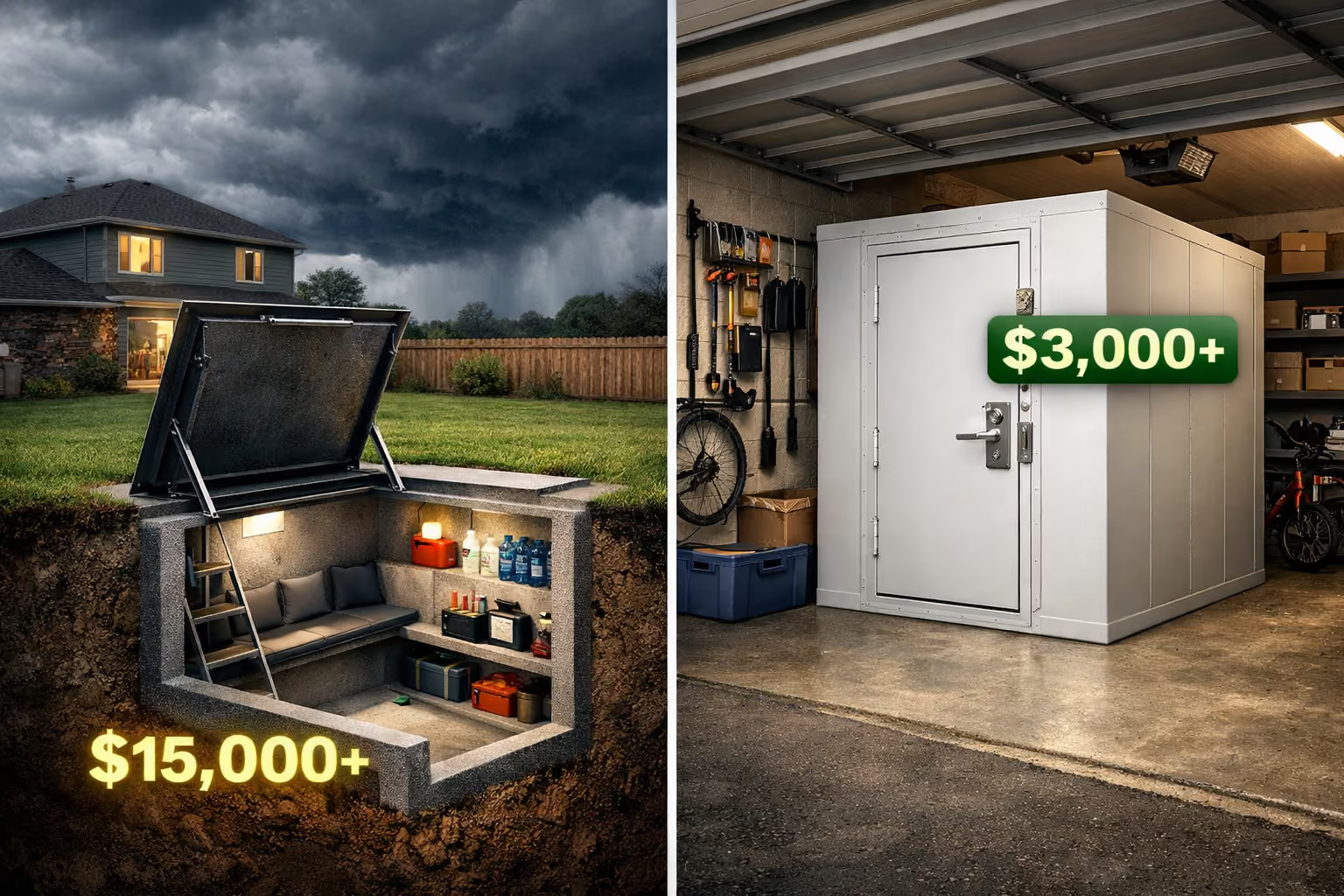
The average storm shelter cost in the United States ranges from $3,000 to $15,000+, depending on size, material, and installation type. Above-ground safe rooms are typically more affordable, while underground storm shelters cost more due to excavation and reinforced construction.
Custom residential storm shelters for larger capacity or higher protection levels may exceed standard pricing. Factors like local codes, labor, and site conditions also impact the total cost. To compare options, you can check available storm shelters designed for residential safety.
A Closer Look at Storm Shelter Cost in the United States
Understanding storm shelter cost is not just about picking a price range—it’s about matching safety needs with the right level of protection, structure, and installation method. Many homeowners only start researching after hearing storm warnings or experiencing severe weather, and that’s usually when the real differences between shelter types become clear.
What Actually Works (and Why) in Storm Shelters
When it comes to reliable protection, performance is everything. The most effective systems are engineered to withstand extreme wind pressure and flying debris:
- Reinforced concrete shelters – highly durable and long-lasting
- Steel safe rooms – strong, compact, and often quicker to install
- Underground storm shelters – excellent debris protection and concealment
Each of these options is designed with the same goal in mind: survival during extreme weather events, but they vary in installation needs and overall investment.
What Influences the Right Choice for Storm Shelters
Several real-world factors shape the final storm shelter cost:
- Shelter size and occupancy requirements
- Material type and engineering strength
- Above-ground vs underground installation
- Excavation, labor, and site preparation work
- Compliance with local building codes and safety standards
Even two similar-looking shelters can differ significantly in price depending on soil conditions or structural requirements.
Where Most People Get It Wrong with Storm Shelter Cost
A common mistake is assuming all storm shelters are priced mainly by size. In reality, installation complexity often plays a bigger role than materials alone. Some homeowners also underestimate long-term value, focusing only on upfront cost instead of certified protection levels.
Another misconception is that cheaper options always provide adequate safety—but in severe tornado conditions, structural integrity matters far more than initial savings.
For a deeper look at residential safety options, explore this detailed guide on a tornado shelter cost to better understand how different builds affect pricing and protection levels.
What You Need to Know Before You Decide on Storm Shelters
Before committing to a storm shelter cost, it helps to understand the practical details that can significantly affect both price and performance. Choosing the right shelter isn’t just about budget—it’s about matching your home, location, and safety needs with the right design and installation method.
Here are the key factors to keep in mind:
- Installation type matters: Underground units typically require excavation, while above-ground safe rooms are faster to install.
- Material choice affects durability: Steel and reinforced concrete both offer strong protection but differ in pricing and build time.
- Capacity impacts cost: Larger shelters designed for families or groups naturally increase overall expense.
- Site conditions play a role: Soil type, yard access, and existing structures can affect installation difficulty.
- Compliance is essential: Proper engineering and adherence to safety standards ensure maximum protection during extreme weather.
If you're comparing different build types, this guide on an above ground storm shelter cost can help you understand how pricing and installation differ across options.
Choosing the Right Option for Storm Shelters
Storm shelter needs can look very different depending on where you live, how your home is built, and how much protection you’re aiming for. Instead of a one-size-fits-all answer, it helps to match the shelter type to your specific situation so you’re not overspending—or under-preparing.
Here’s how different scenarios typically align with the right choice:
- If you live in a high tornado-risk area, underground shelters are often preferred because they provide maximum protection against debris and extreme wind pressure.
- If your property has limited space or hard soil conditions, above-ground safe rooms are usually more practical and easier to install.
- For larger households, reinforced concrete shelters offer expanded capacity and long-term structural strength.
- During new home construction, it’s easier and more cost-efficient to integrate a residential storm shelter early in the building phase.
- For those balancing safety with budget, above-ground options can reduce excavation and labor expenses significantly.
To better understand installation approaches and how they affect pricing, explore this guide on storm shelter installation and see how steel safe rooms compare in real-world applications.
How This Works in Real Projects
In real-world installations, storm shelters are rarely chosen in isolation—they’re selected after evaluating the home layout, soil conditions, and how quickly the structure needs to be installed. Contractors typically start with a site assessment, which helps determine whether an above-ground or underground system is even feasible before pricing is finalized.
For example, in many residential projects:
- Homeowners in open-yard properties often go for underground shelters when excavation is practical and drainage conditions are stable
- Families building new homes tend to integrate shelters early in construction to reduce labor overlap and avoid retrofitting costs
- In suburban neighborhoods with limited digging access, above-ground safe rooms are commonly installed inside garages or reinforced interior spaces
Professionals also emphasize anchoring systems and compliance checks, especially in tornado-prone regions where performance standards matter as much as cost. Over time, these installations tend to show strong durability, with minimal maintenance needs when properly engineered.
To understand how material choice impacts real installations and long-term safety performance, you can explore this breakdown of residential storm shelter options and how they perform in actual build scenarios.
Final Thoughts: Making the Right Choice
Understanding storm shelters comes down to recognizing that cost is only one part of the decision—safety, structure, and proper installation matter just as much. While prices can vary widely based on design and setup, the real value lies in choosing a shelter that matches your home’s conditions and your family’s protection needs.
Whether it’s above-ground or underground, each option serves a specific purpose, and the right choice depends on how and where it will be used. Taking time to evaluate materials, capacity, and installation requirements helps ensure a smarter investment.
For a deeper overview of build options and protection levels, you can revisit this guide on storm shelters to help finalize your decision with confidence.
Frequently Asked Questions About Storm Shelter Cost
1. What is the average storm shelter cost in the U.S.?
Most storm shelters range from about $3,000 to $15,000+, depending on size, materials, and whether installation is above ground or underground.
2. Why do storm shelter prices vary so much?
Costs differ based on engineering strength, capacity, excavation work, and compliance with local safety standards. Underground builds usually cost more due to labor.
3. Is an above-ground shelter cheaper than an underground one?
In most cases, yes. Above-ground safe rooms generally reduce excavation and installation expenses, making them a more budget-friendly option.
4. Do residential storm shelters increase home value?
Yes, many buyers see them as a safety upgrade, especially in tornado-prone regions, which can improve resale appeal.
5. What’s the most durable storm shelter type?
Reinforced concrete and engineered steel shelters are considered the most durable, with strong resistance to debris impact and extreme winds.