
Residential Storm Shelters: Options That Fit Homes, Garages, and Yards
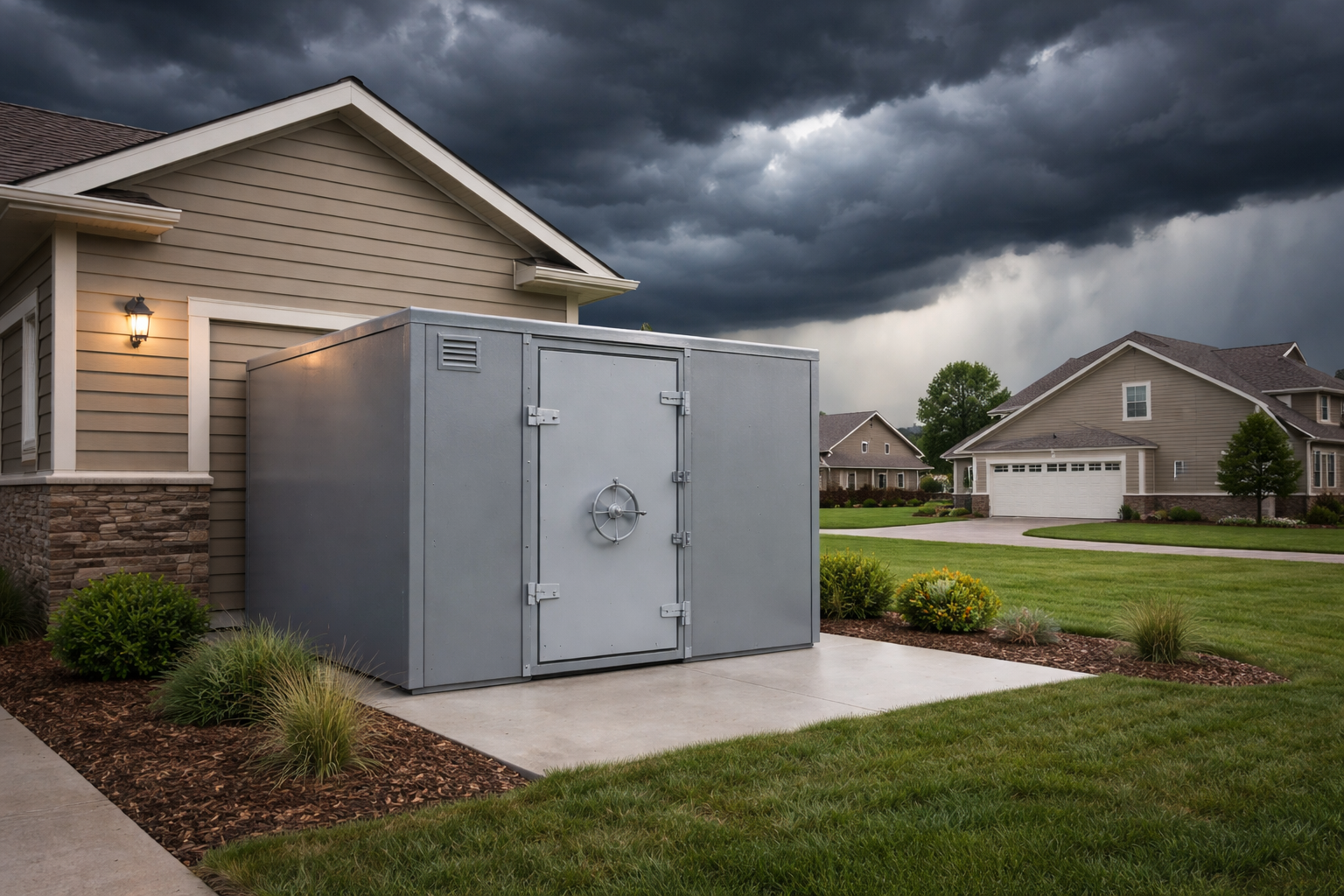
Safe at Home: Choosing the Right Storm Shelter for Your Property
When severe weather strikes, the question is not if you will need protection, it is whether you are truly prepared. Across the United States, tornadoes and extreme storms can form with little warning, leaving families with only minutes to get to safety. For many homeowners, that reality raises an important question: how do you protect your family without dramatically altering your home or property?
That is where residential storm shelters come in. Modern storm shelter solutions are far more flexible and homeowner-friendly than many people expect. Today’s designs fit inside garages, beneath yards, or above ground near the home, all while meeting strict safety standards for tornado and extreme wind protection. Safety, accessibility, and practicality no longer have to be trade-offs.
In this guide, you will learn:
- The main types of residential storm shelters available today
- Where each option works best, including homes, garages, and yards
- How to choose a storm shelter that fits your property, family needs, and budget
By the end, you will have a clear understanding of your options and how to move forward with confidence.
Understanding Residential Storm Shelter Options
Residential storm shelters are engineered structures designed to protect occupants during tornadoes and extreme wind events. Unlike interior closets or hallways, these shelters are built to withstand intense wind pressure and airborne debris, the leading causes of injury and death during tornadoes.
One of the biggest advantages of modern home tornado shelters is adaptability. Homeowners can choose from underground storm shelters, above ground storm shelters, and garage-installed solutions depending on space, soil conditions, and accessibility needs. All professionally built shelters are designed to meet FEMA and ICC-500 safety standards.
Key benefits of residential storm shelters include:
- Life-saving protection during EF-rated tornadoes
- Immediate access during emergencies
- Long-term peace of mind for families
- Improved home preparedness and safety
Many homeowners assume storm shelters are only practical for rural properties or large lots. In reality, today’s designs make storm shelter installation possible in suburban neighborhoods, tight garages, and compact yards with minimal disruption.
Types of Residential Storm Shelters for Homeowners
Choosing the right shelter starts with understanding how each type functions in real home environments.
Garage Storm Shelters and Safe Rooms
Garage storm shelters are among the most popular options for modern homes. These shelters are typically above ground storm shelters made from reinforced steel and anchored directly into the garage’s concrete slab. Because they are inside the home, families can access them quickly without going outdoors during dangerous weather.
A tornado shelter in a garage is ideal for households with children, elderly family members, or anyone with mobility concerns. These shelters feature reinforced doors, ventilation systems, and compact footprints that fit seamlessly into everyday use.
Homeowners often choose garage-installed shelters because they offer:
- Immediate access during sudden storms
- No yard excavation or exterior construction
- Clean, compact installation
- Certified protection that meets national standards
Many garage shelters double as storage or utility spaces when not in use, making them a practical long-term solution.
For homeowners exploring this option, professionally engineered residential above-ground shelters and steel safe rooms are specifically designed for garage and indoor installation.
Underground Storm Shelters
Underground storm shelters remain a trusted and widely used option. These shelters are installed below ground level, either in yards or within garages, using the surrounding earth as additional reinforcement against extreme winds and debris.
An in ground storm shelter offers excellent protection and natural temperature regulation. Most are constructed from reinforced steel or concrete and accessed via a hatch or stair entry.
Benefits of underground shelters include:
- Outstanding wind and debris resistance
- Discreet appearance
- Proven performance during major tornadoes
- Stable interior temperatures
However, underground shelters require proper drainage and professional installation to avoid water intrusion. Accessibility should also be carefully considered, especially for families with mobility limitations.
Homeowners interested in this option can learn more about residential underground storm shelters and professionally engineered concrete shelter options.
Above Ground Storm Shelters
Tornado shelters above ground are standalone units installed on reinforced concrete pads, patios, or near the home. These shelters are built with heavy-gauge steel and advanced anchoring systems capable of withstanding EF-5 tornado conditions.
Above ground shelters are ideal when underground installation is not practical due to high water tables, rocky soil, or homeowner preference. Many designs also offer ADA-accessible entry, making them suitable for a wide range of families.
Why many homeowners choose above ground storm shelters:
- No excavation required
- Faster installation timelines
- Easy access during emergencies
- Certified tornado protection
Modern above ground shelters provide the same level of safety as underground models while offering more flexibility in placement.
Real-World Uses of Residential Storm Shelters
Understanding theory is helpful, but seeing how shelters are used in real homes makes the decision easier.
Suburban family homes often benefit most from garage storm shelters. Being able to reach safety in seconds without stepping outside significantly reduces risk and panic during sudden storms.
Rural properties and acreage homes frequently use underground or standalone above ground shelters. These options provide ample space and discreet placement for larger households or visiting guests.
Homes with accessibility needs often choose above ground shelters with level entry and wide doors, eliminating ladders or stairs while maintaining full protection.
Across all scenarios, the strength of residential storm shelters lies in their flexibility and adaptability to different home layouts.
Storm Shelter Installation: Best Practices and Mistakes to Avoid
Proper planning is critical when installing a storm shelter.
Best practices include:
- Choosing shelters that meet FEMA and ICC-500 standards
- Prioritizing quick and safe access from living areas
- Accounting for family members, pets, and guests
- Working with experienced professionals
Common mistakes to avoid:
- Purchasing uncertified or DIY shelters
- Ignoring drainage requirements for underground installations
- Storing shelters in hard-to-reach locations
- Underestimating space and occupancy needs
A professionally planned storm shelter installation ensures your shelter performs exactly as intended during severe weather.
Choosing the Right Residential Storm Shelter Provider
Selecting the right shelter is only part of the equation. Working with a trusted provider ensures your shelter is properly engineered, installed, and certified.
Companies like Steadfast Storm Shelters specialize in residential solutions designed for garages, yards, and homes. Their full range of options can be explored at steadfaststormshelters.com.
For homeowners looking to understand the life-saving importance of shelters, this guide on the purpose of storm shelters provides helpful context on why professional-grade protection matters.
Final Thoughts on Residential Storm Shelters
Residential storm shelters are more than a home upgrade. They are a long-term investment in safety, preparedness, and peace of mind. With options designed for garages, yards, and interior spaces, homeowners no longer need to compromise between protection and practicality.
Whether you choose a garage-installed safe room, an underground shelter, or an above ground unit, certified construction and professional installation make all the difference when severe weather strikes.
The right residential storm shelter protects what matters most, your family.
Residential Storm Shelters FAQs
What is the safest type of residential storm shelter?
The safest shelters are those certified to FEMA and ICC-500 standards. Both underground and above ground certified shelters offer excellent protection.
Can a storm shelter be installed in an existing garage?
Yes. Many residential storm shelters are specifically designed for installation in existing garages.
Are above ground storm shelters safe during strong tornadoes?
Certified above ground shelters are engineered to withstand EF-5 tornado conditions, including extreme winds and flying debris.
How long does storm shelter installation take?
Most residential installations are completed in one day, depending on site preparation and shelter type.
Do residential storm shelters add home value?
While primarily a safety feature, storm shelters often increase buyer appeal in tornado-prone regions.