
Backyard Storm Shelters: Reliable Protection Without Home Renovations
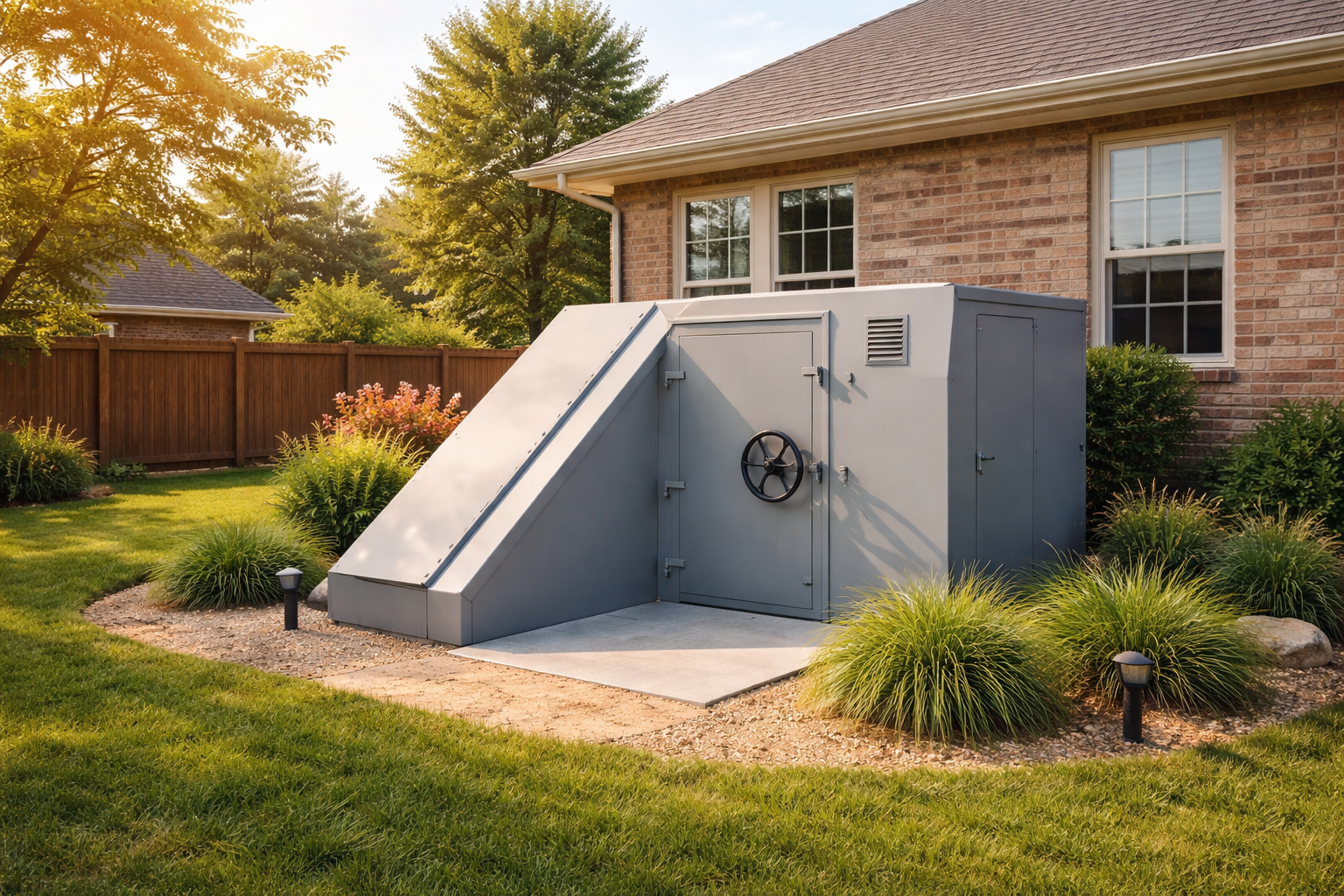
When severe weather strikes, most homeowners ask the same urgent question: Where do we go to stay safe? Tornadoes and extreme storms rarely provide much warning. In many parts of the country, families have only minutes to react. Unfortunately, not every home includes a basement, reinforced interior safe room, or structural protection designed to withstand violent winds.
For many households, remodeling the home to add protection feels overwhelming. Major construction projects can be expensive, disruptive, and time-consuming. Walls must be opened, foundations may need reinforcement, and daily life is interrupted for weeks.
That’s where a backyard storm shelter changes the conversation.
Instead of reworking your home’s structure, you can install a purpose-built protective unit outside your house, engineered specifically to withstand tornado-force winds and flying debris. Backyard storm shelters provide serious protection without demolition, interior remodeling, or sacrificing living space.
In this comprehensive guide, you’ll learn:
- How backyard storm shelters work
- The differences between above-ground and underground designs
- Installation steps and what to expect
- Real-world use cases
- Mistakes to avoid
- How to choose the right shelter for your property
If you want reliable storm protection without turning your home upside down, this guide will help you make a confident, informed decision.
Understanding What a Backyard Storm Shelter Really Is
A backyard storm shelter is a dedicated protective structure installed outside your home, typically in a yard, patio area, or near a garage. Unlike interior safe rooms, these shelters do not require structural changes to your house. They are standalone systems engineered to resist:
- Extreme wind speeds
- Flying debris impacts
- Rapid pressure changes
- Structural uplift forces
Modern backyard storm shelters are rigorously tested and often meet or exceed FEMA and ICC-500 standards for life-safety performance.
Why Homeowners Choose Outdoor Storm Protection
Many homes simply aren’t designed to support interior safe rooms. Basements are rare in some regions, and retrofitting a reinforced space inside an existing structure can be complicated.
An outdoor storm shelter eliminates those barriers. Instead of adapting your home to fit a shelter, you install a shelter built specifically for the job.
Benefits include:
- No interior demolition
- Faster installation
- Minimal disruption
- Long-term safety
- Preserved living space
For homeowners who want dependable protection without major construction, a backyard installation is often the most practical solution.
Above Ground vs. Underground: Choosing the Right Backyard Storm Shelter
When exploring backyard storm shelters, you’ll typically choose between two main categories:
- Above ground storm shelters
- In ground storm shelters
Both options provide life-saving protection when properly installed. The right choice depends on your yard, accessibility needs, and personal preference.
Above Ground Storm Shelters
Above ground tornado shelters are reinforced steel or composite structures anchored securely to a concrete slab. They are engineered to resist high winds and heavy debris impacts.
These tornado shelters above ground are especially popular for:
- Families with elderly members
- Individuals with mobility challenges
- Homes without excavation space
- Quick-access emergency needs
Because they sit at ground level, entry is simple and fast—an important factor during high-stress storm situations.
To explore professionally engineered models, homeowners often review options like those available through the Residential Shelter Collection and specialized Above Ground Residential Shelters.
Advantages of Above Ground Models
- No stairs required
- Easier accessibility
- Faster installation
- Ideal for high water table areas
For many families, prefabricated storm shelters in above-ground configurations offer the best combination of safety and convenience.
Underground and In Ground Storm Shelters
Underground storm shelters, sometimes called a tornado shelter underground, are installed below the surface of your yard. The surrounding earth provides natural reinforcement, while the structure itself is engineered for extreme impact resistance.
These in ground storm shelters are often chosen for:
- Discreet installations
- Traditional storm cellar preference
- Homeowners wanting minimal visible structure
Professional installers prepare the excavation carefully to ensure drainage, structural stability, and proper anchoring.
Homeowners interested in these models often compare solutions through the Underground Residential Shelter Options page.
Advantages of Underground Models
- Naturally insulated by soil
- Minimal visual impact
- Traditional design familiarity
Both above ground and underground storm shelters are highly effective when properly installed and certified.
How Backyard Storm Shelters Are Installed Without Remodeling
One of the biggest advantages of a backyard storm shelter is how little disruption it causes compared to home renovations.
1. Property Evaluation
Installers assess:
- Yard layout
- Soil type
- Drainage conditions
- Distance from the home
- Accessibility pathways
The goal is fast access during storms while maintaining structural safety.
Most homeowners choose a location near a back door, patio, or garage to minimize exposure during severe weather.
Pro Tip: Ensure there is a clear, well-lit pathway for nighttime emergencies.
2. Site Preparation
For above ground storm shelters, installers prepare and pour a reinforced concrete pad.
For underground storm shelters, excavation is limited to the shelter footprint. There is no need to alter:
- Interior walls
- Plumbing
- Electrical systems
- Foundation structure
This keeps the process far simpler than building a reinforced home storm shelter inside your house.
3. Professional Anchoring
Anchoring is critical. Certified installers use engineered anchor systems designed to resist:
- Uplift forces
- Impact pressure
- High-velocity debris
A shelter is only as strong as its installation. Professional anchoring ensures performance under real-world tornado conditions.
4. Final Safety Inspection
After installation:
- Doors are tested
- Ventilation systems are checked
- Locking mechanisms are verified
- Seal integrity is inspected
Within a short timeframe, your backyard storm shelter is fully operational—without altering your home’s interior.
Real-World Use Cases Across the United States
Backyard storm shelters are not just theoretical solutions—they are actively protecting families nationwide.
Suburban Neighborhoods Without Basements
In many southern and central states, basements are uncommon. Instead of costly structural retrofits, homeowners install backyard storm shelters for immediate, reliable protection.
Rural Properties
Detached homes, mobile residences, and rural properties often lack interior reinforcement options. An outdoor shelter provides fast access and reliable safety close to the home.
Growing Families
Parents want dedicated safety spaces for children and pets. A properly sized backyard storm shelter ensures no one is left scrambling for space during emergencies.
For homeowners evaluating multiple configurations, browsing the full Storm Shelter Product Line can help compare capacity and design options.
Common Mistakes to Avoid When Installing Backyard Storm Shelters
Even the strongest shelter must be chosen and installed correctly. Here are key mistakes to avoid:
1. Ignoring Certification Standards
Always select backyard storm shelters that meet FEMA and ICC-500 standards. Certification ensures performance under real storm conditions.
2. Poor Placement Planning
A shelter placed too far from your home increases risk during severe weather. Accessibility should always be a top priority.
3. Attempting DIY Installation
Improper anchoring can compromise safety. Professional installation is essential.
4. Choosing the Wrong Size
Plan for your entire household, including pets and occasional guests. A cramped shelter can increase stress during emergencies.
5. Overlooking Alternative Placement Options
Some homeowners consider indoor solutions like garage installations. For comparison insights, review this guide on a garage storm shelter installation.
Avoiding these mistakes ensures your investment delivers reliable protection year after year.
Why Backyard Storm Shelters Make Financial and Practical Sense
When comparing remodeling costs to installing a backyard storm shelter, the difference is significant.
Remodeling often involves:
- Structural engineering
- Demolition
- Utility relocation
- Weeks of disruption
- Higher labor costs
By contrast, prefabricated storm shelters are engineered in advance, delivered ready for installation, and secured professionally in a fraction of the time.
You avoid:
- Dust and debris inside your home
- Extended construction timelines
- Major structural limitations
- Loss of interior space
Instead, you gain a dedicated, purpose-built safety system.
For many families, that tradeoff is an easy decision.
Long-Term Maintenance and Preparedness
Backyard storm shelters are low maintenance, but periodic checks are recommended:
- Inspect door seals
- Test locking mechanisms
- Ensure ventilation remains clear
- Confirm pathway access remains unobstructed
Regular inspection ensures your shelter remains ready when severe weather strikes.
Preparedness also includes:
- Keeping emergency supplies inside
- Storing flashlights and batteries
- Reviewing entry procedures with family members
- Conducting occasional safety drills
A shelter is most effective when everyone knows how and when to use it.
Frequently Asked Questions About Backyard Storm Shelters
1. Is a backyard storm shelter safe during a tornado?
Yes. Properly installed backyard storm shelters are engineered to withstand extreme winds and debris impacts. Most certified models meet or exceed FEMA and ICC-500 standards.
2. How close should the shelter be to the house?
Ideally, it should be as close as possible while maintaining safe placement. Many homeowners install them near back doors or patios for quick access.
3. Do backyard storm shelters require permits?
Permit requirements vary by region. Professional installers typically handle compliance and permitting to ensure local regulations are met.
4. Can a backyard storm shelter fit on small properties?
Yes. Compact models are available for limited yard space while still meeting safety standards.
5. How long does installation take?
Most backyard storm shelter installations are completed far faster than remodeling projects. Timeframes vary depending on site conditions and model selection, but disruption is minimal compared to interior construction.
Final Thoughts: Is a Backyard Storm Shelter Right for You?
A backyard storm shelter offers one of the most practical ways to protect your family from severe weather without remodeling your home. Whether you choose above ground storm shelters, in ground storm shelters, or a tornado shelter underground, today’s engineered systems provide reliable, tested protection.
You gain:
- Peace of mind
- Minimal installation disruption
- Preserved living space
- Long-term safety
When storms threaten, having a dedicated shelter just steps from your door can make all the difference.
If you're ready to take the next step toward reliable storm protection, exploring professionally engineered backyard storm shelters tailored to your property is a smart move. A properly installed solution can provide decades of life-saving security, without changing the way you live inside your home.