
Above-Ground Storm Shelters: Why More Families Are Choosing Them
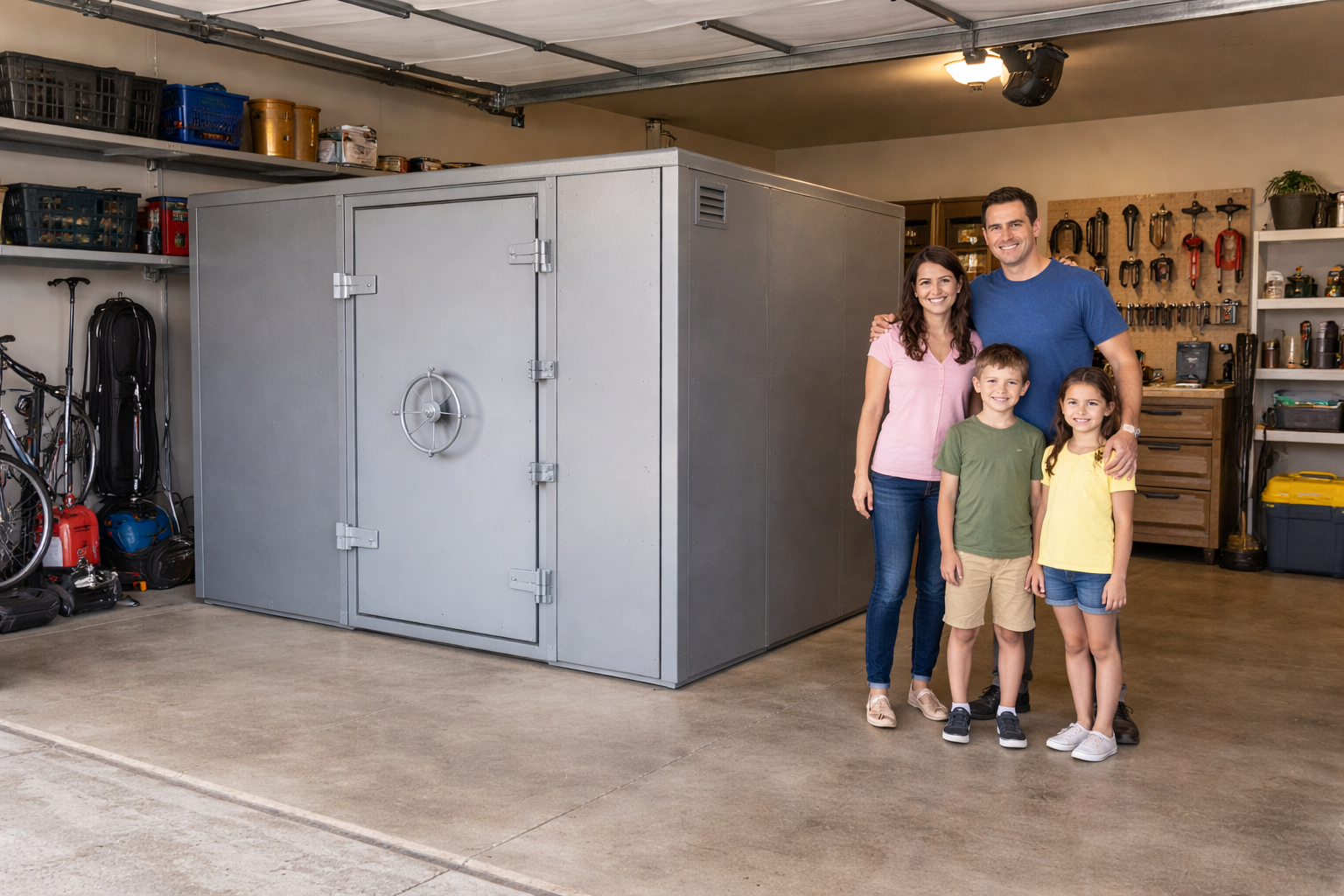
Fast, Accessible Protection When Every Second Counts
When tornado warnings are issued, there is rarely time for hesitation. Families must move quickly, calmly, and safely. In those moments, accessibility and reliability matter just as much as strength. While underground shelters were once considered the default option, many homeowners are now choosing an above ground storm shelter for faster access and greater ease of use.
This shift is driven by real-world concerns. Some households include seniors or individuals with mobility challenges. Others live in areas where flooding or high groundwater makes below-ground installation risky. Many homeowners simply want a solution that can be reached in seconds without stairs, ladders, or heavy cellar doors. For these reasons and more, above ground storm shelters are becoming a preferred solution across the United States.
In this guide, you will learn what an above ground storm shelter is, how it protects families during tornadoes, how it compares to underground options, and what to consider before installation. By the end, you will have a clear understanding of whether this type of home storm shelter fits your safety needs and your property.
What Is an Above Ground Storm Shelter?
An above ground storm shelter is a reinforced safe room installed at ground level and designed to protect occupants during tornadoes and severe storms. Unlike underground shelters, these units do not require excavation. Instead, they are anchored directly to a concrete foundation and constructed from heavy-duty materials, most commonly steel.
Most modern tornado shelters above ground are engineered to meet or exceed FEMA and ICC-500 standards. These certifications mean the shelter has been tested to withstand extreme wind speeds and debris impacts associated with powerful tornadoes.
Common installation locations include garages, interior rooms, patios, carports, and exterior concrete pads. A popular option is the above ground garage storm shelter, which allows families to move directly from living space to safety without going outdoors during dangerous weather.
Key characteristics include:
- Ground-level entry with no stairs
- Heavy-gauge steel or reinforced concrete construction
- Secure anchoring to concrete foundations
- Certified resistance to wind and debris
These features make an above ground tornado shelter both practical and highly effective.
Why Above-Ground Storm Shelters Are Growing in Popularity
The increasing adoption of above ground storm shelters reflects changes in household needs, technology, and awareness. Families are prioritizing solutions that are not only strong but also realistic to use under stress.
Accessibility for Every Family Member
One of the most significant advantages of a storm shelter above ground is ease of entry. During a tornado warning, stress levels are high and time is limited. Ground-level access eliminates the need to descend stairs or ladders, which can be dangerous in heavy rain or darkness.
This is especially important for:
- Seniors
- Children
- Individuals with disabilities
- Families with pets
An indoor tornado shelter installed in a garage or interior space allows everyone to reach safety quickly and safely.
No Flooding Concerns
Flooding is a real risk for underground shelters in many regions. Heavy rain often accompanies tornadoes, increasing the chance of water intrusion. With an above ground storm shelter, this concern is eliminated entirely.
Homeowners in flood-prone or high-water-table areas often find above ground options to be the safest and most practical choice.
Faster Installation and Less Disruption
Installing an underground shelter typically requires excavation, soil analysis, drainage systems, and longer timelines. In contrast, an above ground storm shelter can often be installed much more quickly.
Because there is no digging involved, property disruption is minimal. This makes above ground shelters appealing for homeowners who want protection without a major construction project.
How Above-Ground Storm Shelters Protect During Tornadoes
Understanding how these shelters work helps explain why they are trusted in severe weather.
Reinforced Steel Construction
Most steel storm shelters use heavy-gauge steel panels that form a rigid, unified structure. Walls, ceiling, and door systems are engineered together to absorb and deflect impact forces.
Steel is especially effective at resisting penetration from flying debris, which is the leading cause of injury during tornadoes.
Secure Anchoring Systems
Anchoring is just as important as the shelter itself. Above ground storm shelters are bolted directly into concrete slabs using high-strength anchors. This prevents uplift, sliding, or movement during extreme winds.
When properly installed, the shelter remains stable even if the surrounding structure is damaged.
Impact Testing and Certification
Certified above ground tornado shelters are tested using simulated debris impacts at high speeds. These tests replicate real tornado conditions and ensure the shelter maintains its protective envelope.
Certification provides confidence that the shelter will perform as intended during life-threatening storms.
Interior Safety Features
Modern shelters include ventilation systems, inward-opening doors, and sufficient interior space for occupants. These features ensure:
- Adequate airflow
- Safe exit even if debris blocks the exterior
- Reduced panic and discomfort
Comfort may not seem critical, but during extended sheltering, it plays an important role in safety and usability.
Above Ground Storm Shelter vs Underground Options
Choosing between an above ground and underground shelter depends on household needs and property conditions.
Advantages of Above Ground Storm Shelters
- Faster access during emergencies
- No flooding risk
- Easier entry for all occupants
- Minimal installation disruption
Considerations for Underground Shelters
- May require stairs or ladders
- Potential water intrusion if drainage fails
- More complex installation
While underground shelters offer natural insulation, many families find that the accessibility and practicality of an above ground storm shelter better align with real-world emergency scenarios.
To better understand these differences, homeowners often compare shelters with safe rooms. A helpful resource is storm shelter vs safe room, which explains how each option functions.
Installation Options and Placement
Placement flexibility is one of the strongest advantages of above ground shelters.
Garage Installations
An above ground garage storm shelter is one of the most popular choices. It offers:
- Immediate access from the home
- Protection without altering living space
- Easy integration into existing layouts
Interior Installations
Some homeowners choose to install an indoor tornado shelter within the home. This option keeps occupants fully indoors during storms and can be incorporated into utility rooms or closets.
Exterior Installations
Exterior installations on concrete pads are common in rural or spacious properties. These shelters are still quick to access and avoid underground risks.
Professional installers evaluate the foundation, space, and accessibility before recommending the best placement.
Materials Used in Above Ground Storm Shelters
Material choice plays a critical role in performance and longevity.
Steel Storm Shelters
Steel is the most common material due to its strength and durability. Steel storm shelters resist corrosion when properly treated and provide excellent impact resistance.
Concrete Safe Rooms
Some above ground shelters use reinforced concrete. These are extremely strong but may require more space and longer installation times. Concrete options are often compared alongside concrete safe rooms.
Choosing the Right Material
The best material depends on:
- Space availability
- Budget
- Installation location
- Personal preference
Both steel and concrete can meet safety standards when properly engineered.
Real-World Use Cases Across the United States
Above ground storm shelters are used in a wide range of settings.
In suburban neighborhoods, families often install shelters in garages to balance safety and convenience. In rural areas, exterior shelters provide protection near homes, barns, or workshops.
Multi-generational households benefit from ground-level access that accommodates everyone equally. In each case, the consistent benefit is quick, reliable protection without barriers.
Choosing the Right Provider
Selecting an experienced provider is essential. Companies like Steadfast Storm Shelters specialize in engineered solutions that meet strict safety standards.
Homeowners can explore:
Visiting the main Steadfast Storm Shelters website provides an overview of available models and professional installation services.
Best Practices and Common Mistakes to Avoid
To ensure long-term safety and performance:
- Choose FEMA and ICC-500 certified shelters
- Prioritize professional installation
- Consider accessibility for all occupants
- Avoid placing shelters on weak or unreinforced foundations
Cutting corners during selection or installation can compromise safety when it matters most.
Final Thoughts on Above Ground Storm Shelters
An above ground storm shelter offers a powerful combination of strength, accessibility, and practicality. For many families, it removes the obstacles that once made storm protection difficult or unrealistic.
With advanced engineering, flexible placement, and fast access, above ground shelters provide dependable protection during severe weather. When chosen carefully and installed professionally, they become a long-term safeguard you can trust.
Frequently Asked Questions About Above-Ground Storm Shelters
Are above ground storm shelters really safe?
Yes. Certified shelters are tested to withstand extreme winds and flying debris associated with powerful tornadoes.
Where can an above ground storm shelter be installed?
They can be installed in garages, inside homes, patios, carports, or on exterior concrete pads.
How long does installation take?
Many above ground storm shelters can be installed quickly, often faster than underground options, depending on site conditions.
Is an above ground storm shelter better than an underground one?
For many families, yes. Faster access, no flooding risk, and easier entry make above ground shelters more practical.
Do above ground storm shelters require maintenance?
Maintenance is minimal and usually limited to periodic inspections of doors, anchors, and ventilation systems.