
Can Storm Shelters Fail in Tennessee?
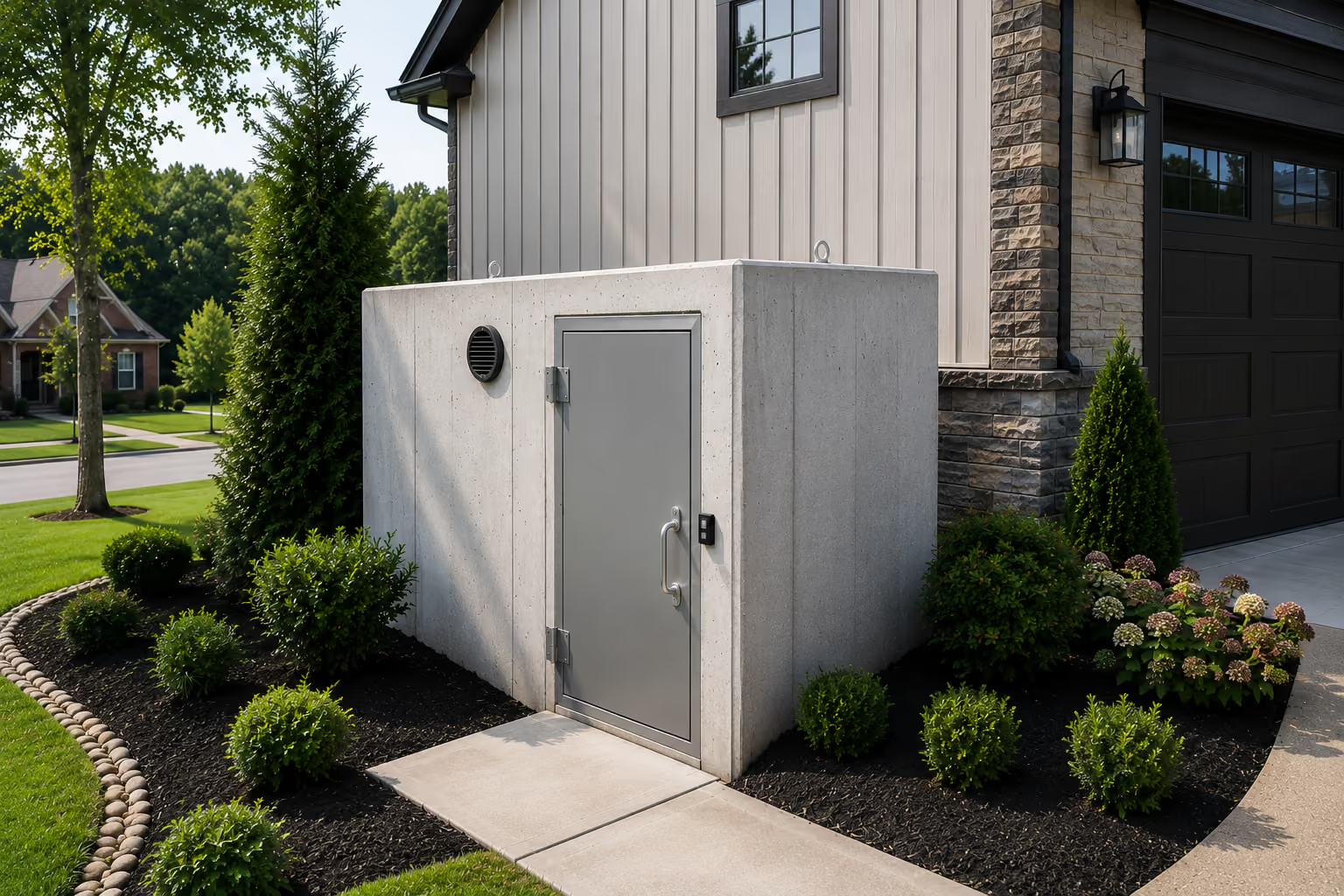
One of the most important questions a homeowner can ask before purchasing a shelter is:
"Can a storm shelter fail?"
The honest answer is yes—but failures are typically associated with poor design, improper installation, inadequate anchoring, unsuitable site conditions, or lack of engineering, not the concept of a storm shelter itself.
A professionally engineered and properly installed storm shelter is designed to provide protection during extreme weather. That's why choosing a reputable manufacturer and experienced installer is just as important as selecting the shelter itself.
For Tennessee homeowners, understanding what contributes to storm shelter performance can help you purchase with confidence rather than fear.
Not Every Shelter Failure Is the Same
When people hear the phrase storm shelter failure, they often imagine the entire shelter collapsing.
In reality, failures can involve many different issues, including:
- Improper anchoring
- Incorrect installation
- Water management problems
- Door or hardware issues
- Damage caused by improper maintenance
- Installation on unsuitable sites
These situations highlight why the entire shelter system—including installation—is just as important as the shelter itself.
Installation Is Just as Important as the Shelter
Even a high-quality shelter depends on proper installation.
Professional installers evaluate factors such as:
- Foundation conditions
- Soil stability
- Drainage
- Available space
- Local building conditions
- Access for installation equipment
A shelter that is appropriate for one property may not be the best solution for another.
That is why reputable installers begin with the property—not simply the product.
Why Engineering Is So Important
Modern storm shelters are engineered systems.
Rather than focusing only on thick walls or heavy materials, engineers consider how the complete shelter performs under extreme conditions.
This includes:
- Structural design
- Anchoring methods
- Door systems
- Connections
- Installation requirements
- Occupant safety
When comparing shelters, homeowners should look beyond marketing claims and ask how the shelter has been engineered for residential tornado protection.
Concrete Storm Shelters
Many Tennessee homeowners choose concrete storm shelters because of their durability, substantial construction, and long service life.
When professionally manufactured and installed, concrete shelters are designed to provide dependable protection during severe weather.
As with any shelter type, proper installation, site preparation, and engineering remain essential.
Every Tennessee Property Is Different
Tennessee's geography varies significantly across the state.
Installation considerations may include:
- Clay soils
- Rocky terrain
- Sloping lots
- Drainage patterns
- Existing utilities
- Foundation type
- Available installation access
These factors influence which shelter type is most appropriate and how it should be installed.
For homeowners researching Tennessee storm shelters, a professional site evaluation is one of the most valuable parts of the buying process.
Questions Every Buyer Should Ask
Rather than asking only whether a shelter can fail, ask questions like:
- Is this shelter appropriate for my property?
- How is it anchored?
- What installation methods are used?
- What engineering standards does it meet?
- Who performs the installation?
- How is my specific site evaluated?
These questions provide far more useful information than simply comparing prices.
Common Causes of Storm Shelter Problems
Most reported storm shelter issues are not caused by tornadoes overwhelming a properly engineered shelter. Instead, they are often related to avoidable factors before the storm ever arrives.
Potential causes include:
- Improper installation
- Incorrect anchoring
- Unsuitable foundation conditions
- Poor drainage planning
- Lack of routine maintenance
- Choosing a shelter that isn't appropriate for the property
This is why experienced installers spend time evaluating the installation site before recommending a specific shelter.
A properly matched shelter and installation plan can significantly reduce the likelihood of future problems.
Misconceptions About Storm Shelter Failure
Several misconceptions can make homeowners hesitant to invest in a storm shelter.
Myth: Storm Shelters Regularly Fail
No.
Properly engineered and professionally installed storm shelters are designed specifically to protect occupants during severe weather.
When problems do occur, they are often related to installation quality, site conditions, or using a shelter outside of its intended application—not because storm shelters are inherently unreliable.
Myth: Heavier Automatically Means Safer
Weight alone doesn't determine performance.
The overall engineering of the shelter—including the structure, anchoring system, door, and installation—is what matters most.
A well-designed shelter functions as a complete system rather than simply relying on heavy materials.
Myth: Every Property Can Use the Same Shelter
Every Tennessee property is different.
Factors such as slope, soil type, drainage, available space, and foundation conditions all influence which shelter is the best fit.
That's why a one-size-fits-all recommendation rarely produces the best outcome.
How to Reduce the Risk of Problems
The best way to reduce the likelihood of future issues is to choose a shelter that's appropriate for your home and have it professionally installed.
Before purchasing, ask your installer:
- Which shelter do you recommend for my property?
- Why is that model the best fit?
- How will my installation site be evaluated?
- What maintenance is recommended?
- What factors could affect installation?
A quality installer should be able to explain these recommendations clearly and confidently.
If you're comparing all storm shelter options, focus on how well each solution matches your property's needs rather than choosing based solely on price.
Explore all storm shelter options to compare available solutions.
Storm Shelter Considerations for Murfreesboro Homeowners
Homeowners in Murfreesboro and throughout Middle Tennessee often have a variety of property types, from suburban neighborhoods with attached garages to larger rural properties with more installation flexibility.
Each property presents different considerations, including:
- Available installation space
- Soil conditions
- Drainage
- Accessibility
- Household size
- Long-term plans for the property
A professional site evaluation helps determine which shelter type is the best fit for your specific situation.
Learn more about storm shelters in Murfreesboro and surrounding service areas.
The Greater Risk Is Having No Shelter at All
It's understandable to ask difficult questions before making an important investment.
But while homeowners sometimes worry about whether a storm shelter could fail, the far more immediate danger during a tornado is having no dedicated place of protection.
Choosing a professionally engineered shelter, having it properly installed, and preparing before severe weather season provides far greater peace of mind than waiting until a warning is issued.
Need Help Choosing the Right Storm Shelter?
Every home and every property is different.
Our team can evaluate your property, explain your options, answer your questions about installation and safety, and recommend the shelter that best fits your family's needs.