
Do Storm Shelters Flood? What Tennessee Homeowners Need to Know
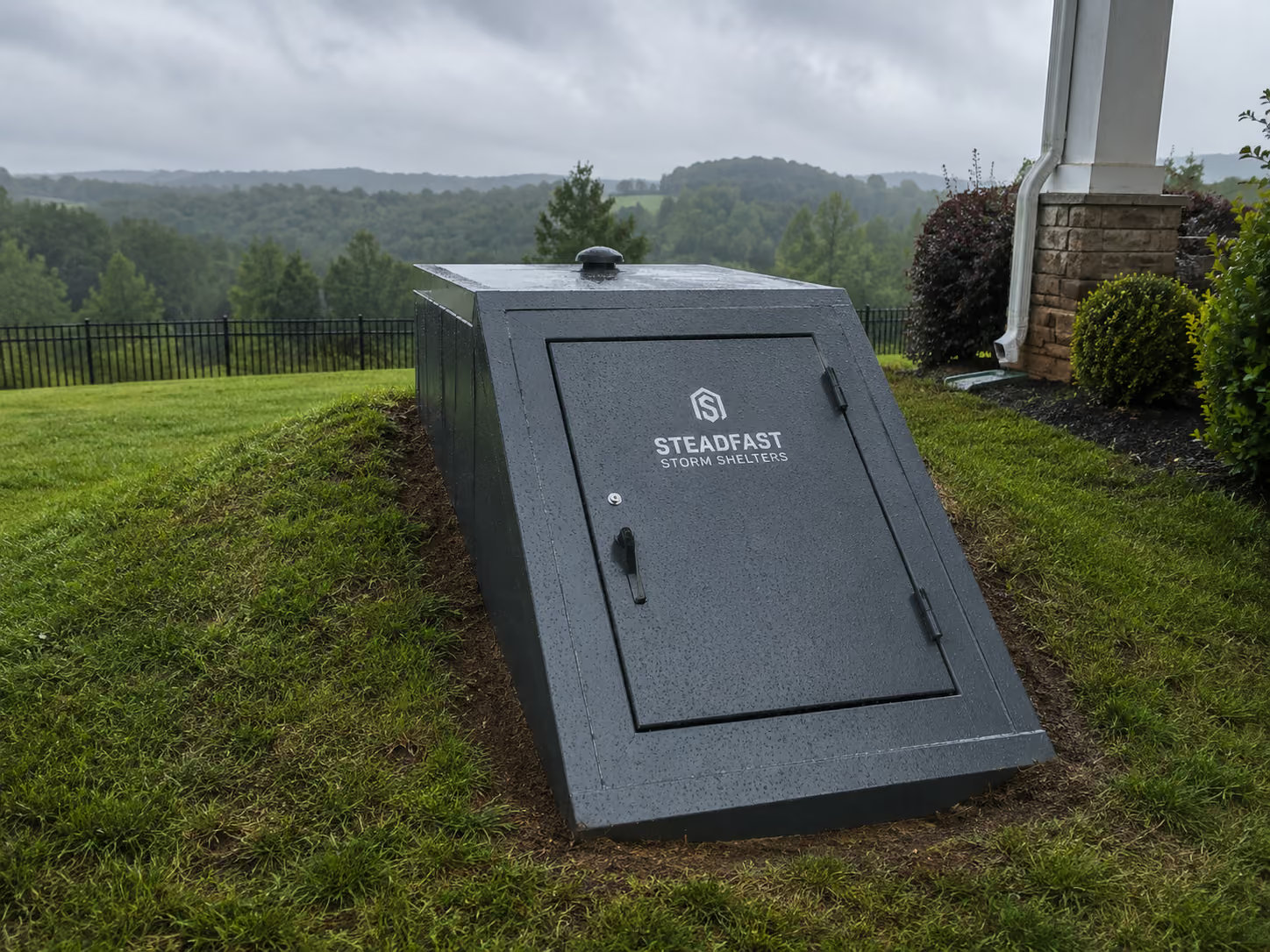
Standard storm shelters can flood if they are poorly engineered or installed in areas with high water tables, but a professionally installed, FEMA-compliant unit is designed to remain bone-dry.
For many Tennessee families, the fear of an underground storm shelter flooding is a significant barrier to installation, especially in regions prone to heavy seasonal rains. This concern matters because a damp or flooded shelter isn't just uncomfortable; it can lead to structural corrosion, mold growth, and a loss of reliability when you need it most.
In this guide, you will learn why a tornado shelter floods under certain conditions, how to identify high-risk soil areas, and the specific engineering features that keep shelter dry regardless of the weather. By the end, you’ll be able to confidently choose the right shelter type for your property’s unique geography.
Let’s start by looking at the mechanical and environmental factors that impact water resistance.
Understanding Water Resistance in Modern Storm Shelters
The question "do storm shelters flood" is one of the most critical technical concerns for homeowners investing in life-safety infrastructure. Essentially, flooding in a shelter occurs when the hydrostatic pressure of the surrounding groundwater exceeds the structural integrity of the unit's seals or material.
In practical terms, a high-quality shelter acts like a submarine hull; it must be completely watertight and capable of displacing water without allowing moisture to seep through seams, doors, or ventilation points.
For property owners in Tennessee, understanding this matters because the state's diverse geography—ranging from the high water tables of the Tennessee Valley to the dense clay of the Highland Rim—presents unique challenges for subterranean structures.
If you choose an inferior unit, an underground storm shelter flooding can lead to the destruction of stored emergency supplies and compromise the anchoring system due to soil saturation. By prioritizing FEMA-compliant engineering, you ensure that your investment provides a dry, safe environment that is ready for immediate occupancy at any time of year.
The benefits of a moisture-resistant installation include:
- Long-Term Durability: Preventing rust in steel units and spalling in concrete units, extending the life of the structure for decades.
- Hygienic Living Conditions: Eliminating the risk of mold and mildew, which can cause respiratory issues during extended stays in the shelter.
- Operational Readiness: Ensuring that electrical components and seating remain functional and dry.
A common misconception is that all underground units are naturally prone to leaking. However, by reviewing the different shelter types, you will find that modern coal-tar epoxies and reinforced seals have made "wet shelters" a thing of the past for those who choose professional-grade solutions.
Why Underground Storm Shelters Leak and How to Prevent It
While the primary concern for most families is wind speed, the reality is that water management is the most frequent technical challenge for subterranean units. To answer "do storm shelters flood" accurately, one must look at the intersection of material science and local geology.
If a unit is built using subpar materials or installed without proper site preparation, water ingress is almost inevitable. However, by selecting a professionally engineered shelter, you are investing in a system designed to repel moisture even in the most saturated Tennessee soils.
The Role of Hydrostatic Pressure
When it rains heavily, the soil around an underground unit becomes saturated, creating hydrostatic pressure. This pressure pushes against the walls and floor of the structure. If the unit has weak seams or porous walls, the water will find the path of least resistance. This is often how an underground storm shelter flooding event begins—not as a sudden rush of water, but as a slow, persistent seepage that eventually pools on the floor.
Poor Sealants and Inferior Materials
One of the most common reasons a homeowner might ask "can a tornado shelter flood" is after seeing older, DIY, or "economy" models fail. These units often rely on basic caulking or thin paint that eventually cracks under the natural expansion and contraction of the earth.
High-performance steel units, by contrast, utilize multi-stage welding and industrial coal-tar epoxy coatings. These coatings create a chemical bond with the metal that is specifically designed for long-term burial, ensuring the exterior remains impervious to rust and water penetration.
Strategic Site Selection and Drainage
The environment where the shelter is placed is just as important as the structure itself. To keep shelter dry, the installation team must assess the property's natural drainage patterns.
- Elevated Placement: Whenever possible, shelters should be installed in higher areas of the yard to allow surface water to shed away from the entrance.
- Grading and Backfilling: During the 3-step installation process, professional teams ensure the soil is sloped away from the unit. This prevents water from "ponding" on top of the door or around the ventilation pipes.
- Soil Composition: In areas with heavy clay, which holds water longer, additional gravel or drainage layers may be used during the backfill process to relieve pressure on the unit’s hull.
Above-Ground Alternatives for High-Water Tables
In some specific parts of Tennessee where the water table is exceptionally high or the area is prone to flash flooding, the best way to prevent moisture issues is to move above ground.
Above-ground reinforced concrete units or steel safe rooms offer the same EF-5 rated protection without the environmental risks associated with burial. You can find detailed answers regarding these alternatives in our learning center, which helps homeowners determine if their soil conditions are better suited for an above-ground installation.
By understanding these factors, you can move away from the uncertainty of a damp cellar and toward a life-safety solution that remains dry, clean, and ready for use. Whether you choose an underground steel unit or an above-ground safe room, the goal is a moisture-free environment that preserves your emergency supplies and provides absolute peace of mind.
Protecting Your Investment: Real-World Waterproofing Scenarios
Seeing how these engineering principles perform during a Tennessee storm season helps clarify how a professional installation prevents moisture issues. These real-world scenarios demonstrate the importance of matching your shelter choice to your property’s specific environmental demands.
- The Low-Lying Suburban Lot: A homeowner in a flood-prone area of Middle Tennessee was worried that an underground storm shelter flooding would occur during spring downpours.
After a site assessment, they opted for an above-ground steel safe room anchored to their garage slab instead of a buried unit. The outcome was a perfectly dry, EF-5 rated refuge that remained accessible even when the yard experienced significant standing water.
- The Saturated Clay Backyard: A family in East Tennessee required an underground unit to save yard space but feared that the dense, water-retaining clay soil would cause seepage.
By choosing a unit with a multi-stage coal-tar epoxy coating and professional backfilling, they successfully kept their interior bone-dry throughout the year. The industrial-grade sealant acted as a permanent moisture barrier, protecting their emergency electronics and seating.
- The New Construction Upgrade: A developer building a home on a sloped lot integrated an underground steel shelter with a custom drainage plane. This proactive grading ensured that runoff was diverted away from the entrance, preventing the "ponding" effect that often leads to leaks in poorly planned installations.
These examples show that whether you are dealing with high water tables or heavy rainfall, a strategic approach to installation can keep shelter dry and reliable. No matter your land's layout, there is a technical solution that ensures your safety doesn't come with a moisture problem.
Maintenance and Inspection Tips to Keep Your Shelter Dry
Applying these professional insights is the best way to move from a basic understanding of water resistance to maintaining a long-term, moisture-free refuge. Taking a proactive approach ensures that your unit remains a point of absolute security rather than a maintenance headache during the wet Tennessee spring.
- Monitor Exterior Grading and Soil Subsidence: Over the first year, soil naturally settles around a new installation. If you notice a depression or "bowl" forming around your entrance, add soil to re-establish a positive slope away from the unit.
This prevents surface water from pooling on top of the door seal, which is the most common cause for people to ask, "can a tornado shelter flood."
- Inspect and Lubricate Door Gaskets Annually: To keep shelter dry, the rubber gaskets around the hatch or door must remain flexible and crack-free. Apply a thin layer of silicone lubricant to the seals every six months to prevent them from drying out in the summer heat.
A healthy seal is your primary defense against wind-driven rain and ensures the structural integrity of your entrance.
- Keep Ventilation Pipes Clear and Capped: Ensure that your air vents are unobstructed by overgrown grass or debris and that the protective caps are securely in place.
If water is allowed to enter through the ventilation system, it can mimic the appearance of an underground storm shelter flooding from a leak. Regularly check these points as part of your seasonal home safety maintenance routine.
Following these practical steps ensures your life-safety system remains in peak operational condition, allowing you to focus on your family's safety rather than worrying about the weather's impact on your property.
Ensuring a Dry and Secure Life-Safety Solution
While homeowners often worry, "do storm shelters flood," the reality is that professional engineering and site preparation make water intrusion a non-issue. You now understand that by prioritizing high-quality coal-tar epoxy coatings and strategic property grading, you can keep shelter dry and functional regardless of Tennessee's heavy rainfall.
Whether you choose an underground steel unit or an above-ground safe room, the key to a moisture-free environment lies in expert installation and long-term maintenance.
Taking these proactive steps today ensures that when a storm hits, you are moving into a clean, dry, and safe refuge. Investing in a certified, veteran-installed solution provides the peace of mind that your family's protection will never be compromised by seasonal flooding or high water tables.
To find the perfect moisture-resistant configuration for your property, compare our shelter types or contact the experts at Steadfast Storm Shelters for a comprehensive site assessment.
Essential Insights: Do Storm Shelters Flood?
Can a tornado shelter flood during a flash flood?
Yes, any structure submerged in deep water can face ingress, but a professionally installed unit is engineered to resist standard groundwater pressure. To avoid underground storm shelter flooding, we recommend placing units in elevated areas of your yard with positive drainage.
If your property is in a known flood zone, an above-ground safe room is often the better choice to ensure you stay protected and dry.
How do I know if my soil is safe for an underground unit?
Soil composition plays a massive role in whether do storm shelters flood in your specific area. In Tennessee, heavy clay or rocky soil can trap water against the unit's walls, increasing hydrostatic pressure.
Our team performs a site assessment to check for high water tables and soil saturation levels. You can find more about these technical requirements in our Learning Center to help determine your site's readiness.
What engineering features keep a storm shelter dry?
We use a combination of continuous multi-pass welds and industrial coal-tar epoxy coatings to create a moisture-proof barrier. Unlike basic paint, this thick, chemical-resistant coating prevents the rust and seepage that often leads to an underground storm shelter flooding over time.
Additionally, reinforced hatch seals and raised ventilation pipes ensure that surface runoff cannot find its way inside the structure during a heavy downpour.
What should I do if I find moisture in my shelter?
Small amounts of condensation are normal in humid climates, but standing water indicates a seal or drainage issue. First, check that your door gaskets are clear of debris and that your yard’s grading hasn't shifted to allow "ponding" on top of the unit.
If the moisture persists, it’s vital to have a professional inspection to ensure your life-safety system remains structurally sound and ready for an emergency.