
Best Underground Storm Shelters for Homes in Tennessee
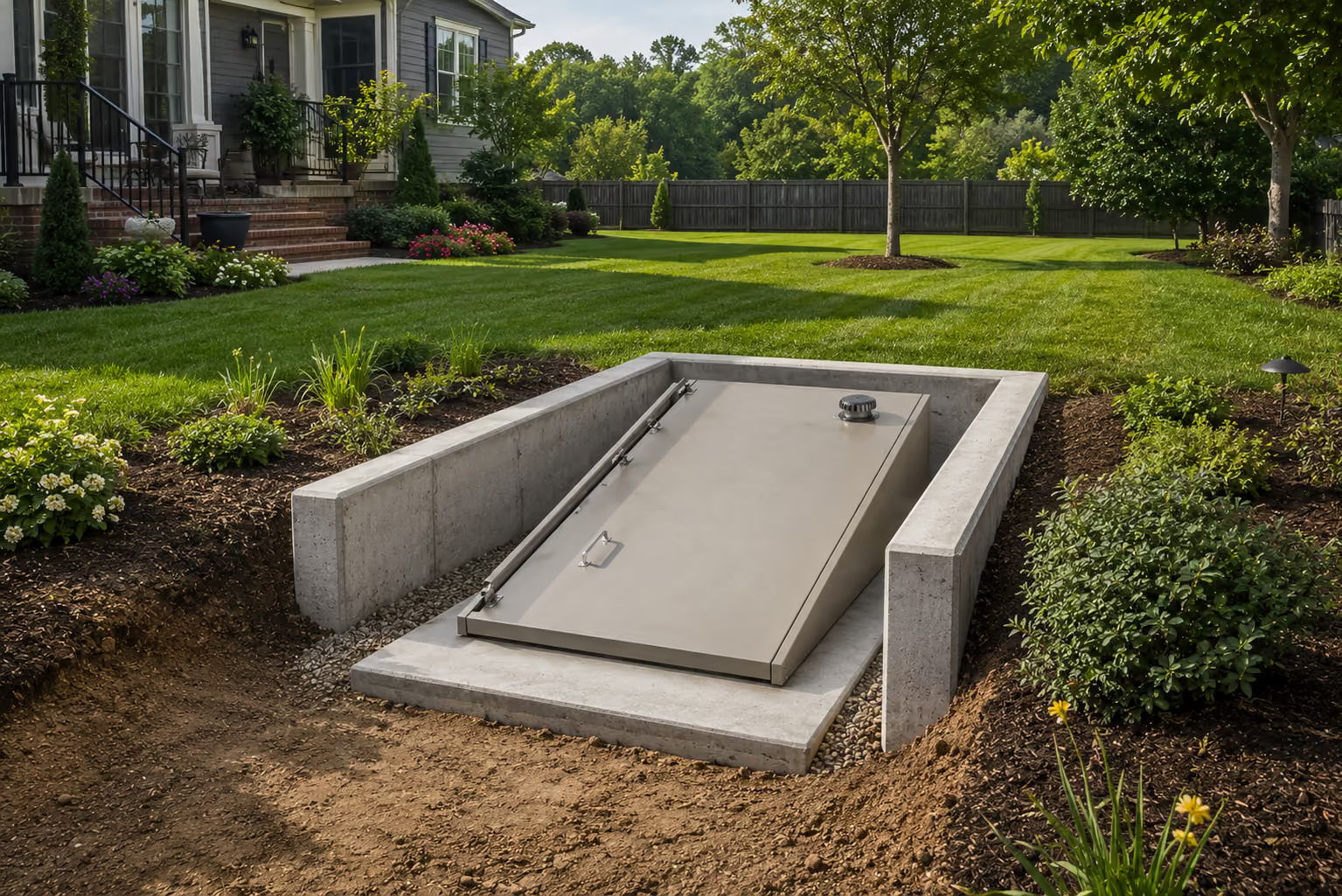
When Tennessee residents begin shopping for a storm shelter, one of the first questions they ask is:
"What's the best underground storm shelter for my home?"
The answer depends on your property, soil conditions, available space, family size, drainage, and budget—not simply which shelter costs the least.
Across Tennessee, homeowners experience severe thunderstorms, tornadoes, straight-line winds, and remnants of tropical systems that can produce dangerous weather with little warning. Whether you live in Middle Tennessee, West Tennessee, or portions of East Tennessee, an underground storm shelter can provide excellent protection when properly engineered and professionally installed.
If you're comparing underground shelters, this guide explains the different types available, their advantages, installation considerations, and how to determine which option is the best fit for your property.
Why Many Tennessee Homeowners Choose Underground Storm Shelters
Underground shelters remain popular because they provide excellent protection while remaining largely hidden from view.
Many homeowners appreciate that underground shelters:
- Offer exceptional tornado protection
- Stay naturally cooler underground
- Preserve the appearance of the yard
- Can often be installed near garages or homes
- Require very little maintenance when properly installed
For homeowners with adequate yard space and suitable soil conditions, underground shelters continue to be one of the most trusted forms of residential tornado protection.
Learn more about our available underground storm shelters.
What Makes an Underground Shelter "Best"?
There isn't one universal answer.
Instead, the best underground storm shelter is the one that matches your property and family.
Important considerations include:
- Family size
- Accessibility
- Property drainage
- Soil conditions
- Available installation area
- Local terrain
- Long-term durability
- ICC-500 compliance
Professional site evaluation is often the most important part of selecting the right shelter.
Concrete Underground Storm Shelters
For many Tennessee homes, precast concrete shelters are among the best long-term solutions.
Benefits include:
- Exceptional structural strength
- Long service life
- Low maintenance
- Excellent resistance to corrosion
- Stable interior temperatures
- Heavy construction that resists movement
Many homeowners choose concrete storm shelters because they provide durable protection with minimal ongoing maintenance.
Learn more about our concrete storm shelters.
Tennessee Soil and Drainage Matter More Than Many People Realize
Unlike choosing a shed or garage, underground shelter installation depends heavily on the property itself.
Important factors include:
- Clay soils
- Sandy soils
- Rock depth
- Slope
- Groundwater
- Surface drainage
- Existing utilities
- Septic systems
- Tree roots
Every installation should account for how water moves across the property.
Poor drainage planning can create unnecessary maintenance issues regardless of shelter type.
Common Installation Locations
Many Tennessee homeowners install underground shelters in:
- Backyards
- Side yards
- Garages (where compatible)
- Detached garages
- Workshops
- Barns
- Shops
The best location balances:
- Fast access
- Proper drainage
- Safe excavation
- Utility clearance
- Everyday convenience
Choosing the Right Size
Buying too small is one of the biggest mistakes homeowners make.
Consider:
- Current family members
- Future children
- Elderly parents
- Pets
- Emergency supplies
- Mobility needs
A shelter should comfortably accommodate everyone who may need protection during a tornado warning.
Accessibility Considerations
Underground shelters require stairs or ladder-style entry.
Ask yourself:
- Can elderly family members safely enter?
- Does anyone have mobility limitations?
- Will young children need assistance?
- Is quick access possible during heavy rain?
If accessibility is a concern, an above-ground safe room may be a better fit.
Maintenance Expectations
A quality underground shelter generally requires little maintenance.
Periodic recommendations include:
- Inspect door seals
- Check hardware
- Keep drainage areas clear
- Remove debris from entrances
- Test ventilation components
- Keep emergency supplies updated
Routine inspections help ensure the shelter remains ready when needed.
Are Underground Shelters Safe During Heavy Rain?
This is one of the most common concerns Tennessee homeowners have.
The answer depends on proper installation.
Professional installers evaluate:
- Site grading
- Surface runoff
- Drainage patterns
- Soil conditions
- Excavation depth
- Water management
A properly planned installation greatly reduces the risk of water-related problems.
Underground vs. Above-Ground Shelters
Both shelter types can provide outstanding tornado protection when properly engineered.
Underground shelters may be ideal if you:
- Have suitable yard space
- Prefer a hidden installation
- Want naturally cool temperatures
- Have good drainage conditions
Above-ground shelters may be better if:
- Accessibility is important
- Excavation is difficult
- Rock prevents underground installation
- Mobility limitations exist
A professional consultation can help determine which option fits your property best.
Find the Best Underground Shelter for Your Tennessee Property
Every property is different, and the best underground storm shelter depends on your home's layout, soil conditions, drainage, accessibility needs, and the number of people you want to protect.
Our team can help evaluate your property, explain available options, and recommend the shelter that best fits your situation.
Find the best fit by requesting a free quote today.