
How Tornado Sirens Work in Mississippi
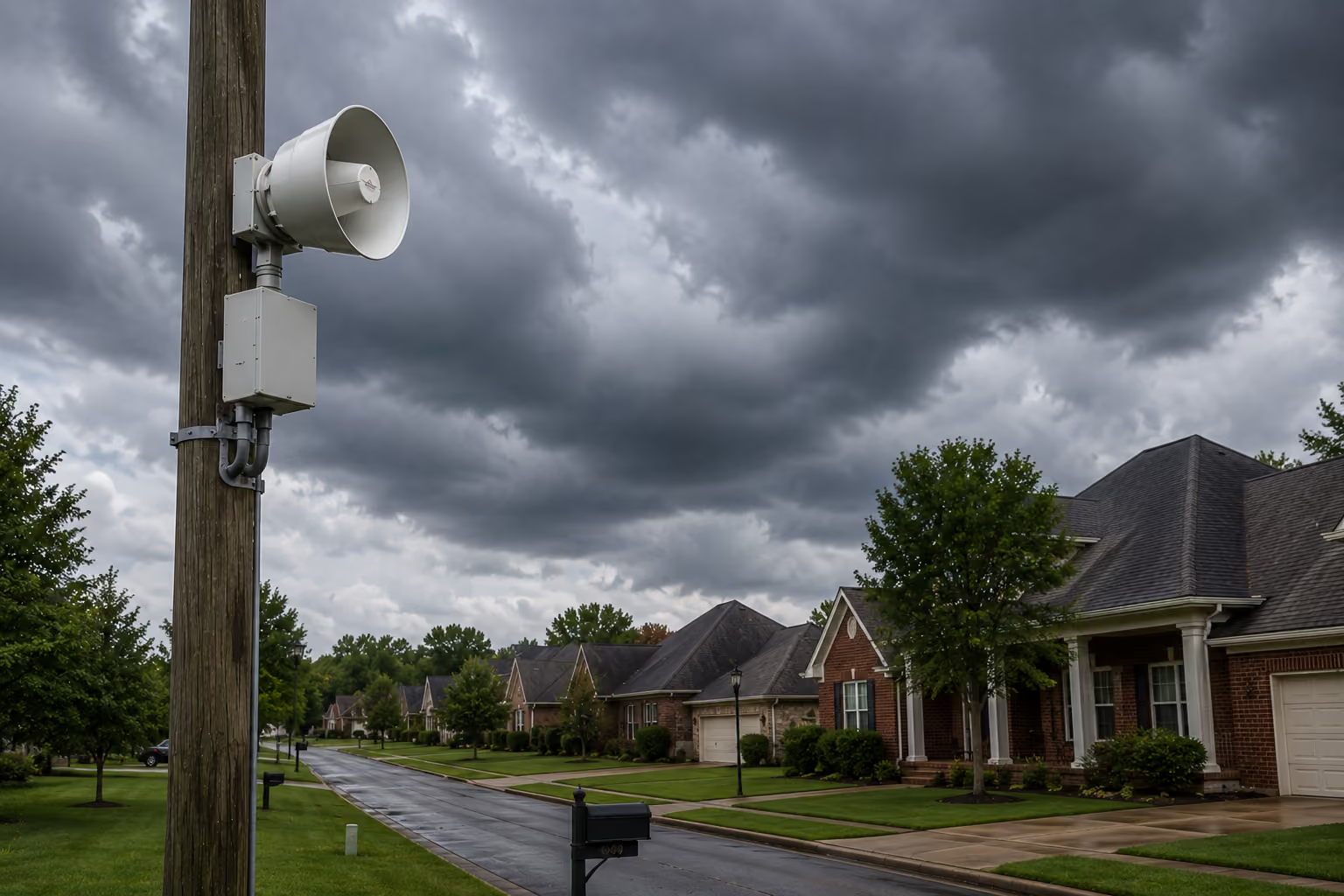
If you've ever wondered how tornado sirens work, the short answer is this:
Tornado sirens are outdoor warning systems designed to alert people who are outside that dangerous weather is occurring or imminent. They are not intended to be your primary way of receiving tornado warnings indoors.
Across Mississippi, emergency management agencies activate outdoor warning sirens based on local policies, National Weather Service warnings, confirmed tornadoes, or other life-threatening situations. Because activation criteria can vary by county or city, homeowners should never rely solely on hearing a siren to know when severe weather is approaching.
Instead, tornado sirens should be just one part of a broader severe weather plan.
What Is the Purpose of a Tornado Siren?
Despite what many people believe, tornado sirens are not designed to warn people inside their homes.
They were originally developed to alert people who are:
- outside working
- walking
- playing sports
- at parks
- at construction sites
- at community events
The loud outdoor warning gives people time to immediately seek additional weather information and move to a safe location.
For people inside well-insulated homes with the television on, air conditioning running, or while sleeping, sirens may be difficult—or impossible—to hear.
That is why emergency managers consistently recommend using multiple warning methods.
Who Decides When Sirens Sound?
In Mississippi, outdoor warning sirens are generally managed by local emergency management agencies, municipalities, or county governments.
Activation policies vary from one jurisdiction to another.
Depending on local procedures, sirens may be activated when:
- the National Weather Service issues a Tornado Warning
- trained storm spotters confirm a tornado
- law enforcement reports a tornado
- emergency managers determine there is an immediate life-threatening threat
Because these policies are established locally, residents in neighboring counties may experience different siren practices during the same storm system.
What Should You Do When You Hear a Tornado Siren?
A tornado siren should never be ignored.
Instead, treat it as a signal to immediately determine your risk.
Recommended actions include:
- Move indoors immediately if you're outside.
- Check a trusted weather source.
- Monitor official warnings.
- Prepare to take shelter without delay.
- Move to your designated safe location if a tornado warning has been issued.
Many Mississippi tornadoes develop quickly, especially during overnight storms or fast-moving severe weather outbreaks.
Waiting until you can personally see a tornado can waste valuable time.
Remember: Sirens Are Only One Warning Method
Modern severe weather preparedness relies on several alert systems working together.
Homeowners should use:
- NOAA Weather Radio
- Wireless Emergency Alerts
- trusted weather apps
- local television coverage
- county emergency notifications
Many homeowners also monitor a live 24-hour tornado tracker during severe weather to stay informed as storms develop.
A combination of multiple warning methods provides much better protection than relying on any single system.
Mississippi's Tornado Risk Makes Early Warnings Critical
Mississippi experiences some of the highest tornado risk in the United States.
Communities across the state regularly face:
- spring tornado outbreaks
- nighttime tornadoes
- fast-moving squall lines
- remnants of tropical systems
- severe thunderstorms capable of producing tornadoes
Many tornadoes occur after dark, when outdoor sirens are less likely to wake sleeping residents inside well-insulated homes.
That makes having multiple warning methods—and a shelter plan—even more important.
For homeowners considering long-term preparedness, learning about Mississippi storm shelters is one of the most effective ways to reduce risk before the next severe weather season.
Common Myths About Tornado Sirens
Understanding what tornado sirens can—and cannot—do helps you make better decisions during severe weather.
Myth: If I Don't Hear a Siren, There's No Tornado
This is false.
There are many reasons you may not hear an outdoor warning siren:
- You're indoors.
- You're asleep.
- Heavy rain or hail masks the sound.
- Air conditioning, televisions, or fans drown it out.
- Your location is outside the siren's coverage area.
- Your local jurisdiction has different activation policies.
Never assume you're safe simply because you don't hear a siren.
Myth: Sirens Mean a Tornado Is Right Outside
Not necessarily.
A siren indicates a dangerous weather situation requiring immediate attention. Depending on local emergency procedures, it may be activated because:
- a Tornado Warning has been issued,
- a tornado has been confirmed,
- or another life-threatening weather emergency exists.
The correct response is to immediately check trusted weather information and prepare to take shelter if necessary.
Myth: My Phone Makes Tornado Sirens Obsolete
Wireless alerts are an excellent safety tool, but they should not replace every other warning method.
The safest approach combines:
- outdoor warning sirens,
- NOAA Weather Radio,
- wireless emergency alerts,
- trusted weather coverage,
- and local emergency notifications.
Redundancy is one of the best ways to avoid missing a life-saving warning.
Warnings Only Help If You Have Somewhere Safe to Go
Receiving a tornado warning is only one part of protecting your family.
The next question becomes:
"Where will we take shelter?"
Mississippi regularly experiences powerful tornadoes capable of producing devastating damage. Having a plan—and a properly engineered storm shelter—can provide protection when a warning becomes an immediate emergency.
If you're evaluating long-term preparedness options, explore our available View shelter options to determine which shelter best fits your home and property.
Warnings Only Help If You Have Somewhere Safe to Go
Receiving a tornado warning is only one part of protecting your family.
The next question becomes:
"Where will we take shelter?"
Mississippi regularly experiences powerful tornadoes capable of producing devastating damage. Having a plan—and a properly engineered storm shelter—can provide protection when a warning becomes an immediate emergency.
If you're evaluating long-term preparedness options, explore our available View shelter options to determine which shelter best fits your home and property.
Prepare Before the Next Tornado Warning
Outdoor warning sirens are valuable, but they should never be your only source of severe weather information.
A complete preparedness plan includes multiple warning methods, a practiced emergency plan, and a safe place to shelter when a tornado warning is issued.
If you're ready to improve your family's protection, we're here to help.