
Best Emergency Radios for Tornadoes
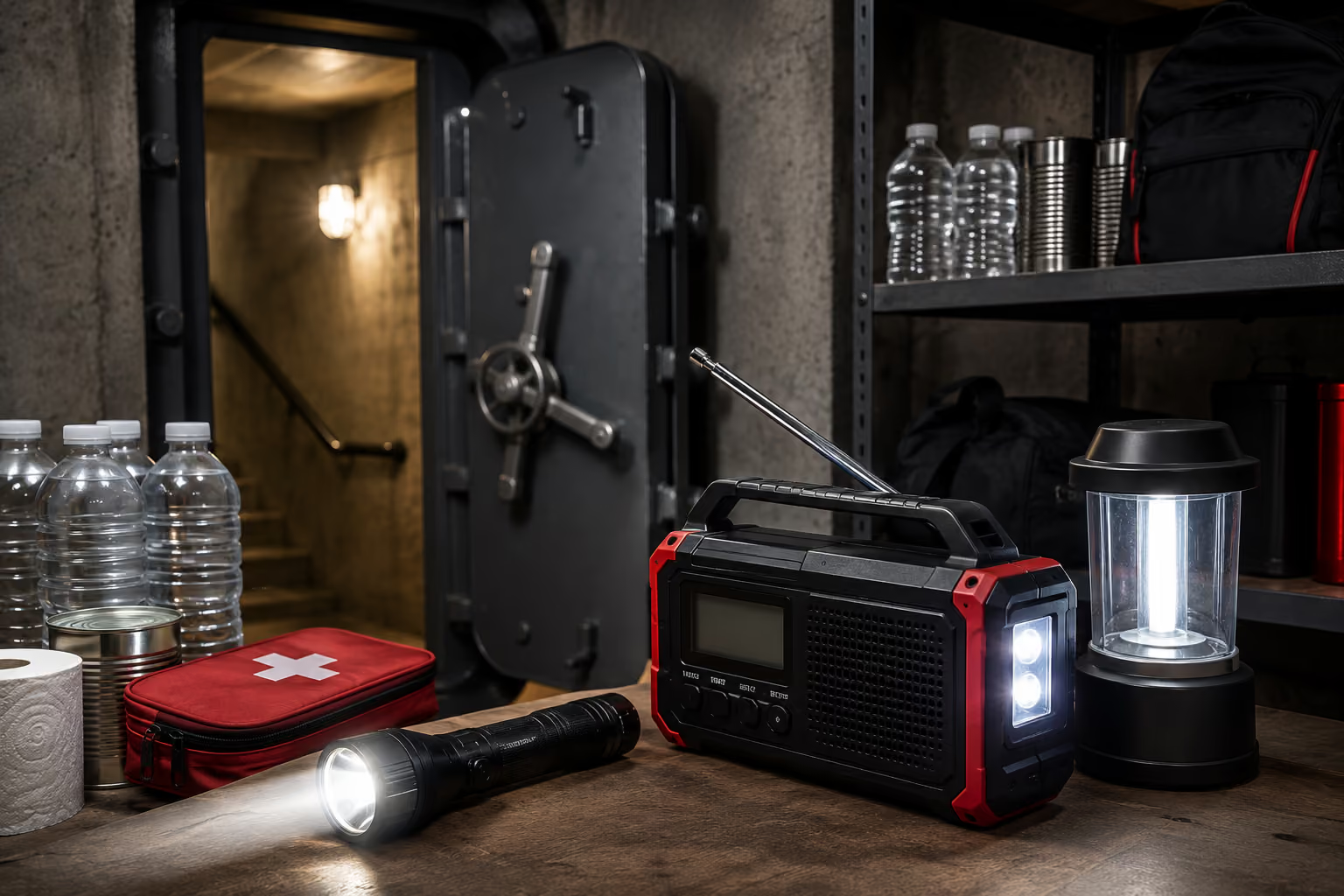
When tornadoes strike, information can be just as important as shelter. A properly installed storm shelter protects your family from the storm itself, but a reliable emergency radio helps you understand what is happening before, during, and after severe weather.
The best emergency radios for tornadoes provide NOAA weather alerts, battery backup, emergency lighting, and multiple power options that continue working even when cell service fails or power goes out.
For families across Alabama, Tennessee, Mississippi, and Kentucky, an emergency radio should be considered one of the core storm shelter essentials alongside water, food, lighting, and first aid supplies.
Why Emergency Radios Still Matter
Many homeowners assume their phone will provide all the weather information they need. Sometimes it does. Sometimes it doesn't. During major severe weather outbreaks, families can experience:
- Power outages
- Dead phone batteries
- Overloaded cellular networks
- Weak signal strength
- Internet disruptions
An emergency radio provides an independent source of weather information that doesn't rely on your local power grid or mobile network. That's why emergency radios remain one of the most recommended tornado preparedness tools available.
A Real-World Example
Imagine a family entering their shelter at 11:30 PM after a tornado warning is issued. Power goes out minutes later. The family's phones are already running low on battery because they spent the evening tracking storms and checking weather updates. As the storm approaches, they still need to know:
- Is the tornado warning still active?
- Has another warning been issued?
- Are additional storms approaching?
- Is it safe to leave the shelter?
A NOAA weather radio continues delivering alerts and updates even when other communication methods become less reliable.
What Makes a Good Emergency Radio?
Not every emergency radio is designed with tornado preparedness in mind. Some are built primarily for camping. Others focus on outdoor recreation. For storm shelter use, certain features matter much more than others.
NOAA Weather Alerts
This is the most important feature. NOAA Weather Radio broadcasts provide:
- Tornado warnings
- Severe thunderstorm warnings
- Flash flood warnings
- Emergency alerts
- Weather statements
A radio capable of receiving NOAA alerts should be at the top of your shopping list.
Battery Backup
A radio that only works when plugged into a wall outlet becomes useless during a power outage.
Look for:
- Rechargeable battery systems
- Replaceable batteries
- Extended runtime
The best radios continue operating even when electricity is unavailable for extended periods.
Hand-Crank Charging
Hand-crank functionality provides another layer of redundancy. While it may not be your primary power source, it can be extremely valuable if batteries run low during a prolonged emergency.
Hand-crank charging is particularly useful for:
- Extended outages
- Rural properties
- Multiple rounds of severe weather
USB Charging
Many modern emergency radios include USB charging capabilities. Benefits include:
- Recharging phones
- Recharging small electronics
- Maintaining communication
This feature effectively combines two preparedness tools into one.
Built-In Flashlight
A flashlight is one of the most frequently used emergency supplies during severe weather. A radio with integrated lighting provides:
- Shelter illumination
- Emergency visibility
- Backup lighting if flashlights fail
This is a valuable secondary feature for most homeowners.
Solar Charging
Some emergency radios include solar charging panels. Solar charging can be helpful after storms when:
- Power remains unavailable
- Batteries become depleted
- Extended recovery efforts are underway
Solar charging should generally be viewed as a backup feature rather than the primary power source.
Emergency Radios for Different Shelter Types
The best radio setup often depends on the shelter itself.
Above-Ground Shelters
Families using above-ground shelters typically benefit from:
- Compact radios
- Rechargeable models
- USB charging capability
- Built-in flashlights
Storage space may be more limited, making multi-purpose devices attractive.
Underground Shelters
Underground shelters often provide more storage flexibility. Many homeowners choose larger emergency radios with:
- Extended battery life
- Multiple charging methods
- Stronger speakers
- Additional preparedness features
Safe Rooms
Safe rooms benefit from radios that are:
- Easy to access
- Quick to operate
- Reliable under stress
Complicated controls become frustrating during an active tornado warning.
What Features Matter Most?
If you could only choose a few features, prioritize:
- NOAA Weather Alerts
- Battery Backup
- Flashlight
- USB Charging
- Hand-Crank Charging
Everything else is secondary. A radio that performs these core functions well will serve most families effectively.
Emergency Radios and Storm Shelter Planning
An emergency radio should never be viewed as a standalone preparedness solution. It works best when combined with:
- Emergency water
- Emergency food
- Flashlights
- Backup power
- First aid supplies
- Sanitation products
For a complete preparedness plan, review our: Storm Shelter Essentials Checklist and What to Put in a Tornado Shelter guides.
Monitor Storms Before Warnings Are Issued
Emergency radios are valuable once storms begin.
Before warnings are issued, many families also monitor severe weather using:
Storm Mode and the 24-Hour Tornado Tracker
These tools help homeowners stay informed before conditions become dangerous.
Common Emergency Radio Mistakes
Leaving Batteries Unchecked
Many radios fail simply because batteries were never tested.
Inspect radios before severe weather season begins.
Storing the Radio Too Far Away
The radio should be stored inside the shelter or immediately beside it.
Assuming Phones Are Enough
Phones are valuable. Redundancy is better. Preparedness is about backup systems.
Never Testing the Radio
A radio should be tested periodically to ensure:
- Alerts work
- Batteries work
- Charging systems function properly
Final Thoughts
A storm shelter protects your family physically.
An emergency radio helps keep your family informed.
The best emergency radios for tornadoes provide NOAA alerts, battery backup, emergency lighting, and multiple charging options that continue working when severe weather impacts normal communication systems.
For most homeowners, an emergency radio is one of the most valuable preparedness tools they can add to a shelter kit.
Shop Emergency Radios & Storm Shelter Essentials
Build a complete preparedness kit with weather radios, emergency water, food, lighting, first aid supplies, sanitation products, and shelter essentials. Explore Storm Shelter Options: