
Can You Get Trapped in a Storm Shelter in Kentucky?
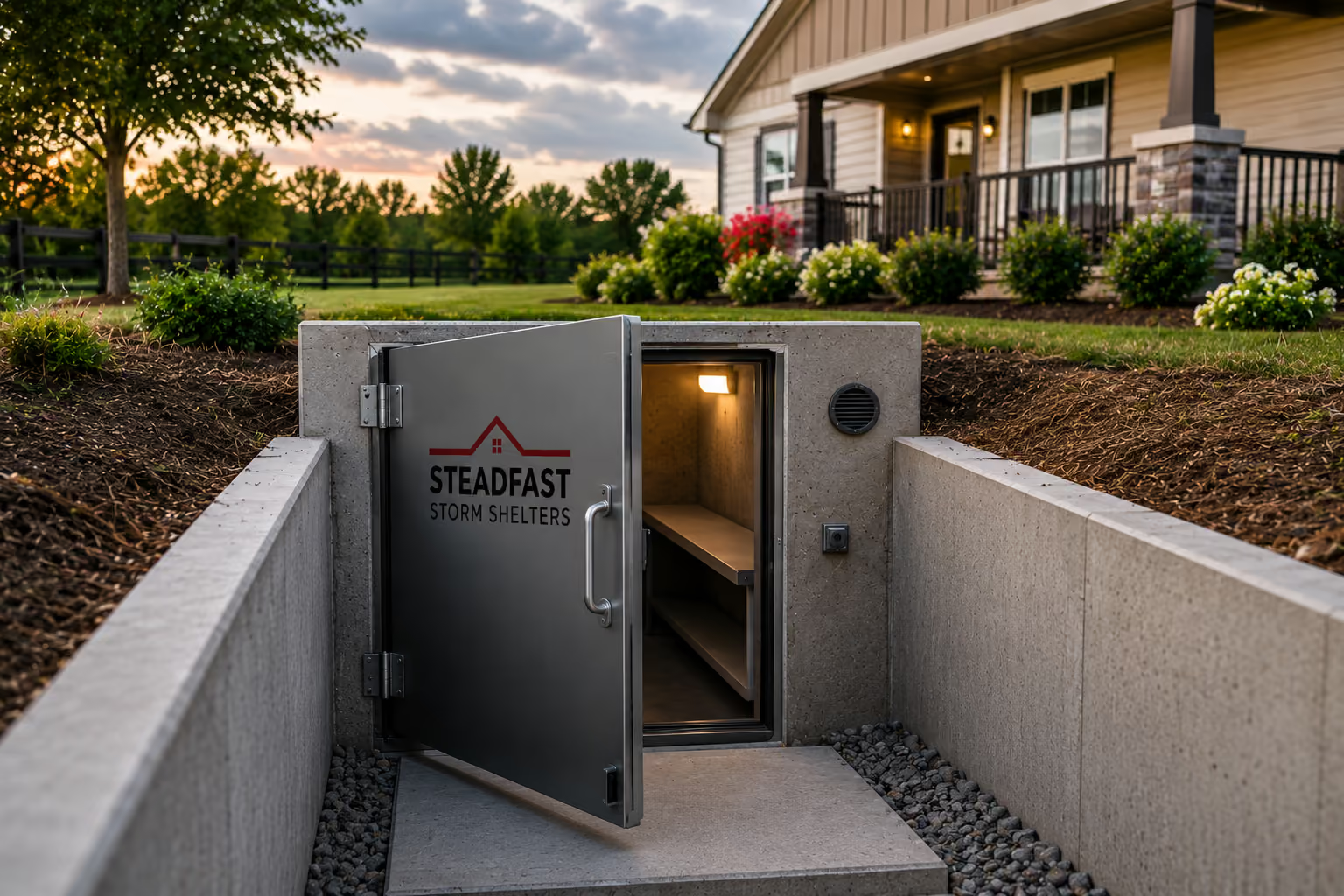
One of the biggest concerns homeowners have before buying a storm shelter is:
"What if the door gets blocked and we're trapped inside?"
It's a fair question—and one that every reputable storm shelter company should be prepared to answer.
The good news is that properly engineered residential storm shelters are designed with emergency situations in mind. Modern shelters use door systems and structural designs intended to help protect occupants during extreme weather, including situations where debris may accumulate around the shelter after a tornado.
While no structure can eliminate every possible risk after a major disaster, becoming permanently trapped inside a properly installed storm shelter is far less common than many people imagine.
For Kentucky homeowners, understanding how shelter doors work—and why proper installation matters—is often enough to eliminate this concern and make choosing a shelter much easier.
Why Homeowners Worry About Getting Trapped
Many people picture a tornado leaving piles of debris on top of a shelter.
They imagine:
- large trees falling
- collapsed garages
- damaged homes
- vehicles blocking entrances
- heavy storm debris covering the shelter door
Those concerns are understandable.
After all, the purpose of a storm shelter is to protect your family during one of nature's most destructive events.
The important question isn't whether debris can exist after a tornado.
It's whether the shelter has been designed with real-world storm conditions in mind.
For homeowners researching Kentucky storm shelters, understanding how modern shelter doors function often removes one of the biggest obstacles to purchasing a shelter.
Storm Shelter Door Safety Has Come a Long Way
Modern residential storm shelters are engineered as complete systems.
That includes:
- the shelter structure
- anchoring
- ventilation
- hardware
- and the door itself
Rather than treating the door as a simple entry point, manufacturers design it as one of the most important safety components of the entire shelter.
Depending on the shelter model, door systems may be designed to:
- resist extreme wind forces
- remain structurally secure during severe weather
- operate reliably under expected loading conditions
- provide a secure seal during occupancy
The exact design varies by manufacturer and shelter type, which is why homeowners should understand the specific shelter they are considering instead of assuming every model uses the same door system.
Can Debris Block a Shelter Door?
After a significant tornado, debris can accumulate around almost any structure.
That includes:
- homes
- garages
- vehicles
- driveways
- fences
- storm shelters
However, this doesn't automatically mean occupants become trapped.
Many shelter designs consider the possibility of post-storm debris as part of their overall engineering.
The best approach is to ask your installer how the specific shelter you're considering addresses door operation and emergency access after severe weather.
What Happens After the Storm Passes?
Imagine your family enters the shelter after receiving a tornado warning in Bowling Green.
Heavy rain is falling.
The wind intensifies.
Within minutes, the storm passes.
When it's safe to leave, you may discover branches, insulation, roofing materials, or other debris scattered around your property.
In most cases, the next step is simply assessing conditions carefully before exiting.
If widespread damage has occurred throughout the community, emergency responders may also be working nearby as part of broader recovery efforts.
The important takeaway is this:
A storm shelter is designed to protect your family during the most dangerous part of the event.
Questions about post-storm access are reasonable, but they shouldn't outweigh the life-saving protection the shelter provides while the tornado is occurring.
For homeowners evaluating shelter door safety, understanding how modern shelters are engineered provides valuable peace of mind.
Does Shelter Type Affect the Risk of Getting Trapped?
This is another common question from Kentucky homeowners.
Both above-ground and underground storm shelters are designed with occupant safety in mind, but they have different installation methods and door configurations.
For example, an underground shelter may have an entrance at ground level, while many above-ground shelters have doors mounted on the side of the structure.
Neither design is automatically "better" at preventing someone from becoming trapped.
Instead, the quality of the engineering, the installation, and the specific shelter design matter far more than whether the shelter is above or below ground.
When comparing storm shelter options, focus on the overall system—not just where the door is located.
Learn more about available storm shelter options for your property.
Concrete Storm Shelters
Many Kentucky homeowners choose concrete storm shelters because they combine exceptional strength with long-term durability.
When evaluating any concrete shelter, ask questions such as:
- How is the door engineered?
- How does it operate after severe weather?
- How is the shelter anchored?
- What testing or standards does the shelter meet?
These questions provide much more meaningful information than simply asking whether someone could become trapped.
How to Choose a Shelter That Gives You Confidence
If concerns about getting trapped have kept you from purchasing a storm shelter, the best solution is to ask detailed questions before buying.
Ask your installer:
- How does the shelter door operate?
- What type of hardware is used?
- Has the shelter been professionally engineered?
- What safety standards does it meet?
- Which shelter is best for my property?
A reputable installer should be able to explain these features clearly without relying on marketing claims or vague promises.
Homeowners researching storm shelters in Bowling Green often ask these same questions because they want confidence that the shelter they purchase is the right fit for their home.
Focus on Preparation, Not Fear
It's natural to think about worst-case scenarios when protecting your family.
But the much greater risk during a tornado is not having immediate access to a properly designed shelter at all.
Rather than letting concerns about getting trapped delay your decision, focus on choosing a professionally engineered shelter that fits your home's layout, your family's needs, and your property's installation conditions.
Understanding how modern shelters are designed often turns uncertainty into confidence.
Still Have Questions About Storm Shelter Safety?
Every property is different, and every homeowner has unique concerns.
Whether you're wondering about shelter doors, installation, accessibility, or which shelter is the best fit, our team can help you compare options and answer your questions.