
Tulsa Tornado Season: History, Risks, and How to Prepare
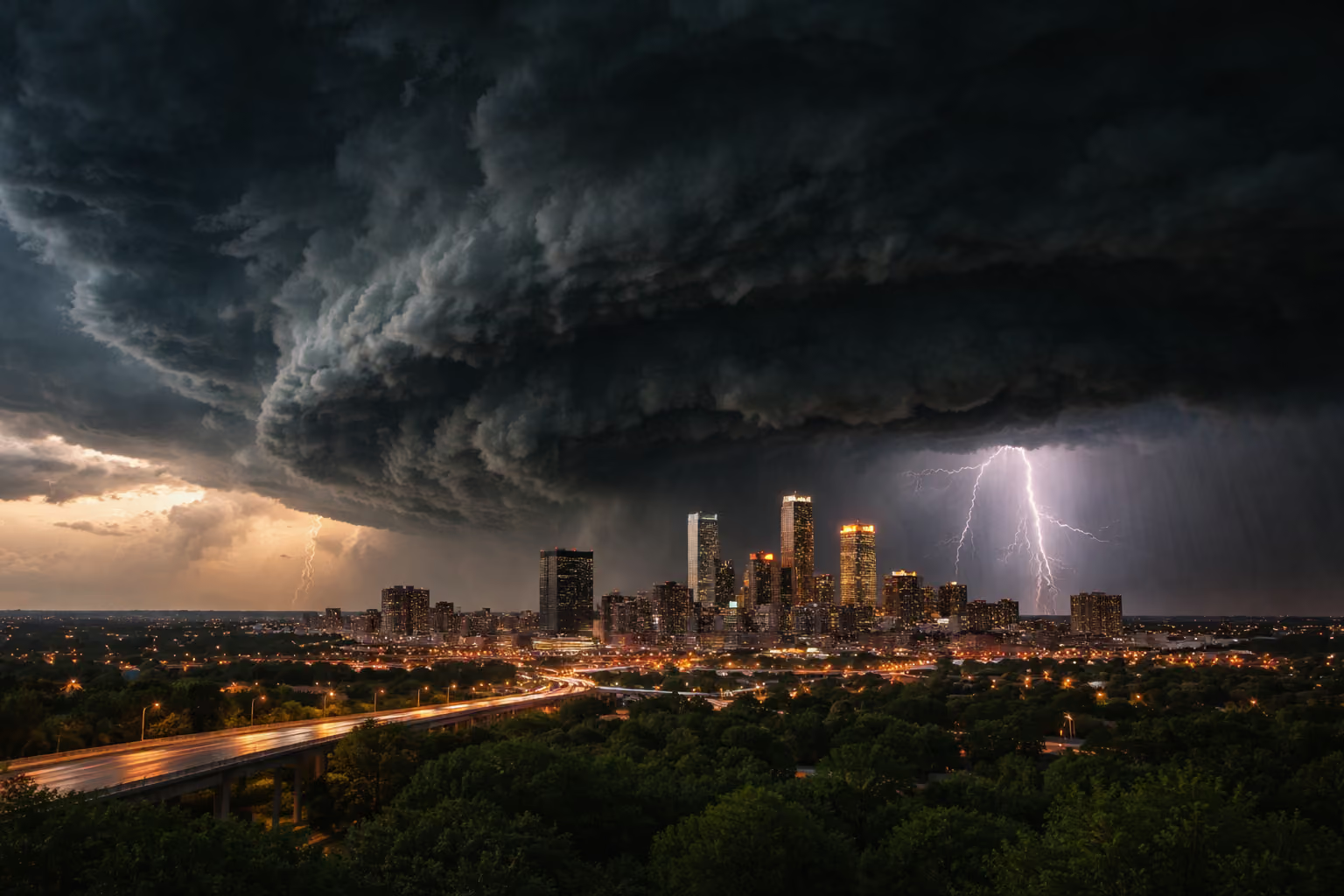
Understanding Tulsa Tornado Season and Why It Matters
Tulsa, Oklahoma sits in one of the most active severe weather regions in the United States. Each year, residents watch spring storm systems move across the plains with the potential to produce powerful tornadoes. Understanding Tulsa tornado season is essential for anyone who lives in northeastern Oklahoma or is considering moving to the area.
Tornadoes do not occur randomly. They form under specific atmospheric conditions that frequently develop across Oklahoma. Tulsa’s geographic location places it near the intersection of several powerful weather systems. Warm air from the Gulf of Mexico collides with cooler northern air and dry western air, creating the instability needed for severe thunderstorms.
These storms can develop rapidly and sometimes produce tornadoes with little warning. As a result, residents throughout the region remain alert during peak storm months.
Many people new to the area ask questions such as:
- Does Tulsa get tornadoes?
- Are there tornadoes in Tulsa every year?
- Is Tulsa in Tornado Alley?
The answer to all of these questions involves understanding the broader weather patterns of Oklahoma and the long tulsa tornado history that has shaped how communities prepare for severe weather.
In this guide, you will learn:
- When tornado season typically occurs in Tulsa
- The history of tornadoes in Tulsa Oklahoma
- How tornado warnings and watches work
- Practical strategies for storm preparedness
By understanding the patterns behind Tulsa tornado season, residents can take proactive steps to stay safe when severe weather develops.
Is Tulsa in Tornado Alley?
One of the most common questions people ask is: Is Tulsa in Tornado Alley?
Yes, Tulsa lies within the southern portion of what meteorologists traditionally refer to as Tornado Alley. This region includes large areas of Oklahoma, Kansas, Texas, and Nebraska where tornadoes occur more frequently than in most other parts of the United States.
Several environmental conditions make this area especially prone to tornado-producing storms.
Key contributing factors include:
- Warm, humid air moving north from the Gulf of Mexico
- Cold air masses descending from Canada
- Dry air from the Rocky Mountains and western plains
- Strong wind shear across the central United States
When these air masses collide, they often produce rotating thunderstorms known as supercells. These storms are responsible for many of the most powerful tornadoes in the country.
Because Tulsa sits directly within this storm corridor, the city regularly experiences the atmospheric conditions needed for tornado formation.
This is why many residents closely monitor forecasts throughout what is Oklahoma tornado season, especially during the spring months.
What Is Oklahoma Tornado Season?
The timing of severe weather follows fairly consistent patterns across the state.
Tulsa tornado season typically begins in early spring and continues into the early summer months.
Typical Seasonal Timeline
March
Early spring storms begin forming as temperatures rise and atmospheric instability increases.
April to May
These months represent the peak of tornado activity across Oklahoma and much of Tornado Alley.
June
Storm frequency gradually decreases, although severe thunderstorms remain possible.
Although spring is the most active time, tornadoes can occasionally occur outside the traditional season.
In rare cases, Oklahoma experiences tornadoes during fall or even winter storm systems.
This variability is why meteorologists encourage residents to remain weather-aware throughout the year.
Tulsa Tornado History and Notable Storm Events
Understanding the tulsa oklahoma tornado history helps residents better appreciate the risks associated with severe weather in the region.
The history of tornadoes in Tulsa Oklahoma includes several significant events that demonstrate how quickly conditions can escalate.
Oklahoma consistently ranks among the states with the highest tornado counts each year. While many tornadoes occur in rural areas or outside city limits, the Tulsa metro area has experienced multiple severe weather events over the decades.
Historical storm data reveals several important patterns:
- Most tornadoes occur during late afternoon or evening storms
- Large storm systems often affect multiple cities across the region
- Severe weather outbreaks can produce several tornadoes within a short time period
These historical trends have helped meteorologists improve forecasting technology and emergency response planning.
Understanding tulsa tornado history also helps residents recognize why preparation is taken seriously throughout the region.
Tornado Watches and Warnings in Tulsa
When severe weather develops, the National Weather Service issues alerts to help communities prepare.
Two of the most important alerts are tornado watches and tornado warnings.
A tornado watch in Tulsa means that weather conditions are favorable for tornado formation. Storms may produce tornadoes, but one has not yet been confirmed.
A tornado warning in Tulsa Oklahoma means a tornado has been detected by radar or reported by storm spotters. Immediate shelter is necessary when a warning is issued.
If you want a deeper explanation of the difference between these alerts, this guide explains the details of a tornado watch vs warning and how residents should respond to each situation.
Understanding these alerts is one of the most important parts of staying safe during Tulsa tornado season.
Does Tulsa Get Tornadoes Often?
Another common question is does Tulsa get tornadoes frequently.
While tornadoes do not hit the city directly every year, the surrounding region experiences numerous tornado events annually.
Oklahoma typically records dozens of tornadoes each year, and northeastern Oklahoma regularly experiences severe storms capable of producing tornadoes.
Because of this, it is accurate to say that there are tornadoes in Tulsa and the surrounding region, even though not every storm impacts the city itself.
Residents treat tornado preparedness as a normal part of seasonal planning.
Preparing Homes and Families for Tulsa Tornado Season
Preparation can significantly improve safety during severe weather.
When a tornado warning in Tulsa Oklahoma is issued, residents may have only minutes to find shelter. Planning ahead ensures everyone knows exactly what to do.
Create a Household Tornado Safety Plan
Every family should identify the safest location in their home.
Common safe areas include:
- Basements
- Underground storm shelters
- Reinforced safe rooms
- Interior rooms without windows
Every household member should know how to reach the safe area quickly.
Monitor Weather Alerts
During Tulsa tornado season, staying informed is critical.
Residents often rely on:
- Smartphone weather alerts
- NOAA weather radios
- Local television forecasts
- Emergency notification systems
Real-time updates help families respond quickly when storms approach.
Prepare Emergency Supplies
Emergency kits should be stored in the designated safe area.
Recommended supplies include:
- Flashlights
- Bottled water
- First aid kits
- Battery-powered radios
- Blankets and protective gear
These items can make a significant difference if severe storms cause power outages or structural damage.
Long-Term Storm Protection Options
Many homeowners across Oklahoma invest in permanent safety solutions to prepare for severe weather.
Storm shelters and safe rooms provide some of the most reliable protection during tornadoes.
Modern shelters are engineered to withstand:
- Extreme wind speeds
- Flying debris
- Structural collapse
Professionally installed shelters meet strict safety standards designed to protect occupants during severe tornado events.
Resources such as Storm Mode provide guidance on how homeowners can monitor storms and stay prepared during active weather conditions.
Homeowners interested in installing a shelter can also review this FEMA storm shelter installation guide to understand safety requirements and installation considerations.
For residents in nearby regions, service coverage areas such as Mississippi storm shelter services show how preparedness solutions are expanding across tornado-prone states.
Tulsa Oklahoma Storm Damage and Community Preparedness
Severe storms occasionally produce significant Tulsa Oklahoma storm damage, particularly when high winds, hail, or tornadoes impact residential areas.
Community preparedness has improved dramatically over the years.
Today, Tulsa benefits from:
- Advanced radar systems
- Real-time storm tracking
- Emergency alert systems
- Organized storm spotter networks
Schools, businesses, and local governments regularly conduct emergency drills to ensure residents know how to respond during severe weather.
Public awareness has played a major role in reducing injuries during tornado events.
Best Practices for Staying Safe During Tulsa Tornado Season
Even though tornadoes cannot be prevented, preparation greatly improves safety outcomes.
Emergency management experts recommend several best practices.
Stay Weather Aware
Monitor weather forecasts regularly during peak storm months. Rapidly developing storms are common across Oklahoma.
Know Your Safe Location
The safest places during a tornado include:
- Underground storm shelters
- Reinforced safe rooms
- Basements
- Interior rooms on the lowest floor of a building
Avoid large open rooms, windows, and exterior walls whenever possible.
Respond Immediately to Warnings
If a tornado warning is issued, do not wait to confirm the storm visually. Seek shelter immediately.
Tornadoes can move quickly and may be hidden by rain or darkness.
Practice Tornado Drills
Families who rehearse emergency plans respond faster during real emergencies.
Practicing drills ensures that everyone understands the plan before a severe storm occurs.
Key Takeaways About Tulsa Tornado Season
Tulsa tornado season is a serious but predictable part of life in northeastern Oklahoma.
The city’s location within Tornado Alley means that severe storms and tornado threats are recurring seasonal events.
Understanding the history of tornadoes in Tulsa Oklahoma, monitoring weather alerts, and preparing safety plans can dramatically reduce the risks associated with tornado outbreaks.
Preparedness strategies include:
- Staying informed about weather forecasts
- Knowing the difference between tornado watches and warnings
- Creating household safety plans
- Installing reliable storm shelters
By taking proactive steps before severe weather strikes, Tulsa residents can approach tornado season with greater confidence and security.
Frequently Asked Questions About Tulsa Tornado Season
When is tornado season in Tulsa?
Tulsa tornado season typically runs from March through June. The highest tornado activity usually occurs between April and May when atmospheric instability across Oklahoma is strongest.
Are there tornadoes in Tulsa every year?
Tornadoes do not impact Tulsa directly every year, but the surrounding region experiences tornado activity regularly due to the city's location in Tornado Alley.
Why does Tulsa experience tornadoes?
Tulsa sits where warm Gulf air, cold northern air, and dry western air often collide. These conditions create powerful thunderstorms capable of producing tornadoes.
What should I do during a tornado warning in Tulsa Oklahoma?
Seek shelter immediately in a basement, underground storm shelter, or interior room without windows. Stay away from exterior walls and wait until the warning has expired.
How can Tulsa residents prepare for tornado season?
Preparation includes monitoring weather alerts, creating emergency plans, practicing drills, and installing storm shelters for reliable protection during severe weather.
Understanding Tulsa tornado season and preparing for severe weather allows families and communities to stay safe during Oklahoma’s most active storm months. Awareness, planning, and reliable shelter options remain the most effective ways to protect lives and property when tornado threats develop.