
Texas Storm Shelters
Tornadoes are a frequent and serious threat in Texas, a state well-known for its location in Tornado Alley. With its large size and diverse geography, Texas experiences more tornado activity than most other states. Every year, residents face the sudden danger of tornadoes, which can cause extensive damage to homes, businesses, and communities. Protecting your property and family with reliable Texas storm shelters is essential for safety during these extreme weather events.
Here are key facts about tornadoes in Texas and the importance of storm preparedness:
- Tornado Alley: Texas is a central part of Tornado Alley, a region with a high frequency of tornadoes. Many Texans rely on storm shelters in Texas to stay safe during severe storms.
- Tornado Watches and Warnings: When conditions are favorable, Tornado Watches are issued, signaling that residents should be ready to take action. If a tornado is spotted or imminent, the National Weather Service issues a Tornado Warning, prompting people to seek immediate protection in a tornado shelter Texas.
- Tornado Emergencies: In extreme situations, a Tornado Emergency alert is issued, confirming a tornado is on the ground and posing a significant threat to life and property. Having a properly installed underground tornado shelter Texas can make all the difference during such events.
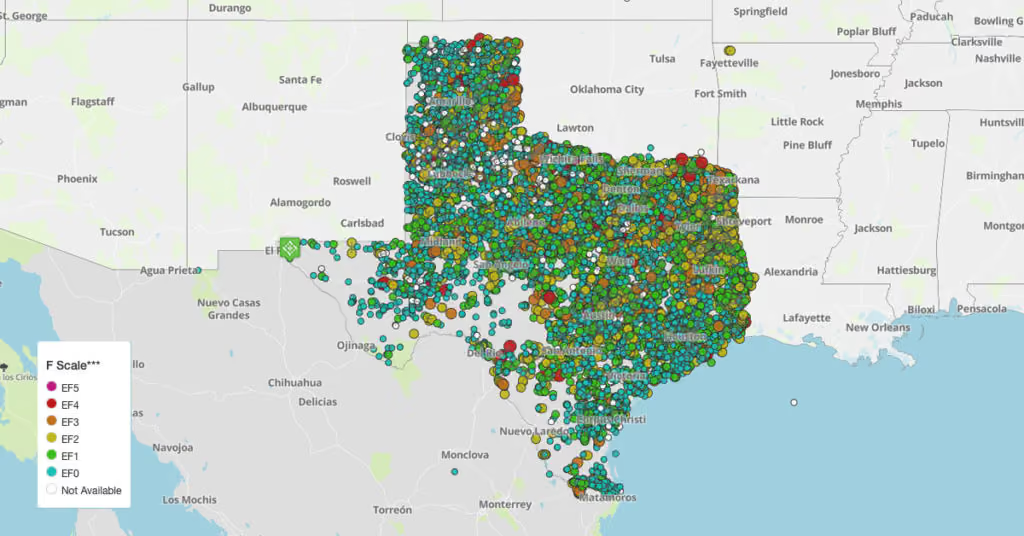
- Enhanced Fujita Scale: Tornado intensity is measured from EF0 to EF5 based on the damage caused. Texas has seen some of the nation’s most powerful tornadoes, including the devastating 1999 EF5 outbreak with wind speeds up to 318 miles per hour.
- Radar Indicators: Meteorologists rely on radar signatures like Hook Echoes and Vortex Signatures to detect tornado formation. These signals help identify potential tornadoes, making timely access to storm cellars in Texas critical.
- Visual Warnings: Wall clouds often precede tornado formation, and debris balls observed on radar confirm tornado activity. Awareness of these signs helps Texans utilize their tornado shelter Dallas Texas, storm shelters Amarillo TX, or storm shelters Austin TX efficiently.
- Supercell Thunderstorms and Hurricanes: Texas is prone to supercell thunderstorms, which can create rotating updrafts leading to tornadoes. Tornadoes spawned by hurricanes are also a recurring threat, making it vital to have dependable Lubbock tornado shelters or other regional storm shelters ready.
With tornadoes appearing suddenly and often violently, investing in professionally engineered Texas tornado shelters ensures families and communities have a safe place to ride out severe weather.
Preparing for Texas Tornadoes
Tornadoes are a serious weather hazard in Texas, with the state averaging around 140 tornadoes each year. Given the frequency and potential for destruction, it is essential for residents to take tornado preparation seriously. One of the best ways to protect your family and property is by investing in reliable Texas storm shelters or storm shelters in Texas.
A critical part of tornado preparation is having a clear plan for how to respond if a tornado strikes. This plan should include knowing where to take shelter, whether in a basement, interior room, or a professionally installed tornado shelter Texas or underground tornado shelter Texas. Having emergency supplies such as food, water, and first aid kits for several hours or overnight is also vital. Staying informed through weather radios, smartphone apps, and local alerts ensures you can react quickly when tornado warnings are issued.
Communities across Texas can enhance safety by implementing emergency response plans, mapping evacuation routes, and designating public storm cellars in Texas. Conducting drills helps residents become familiar with proper procedures, while improving building codes and reinforcing homes can minimize damage. Measures such as installing storm shutters or strengthening roofs can complement the protection provided by tornado shelter Dallas Texas, storm shelters Amarillo TX, or storm shelters Austin TX.
While tornadoes are a natural part of life in Texas, proper preparation—including planning, emergency supplies, and access to Lubbock tornado shelters or other regional storm shelters—can significantly reduce their impact and help keep families and communities safe.
Tornado Shelters in Texas
Finding public tornado shelters in Texas can be challenging, as there is no centralized database of all safe locations. However, there are several resources Texans can use to locate shelters and ensure their safety during severe weather.
Contact your local emergency management office for information about public tornado shelters in your area. These shelters may be located in schools, community centers, or other public buildings.
The Red Cross has four chapters in Texas that can provide guidance on nearby tornado shelters. Visiting your local chapter’s website or contacting them directly can help identify safe options.
The Federal Emergency Management Agency (FEMA) maintains a list of safe rooms and tornado shelters, including those located in Texas. Their website allows you to search for nearby shelters and public safety resources.
Contrary to common misconceptions, not all tornado shelters in Texas are underground. Modern above-ground tornado shelters are engineered to provide safety even during EF5 tornadoes, making them a reliable option across the state. However, it is important to verify that any public building is officially designated as a tornado shelter before relying on it. For personal safety, consider having a Texas tornado shelter or underground tornado shelter Texas for immediate access during emergencies.
Tornado Safety Tips for Texans
Even with access to storm shelters in Texas, following these safety practices is essential:

By combining access to reliable Texas storm shelters with proper tornado preparation and safety measures, Texans can significantly reduce the risk of injury and protect their homes, families, and communities during severe weather events.
Storm & Tornado Resources
Serving Cities Across Texas
We proudly serve homeowners, schools, and businesses throughout the Lone Star State, including:
Looking for a storm shelter near you? Steadfast provides statewide installation and service with professional precision and trusted quality.
FAQs About Tornadoes in Texas