
Storm Shelter Installation: Step-by-Step From Site Prep to Final Inspection
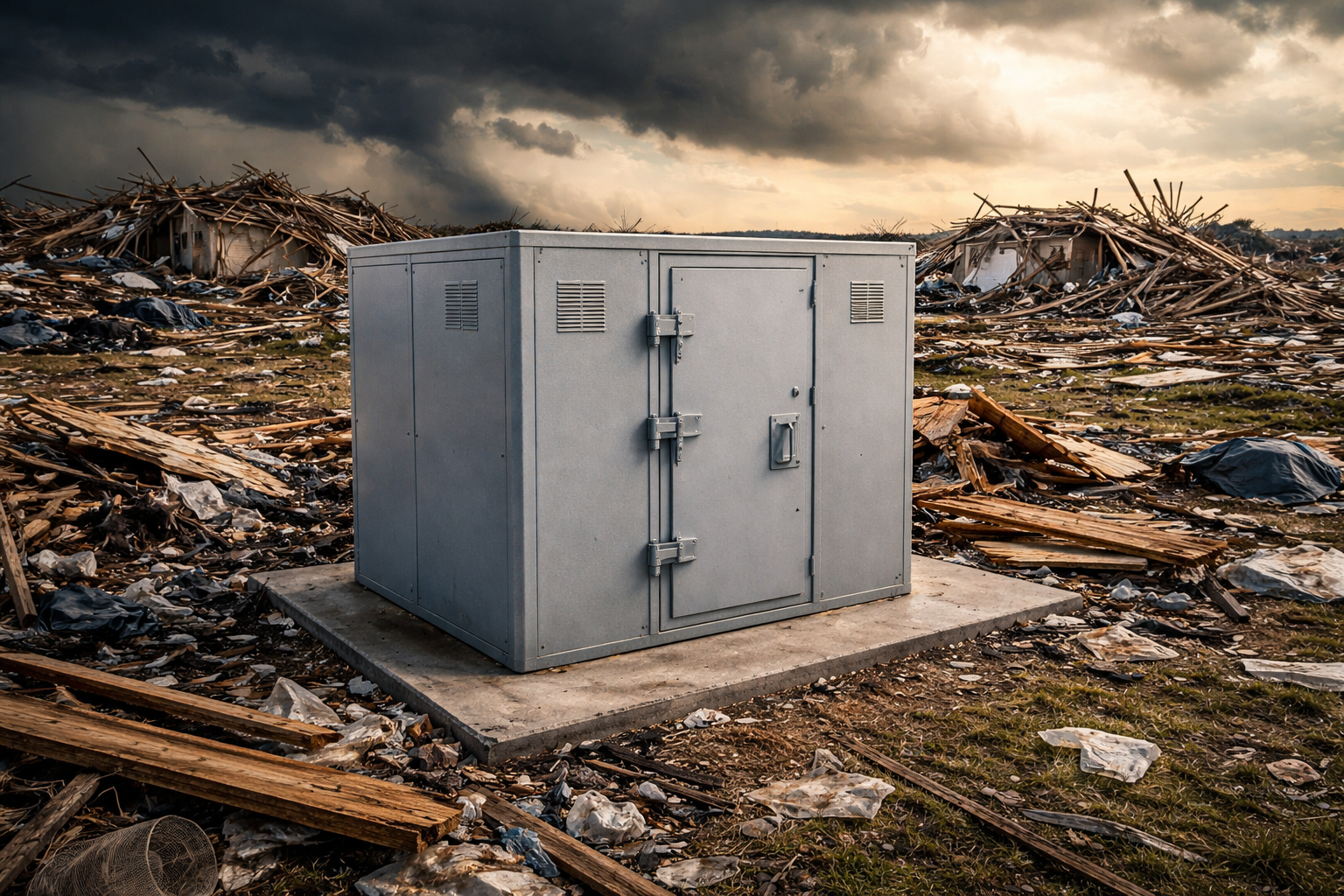
What to Expect During a Professional Storm Shelter Installation
When severe weather threatens, the last thing you want to question is whether your shelter was installed correctly. Storm shelter installation is not just another home upgrade. It is a life-safety decision that depends on proper planning, precise execution, and strict adherence to nationally recognized safety standards. Yet many homeowners are unsure what actually happens between choosing a shelter and trusting it during a tornado warning.
That uncertainty matters. Improper site preparation, incorrect anchoring, or skipped inspections can compromise even the strongest shelter. On the other hand, a professionally managed installation gives you confidence that your shelter will perform exactly as designed when conditions are at their worst.
In this guide, you will learn what a professional storm shelter installation involves from start to finish. We will explain how installers evaluate your property, how different shelter types are installed, and why final inspections are critical for long-term safety. By the end, you will understand what separates a reliable installation from a risky one and how to make informed decisions for your home and family.
Understanding the Storm Shelter Installation Process
Storm shelter installation refers to the complete process of preparing the site, placing the shelter, anchoring it to withstand extreme forces, and verifying compliance with safety standards such as FEMA and ICC 500. This applies to all shelter types, including above-ground, underground, indoor, and garage-based installations.
The installation process matters because a shelter is only as strong as the system holding it in place. Even a prefabricated storm shelter that meets certification standards can fail if the slab, soil, or anchoring system is inadequate. In tornado-prone regions, shelters must resist uplift, sliding, and high-speed debris impact far beyond normal building conditions.
A properly executed storm shelter installation delivers several important benefits:
- Compliance with FEMA and ICC 500 guidelines
- Reliable protection during tornadoes and extreme storms
- Reduced risk of long-term structural or moisture issues
- Confidence that the shelter will perform as intended
Every installation is customized. Soil type, slab thickness, home layout, and accessibility all influence how and where a shelter can be safely installed. This is why professional planning is essential before any equipment arrives on site.
Step-by-Step Storm Shelter Installation Guide
Step 1: Evaluating the Installation Site
The first step in any tornado shelter installation is a detailed site evaluation. Installers assess where the shelter will be placed and whether the location can safely support it. This includes checking concrete thickness, reinforcement, soil stability, drainage, and proximity to living areas.
For indoor tornado shelters or garage storm shelters, the slab is measured to confirm it meets anchoring requirements. For outdoor or underground installations, soil conditions and water tables are evaluated to prevent shifting or flooding.
Pro Tip: Shelters located close to bedrooms or main living areas reduce response time during nighttime or fast-developing storms.
Step 2: Preparing the Installation Area
Once the site is approved, the area is prepared to support the shelter. For above ground storm shelter installation, this may involve verifying an existing slab or pouring new reinforced concrete. For underground storm shelter installation, excavation is completed to exact depth and dimensions.
Proper preparation is critical. Inadequate concrete thickness or poor excavation can lead to movement, cracking, or water intrusion over time.
Pro Tip: Reinforced concrete that meets thickness and curing standards is one of the most important factors in long-term shelter performance.
Step 3: Positioning the Storm Shelter
After preparation, the shelter is delivered and positioned using specialized equipment. Precision matters. The shelter must be level, correctly oriented, and placed to allow safe entry and exit.
For indoor tornado shelter or garage installations, positioning must integrate cleanly with existing structures without interfering with doors, vehicles, or foot traffic. Outdoor shelters must be aligned to avoid drainage problems and ensure easy access.
Pro Tip: Experienced installers account for door swing clearance and emergency access during placement.
Step 4: Anchoring the Shelter Securely
Anchoring is the most critical part of storm shelter installation. This step ensures the shelter can withstand extreme winds, uplift forces, and debris impact. Heavy-duty anchor bolts or embedded systems are installed according to manufacturer specifications and FEMA guidelines.
Improper anchoring is one of the most common causes of shelter failure. Correct spacing, depth, and torque are just as important as the anchor type itself.
Pro Tip: Never compromise on anchoring. Even small deviations can significantly reduce performance during an EF4 or EF5 tornado.
Step 5: Installing Doors and Ventilation
Once anchored, doors, locking mechanisms, and ventilation systems are installed and tested. Doors must open inward so debris cannot trap occupants inside. Ventilation systems are designed to provide airflow without weakening the shelter’s structure.
This step ensures the shelter is not only strong, but usable under stress.
Pro Tip: After installation, periodically test the door and locking system to ensure smooth operation.
Step 6: Final Inspection and Verification
The final inspection confirms that the entire storm shelter installation meets safety, engineering, and accessibility standards. Installers check anchor integrity, door operation, ventilation, and overall stability.
Documentation is often provided for warranties, insurance, or resale purposes. This final step ensures the shelter is ready for immediate use and long-term reliability.
Pro Tip: Keep inspection records and certifications in a secure location for future reference.
Common Storm Shelter Types and Installation Differences
Different homes require different solutions. Understanding how installation varies by shelter type helps homeowners choose the best option.
Above ground storm shelter installation is popular for garages and patios because it offers fast access and minimal excavation. These shelters rely heavily on reinforced concrete anchoring.
Underground tornado shelter and in ground storm shelter installations involve excavation and drainage planning. These shelters benefit from earth reinforcement but require careful sealing and moisture control.
Garage storm shelter installations are common in residential homes and must meet strict slab thickness requirements to ensure proper anchoring.
Prefabricated storm shelters arrive ready for installation but still require precise site prep and anchoring to perform correctly.
Real-World Storm Shelter Installation Scenarios
A homeowner in a suburban neighborhood may choose an above-ground shelter installed in the garage. The installation focuses on slab verification and indoor accessibility, allowing the family to reach safety in seconds without going outside.
In rural areas, homeowners often prefer underground shelters installed outdoors. Here, excavation depth, soil stability, and drainage are major considerations to prevent long-term moisture issues.
Families exploring home tornado shelters often work with experienced providers like Steadfast Storm Shelters, whose residential options include above-ground shelters, steel safe rooms, concrete shelters, and underground shelters designed to meet FEMA and ICC standards.
Best Practices and Common Installation Mistakes
A successful storm shelter installation depends on following proven best practices.
Best practices include:
- Hiring certified, experienced installers
- Completing a thorough site evaluation
- Ensuring immediate accessibility
- Using FEMA- and ICC-rated anchoring systems
Common mistakes to avoid:
- Skipping site evaluation
- Relying on DIY anchoring
- Installing on inadequate concrete
- Choosing convenience over safety
Avoiding these mistakes dramatically increases long-term reliability.
Why Proper Storm Shelter Installation Matters
A properly executed storm shelter installation is one of the most important safety investments you can make. Every step, from site prep to final inspection, plays a role in ensuring the shelter will protect lives during extreme weather.
Understanding the process helps you ask the right questions, recognize quality workmanship, and avoid shortcuts that could put your family at risk. When installed correctly, a storm shelter provides more than protection. It provides confidence and peace of mind.
For homeowners preparing for severe weather, learning the warning signs is also essential. Resources such as signs of a tornado can help families act quickly and make full use of their shelter when every second counts.
Storm Shelter Installation FAQs
How long does storm shelter installation take?
Most residential installations are completed in one day once site preparation is finished. Underground or commercial projects may take longer due to excavation and inspections.
Do I need permits for storm shelter installation?
Permit requirements vary by location. Professional installers typically assist with permit and code compliance.
Can a storm shelter be installed in an existing garage?
Yes. Many garage storm shelters are designed for existing homes, provided the slab meets thickness and reinforcement requirements.
What standards should storm shelter installation meet?
Installations should meet or exceed FEMA and ICC 500 standards to ensure protection from extreme winds and debris.
Is professional installation worth it?
Yes. Because storm shelters are life-safety structures, professional installation is widely considered essential for proper performance.