
Georgia Tornado Season: Risks, Timing, and Protection Options
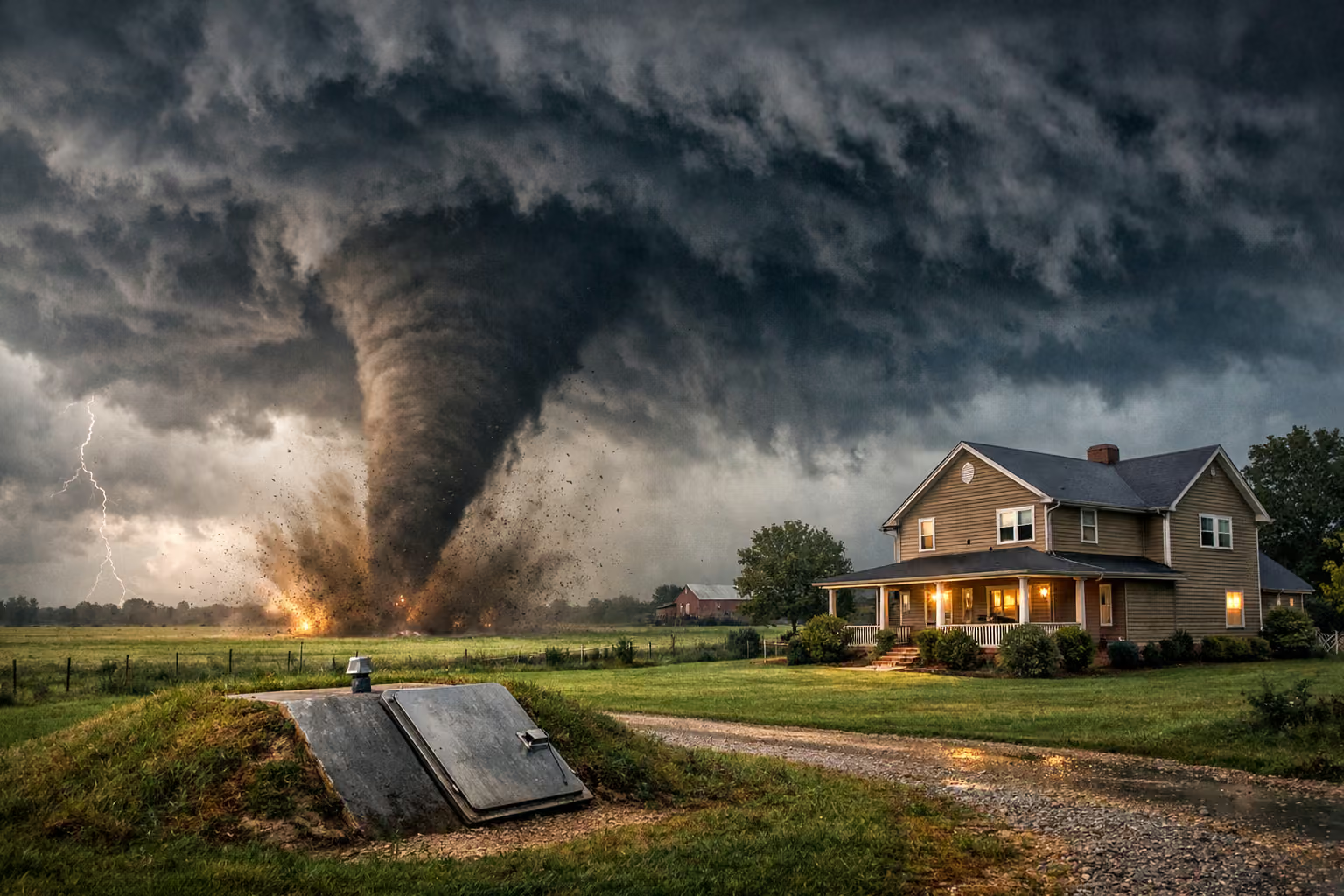
Why Georgia Tornado Season Demands Preparedness
Severe weather is a reality for many parts of the southeastern United States, and Georgia tornado season is a time when residents must stay especially alert. Tornadoes in Georgia may not always receive the same national attention as storms in Tornado Alley, but they still pose a serious risk to homeowners across the state.
Many people ask questions such as does Georgia get tornadoes or are tornadoes common in Georgia. The answer is yes. Georgia experiences tornadoes every year, and some storms can become powerful and destructive.
Georgia’s location places it in a region where warm, humid air from the Gulf of Mexico often collides with cooler air masses moving across the country. This clash of atmospheric conditions can produce powerful thunderstorms capable of spawning tornadoes.
For homeowners, tornado season brings several important safety concerns:
- Sudden severe storms that develop quickly
- High winds capable of damaging homes and infrastructure
- Flying debris that creates dangerous conditions during storms
Because tornadoes can form rapidly, having a plan and a reliable place to take shelter can make a critical difference.
Modern storm shelters and safe rooms are specifically designed to protect occupants during extreme weather events. Many of these structures are engineered to meet nationally recognized safety standards and withstand the intense winds and debris impacts associated with major tornadoes.
Understanding tornado season in Georgia and how to prepare helps residents protect their families and property.
When Is Tornado Season in Georgia?
One of the most common questions homeowners ask is when is tornado season in Georgia. Unlike some regions where tornado activity occurs during a single narrow window, Georgia typically experiences two periods of increased tornado activity.
The primary Georgia tornado season usually occurs between March and May. During this time, atmospheric instability is high and strong storm systems move across the Southeast.
A secondary tornado season can also occur in the fall, particularly between November and early December.
During these months, severe thunderstorms may produce:
- Tornadoes
- Damaging straight-line winds
- Large hail
- Heavy rainfall and flash flooding
Because tornadoes in Georgia can occur during both spring and fall, homeowners should stay alert to weather forecasts throughout the year.
Another important factor is that Georgia tornadoes sometimes occur at night. Nighttime storms can be especially dangerous because visibility is low and many people may be asleep when warnings are issued.
Does Georgia Have Tornadoes Every Year?
Many residents wonder does Georgia have tornadoes regularly or are there tornadoes in Georgia every year. The answer is yes. Georgia experiences tornado activity annually, although the number and strength of storms vary from year to year.
Georgia is not located in the center of Tornado Alley, but the state still has a moderate tornado risk because of its weather patterns and geography.
Several factors contribute to the Georgia tornado risk, including:
- Warm, moisture-rich air flowing north from the Gulf of Mexico
- Strong storm systems moving east across the United States
- Atmospheric instability that fuels severe thunderstorms
Because of these conditions, severe storms can develop quickly and produce tornadoes with little warning.
For this reason, many homeowners take proactive safety measures such as installing storm shelters or safe rooms.
How Homeowners Can Prepare for Georgia Tornado Season
Preparing before severe storms arrive is one of the best ways to protect your household during tornado season in Georgia.
Monitor Weather Conditions and Alerts
Staying informed is the first step in tornado preparedness. Severe weather alerts can give homeowners valuable time to move to a safe location.
Common alert systems include:
- NOAA weather radios
- Smartphone emergency alerts
- Local television weather broadcasts
- Weather apps with push notifications
Using multiple alert systems ensures warnings are received even if power or internet services are disrupted.
Understanding the difference between alerts is also critical. Learning about tornado watch vs warning can help homeowners respond quickly when severe weather warnings are issued.
Create a Household Tornado Safety Plan
Every household should have a clear tornado safety plan that outlines what to do when a tornado warning is issued.
Your safety plan should include:
- A designated shelter location
- Emergency contact information
- A communication plan for family members
- Instructions for pets and children
Practicing this plan helps ensure everyone knows how to respond quickly during severe weather.
Running occasional safety drills can make a big difference, especially for families with children or larger households.
Prepare an Emergency Supply Kit
During Georgia tornado season, severe storms may cause power outages or property damage that limits access to supplies.
An emergency kit should include:
- Flashlights and batteries
- Bottled water
- Nonperishable food
- First aid supplies
- Blankets or protective helmets
Keeping these supplies stored inside or near your shelter area ensures they are accessible during an emergency.
Install a Reliable Storm Shelter or Safe Room
One of the most effective ways to protect your family during tornadoes in Georgia is installing a reinforced storm shelter or safe room.
Residential storm shelters come in several configurations, including:
These shelters are designed to withstand extreme tornado winds and debris impact, providing dependable protection during severe storms.
Homeowners considering installation may want to review detailed guidance such as the FEMA storm shelter installation guide to understand recommended safety standards.
Reduce Storm Hazards Around Your Property
Preparing your property can also help reduce potential storm damage.
Homeowners should take steps such as:
- Trimming tree branches near structures
- Securing outdoor furniture or equipment
- Inspecting roofing and siding for damage
- Ensuring gutters and drainage systems are clear
These precautions help minimize hazards during severe weather events.
Some homeowners also use automated weather alert tools such as Storm Mode to stay aware of approaching storms and severe weather conditions.
Real-World Situations Where Tornado Protection Matters
Understanding tornado risks is important, but real-world scenarios show why preparation matters.
Families With Children
Families benefit from having a clear safety plan and a designated shelter area where everyone can quickly gather when warnings are issued.
Homeowners in Storm-Prone Areas
Residents in regions that experience frequent severe storms often install storm shelters to provide consistent protection during tornado season.
Multi-Person Households
Larger households may require shelters capable of protecting multiple occupants at once, ensuring everyone has a safe location during extreme weather events.
Storm shelter installations are also common across neighboring states. Homeowners exploring protection options may also find information about nearby regions such as Mississippi storm shelter service areas.
These scenarios demonstrate how proactive planning can improve safety during tornado season.
Practical Safety Tips for Georgia Tornado Season
Preparation is essential, but knowing how to respond during a storm is equally important.
Take Tornado Warnings Seriously
When a tornado warning is issued, immediately move to your designated shelter area.
Stay Away From Windows
Glass and debris can become dangerous projectiles during tornadoes.
Protect Your Head and Neck
Use blankets, pillows, or helmets if available to reduce injury risk from debris.
Keep Emergency Supplies Nearby
Flashlights, water, and first aid supplies should always be within reach.
Monitor Weather Updates
Continue listening to weather reports until authorities confirm the storm threat has passed.
These safety practices can help reduce risks during severe storms.
Staying Safe During Georgia Tornado Season
Every year, Georgia tornado season brings the potential for severe storms and dangerous weather conditions. While tornadoes can develop quickly, homeowners who take proactive steps can significantly improve their safety.
By staying informed, preparing emergency plans, and installing reliable storm protection, families can reduce risks during extreme weather events.
Storm shelters and safe rooms provide one of the most dependable forms of tornado protection available. When severe weather strikes, having a secure shelter location can make all the difference.
With the right preparation and protective solutions, Georgia homeowners can face tornado season with greater confidence and peace of mind.
Frequently Asked Questions About Georgia Tornado Season
When does tornado season occur in Georgia?
The primary tornado season in Georgia usually occurs from March through May. A secondary season may also appear during late fall between November and early December.
Are tornadoes common in Georgia?
Yes. While Georgia experiences fewer tornadoes than states in Tornado Alley, severe storms capable of producing tornadoes occur regularly each year.
Does Georgia get tornadoes every year?
Yes. Tornadoes in Georgia occur annually, although the number and intensity vary depending on weather conditions.
What is the safest place during a tornado?
The safest place is a reinforced storm shelter or safe room designed to withstand tornado winds and debris. If one is not available, an interior room on the lowest floor of a building can offer some protection.
Are storm shelters worth installing in Georgia?
Yes. Storm shelters provide reliable protection during tornadoes and severe storms, offering peace of mind for homeowners and families in areas prone to extreme weather.