
Do You Need a Permit for a Storm Shelter in Kentucky?
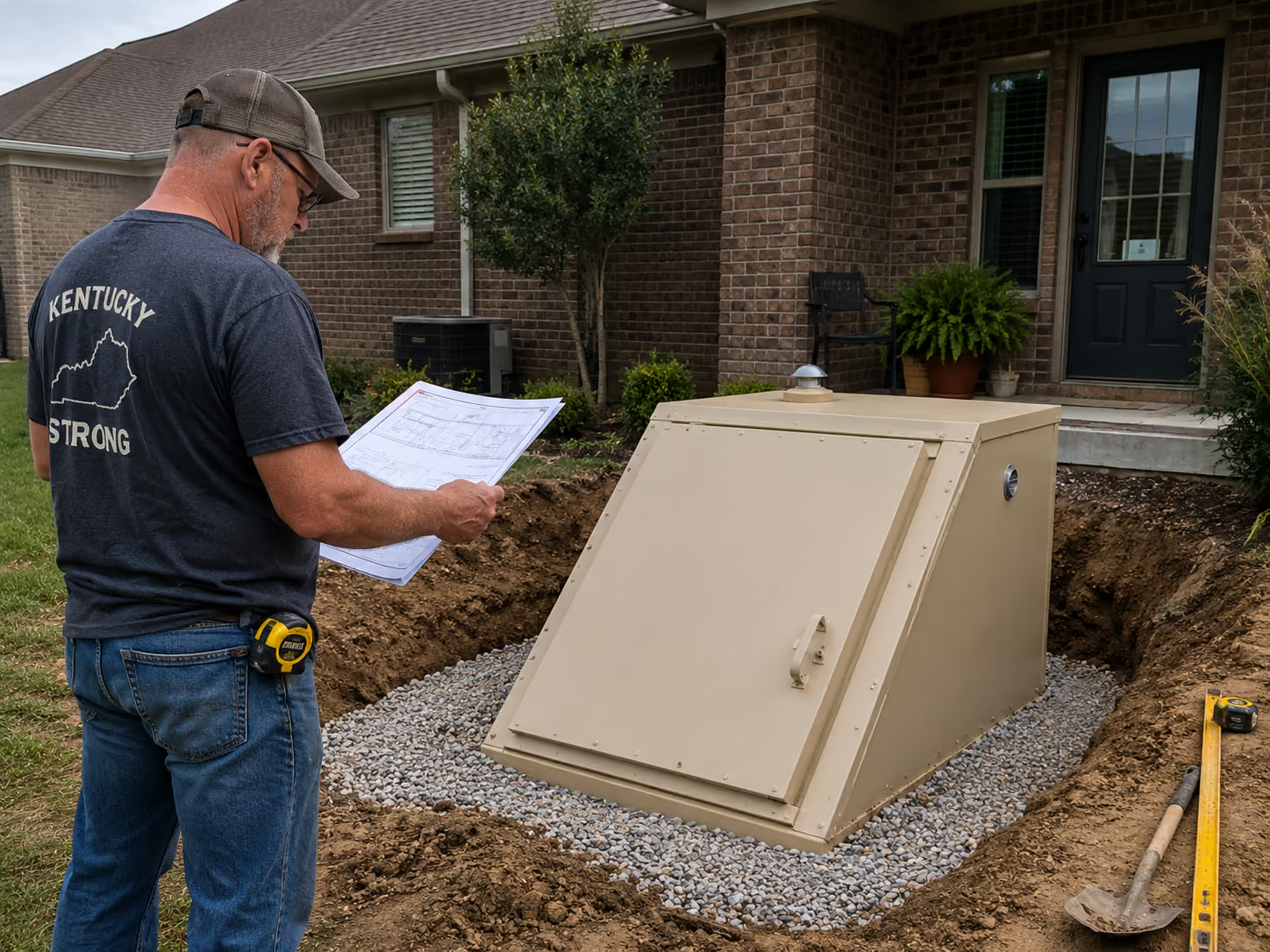
One of the most common questions homeowners ask before installing a storm shelter is:
“Do I need a permit for this?”
The answer in Kentucky is:
Sometimes — but it depends on the shelter type, the installation method, and local building requirements.
Some storm shelter installations may require permits or inspections, while others may not depending on the city, county, foundation requirements, or whether the shelter is installed above ground, underground, or inside an existing structure.
That uncertainty causes confusion for many homeowners.
People often assume storm shelter permitting is either universally required or never required at all. In reality, requirements can vary significantly between Kentucky communities.
The important thing is making sure the installation follows local requirements where applicable and that the shelter is installed safely and correctly for long-term protection.
Do Storm Shelters Require Permits in Kentucky?
Some storm shelter installations in Kentucky may require permits depending on:
- the shelter type
- local city or county regulations
- installation location
- concrete or foundation work
- excavation requirements
- electrical work if applicable
Permit requirements are often determined locally rather than statewide.
For example, one Kentucky community may require permits for certain above-ground storm shelters or safe rooms, while another may not.
Underground shelter installations may also involve additional considerations because excavation, grading, or drainage work can trigger local review requirements.
That is why homeowners should verify permit requirements before installation begins.
Why Storm Shelter Permit Requirements Vary
Storm shelter permitting is not always straightforward because local building departments may handle shelters differently depending on:
- structure type
- installation method
- foundation work
- excavation depth
- property zoning
- utility proximity
- engineering requirements
Some communities may classify certain shelters similarly to accessory structures, while others may focus mainly on the installation work itself.
For homeowners, this creates understandable confusion.
A family researching shelters online may hear completely different answers from different regions because permit rules often vary locally.
That is one reason homeowners researching Kentucky storm shelters should evaluate permit questions based on their actual installation location instead of assuming every city or county follows identical rules.
What Types of Storm Shelter Installations May Require Permits?

Above-Ground Storm Shelters
Above-ground storm shelters sometimes require permits depending on:
- anchoring requirements
- slab work
- shelter size
- installation location
- local engineering requirements
Garage-installed shelters may also be reviewed differently than outdoor installations depending on the municipality.
For many homeowners, the permit question is tied more to the installation method than the shelter itself.

Safe Rooms
Safe rooms may require permits when:
- structural modifications are involved
- concrete work is required
- installation affects existing structures
- local code review applies
Indoor installations can sometimes simplify the process, but requirements still vary depending on the local jurisdiction.

Underground Storm Shelters
Underground storm shelters may involve additional permitting considerations because excavation and grading work can affect local building review requirements.
Potential considerations include:
- excavation depth
- drainage planning
- setback requirements
- utility line clearance
- grading conditions
Certain Kentucky properties may also require additional planning because of slope conditions, drainage concerns, or access limitations.
HOA and Property Restrictions
Some homeowners also need to consider:
- HOA restrictions
- neighborhood covenants
- placement limitations
- utility easements
- setback rules
Even when a local permit is not required, property restrictions may still affect installation placement or shelter configuration.
What the Permit Process Usually Looks Like
For most homeowners, the permit process is usually far less dramatic than they expect.
In many cases, the biggest step is simply verifying whether local approval is required before installation begins.
Depending on the jurisdiction, the process may involve:
- submitting installation information
- reviewing engineering specifications
- verifying placement requirements
- confirming setback compliance
- scheduling inspections if required
Many Kentucky homeowners initially worry that permitting will significantly delay installation, but local requirements are often manageable once the correct information is confirmed.
The key is addressing permit questions before installation day instead of after work begins.
Homeowners reviewing installation planning often also read storm shelter placement guidance to better understand accessibility and site planning considerations.
Planning Storm Shelter Installation the Right Way
Steadfast Storm Shelters helps Kentucky homeowners compare:
- above-ground storm shelters
- underground storm shelters
- safe rooms
- installation configurations
- accessibility-focused shelter layouts
based on realistic property conditions and severe weather planning goals.
Families evaluating installation logistics can also explore full storm shelter options before deciding which shelter type best fits their property and emergency needs.
The goal is not just installing a shelter quickly.
It is making sure the installation is practical, safe, and properly planned from the beginning.
What Kentucky Homeowners Should Do Before Installation
Before scheduling installation, homeowners should:
- verify local permit requirements
- confirm property placement options
- identify utility lines if needed
- review drainage and grading conditions
- evaluate accessibility during severe weather
- determine whether HOA restrictions apply
The best next step is usually reviewing your property layout and installation goals before finalizing shelter placement.
Compare Storm Shelter Installation Options
Get help comparing storm shelter types, installation layouts, and accessibility considerations for your Kentucky property.