
Where Should You Install a Storm Shelter in Alabama?
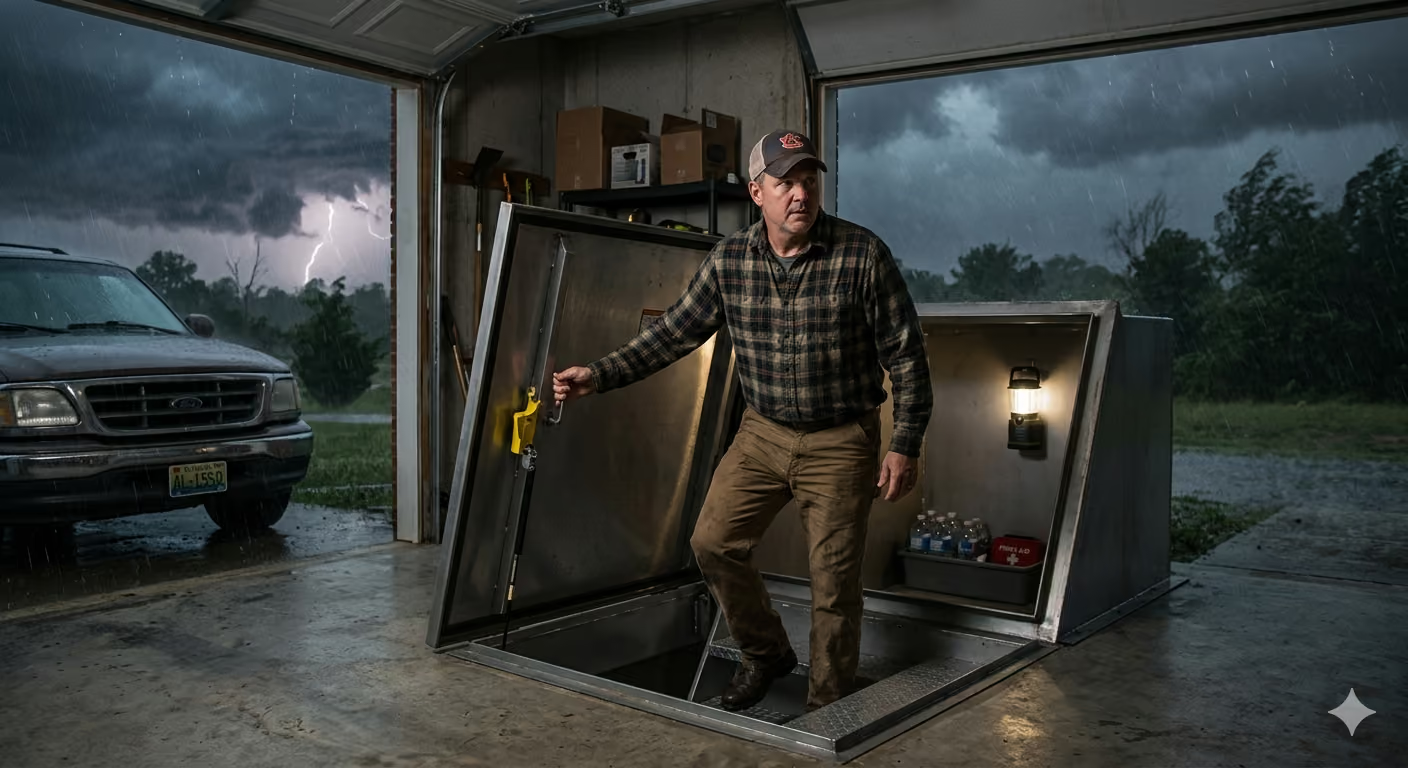
The best place to install a storm shelter in Alabama is usually the location your family can reach fastest during a real tornado warning.
That sounds obvious, but many homeowners initially focus on the wrong factors. They think about extra yard space, convenience during construction, or where the shelter will be least visible. During real severe weather, though, accessibility becomes far more important.
In Alabama, tornado warnings often happen at night, during heavy rain, or with only minutes to react. Families may be trying to wake children, move elderly family members, gather pets, or navigate darkness and power outages while severe weather is approaching quickly.
A storm shelter that is difficult to reach during those moments may not be the best fit, even if the shelter itself is extremely strong.
The best installation location usually balances:
- fast accessibility
- practical emergency use
- safe installation conditions
- drainage considerations
- realistic family response during severe weather
Where Should You Install a Storm Shelter?
For many Alabama homeowners, the best storm shelter location is inside the garage or immediately beside the home where it can be reached quickly during severe weather.
The right location usually depends on:
- how quickly your family can access the shelter
- whether elderly family members need easier entry
- whether garage placement is available
- whether outdoor placement creates drainage concerns
- whether children can safely reach the shelter during emergencies
Garage installations are extremely common because they allow homeowners to reach protection without going far outside during dangerous weather conditions.
Many homeowners comparing placement layouts first review available storm shelter options based on garage access, property layout, and emergency accessibility.
Outdoor placements can also work very well, especially on larger rural properties with enough space and proper grading.
The best storm shelter placement is usually the one your household can consistently and confidently access under pressure.
Why Placement Is So Important During Alabama Tornadoes
Alabama experiences some of the most dangerous tornado conditions in the country, including:
- nighttime tornadoes
- fast-moving storm systems
- heavy rain during warnings
- limited visibility
- rapidly changing severe weather conditions
That creates a practical challenge many homeowners underestimate.
A family trying to reach a shelter at 2 AM during heavy rain is dealing with a very different situation than someone calmly evaluating placement during daylight hours.
Questions homeowners should realistically ask include:
- Can everyone reach the shelter quickly?
- Will heavy rain make outdoor access harder?
- Is the shelter accessible for children or elderly family members?
- Would darkness or debris slow emergency access?
- Does the location create drainage or flooding concerns?
The safest storm shelter is usually the one your family can realistically reach within seconds during stressful severe weather situations.
That is one reason many homeowners researching Alabama storm shelters prioritize accessibility and realistic emergency usability alongside structural protection.
Best Storm Shelter Placement Options
Garage Storm Shelter Installation
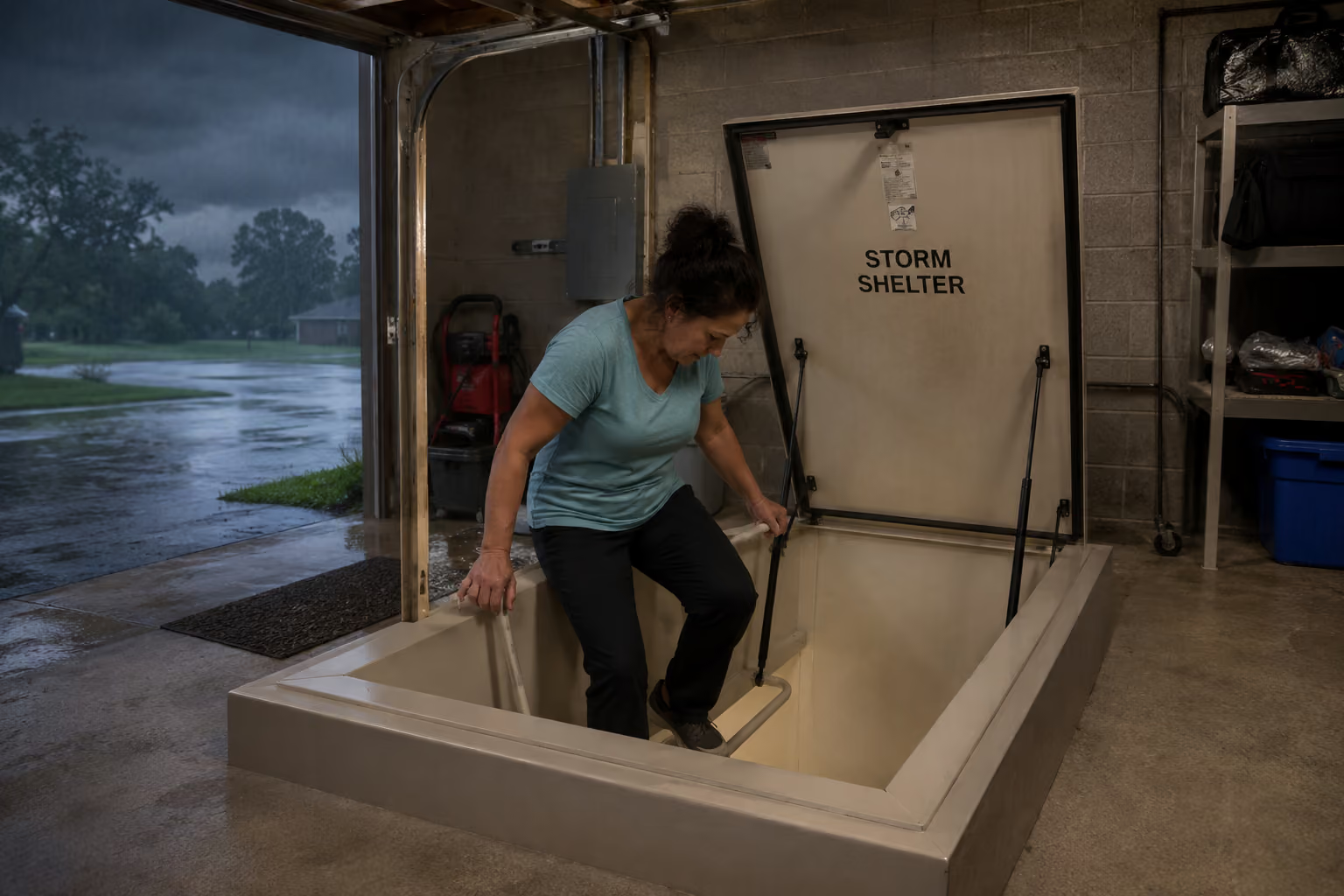
Garage installations are one of the most common storm shelter setups across Alabama.
Why Homeowners Prefer Garage Placement
- fast indoor accessibility
- easier nighttime access
- protection without crossing the yard during storms
- practical for children and elderly family members
- strong fit for above-ground shelters and safe rooms
Many Alabama homeowners choose garage installations because they reduce exposure to rain, hail, lightning, and flying debris during severe weather.
Homeowners planning garage installations often review storm shelter installation instructions before deciding on placement and accessibility layout.

Outdoor Storm Shelter Placement
Outdoor storm shelter placement can work extremely well on properties with enough available space and proper installation conditions.
Advantages
- more flexibility for larger shelters
- ideal for some concrete shelter installations
- strong fit for larger rural properties
- allows separation from garage space
Important Considerations
- drainage and grading
- emergency accessibility
- distance from the home
- tree coverage and debris exposure
- water runoff conditions
For many Alabama homeowners, outdoor placement works best when the shelter can still be reached quickly during severe weather.

Underground Shelter Placement
Underground shelters are commonly installed:
- inside garages
- beside homes
- in backyards
Important Placement Factors
- drainage conditions
- excavation access
- grading and water management
- emergency accessibility
- long-term maintenance conditions
Certain Alabama properties require careful site planning before underground installation because heavy rainfall and runoff patterns can affect drainage performance.
Indoor Safe Room Placement
Indoor safe rooms are popular for homeowners wanting protection without leaving the structure during severe weather.
Why Homeowners Choose Safe Rooms
- immediate indoor accessibility
- no outdoor exposure during storms
- strong fit for nighttime tornadoes
- practical for mobility limitations
- easier family accessibility
For many Alabama families, the ability to move directly into protection during severe weather creates a major practical advantage.
What Alabama Homeowners Often Realize During the Decision Process
Many homeowners initially assume the best location is simply wherever extra space exists.
But once they think through a real tornado warning scenario, priorities often change.
A family trying to move quickly during severe weather may realize:
- outdoor access becomes harder during heavy rain
- stairs may slow elderly family members
- children may panic during nighttime warnings
- garage placement may improve response time significantly
- easier accessibility matters more than traditional placement ideas
That is one reason garage-installed shelters and indoor safe rooms continue becoming more popular across Alabama.
The best placement is usually the one that removes friction during stressful emergencies.
Choosing the Right Storm Shelter Setup
The best storm shelter setup depends on:
- your property layout
- garage availability
- outdoor space
- drainage conditions
- accessibility needs
- installation goals
- family emergency planning
Steadfast Storm Shelters helps Alabama homeowners compare storm shelter options based on realistic installation conditions and severe weather accessibility.
Homeowners comparing layouts, accessibility, and installation planning can also explore storm shelter financing options while planning long-term severe weather protection upgrades.
How to Choose the Best Shelter Location for Your Property
Before choosing placement, Alabama homeowners should evaluate:
- how quickly the shelter can be reached
- whether garage installation is possible
- whether drainage affects outdoor placement
- whether elderly family members need easier access
- how children will respond during emergencies
- how storms typically affect the property
The best next step is comparing realistic installation layouts based on your home, accessibility needs, and emergency planning goals.
Find the Best Fit for Your Property
Compare storm shelter placement options based on your property layout, accessibility needs, and severe weather concerns.