
Compare Storm Shelter Types
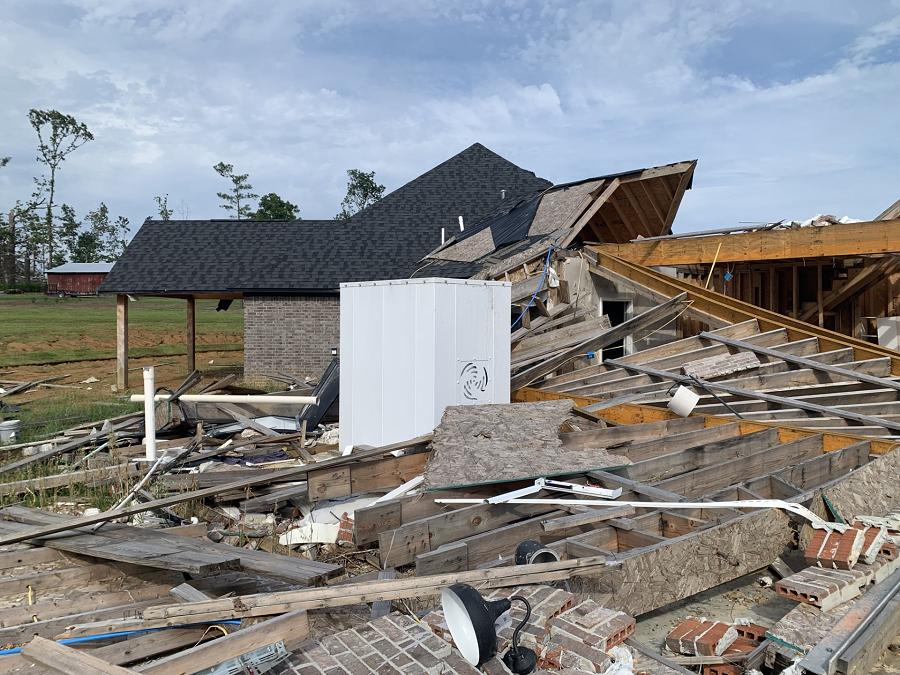
Find the Right Storm Shelter for Your Property
Choosing the right storm shelter starts with understanding the differences between above-ground and underground designs, as well as steel and concrete construction. This page compares storm shelter types by safety, installation, accessibility, maintenance, and best-use scenarios so homeowners, businesses, schools, and facilities can make a more confident decision.
Above-Ground vs Underground Storm Shelters
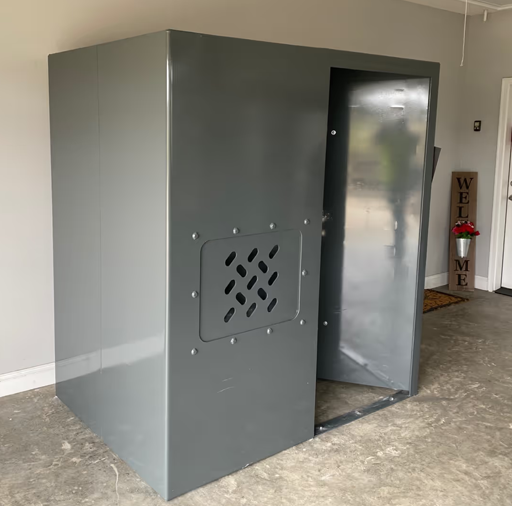
Above-Ground Storm Shelters
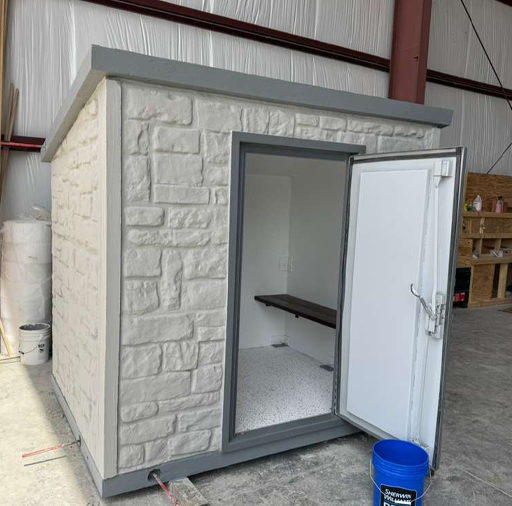
Above-ground storm shelters are ideal for homeowners and businesses that want fast access, easier entry, and installation in garages, carports, patios, or other accessible areas. These shelters are often preferred by families with children, older adults, and anyone who wants to avoid stairs or ladders during severe weather.
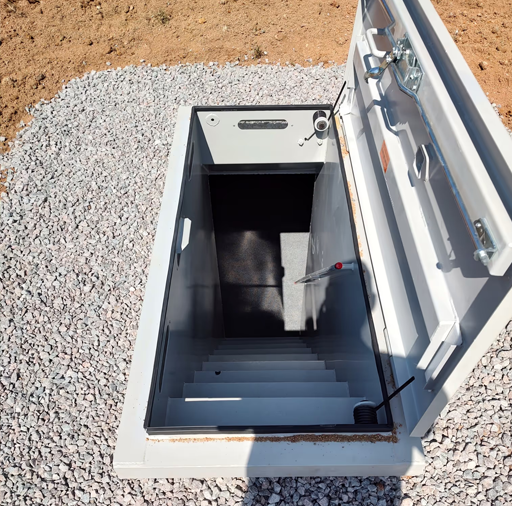
Underground Storm Shelters
Underground storm shelters are a traditional tornado protection option designed for below-grade installation. They are often chosen for discreet placement, space efficiency, and long-term protection in backyards, garages, or designated shelter areas.
Steel vs Concrete Storm Shelters
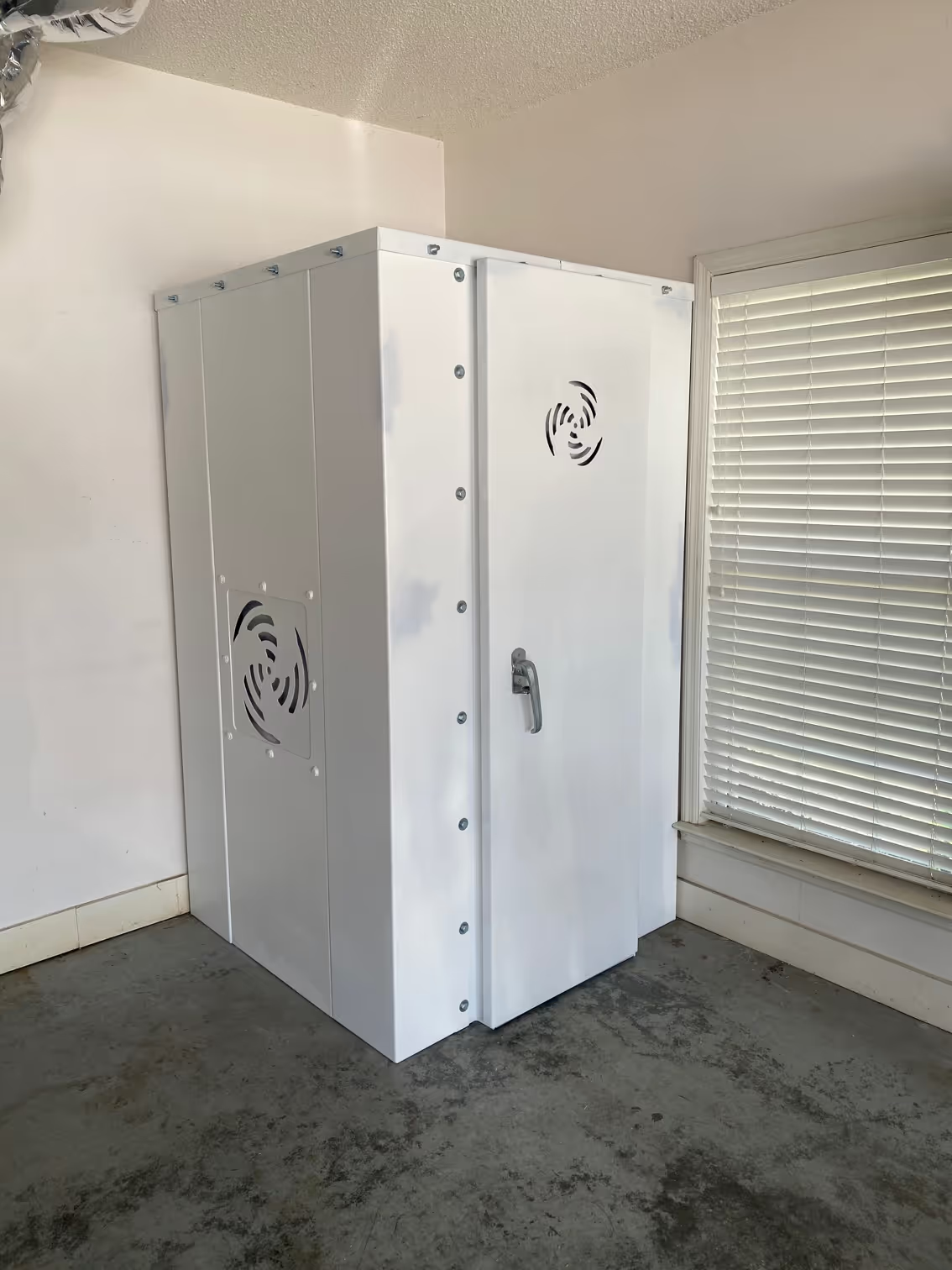
Steel Storm Shelters
Steel storm shelters are popular for their fast installation, engineered strength, and wide range of residential and commercial applications. They are commonly used in both above-ground and underground designs and can be a practical choice for garages, backyards, schools, and businesses.
Concrete Storm Shelters
Concrete storm shelters are often selected for permanent, heavy-duty protection and larger-capacity applications. They are commonly used for residential safety rooms, community shelters, schools, and commercial environments where reinforced construction and scale matter.
Storm Shelter Comparison Table
Installation Location
Garage, carport, patio, slab areas
Slab-based residential or commercial areas
Backyard, garage, below-grade areas
Backyard, dedicated below-grade installs
Accessibility
Excellent, no stairs or ladders
Good, depends on design
Moderate, may involve steps or ladder
Moderate, depends on entry design
Material / Construction
Engineered steel
Reinforced concrete
Engineered steel
Reinforced concrete
Typical Use Case
Homes, garages, small businesses
Homes, schools, commercial sites
Homes with discreet placement needs
Traditional high-strength below-grade protection
Best For
Fast access and mobility needs
Heavy-duty permanent protection
Space-efficient underground safety
Maximum below-ground durability
Capacity Range
Small to medium
Medium to large
Small to medium
Medium to large
Installation Complexity
Lower to moderate
Moderate
Moderate to high
High
Maintenance Considerations
Check coatings, hardware, ventilation
Inspect structure, entry, and drainage
Check drainage, hardware, coatings
Inspect drainage, structure, and entry points
Residential or Commercial Fit
Both
Both
Mostly residential, some commercial
Both
Main Advantage
Fast access
Strength and permanence
Discreet placement
Traditional heavy-duty below-grade protection
Which Storm Shelter Is Best for Your Property?
Best for Homes
For many homes, the best storm shelter depends on access preferences, available space, mobility needs, and whether the homeowner prefers above-ground convenience or underground placement.
Best for Garages and Carports
Above-ground steel storm shelters are often a strong fit for garages and carports because they offer fast access and straightforward installation.
Best for Backyards
Underground storm shelters are often popular for backyard placement when homeowners want a more discreet footprint.
Best for Schools, Businesses, and Facilities
Commercial storm shelters should be evaluated by capacity, code requirements, ADA considerations, and installation logistics. Larger steel or concrete systems may be more appropriate for these uses.
Need Help Comparing Shelter Types?
If you are deciding between above-ground vs underground storm shelters or steel vs concrete storm shelter options, the best next step is to speak with a team that can evaluate your property, safety priorities, and installation goals. Steadfast Storm Shelters helps homeowners and commercial buyers choose the right solution for real tornado protection.
Frequently Asked Questions
Are above-ground storm shelters as safe as underground shelters?
Above-ground storm shelters can provide excellent protection when they are properly engineered and built to meet or exceed FEMA and ICC-500 standards. The key is not simply whether the shelter is above or below ground, but whether it is designed, manufactured, and installed to the correct safety standards.
Is a steel or concrete storm shelter better?
The best material depends on the shelter’s use case, capacity requirements, installation environment, and buyer priorities. Steel and concrete storm shelters can both be effective choices when engineered for real tornado protection.
What is the best storm shelter for a home?
The best storm shelter for a home depends on available space, mobility needs, desired access, budget, and installation preferences. Some homeowners prefer above-ground convenience, while others prefer underground placement.
What is the difference between a storm shelter and a safe room?
A storm shelter and a safe room are closely related concepts used for life safety during severe weather. In many residential and commercial contexts, the terms are used interchangeably, though the design and application can vary depending on the structure and protection goals.

Steadfast Storm Shelters provides FEMA- and ICC-compliant tornado shelters and safe rooms engineered for EF-5 protection. Veteran-family owned and proudly serving Alabama, Tennessee, Kentucky, Mississippi, and Arkansas.

Text for Quote
Usually replies fast