
Best Storm Shelter for Alabama Slab Homes
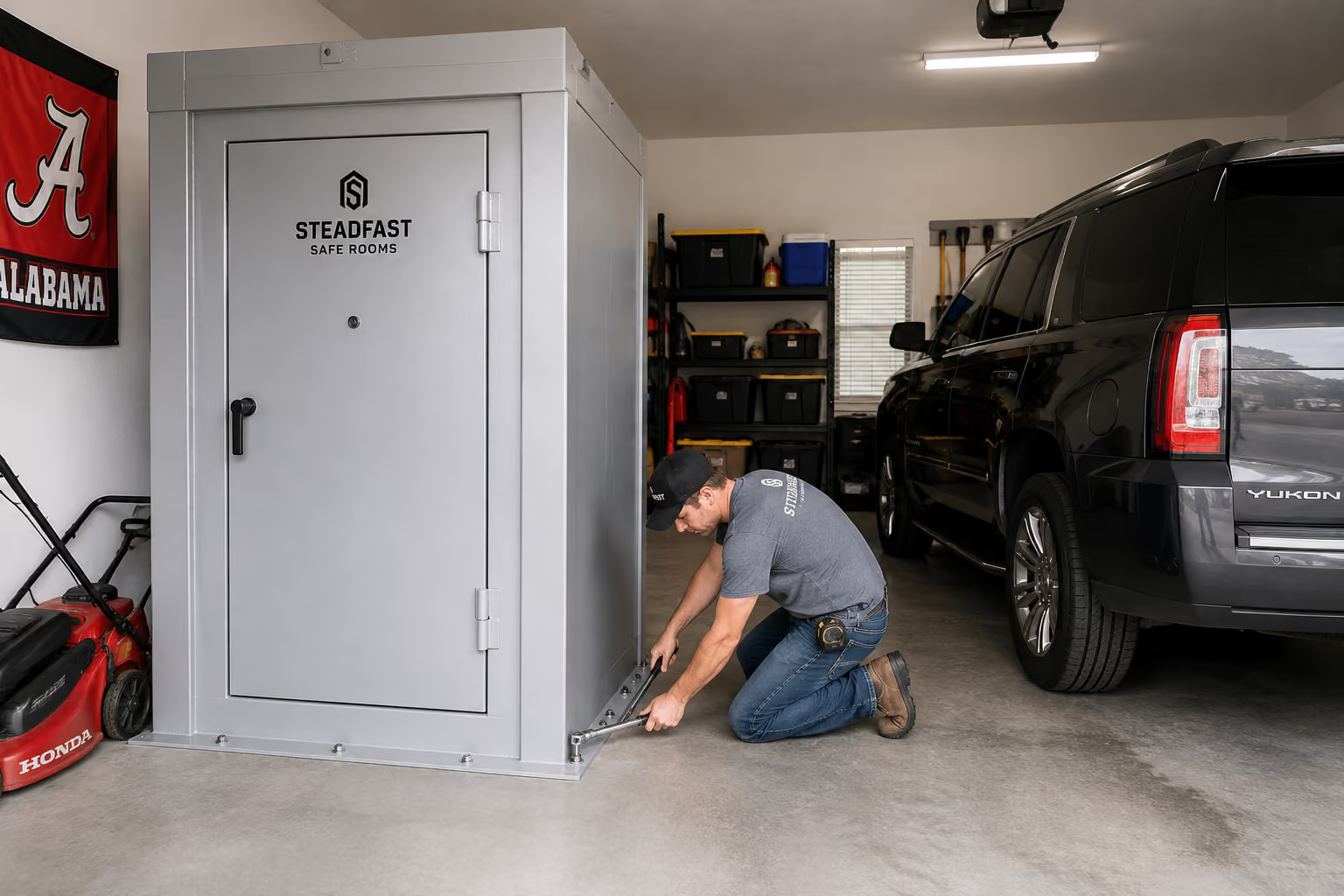
The best storm shelter for slab foundation homes is a certified EF-5 rated above-ground safe room or reinforced concrete unit anchored directly to your existing concrete slab. When the sirens wail across Dixie Alley and you realize your home lacks a basement, the fear of having nowhere to go is overwhelming.
For many Alabama homeowners, traditional underground cellars aren't an option due to high water tables or rocky soil, leaving families feeling exposed during peak tornado season. A storm shelter for slab foundation installations must be engineered with specialized anchoring systesteel and concrete unitsms to ensure the structure remains immovable even when the surrounding home is compromised.
By reading this guide, you will understand the critical engineering differences between steel and concrete units and learn how to evaluate your home’s current slab for a secure installation. You will gain the clarity needed to choose a life-safety solution that fits your property and protects your family.
Let's explore why above-ground protection is the gold standard for slab-style homes.
Engineering Absolute Security for Slab-Style Properties
A storm shelter for slab foundation homes is a high-performance, EF-5 rated safe room engineered to be bolted or cast onto a reinforced concrete pad rather than buried underground. Unlike traditional storm cellars, these units use the mass of the slab and specialized heavy-duty anchoring systems to remain stationary against 250+ mph wind speeds.
This design is the primary no basement storm shelter solution for homeowners who live in areas where the water table is too high or the bedrock is too dense for excavation.
In Alabama, the necessity of this technology cannot be overstated. When a tornado strikes, homes on a slab foundation are often stripped to the concrete, leaving occupants with no interior place of refuge. By installing a storm shelter for slab foundation homes, you are essentially creating an indestructible "island" of safety.
This decision directly impacts your family's survival, moving you from a state of vulnerability to one of prepared protection. Understanding the difference between shelter types is the first step in ensuring your foundation can support the specific weight and wind-load requirements of a safe room.
Key advantages of this specialized protection include:
- Immediate Accessibility: Above-ground units offer "no-stairs" entry, which is critical for family members with mobility challenges or during rapid-onset weather events.
- Structural Redundancy: These units are over-engineered to withstand extreme debris impact, ensuring the door and walls remain functional even if the rest of the house fails.
- Environmental Versatility: They are the best storm shelter for slab homes located in flood-prone or rocky regions where digging is physically impossible or unsafe.
A common misconception is that a standard closet or bathroom offers sufficient protection. In reality, without EF-5 rated steel or concrete reinforcement anchored to the slab, these rooms lack the structural integrity to survive a direct hit.
Comparing the Best Above-Ground Options for Alabama Slab Homes
Choosing a storm shelter for slab foundation homes requires a balance of engineering standards, accessibility, and property layout. Since your home serves as the primary host for the unit, the selection process must prioritize how the shelter interacts with your concrete slab to ensure it remains a point of absolute security during an EF-5 event.
Reinforced Concrete Above-Ground Shelters
For many, the best storm shelter for slab homes is a pre-cast, reinforced concrete unit. These structures are valued for their immense mass and structural density. Because they are cast as a single, monolithic piece (or with a heavy-duty lid), they provide a sense of "unshakable" security.
- Why it matters: The weight of the concrete alone provides a natural defense against high winds. When combined with professional anchoring into your slab, these units become virtually impossible to move.
- Best for: Homeowners with available outdoor space, carports, or large garages. They are an ideal storm shelter for slab foundation installations because they can be placed quickly on a pre-verified exterior pad.
High-Grade Steel Safe Rooms
A slab home safe room constructed of high-grade steel is the most versatile option for interior installations. These units are engineered with thick steel plating and internal framing that meets or exceeds FEMA P-361 standards.
- Why it matters: Steel units can be custom-sized to fit into existing closets, laundry rooms, or the corner of a garage. They are bolted to the slab using heavy-duty Hilti anchors or similar wedge-bolt systems that can withstand thousands of pounds of uplift pressure.
- Best for: Families who want the fastest possible access without stepping outside. They are particularly effective for those who need a no basement storm shelter that integrates seamlessly into the home’s floor plan.
Key Considerations for Your Slab Foundation
Before selecting a unit, you must evaluate the foundation it will rest upon. Not all concrete slabs are created equal, and the integrity of the shelter is only as good as the ground beneath it.
- Concrete Thickness: Most EF-5 rated shelters require a minimum of 4 inches of reinforced concrete to support the anchoring system. Our team can help assess if your existing garage or patio slab meets these requirements.
- PSI Strength: The "compression strength" (PSI) of the concrete determines how well the anchor bolts will hold under extreme tension. If your slab is older or cracked, we may recommend a new reinforced pour to ensure the unit stays put.
- Placement Logistics: Consider the "path of travel." In a midnight storm, how many doors or obstacles are between you and the shelter? The goal is to minimize the time it takes to move from your bed to a secure position.
Making the Final Choice
Ultimately, the decision between steel and concrete comes down to your property’s footprint and your personal preference for material feel. Both options, when properly installed by veterans of the industry, provide the same level of life-safety protection. If budget is a primary concern, exploring flexible financing options can help you prioritize safety without delaying the installation until the next storm season.
By focusing on these engineered solutions, Alabama slab-home owners can replace the anxiety of being "basement-less" with the confidence that they have a failure-proof refuge just steps away.
Real-World Applications for Slab Foundation Protection
Understanding the technical specifications is important, but seeing how these units function in daily life confirms why they are the preferred choice for Alabama residents. These practical scenarios demonstrate how different households successfully integrate a high-performance safety solution into their properties.
- The Interior Retrofit: A family in a suburban Birmingham ranch-style home needed a no basement storm shelter but had zero outdoor space for a large concrete unit. They chose to install a custom steel slab home safe room in their existing master closet, which involved professional anchoring directly into the house's reinforced foundation.
The outcome was a discreet, high-security refuge that provided immediate access without requiring the family to step out into dangerous weather.
- The Garage Transformation: A retired couple in Huntsville wanted the best storm shelter for slab homes that wouldn't interfere with their lawn maintenance.
They opted for a compact steel unit bolted to the back corner of their garage, allowing them to park their vehicle while maintaining a clear path to safety. This setup ensured they could reach the shelter in seconds, even with limited mobility, providing absolute peace of mind during nighttime warnings.
- The Rural Concrete Pad: For a property owner in rural Cullman County, an above-ground reinforced concrete unit was placed on a newly poured exterior pad behind the kitchen.
This provided a high-capacity, heavy-duty solution that stood independent of the main house structure, ensuring protection even if the home suffered significant wind damage.
These examples highlight that regardless of your home's layout, there is a functional way to secure your family. You can achieve the same level of preparedness by selecting the configuration that best fits your daily routine.
Expert Best Practices for Slab-Home Safety
Applying these professional insights ensures that your choice of a storm shelter for slab foundation homes translates into maximum safety when it matters most. These tips are designed to bridge the gap between simply purchasing a unit and ensuring it is perfectly integrated into your emergency plan.
- Verify Your Concrete’s PSI and Thickness: The strength of your no basement storm shelter depends entirely on the concrete it is anchored to. Ensure a professional assesses your garage or patio slab to confirm it meets the minimum 3,000 PSI and 4-inch thickness requirements.
If your slab is substandard, a small reinforced concrete pad can be poured specifically for the unit to prevent anchor failure during extreme uplift.
- Prioritize a "Zero-Obstacle" Entry Path: In an EF-5 event, seconds are your most valuable resource. Position your slab home safe room in an area that doesn’t require moving heavy equipment or navigating cluttered hallways to enter. For example, a corner of the garage that is always kept clear is far superior to a shed located fifty feet across a rainy yard.
- Maintain Your Anchoring Hardware: Over time, humidity and vibration can affect the tension of the bolts securing your unit. Every six months, perform a quick visual check to ensure the base plates are flush against the slab and that no rust is forming around the mechanical anchors. This simple habit preserves the structural integrity of your life-safety investment for decades.
Following these expert guidelines transforms a structural addition into a fail-proof refuge, providing your family with the highest level of preparedness and confidence.
Securing Your Home with a Reliable Storm Shelter for Slab Foundation Homes
Selecting a storm shelter for slab foundation homes is the most effective way to protect your family when a basement is not an option. You now understand that by anchoring an EF-5 rated safe room or a reinforced concrete unit directly to your foundation, you create a failure-proof refuge that can withstand the most extreme wind speeds in Alabama.
With the right material choice—whether a slab home safe room or an outdoor concrete unit—you can eliminate the uncertainty of storm season and ensure every member of your household has a clear, accessible path to safety.
Taking the step to secure your property today means you’ll be "ready, not afraid" when the next weather warning is issued. Investing in a certified life-safety solution provides a permanent sense of security that significantly improves your family’s preparedness and peace of mind.
If you are ready to evaluate your property’s foundation and find the perfect fit for your home, explore our storm shelter for slab foundation homes and request a professional consultation today.
Frequently Asked Questions About Storm Shelters for Slab Homes
Can you put a storm shelter on an existing concrete slab?
Yes, you can absolutely install a storm shelter for slab foundation homes on an existing concrete surface, provided the concrete meets specific engineering requirements.
The slab must generally be at least 4 inches thick and free of major structural cracks to ensure the anchor bolts remain secure under extreme wind uplift. Our team evaluates your current shelter installation site to confirm it can support the weight and safety standards required for EF-5 protection.
What is the best storm shelter for slab homes with limited space?
For homes with limited space, a steel slab home safe room is typically the best option. These units have a more compact footprint than concrete shelters and can be installed inside a garage, a large closet, or a laundry room.
Because they are bolted directly to the slab, they provide the same level of EF-5 rated security as larger units while keeping your family sheltered within the existing walls of your home.
Is an above-ground storm shelter safe on a slab foundation?
Yes, an above-ground storm shelter for slab foundation properties is just as safe as an underground unit when it is properly engineered and anchored. These shelters are specifically tested at the Texas Tech Wind Institute to withstand 250+ mph winds and heavy debris impacts.
For homeowners with no basement storm shelter options, a professionally anchored safe room is the gold standard for surviving a direct hit from an EF-5 tornado.
How much does it cost to install a storm shelter for slab foundation homes?
The cost varies based on the material, size, and whether any slab reinforcement is needed prior to installation. Generally, a slab home safe room or concrete unit is a long-term investment in your family’s safety.
To make this life-saving technology accessible to more Alabama families, we offer flexible financing options that allow you to secure your home now and pay over time, ensuring your protection isn't delayed by upfront costs.