
Storm Shelters in Wichita, KS

Living in Wichita means enjoying wide-open skies, strong neighborhoods, and a deep-rooted sense of resilience. It also means living in one of the most tornado-prone regions in the country. Kansas sits at the heart of Tornado Alley, where powerful storm systems can develop rapidly and leave very little time to react.
In Wichita and throughout Sedgwick County, tornado warnings are not rare events. Spring and early summer storms regularly bring intense winds, hail, and rotating systems capable of producing destructive tornadoes. When warnings are issued, families often have only minutes to reach a truly safe space.
Most Wichita homes are built on slab foundations, and basements, while more common than in coastal states, are not guaranteed or always properly reinforced. Interior rooms and hallways were never designed to withstand extreme wind pressure or airborne debris. That reality makes investing in Storm Shelters in Wichita, Kansas a practical safety decision, not an upgrade.
Purpose-built storm shelters are engineered to withstand violent winds and impact from debris, providing a dependable place to go when conditions turn dangerous. Whether you are researching underground storm shelters in Kansas, comparing above-ground shelter options, or trying to understand storm shelter cost, local expertise matters.

At Steadfast Storm Shelters, we help Wichita homeowners, businesses, and facilities choose shelter solutions designed for Kansas soil conditions, local property layouts, and regional safety standards. Our process is clear, honest, and focused on protecting what matters most.
Why Tornado and Storm Shelters Matter in Wichita
Wichita is no stranger to severe weather. As part of Tornado Alley, the region experiences frequent rotating storms that can escalate quickly, often with limited advance warning.
Storm shelters are especially important in Wichita because of several local factors:
- High tornado frequency across south-central Kansas
- Fast-moving storm systems with limited warning time
- Slab-built homes or unfinished basements without reinforced safe areas
- Expanding residential developments where permanent protection adds long-term value
A dedicated tornado or storm shelter removes hesitation during emergencies. There is no scrambling for the safest room and no second-guessing. You already know exactly where to go, and that clarity can make all the difference when seconds matter.

Tornado and Storm Shelter Options for Wichita Homes
Every property in Wichita is different. Yard size, soil composition, accessibility needs, household size, and home layout all play a role in choosing the right shelter. The best storm shelter is the one that fits both the property and the people who will rely on it.
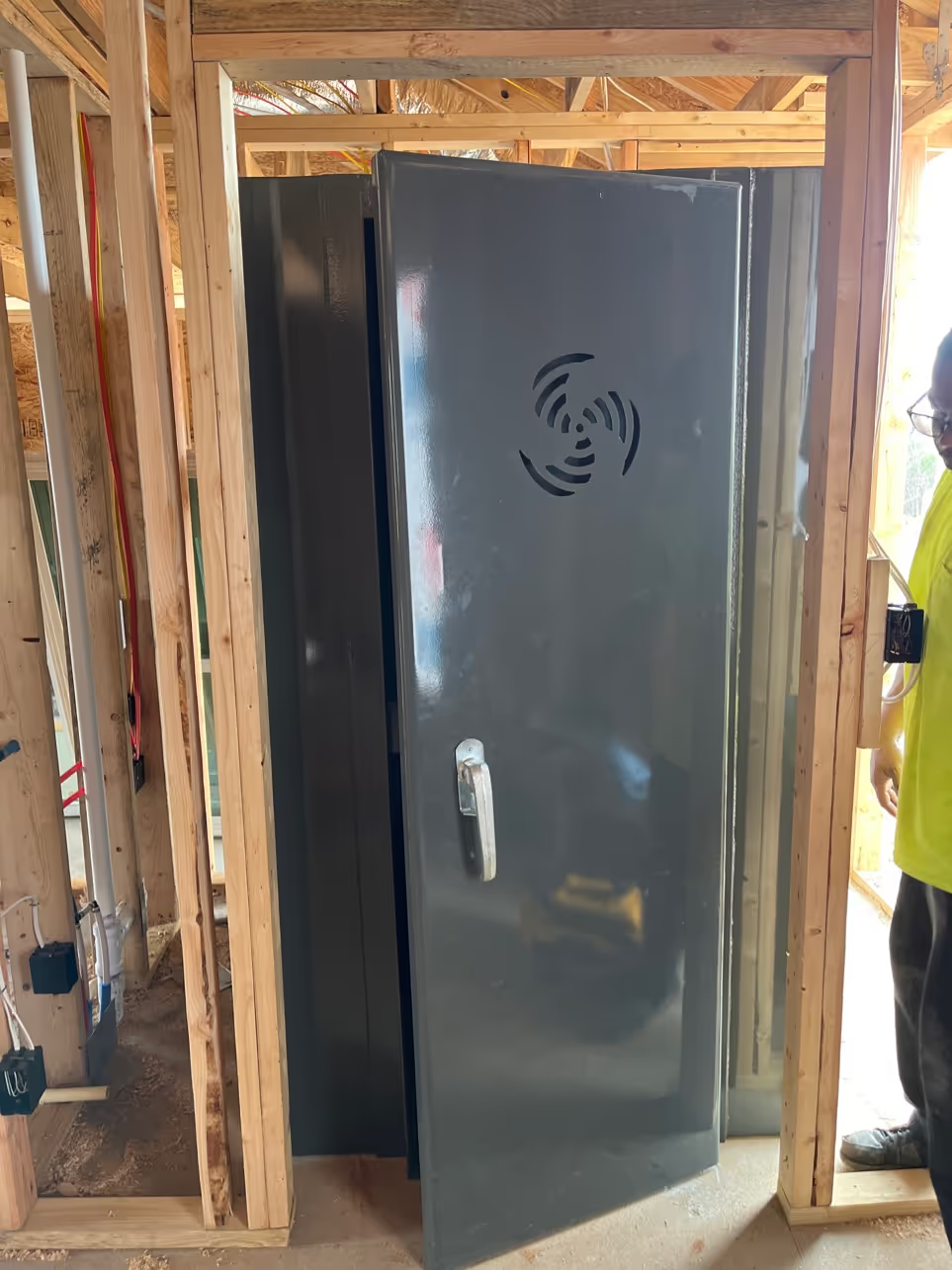
Underground Storm Shelters in Kansas
Underground storm shelters are a popular choice for Wichita homeowners with available yard or garage space. Installed below ground level, these shelters use the surrounding earth as natural reinforcement and are designed to handle extreme wind forces and debris impact.
Key benefits include:
- Below-ground placement for maximum protection
- Minimal visual impact on the property
- Heavy-duty construction built for Kansas tornado conditions
- Proven performance during severe tornado events
Underground storm shelter cost in Wichita varies depending on excavation depth, soil conditions, and site access. Each property is evaluated individually to ensure proper installation and long-term performance.
Above-Ground Storm Shelters
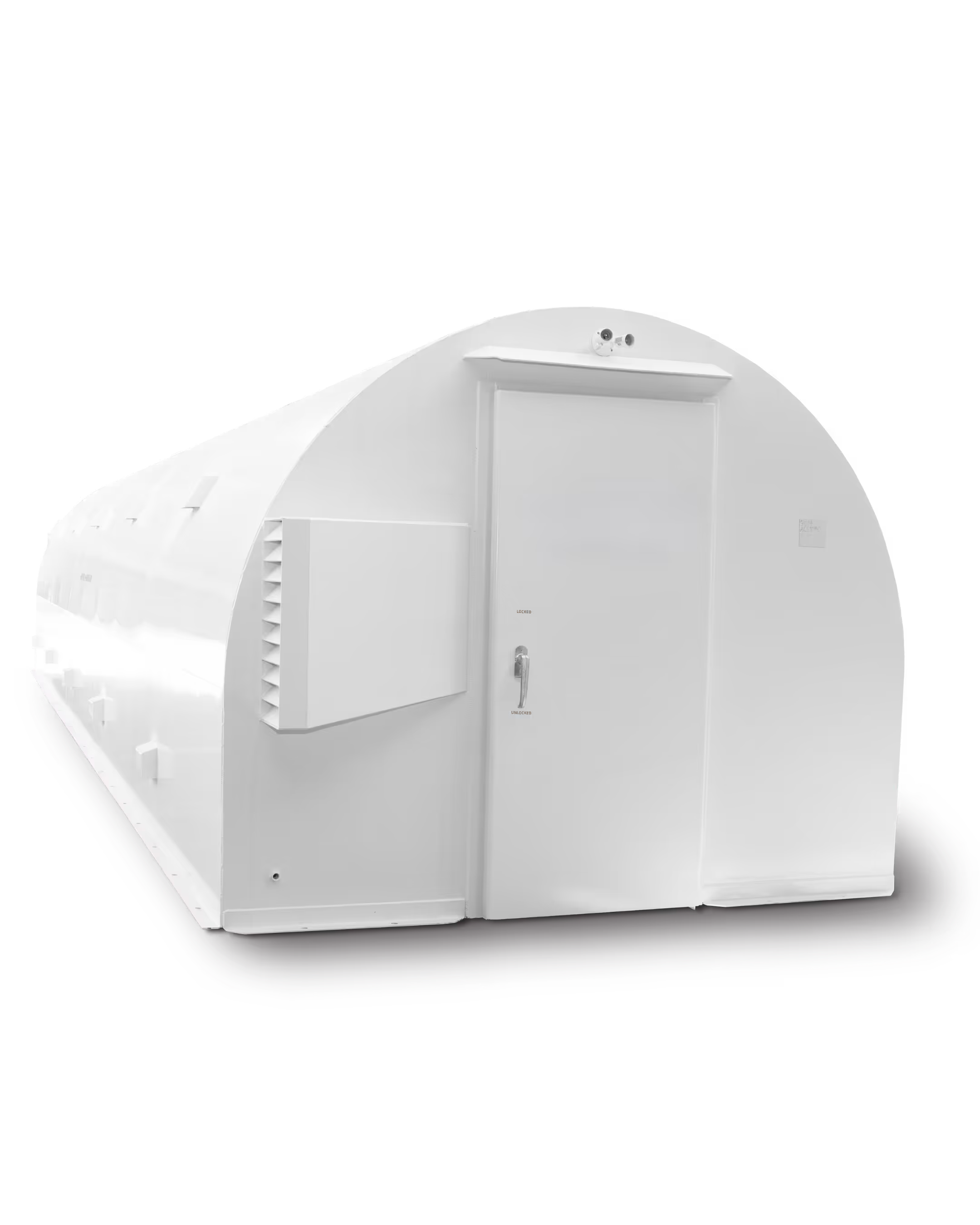
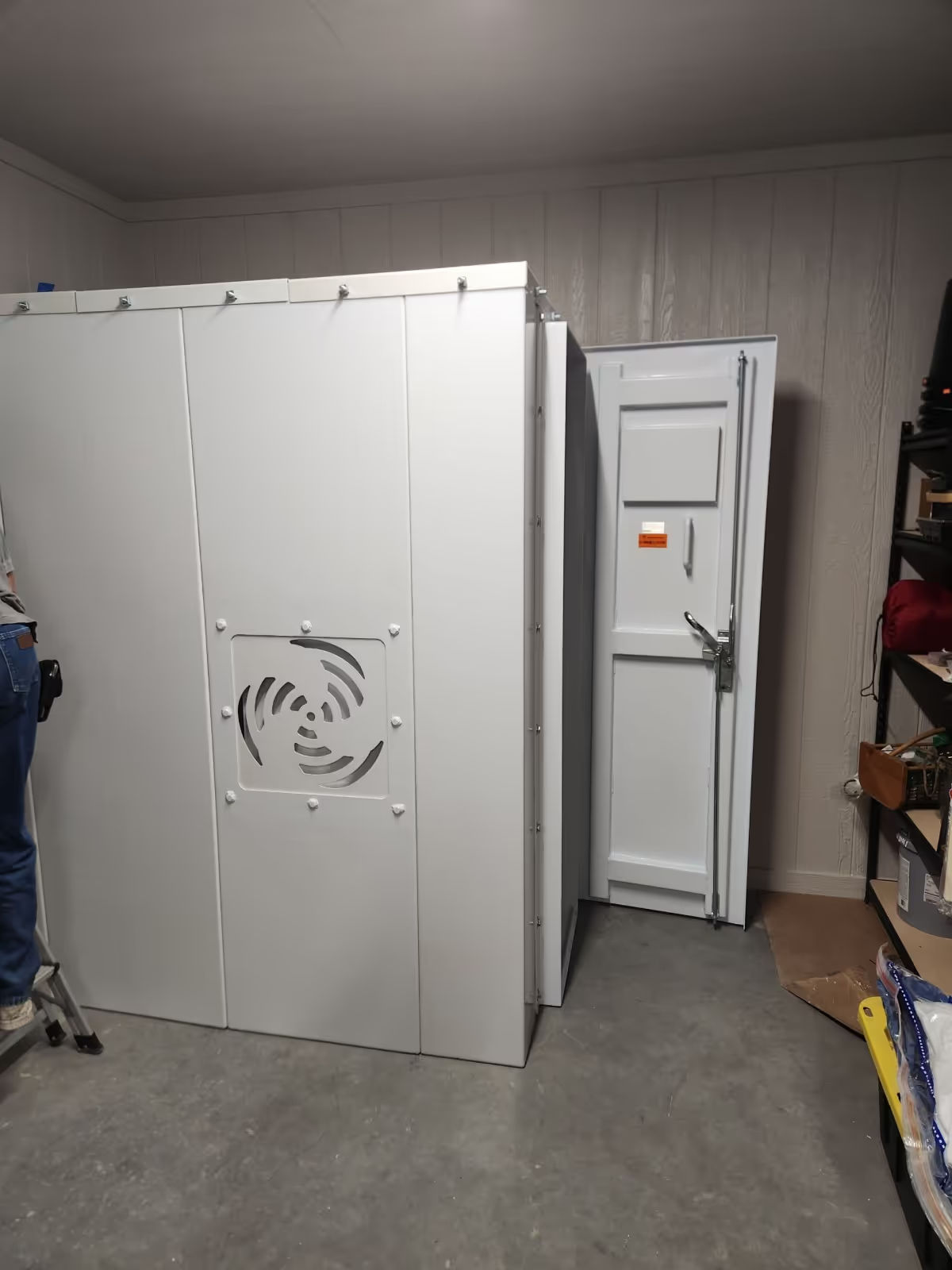
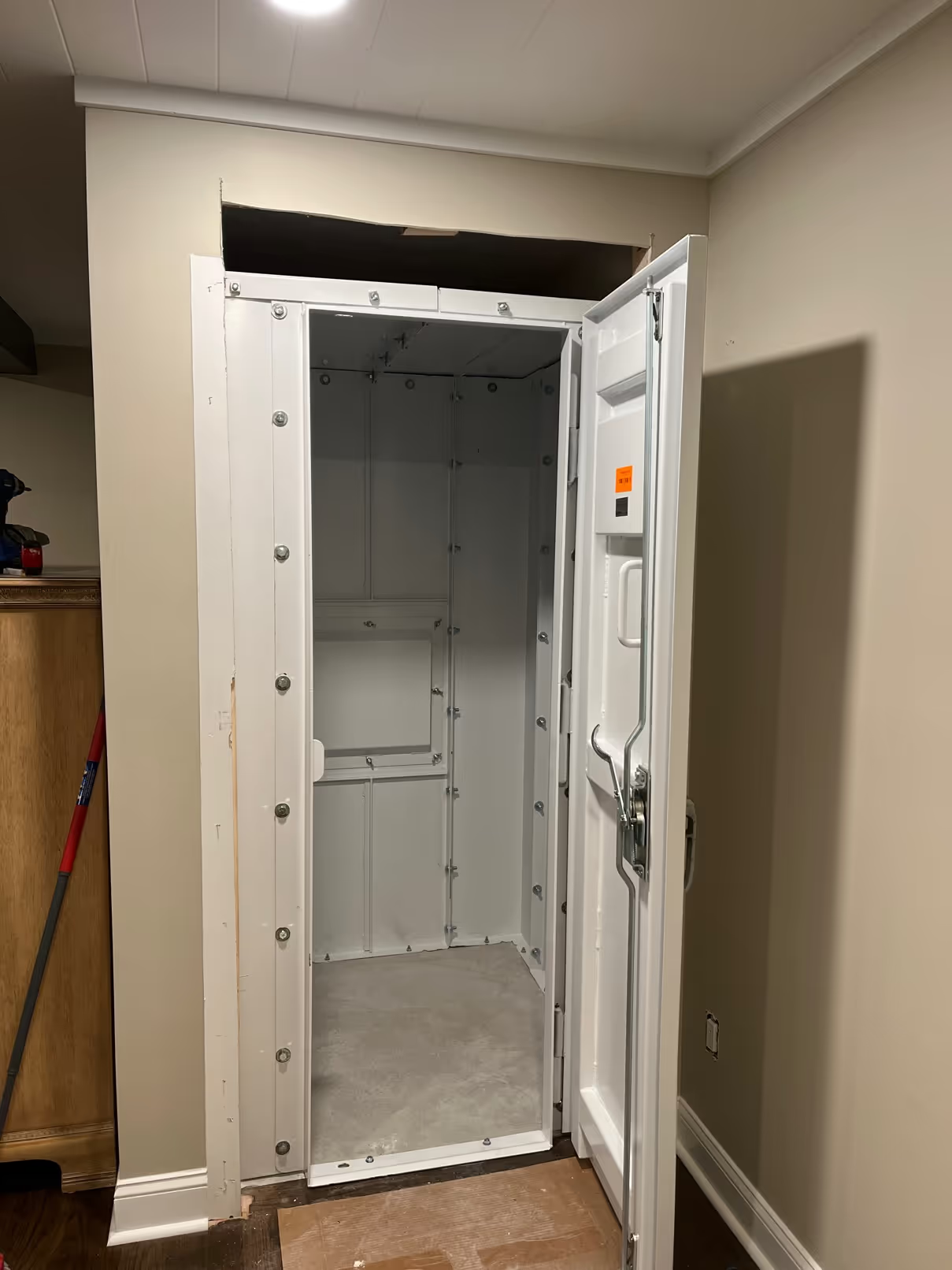
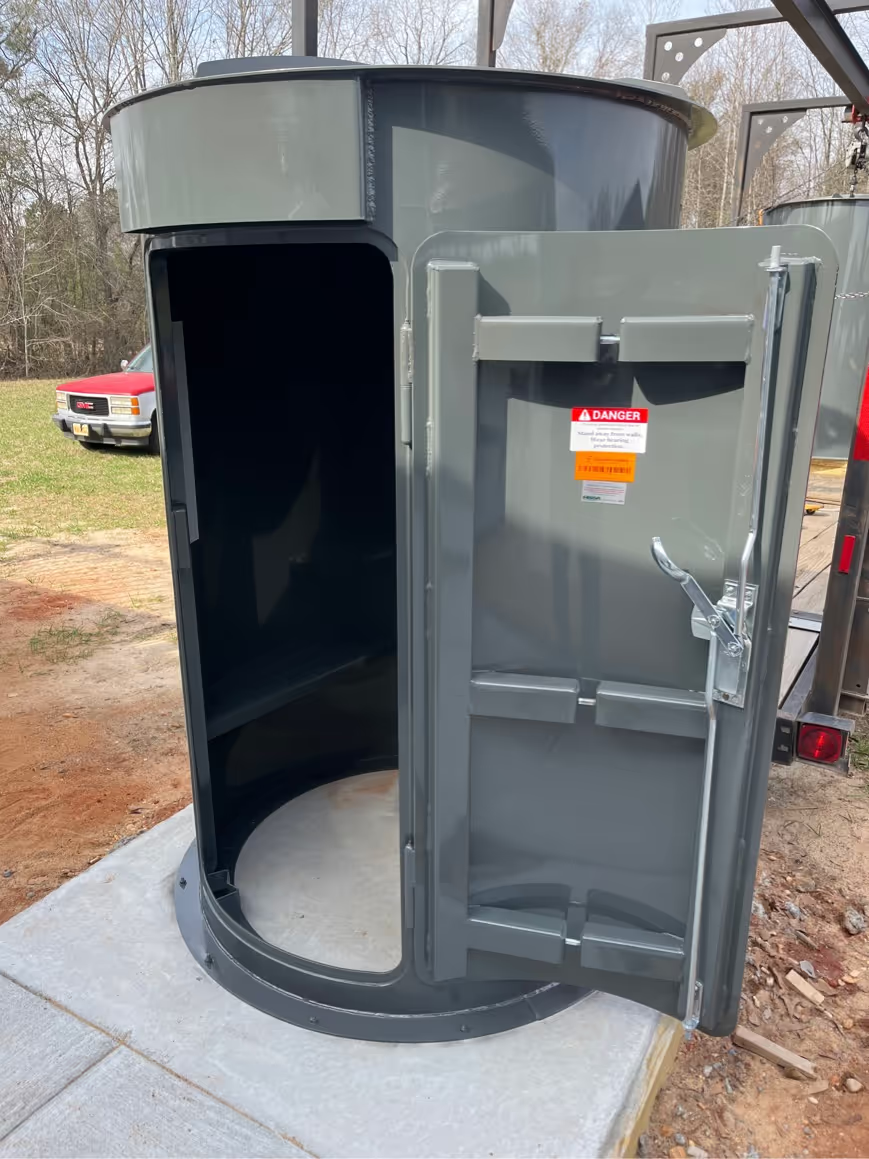
Above-ground storm shelters are an excellent option when excavation is not ideal or when fast, step-free access is a priority. These shelters are commonly installed in garages or interior spaces and are securely anchored to meet FEMA and ICC-500 standards.
Above-ground shelters are often chosen for:
- Quick access during nighttime or sudden warnings
- Homes with limited yard space
- Households needing mobility-friendly entry
- Properties where soil conditions make excavation less practical
Both underground and above-ground shelters offer reliable protection when properly installed. Comparing placement, accessibility, and storm shelter cost helps Wichita homeowners select the option that fits their needs best.
You can explore available residential storm shelter options to see which designs work best for homes across Kansas.
Storm Shelters in Kansas for Homes and Businesses
Tornado safety in Wichita extends beyond single-family homes. Businesses, schools, churches, and community facilities also need dependable shelter solutions to protect employees, customers, and visitors.
Commercial and community storm shelters are designed to:
- Safely accommodate larger groups
- Provide ADA-compliant access
- Meet public safety and durability standards
- Support emergency preparedness planning
For property owners, storm shelters are more than structures. They are a critical part of risk management and public safety during severe weather events.
Understanding Storm Shelter Cost in Wichita
Storm shelter cost is one of the first questions most homeowners ask. A tornado shelter is a long-term investment in safety, and understanding pricing factors helps set realistic expectations.
Storm shelter cost in Wichita is influenced by:
- Shelter type, underground or above-ground
- Installation location, yard, garage, or interior
- Soil conditions and excavation requirements
- Concrete work and anchoring systems
- Shelter size and occupancy capacity
Transparent pricing and early planning help homeowners balance budget considerations with long-term protection and peace of mind.
Installation Timelines and Planning Ahead
Tornado season in Wichita typically peaks in spring and early summer, but severe storms can occur outside those months as well. Many homeowners start searching for storm shelters only after storms are already in the forecast, which can limit scheduling availability.
Planning ahead offers clear advantages:
- Greater flexibility in installation timelines
- Fewer delays during peak storm season
- Time to evaluate placement and design options
- Reduced stress when warnings are issued
Storm shelters can be installed year-round, but early planning ensures your shelter is ready before it becomes urgent.
Wichita Property Considerations
Wichita properties vary widely, from established neighborhoods to newer developments. Local considerations often include:
- Soil composition common to south-central Kansas
- Lot size and access points for equipment
- Garage configurations and interior space options
- Neighborhood guidelines or HOA requirements
A site-specific evaluation ensures the shelter is installed safely, efficiently, and in compliance with local requirements.
Cities Near Wichita, KS We Serve
We proudly install storm shelters for homeowners and businesses throughout Wichita and nearby communities across Sedgwick County and south-central Kansas.
Cities near Wichita we serve include:
- Andover
- Derby
- Maize
- Haysville
- Valley Center
- Park City
- Goddard
- Clearwater
- Mulvane
- Augusta
If you are located near Wichita and searching for storm shelters near me, our team installs FEMA-rated above-ground and underground tornado shelters designed to protect homes, businesses, and community facilities throughout the greater Wichita area.
Why Wichita Homeowners Choose Steadfast Storm Shelters
Choosing a storm shelter is about trust as much as construction. Wichita homeowners choose Steadfast Storm Shelters because we understand Kansas tornado patterns, local soil conditions, and regional building standards.
Homeowners value our:
- Experience with Tornado Alley weather risks
- Proper licensing and insurance
- Familiarity with Wichita-area property layouts
- Clear, pressure-free communication from consultation through installation
Our goal is simple. Help you choose a shelter that truly fits your home, your family, and your peace of mind.
Local Regulations and Property Requirements
Installing a storm shelter in Wichita may involve permits depending on the shelter type and placement. Some neighborhoods or developments may also have additional guidelines.
Key considerations include:
- City and county permitting requirements
- HOA rules in planned communities
- Lot access and installation space
- Utility location and site preparation
Working with an experienced installer helps ensure your shelter is compliant and installed correctly from day one.
Frequently Asked Questions About Wichita Storm Shelters
Schedule Your Free Wichita Storm Shelter Consultation
Protecting your family starts with understanding your options. If you are considering a Wichita tornado and storm shelter, our team is ready to help you make a confident, informed decision.
We offer free consultations to review shelter types, placement options, and installation considerations specific to Kansas homes. You can also explore advanced safety features like Storm Mode monitoring technology to enhance preparedness.
Plan ahead and put reliable protection in place before the next warning makes the decision urgent.