
Tornado Safety and Preparedness in Arkansas
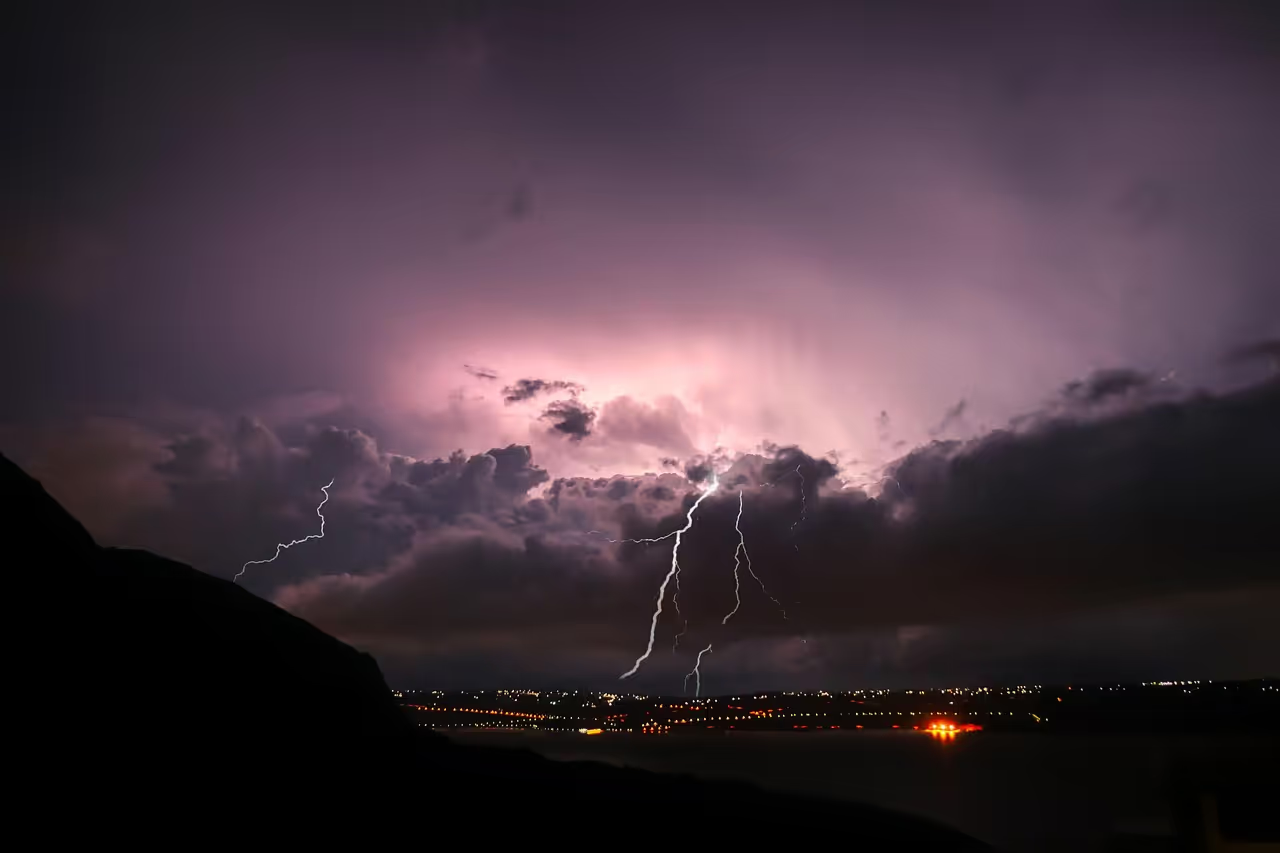
Understanding Tornado Risk in Arkansas
Arkansas’s location and climate can support severe thunderstorms capable of producing tornadoes, particularly during seasonal weather transitions. Tornado activity may occur at different times of year and can vary across regions of the state.
Tornado risk is not the same everywhere or at all times. Weather patterns, storm development, and local conditions all influence when tornadoes may form. Monitoring official weather information helps residents stay informed and prepared when conditions change.
How to Prepare for a Tornado in Arkansas
Preparation reduces uncertainty and improves safety during severe weather events.
Recommended preparation steps include:
- Create an emergency plan
- Identify a designated safe location in advance
- Ensure all household members understand the plan
- Review and practice the plan periodically
- Identify safe locations
- Lowest level of the building
- Interior rooms away from windows
- Basements or purpose-built storm shelters when available
- Mobile home considerations
- Mobile homes are not considered safe during tornado warnings
- Identify a nearby sturdy building or community shelter ahead of time
- Family and pet planning
- Include pets in your emergency plan
- Prepare carriers, leashes, or crates as needed
- Weather alert readiness
- Enable emergency alerts on mobile devices
- Use NOAA Weather Radio or trusted weather applications
- Monitor official NWS updates during severe weather
What to Do During a Tornado Warning
A tornado watch means weather conditions are favorable for tornado development.
A tornado warning means a tornado has been detected or indicated by radar and immediate action should be taken.
During a tornado warning:
- Move to your designated safe location immediately
- Stay away from windows, doors, and exterior walls
- Protect your head and neck if possible
- Avoid vehicles and overpasses
- Follow instructions from official weather alerts and local authorities
Remain sheltered until officials indicate it is safe to do so.
What to Do After a Tornado
Even after a tornado passes, hazards may remain.
Post-event guidance includes:
- Wait for official confirmation that the warning has ended
- Avoid damaged structures and downed power lines
- Use caution around debris and unstable surfaces
- Check for injuries and seek medical assistance if needed
- Follow instructions from local emergency management officials
Tornado Shelters and Safe Rooms
Tornado shelters and safe rooms are designed to provide enhanced protection during extreme wind events.
Educational overview:
- Interior safe spaces may offer limited protection depending on the structure
- FEMA-rated safe rooms and ICC-compliant shelters are engineered to meet specific wind and debris impact standards
- Purpose-built shelters may be installed above or below ground depending on site conditions
Shelter selection and installation should follow FEMA guidance, ICC standards, and applicable local building requirements.
Related Tornado Tools
Frequently Asked Questions