
Above-Ground Concrete Storm Shelters in Alabama

Alabama’s severe weather can develop quickly, leaving little time to get to safety. Above-ground concrete storm shelters give homeowners, churches, schools, and commercial properties a fast-access tornado protection option built for long-term outdoor use. These reinforced shelters are designed for serious wind and debris protection and installed as permanent structures for properties across Alabama.
Many property owners install above-ground concrete storm shelters in Alabama because they provide fast access to protection without the excavation required for underground shelters.

Why Alabama Property Owners Choose Above-Ground Concrete Storm Shelters
Many Alabama homes do not have basements, which makes fast-access tornado protection especially important. Above-ground concrete storm shelters are a practical solution for property owners who want a durable, permanent shelter installed outside the home or facility.
Unlike below-ground options that require excavation, these shelters are placed on a prepared base and positioned during delivery. That makes them appealing for residential properties, churches, schools, and commercial sites that need reliable protection with straightforward installation logistics.

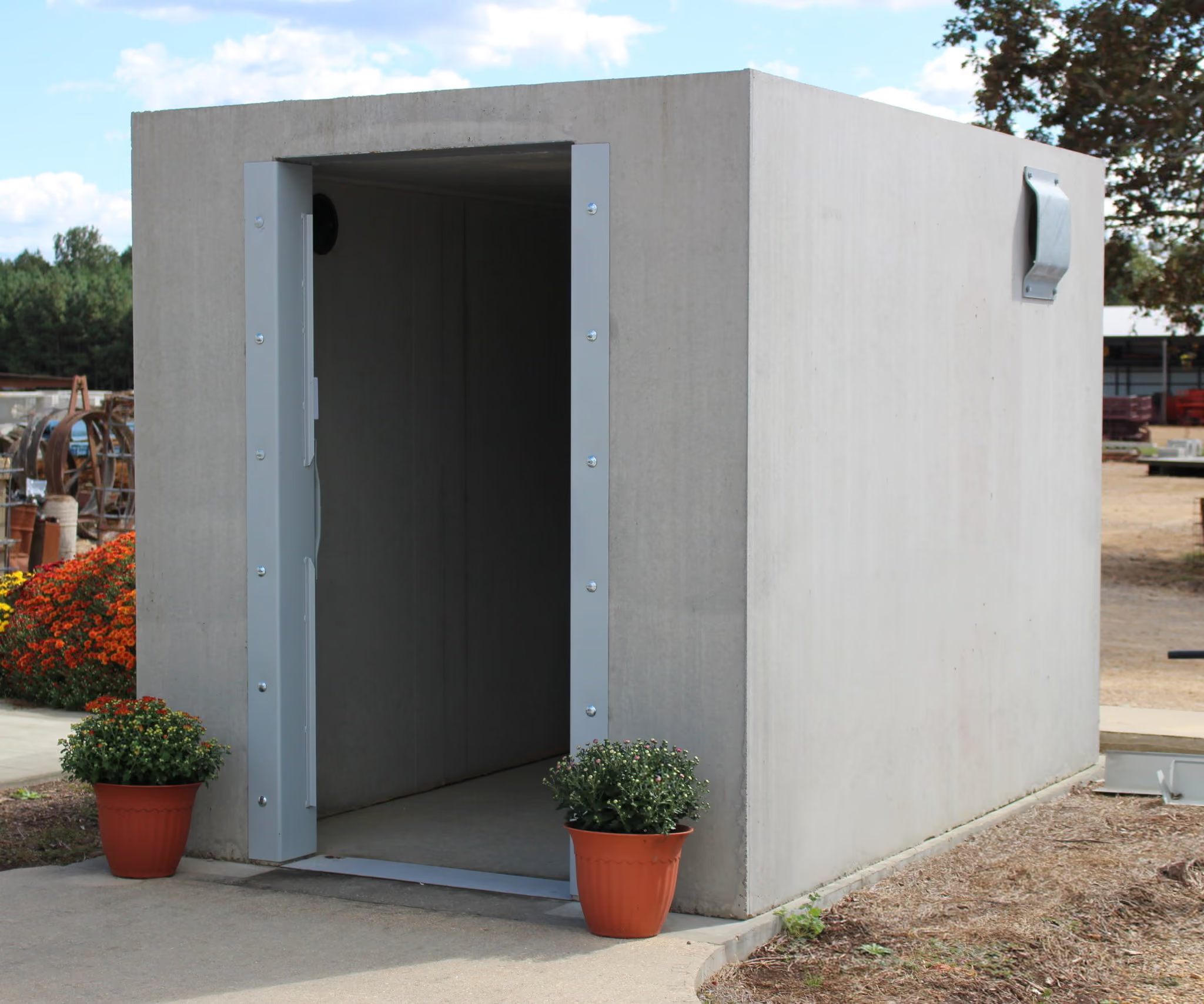
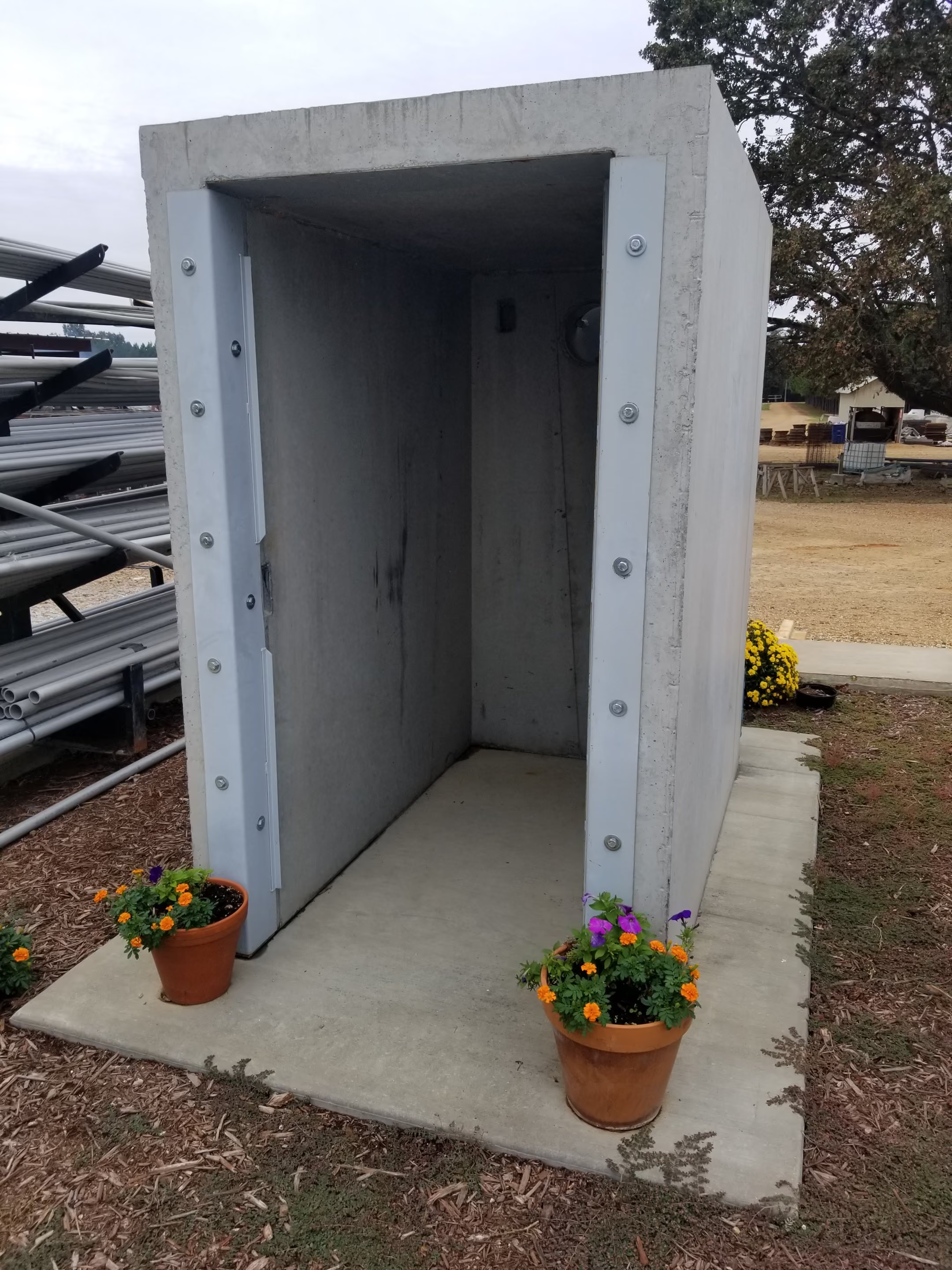
Built for Fast Access and Long-Term Protection
Above-ground concrete storm shelters are designed for people who need a shelter they can reach quickly during severe weather. Their permanent outdoor design makes them easier to access than some below-ground options, while reinforced concrete construction provides strong resistance to extreme winds and flying debris.
These shelters are often chosen by Alabama property owners looking for:
- Fast access during tornado warnings
- Reinforced concrete construction
- Permanent outdoor installation
- Larger usable interior space
- Long-term storm protection without excavation
Common Above-Ground Concrete Storm Shelter Sizes
Above-ground concrete shelters are available in several common size ranges depending on the number of occupants and the property type.
Popular Residential and Commercial Sizes
- 3×5 shelters for smaller households or compact installations
- 5×8 shelters for common residential use
- 7×7 shelters for added square interior space
- 6×12 shelters for larger families, churches, schools, or shared-use properties
Final sizing depends on site conditions, occupancy needs, and manufacturer availability.
How Above-Ground Concrete Shelters Are Installed
These shelters are manufactured as reinforced concrete units and delivered because of their structural weight. Installation is typically planned around access, site conditions, and base preparation.
Property owners often choose above-ground concrete shelters when they want fast installation, minimal site disruption, and reliable tornado protection for residential or commercial properties.

Site Evaluation
The property is reviewed for access, placement location, and delivery feasibility. This helps determine whether the shelter can be positioned safely and efficiently.

Base Preparation
Most above-ground concrete shelters are installed on a prepared gravel or concrete base designed to support the shelter’s weight and provide a stable long-term foundation.

Delivery and Placement
Because these shelters are heavy, they are commonly delivered and positioned with specialized boom trucks. Once the site is prepared, placement is often completed during a scheduled delivery and installation appointment.
Who These Shelters Are Best For
Above-ground concrete storm shelters in Alabama are commonly used for:
• Homes without basements
• Rural properties
• Churches
• Schools
• Commercial properties
• Community-serving facilities
They are especially useful where fast entry, permanent installation, and reinforced outdoor protection are top priorities.
Safety Standards and Storm Shelter Design
Storm shelters are typically built to follow recognized life-safety guidance for wind resistance and debris impact protection.
Many shelters are engineered to withstand winds exceeding 250 mph along with high-velocity debris impacts associated with major tornado events.
FEMA Guidance
FEMA publications such as FEMA P-320 and FEMA P-361 provide guidance on safe room and storm shelter design, including occupant protection, debris resistance, and structural performance.
ICC 500 Standards
Many modern shelters are designed around ICC 500 standards for storm shelter construction. These standards include testing related to extreme wind conditions and debris impact resistance.
Statewide Above-Ground Storm Shelter Service in Alabama
Steadfast serves property owners across Alabama looking for above-ground concrete storm shelters, including projects in major cities and surrounding communities such as Birmingham, Huntsville, Montgomery, Mobile, Hoover, Auburn, Tuscaloosa, Prattville, and Wetumpka.
For statewide service coverage and installation availability, visit the Alabama storm shelter service area page.
Above-Ground Concrete Storm Shelter FAQs
Are above-ground concrete storm shelters safe during tornadoes?
Where are above-ground concrete shelters usually installed?
Do above-ground concrete shelters require excavation?
How are concrete storm shelters delivered?
What sizes are common for above-ground concrete shelters?
Get an Above-Ground Concrete Storm Shelter in Alabama
If you need fast-access tornado protection for a home, church, school, or commercial property, an above-ground concrete storm shelter can provide a durable long-term solution built for Alabama’s severe weather conditions.
Request a quote to compare shelter options, review installation requirements, and determine which reinforced concrete shelter is right for your property.
You can also view the Alabama service area page or monitor active severe weather conditions with Storm Mode during storms.