
Underground Storm Shelters in Nashville, TN
Underground storm shelters provide below-ground protection for homeowners and property owners in Nashville, TN. Installed in the yard or garage, these shelters are designed to reduce exposure to wind and flying debris during severe weather.
In Nashville, underground shelters are a conditional solution due to urban density, soil conditions, and installation limitations.
- Below-Ground Protection
- Yard or Garage Installation
- FEMA & ICC-500 Compliant
- Built for Tennessee Severe Weather

Underground Storm Shelter Options in Nashville
Underground storm shelters are installed below ground level and provide traditional storm protection for residential properties.
Key Features
- Below-ground placement reduces debris exposure
- Installed in yard or garage
- Designed for severe weather impact resistance
- Long-term structural durability
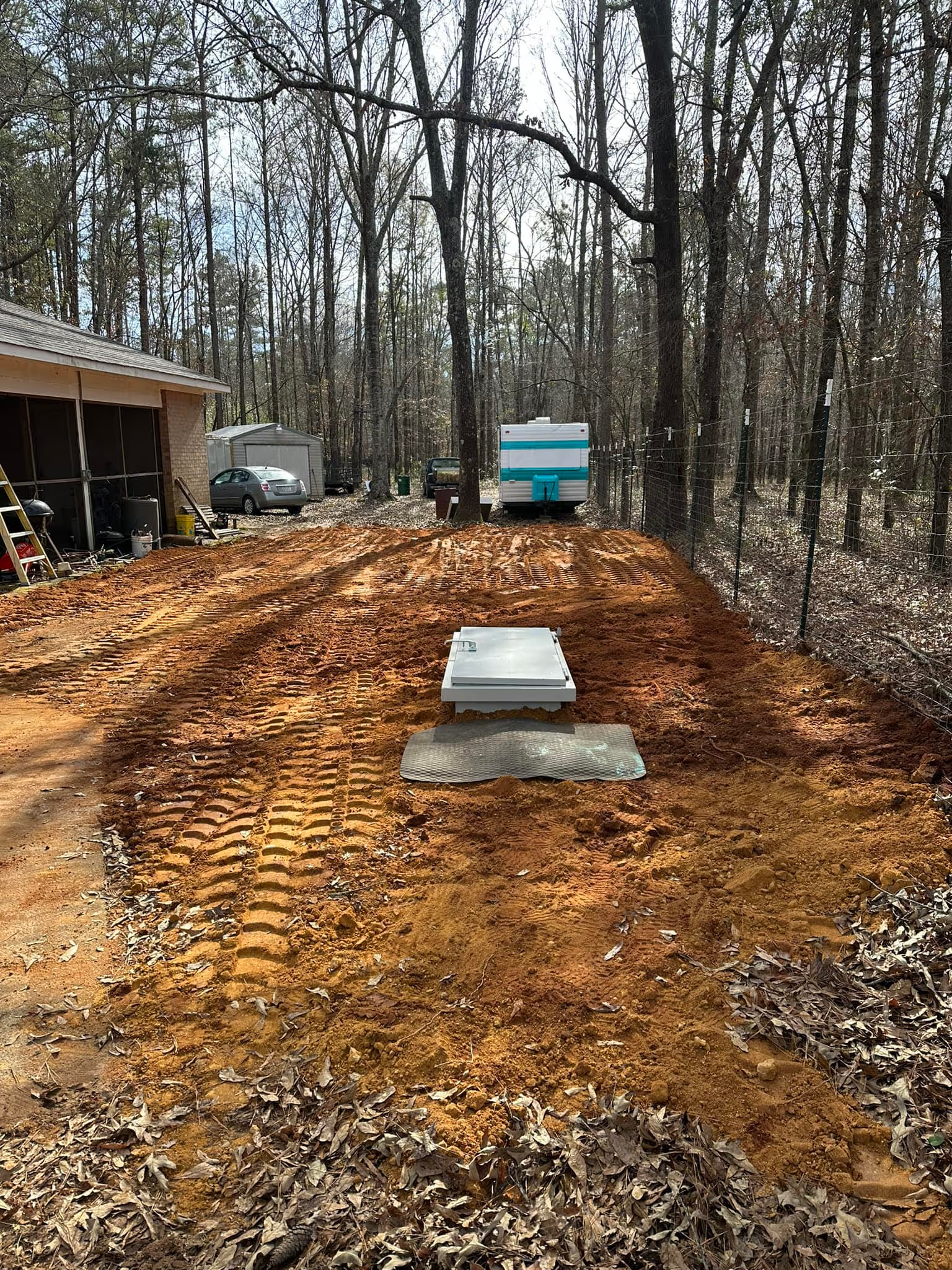
When Underground Shelters Work in Nashville
Underground shelters are a conditional solution in Nashville due to urban constraints and soil considerations.
- Suitable for properties with sufficient space for excavation
- Possible in less dense or suburban areas of Nashville
- Garage installations may work depending on structure
- Preferred by homeowners wanting below-ground protection
However, dense development and infrastructure limitations make underground shelters dependent on site-specific feasibility.
Underground Shelter Considerations for Nashville Properties
Nashville sits in the mid-state storm corridor, where frequent severe storms and fast-moving systems create reduced reaction time.
Urban density and tight lot sizes limit excavation opportunities, especially within city limits. Infrastructure such as utilities, driveways, and nearby structures can further restrict underground installation.
Clay-heavy soil in the region can also impact drainage and water retention, requiring proper engineering and site preparation.
Because of these constraints, underground storm shelters in Nashville must be evaluated carefully for feasibility and long-term performance.
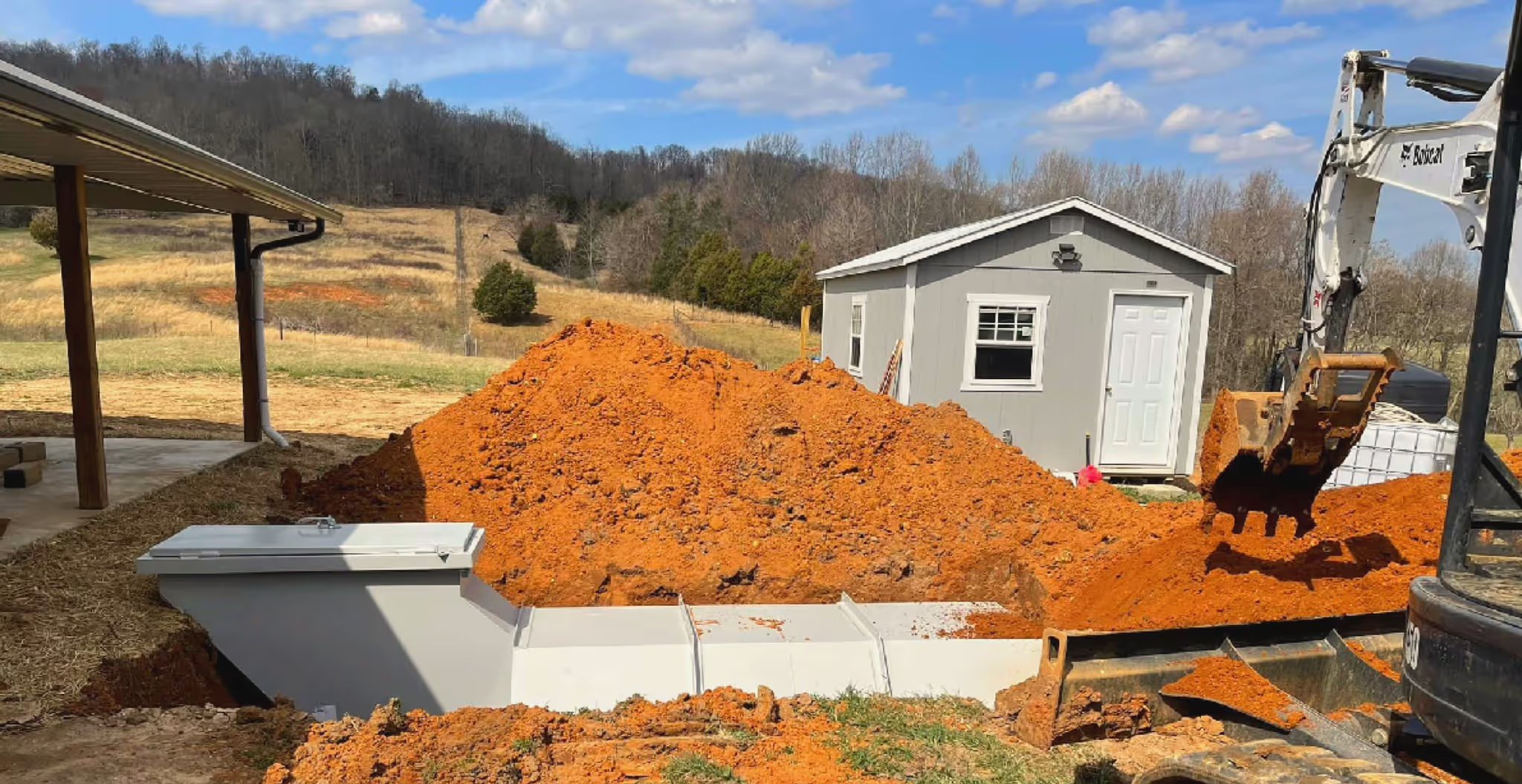
Why Choose an Underground Storm Shelter
- Below-ground placement reduces debris exposure
- Traditional storm shelter design
- Can be installed in yard or garage (where feasible)
- Strong protection during severe weather
- Meets FEMA and ICC-500 standards
Underground Storm Shelter Installation in Nashville
Installing an underground storm shelter in Nashville requires detailed planning due to urban conditions and soil behavior.
- Site evaluation for excavation feasibility
- Utility and infrastructure checks
- Drainage and grading assessment
- Excavation and placement
- Structural installation and anchoring
- Final inspection and safety verification
Urban constraints and clay soil require careful planning to ensure safe and compliant installation.

Underground vs Above-Ground and Indoor Options
Underground shelters are ideal when:
- Property allows excavation
- Space is available for installation
- Below-ground placement is preferred
Safe rooms may be better when:
- Indoor protection is needed
- Space is limited
- Immediate access is critical
Above-ground shelters may be better when:
- Outdoor space is available
- Excavation is not preferred
Why Choose Steadfast Storm Shelters in Nashville
- FEMA & ICC-500 compliant shelters
- Built for Tennessee storm conditions
- Professional installation in urban environments
- Solutions designed for property constraints
- Clear, straightforward guidance
Nashville Underground Installation Considerations
- Tight lot sizes limit excavation feasibility
- Urban infrastructure impacts placement
- Clay-heavy soil affects drainage and water retention
- Permitting and zoning may apply
- Utility lines must be evaluated
- Site-specific conditions determine feasibility
Financing Options for Underground Storm Shelters
Flexible financing options are available to make installation more accessible. Install protection now without waiting for large upfront costs.

Get an Underground Storm Shelter in Nashville, TN
Protect your home or property with a professionally installed underground storm shelter built for Tennessee conditions.