
What to Put in a Tornado Shelter
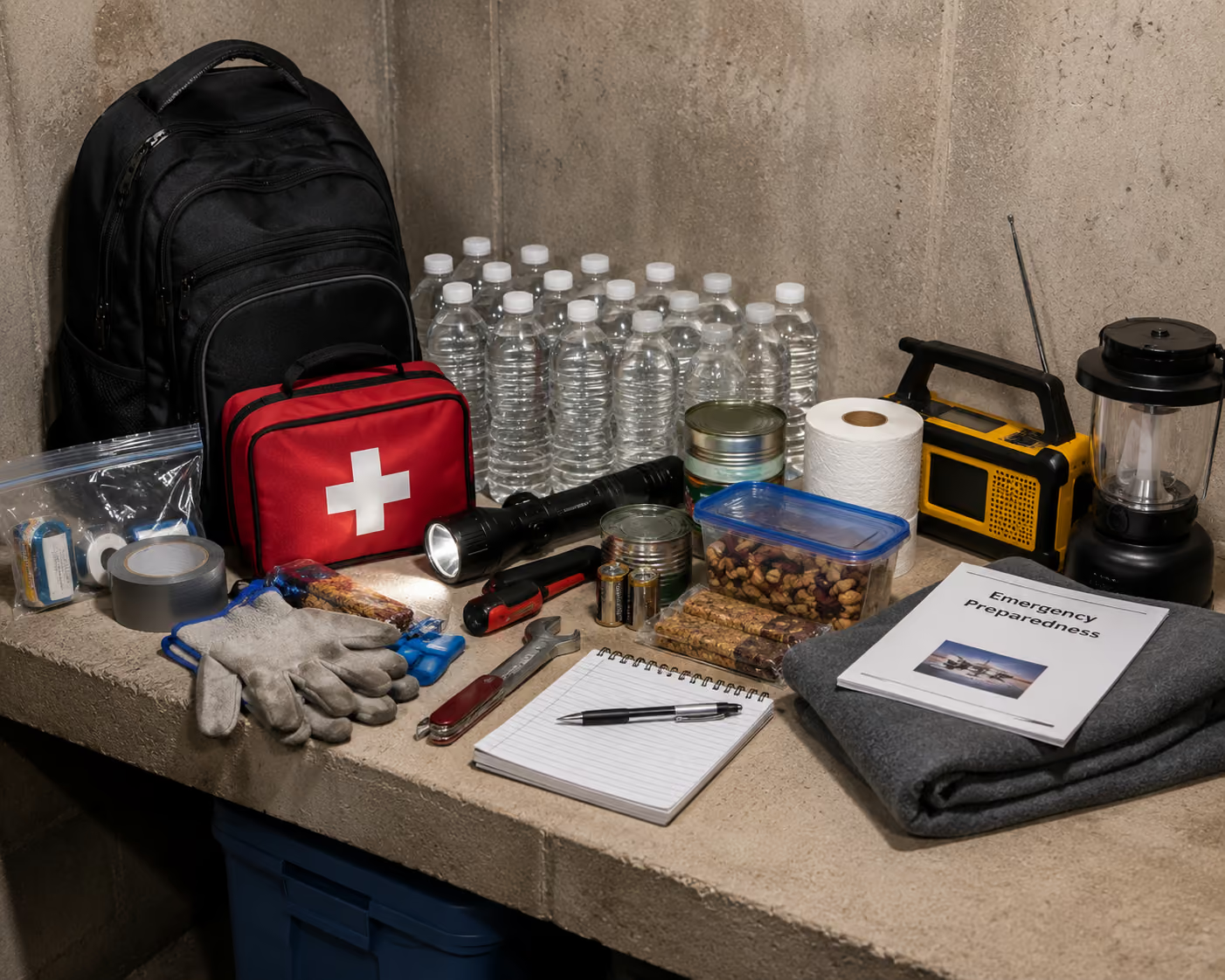
When a tornado warning is issued, you don't want to be scrambling to grab supplies while severe weather is already approaching. The best tornado shelters are stocked before storm season begins so your family can move quickly and focus on getting to safety.
If you're wondering what to put in a tornado shelter, start with the essentials: drinking water, shelf-stable food, emergency lighting, weather alerts, first aid supplies, sanitation products, backup power, important documents, and any items specific to your family, including medications, pet supplies, and children's comfort items.
The exact list will vary based on your household, but every tornado shelter should be prepared to support your family before, during, and immediately after a severe weather event.
Why Tornado Shelter Supplies Matter
Many homeowners focus entirely on the shelter itself and overlook what happens once they're inside.
Most tornado warnings last less than an hour, but severe weather can create additional challenges:
- Extended power outages
- Damaged roads
- Cell service disruptions
- Injuries requiring basic first aid
- Children becoming frightened or anxious
- Pets needing food, water, or containment
- Multiple rounds of severe weather in a single day
A tornado shelter protects you from the storm. The supplies inside help you handle everything that comes with it.
If you're still evaluating shelter options, explore our storm shelter options before building your emergency supply plan.
1. Emergency Drinking Water
Water is the most important item in any tornado shelter.
Even short-duration shelter stays can become uncomfortable without access to drinking water, especially during Alabama, Tennessee, Mississippi, and Kentucky tornado season when temperatures and humidity are often high.
Recommended items:
- Emergency water pouches
- Bottled water
- Compact water storage containers
- Additional water for pets
A good rule is to store enough water for every person who may use the shelter, plus extra for unexpected situations.
Water takes priority over nearly every other supply on this list.
2. Shelf-Stable Emergency Food
You do not need a full pantry inside your shelter.
Instead, focus on compact foods that:
- Require no preparation
- Require no refrigeration
- Have long shelf lives
- Can be eaten quickly
Recommended items:
- Emergency food bars
- Protein bars
- Crackers
- Shelf-stable snacks
- Baby food if needed
- Pet food
Food becomes even more important if severe weather causes extended outages or road closures after the storm.
3. NOAA Weather Radio
A weather radio is one of the most overlooked tornado shelter supplies.
Many people assume their phone is enough. Unfortunately, batteries die, signals fail, and weather conditions can change quickly.
A NOAA weather radio provides:
- Tornado warnings
- Severe thunderstorm warnings
- Flash flood alerts
- Emergency weather updates
Look for radios that include:
- Battery backup
- USB charging
- Hand-crank charging
- Flashlight functionality
For real-time storm awareness, families can also monitor severe weather using Storm Mode before warnings are issued.
4. Emergency Lighting
Every tornado shelter should have multiple sources of light.
Do not rely exclusively on your phone flashlight.
Recommended items:
- Rechargeable flashlight
- Battery-powered flashlight
- Lantern
- Headlamp
- Glow sticks
- Extra batteries
A lantern is especially useful because it illuminates the entire shelter while keeping hands free for children, first aid, or communication.
5. Backup Power
A dead phone during severe weather can create unnecessary stress.
Keep backup power available through:
- Power banks
- Charging cables
- Battery storage cases
- Solar or hand-crank charging devices
Fully charge power banks before major severe weather outbreaks and check them periodically throughout tornado season.
6. First Aid Supplies
Every emergency shelter kit should contain a basic first aid kit.
Recommended items:
- Adhesive bandages
- Gauze
- Medical tape
- Antiseptic wipes
- Pain relievers
- Allergy medication
- Prescription medications
- Gloves
Families with medical conditions should customize their kits accordingly.
If someone relies on inhalers, insulin, hearing aids, glasses, or other medical devices, those items should be incorporated into the shelter plan.
7. Sanitation Supplies
Sanitation is one of the most frequently forgotten parts of tornado preparedness.
While most warnings are short, multiple rounds of storms or extended sheltering can create situations where basic hygiene becomes important.
Recommended items:
- Portable emergency toilet
- Survival wipes
- Hand sanitizer
- Toilet paper
- Trash bags
- Feminine hygiene products
- Diapers if needed
These supplies take up very little space but can make a significant difference during stressful situations.
8. Pet Supplies
If your pets will enter the shelter with you, they need their own emergency kit.
Recommended items:
- Pet food
- Water
- Collapsible bowls
- Leash
- Carrier
- Waste bags
- Pet first aid kit
- Vaccination records
Many families remember their pets during a warning but forget their supplies.
Preparing ahead of time prevents unnecessary stress when every minute matters.
9. Children's Comfort Items
Children often experience tornado warnings differently than adults.
Simple comfort items can help reduce anxiety and make sheltering easier.
Recommended items:
- Coloring books
- Crayons
- Travel games
- Playing cards
- Small toys
- Comfort blankets
Keeping children occupied helps create a calmer shelter environment for everyone.
10. Emergency Blankets & Comfort Supplies
Storm shelters are built for safety, not comfort.
A few simple additions can improve the experience significantly.
Recommended items:
- Emergency Mylar blankets
- Small blankets
- Folding cot
- Battery-powered fan
- Pillows
- Cooling towels
These items become especially valuable for young children, older adults, and longer-duration shelter use.
11. Important Documents
Store copies of important documents in a waterproof container.
Recommended items:
- Driver's license copies
- Insurance information
- Emergency contacts
- Medical information
- Pet records
- Cash
- Spare keys
Paper copies remain valuable when phones lose power or internet access becomes unreliable.
12. After-Storm Supplies
The danger does not always end when the warning expires.
After severe weather passes, families may need:
- Flashlights
- Work gloves
- Backup batteries
- Sturdy shoes
- Phone chargers
- Emergency contacts
Monitoring conditions after the storm is also important. The 24-Hour Tornado Tracker can help identify ongoing tornado activity when multiple rounds of severe weather are expected.
Basic Tornado Shelter Checklist
Every shelter should have:
✓ Water
✓ Emergency food
✓ Weather radio
✓ Flashlight
✓ First aid kit
✓ Backup batteries
✓ Power bank
✓ Emergency blanket
✓ Sanitation supplies
✓ Important documents
Don't Forget Family-Specific Needs
The best tornado shelter supplies are the ones your family will actually use.
A young family may need diapers, baby food, and coloring books.
Pet owners need food, bowls, leashes, and pet first aid.
Older adults may need medications, mobility aids, and additional lighting.
There is no universal shelter kit that works for everyone.
Your tornado shelter should be stocked based on the people who will actually use it.
For a complete planning resource, review our Storm Shelter Essentials Checklist and make sure your preparedness plan is ready before severe weather season begins.
Shop Shelter Supplies & Storm Shelter Options
Whether you're stocking an existing shelter or planning your first installation, having the right supplies can make a significant difference when severe weather strikes.