
What Is Tornado Alley? States, Maps, and Risk Areas Explained
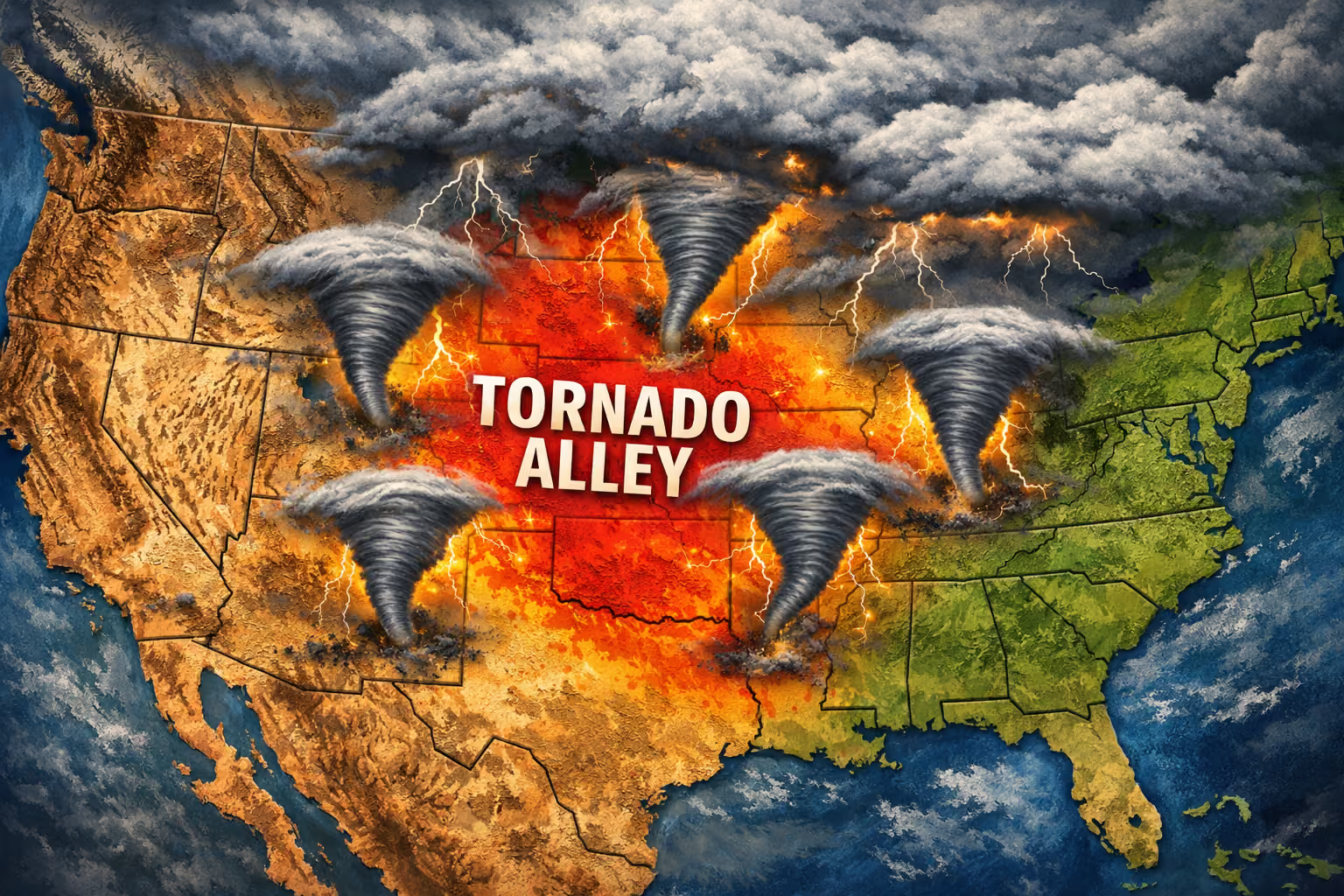
Why Tornado Alley Experiences So Many Powerful Storms
Have you ever wondered why some parts of the United States experience tornadoes far more often than others? Every year, especially during spring and early summer, powerful storms sweep across the central United States, producing some of the most destructive tornadoes on Earth.
These storms are most commonly associated with a region known as Tornado Alley.
Understanding what is Tornado Alley helps explain why certain areas face higher tornado risk and why communities in these regions invest heavily in severe weather preparation. Tornadoes are among the most unpredictable natural disasters, capable of forming quickly and causing devastating damage within minutes.
In the United States, hundreds of tornadoes occur annually. Many of them develop in a specific geographic region where weather conditions combine to create the perfect environment for severe thunderstorms.
In this guide, you will learn:
- The definition of Tornado Alley
- Where Tornado Alley is located in the United States
- What states are in Tornado Alley
- Why this region experiences frequent tornadoes
- How tornado risk has changed over time
By the end, you will have a clear understanding of where Tornado Alley is in the United States and what it means for people living in high-risk storm regions.
The Definition of Tornado Alley
The definition of Tornado Alley refers to a region in the central United States where tornadoes occur more frequently than in most other parts of the country.
Tornado Alley is not an official boundary recognized by the government or meteorological agencies. Instead, it is an informal term used by meteorologists, researchers, and the media to describe an area with consistently high tornado activity.
The tornado alley location generally stretches across the Great Plains, where several atmospheric conditions combine to create powerful storms capable of producing tornadoes.
Key factors that contribute to tornado formation in this region include:
- Warm, moist air moving north from the Gulf of Mexico
- Cold, dry air descending from Canada
- Dry air flowing east from the Rocky Mountains
- Large flat terrain that allows storms to build and travel easily
When these air masses collide, they create powerful rotating thunderstorms called supercells. These storms are responsible for the majority of the strongest tornadoes in the United States.
Because of these conditions, communities across this region often emphasize tornado preparedness and storm protection.
Understanding where Tornado Alley is located in the United States helps residents recognize their level of risk and prepare accordingly.
Where Is Tornado Alley in the United States?
If you look at a tornado alley on map, you will see that the region sits in the center of the country, stretching across parts of the Great Plains.
A typical USA map Tornado Alley highlights several states that consistently experience some of the highest tornado frequencies each year.
Although the boundaries can vary depending on the study or weather pattern, the traditional core region includes several central states.
Core Tornado Alley States
The most commonly recognized tornado alley states include:
- Texas
- Oklahoma
- Kansas
- Nebraska
- South Dakota
These states sit directly in the path where warm Gulf air collides with cooler northern air, creating the unstable atmosphere needed for tornado development.
Texas often records the highest number of tornadoes annually because of its size and its position between major weather systems. Oklahoma and Kansas also experience frequent tornado outbreaks due to their location in the center of the Plains.
When people ask what states are located in Tornado Alley, these five states usually form the core of the region.
However, tornado activity is not limited strictly to these areas.
Expanding Tornado Risk Beyond Traditional Tornado Alley
While the traditional core states experience frequent tornadoes, severe storms are not confined to a single region.
In recent decades, meteorologists have observed increased tornado activity farther east. This area is sometimes referred to as "Dixie Alley."
States commonly associated with this expanded risk zone include:
- Arkansas
- Missouri
- Mississippi
- Alabama
- Tennessee
These states are sometimes included when discussing states in the Tornado Alley risk zone because they experience frequent severe weather outbreaks.
In fact, some of the deadliest tornado events in recent history have occurred in the southeastern United States.
Residents in these areas often face additional challenges because tornadoes frequently occur at night or in heavily wooded and populated areas.
If you are interested in learning how warnings are issued during severe weather events, this guide explains the difference between a tornado watch vs warning and how each alert helps protect communities.
Why Tornado Alley Forms in the Great Plains
To understand what states are in Tornado Alley, it helps to look at the unique geography and climate of the central United States.
The Great Plains create one of the most favorable environments for tornado development anywhere in the world.
Warm Gulf Air
Moist air from the Gulf of Mexico travels north into the Plains, providing energy and humidity that fuel thunderstorms.
Cold Northern Air
Cooler air masses frequently move south from Canada. When this colder air collides with warm southern air, it creates atmospheric instability.
Dry Air From the Rockies
Air descending from the Rocky Mountains is typically dry. This dry air can help intensify storm rotation and contribute to the development of supercell thunderstorms.
Flat Terrain
The wide open plains of the central United States allow storms to move long distances without interruption from mountains or forests.
This combination of atmospheric ingredients explains why where Tornado Alley is in the United States has remained relatively consistent for decades.
The peak of tornado season usually occurs between April and June, when temperature differences between northern and southern air masses are strongest.
What a Tornado Alley Map Shows
When viewing a tornado alley on map, several patterns become clear.
A typical USA map Tornado Alley highlights the central Plains stretching from northern Texas through the Dakotas.
The map usually shows a corridor where tornado frequency is highest each year.
Meteorologists use long-term storm data to identify these patterns. Historical tornado reports collected by the National Weather Service and Storm Prediction Center help researchers track where tornadoes occur most often.
Although tornadoes can occur in nearly every U.S. state, the highest concentration still occurs within the central Plains.
Understanding the tornado alley location helps emergency managers plan safety strategies and educate communities about severe weather risks.
Real Examples of Tornado Risk in the United States
Tornado Alley affects millions of Americans across rural towns, suburbs, and major cities.
Great Plains Communities
Cities throughout Oklahoma and Kansas experience severe storms every spring. Schools conduct tornado drills, emergency alert systems are widely used, and many homes include reinforced storm shelters.
These precautions allow residents to react quickly when tornado warnings are issued.
Southeastern Tornado Outbreaks
States like Alabama and Mississippi often experience tornado outbreaks during the evening or overnight hours. This makes early warning systems especially important.
Communities in high-risk regions often invest in reinforced storm shelters and safe rooms to improve safety during sudden storms.
Residents in the Southeast can explore storm preparedness resources for their region here: Alabama Storm Shelter Service Areas
Rural Property Preparedness
Farmers and rural homeowners across the Plains frequently install storm shelters near their homes or barns.
Because tornadoes can develop rapidly, having a nearby shelter significantly improves survival during severe storms.
Preparing for Tornado Season in High-Risk Areas
Living in a tornado-prone region does not guarantee disaster, but preparation greatly improves safety.
Emergency management experts recommend several key steps.
Create a Severe Weather Plan
Every household should identify the safest location in their home before storms occur. Families should discuss where to go and how to communicate during emergencies.
Monitor Weather Alerts
Reliable warning systems are essential during tornado season. Weather radios, smartphone alerts, and local warning sirens help ensure you receive alerts quickly.
Understanding the difference between watches and warnings can help you respond faster during severe weather events.
Know the Safest Shelter Locations
The safest places during a tornado include:
- Underground storm shelters
- FEMA-rated safe rooms
- Basements
- Interior rooms without windows
Homes without basements should identify nearby community shelters or reinforced safe spaces.
Many homeowners also use tools like Storm Mode to monitor weather threats and stay informed during severe storms.
Long-Term Storm Protection for Tornado Alley
For residents living in areas with frequent tornadoes, long-term storm protection is an important consideration.
Storm shelters provide a reliable place to take cover during severe weather events.
Proper installation is critical to ensure the shelter performs effectively during extreme conditions. Many homeowners research topics such as storm shelter concrete pad requirements before installing a shelter on their property.
Taking proactive steps before severe weather occurs can significantly improve safety when tornado warnings are issued.
Final Thoughts on What Is Tornado Alley
Understanding what is Tornado Alley provides valuable insight into one of the most active severe weather regions in the world.
The central United States experiences frequent tornadoes because of its unique combination of geography, climate, and atmospheric conditions. Warm Gulf air, cold northern air, and the flat terrain of the Plains create an environment where powerful storms regularly develop.
Although the traditional tornado alley states include Texas, Oklahoma, Kansas, Nebraska, and South Dakota, tornado risk extends beyond these borders into parts of the southeastern United States.
Preparation remains the most effective defense against severe storms. Monitoring forecasts, understanding warning systems, and having a safe shelter location can make a life-saving difference.
For families living in tornado-prone regions, taking tornado preparedness seriously is essential for protecting homes and lives.
Frequently Asked Questions About Tornado Alley
What states are considered part of Tornado Alley?
The traditional core states include Texas, Oklahoma, Kansas, Nebraska, and South Dakota. These states experience some of the highest tornado frequencies in the United States.
What states are in Tornado Alley today?
In addition to the core region, some meteorologists include nearby states such as Arkansas, Missouri, and parts of the southeastern United States due to increasing tornado activity.
Why does Tornado Alley experience so many tornadoes?
Tornado Alley forms where warm Gulf air collides with cooler northern air and dry Rocky Mountain air. These interactions create powerful thunderstorms capable of producing rotating supercells and tornadoes.
When is tornado season in Tornado Alley?
Tornado season typically peaks between April and June in the central United States, although tornadoes can occur at any time of year.
What is the safest place during a tornado?
The safest places include underground storm shelters, basements, and FEMA-rated safe rooms. If those are unavailable, move to an interior room on the lowest floor of a building away from windows.