
How do storm shelters differ from a safe room storm shelter?
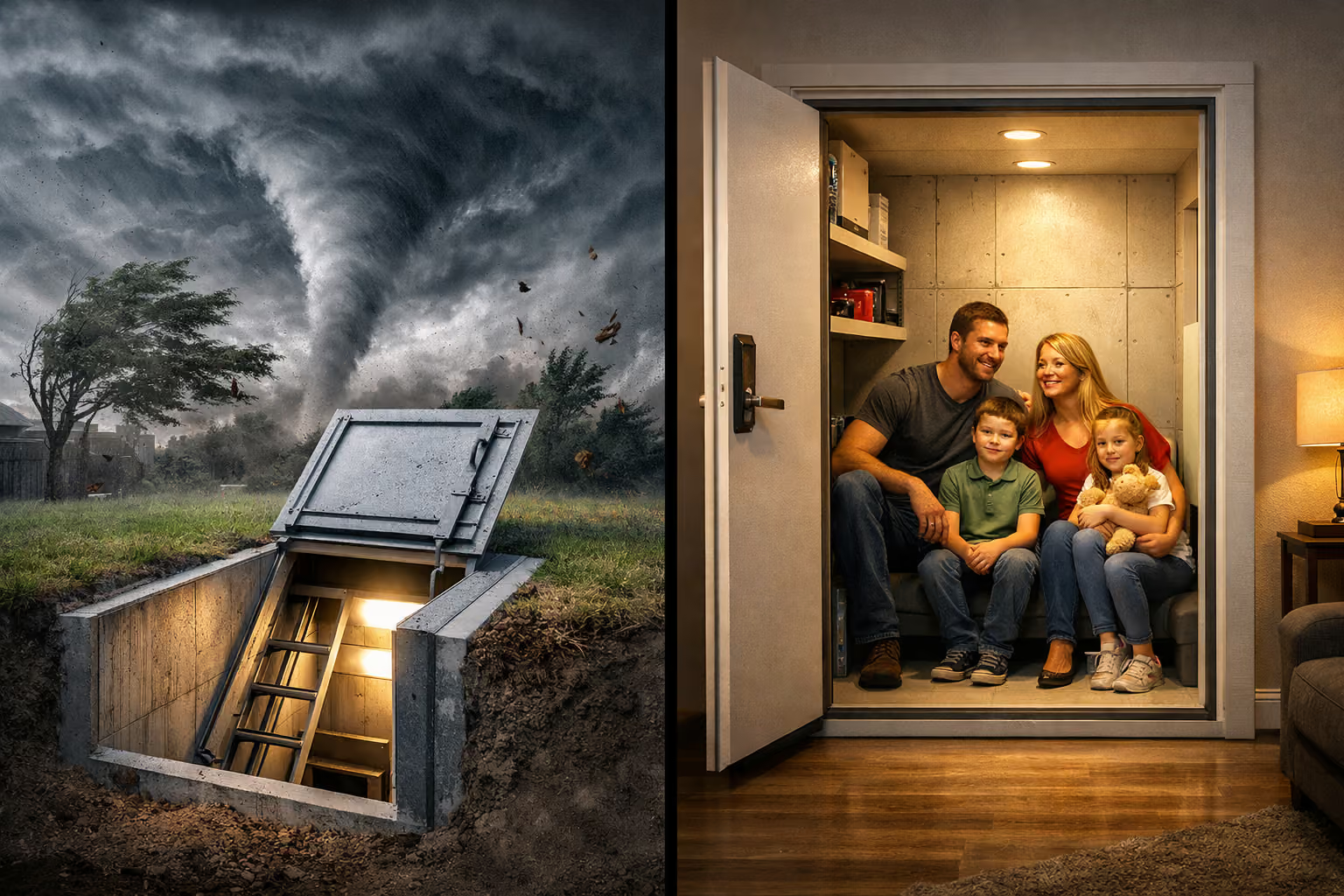
A tornado shelter is typically a below-ground or detached structure designed to protect occupants from extreme winds and flying debris, while a safe room storm shelter is usually built above ground or within a home as a reinforced interior space. Residential storm shelters, like basement storm shelters or underground units, prioritize maximum protection by using earth coverage, whereas safe rooms focus on accessibility and convenience inside the home.
Both meet strict safety standards, but safe rooms are often easier to access quickly, while traditional shelters provide deeper, more impact-resistant protection during severe storms.
For added safety options, explore Steadfast Storm Shelters’s range of tornado shelter solutions designed for residential use.
A Closer Look at Tornado Shelter vs Safe Room Storm Shelter
Understanding the difference between a tornado shelter and a safe room storm shelter comes down to structure, placement, and level of protection. While both are engineered for safety, their design purpose and real-world performance can vary depending on your home setup, storm risk, and accessibility needs.
What Actually Works (and Why) for Residential Storm Shelters
- Underground protection advantage: Basement storm shelters and in-ground systems use surrounding soil as a natural barrier against extreme wind forces and debris impact.
- Above-ground safe rooms: These are reinforced spaces, often steel or concrete, built inside the home, designed to meet FEMA standards for wind resistance.
- Material strength matters: Concrete tornado shelters and steel safe rooms are tested to withstand high-speed projectiles, making them reliable for family safe tornado shelters.
- Accessibility vs depth: Safe rooms are quicker to access during sudden storms, while underground shelters provide deeper, more insulated protection.
For homeowners looking into durable solutions, Steadfast Storm Shelters offers residential storm shelters that balance strength and convenience.
What Influences the Right Choice for a Home Hurricane Shelter
- Location of your home: Areas prone to tornadoes may benefit more from underground or large storm shelter designs.
- House layout: An in house storm shelter or safe room is ideal if quick access is a priority.
- Family size: Larger households may require large storm shelter options to ensure everyone fits comfortably.
- Budget and installation: Prefab storm shelters for sale and portable storm shelters can offer flexible, cost-effective alternatives.
Choosing between tornado proof buildings and safe rooms often depends on how quickly you need protection versus how much impact resistance you want.
Where Most People Get It Wrong About Tornado Shelters for Sale
- Assuming all shelters are equal: Not all tornado shelters for sale meet the same safety standards—certification matters.
- Overlooking installation factors: Even the best prefab storm shelters for sale can fail if improperly installed.
- Ignoring long-term usability: Some portable storm shelters may lack the durability of permanent structures.
- Focusing only on cost: A cheaper option may compromise safety, especially during extreme weather events.
Ultimately, the best solution is one that fits your home, risk level, and daily lifestyle, because when a storm hits, hesitation isn’t an option.
What You Need to Know Before You Decide on a Tornado Shelter or Safe Room
Choosing between a tornado shelter and a safe room storm shelter doesn’t have to feel overwhelming, once you focus on the factors that actually matter:
- Protection level: Underground options like basement storm shelters generally offer stronger resistance against extreme winds and debris compared to above-ground safe rooms.
- Accessibility: An in house storm shelter or safe room is easier to reach during sudden storms, especially at night or with children.
- Space requirements: Larger families may need a large storm shelter, while smaller households can opt for compact or portable storm shelters.
- Installation type: Prefab storm shelters for sale are quicker to install, while custom-built options may offer better long-term durability.
- Multi-purpose use: Some safe rooms can double as storage or living space, unlike traditional underground shelters.
If you’re exploring durable and customizable options, Steadfast Storm Shelters provides tornado shelters for sale designed to meet a wide range of residential needs.
Choosing the Right Tornado Shelter for Your Situation
The right tornado shelter or safe room depends heavily on your environment, home structure, and how you plan to use it. Instead of a one-size-fits-all approach, here’s how different situations influence the best choice:
- If you live in a high tornado-risk area: Underground options like basement storm shelters or residential storm shelters provide the highest level of protection thanks to natural ground insulation.
- If your home doesn’t have a basement: An in house storm shelter or safe room offers reliable above-ground safety with faster access during emergencies.
- If you have a large household: A large storm shelter ensures everyone can fit comfortably without compromising safety or ventilation.
- If space is limited: Indoor safe rooms are ideal since they don’t require additional outdoor installation.
- If you’re working with a tighter budget: Prefab storm shelters for sale are practical, cost-effective, and quicker to install than custom-built solutions.
- If you need flexibility: Portable storm shelters can be relocated, making them a good option for temporary setups or changing needs.
To find a solution that fits your exact situation, Steadfast Storm Shelters offers dependable in house storm shelter options designed for both safety and everyday convenience.
How This Works in Real Projects with a Tornado Shelter
In real-world projects, the choice between a tornado shelter and a safe room storm shelter often comes down to how people actually live day-to-day—not just storm scenarios. For example, homeowners in high-risk regions tend to prioritize underground residential storm shelters because they offer maximum protection and long-term durability. Over time, these installations prove reliable, especially during severe weather events where debris impact is a major concern.
On the other hand, families with young children or elderly members often lean toward an in house storm shelter. The convenience of immediate access, especially in the middle of the night, makes a noticeable difference in how quickly people can respond when a warning is issued. In many cases, contractors recommend steel safe rooms for this reason, as they balance safety with accessibility.
Another common trend is the growing demand for prefab storm shelters for sale. These are frequently chosen for faster installation timelines and predictable costs. Homeowners who want a straightforward solution without long construction periods often find these options practical and efficient.
If you’re planning a project and want a solution that performs well over time, Steadfast Storm Shelters offers prefab storm shelters for sale that combine durability, safety, and ease of installation, making them a solid choice for many residential applications.
Final Thoughts: Making the Right Choice for a Tornado Shelter
Choosing between a tornado shelter and a safe room storm shelter ultimately comes down to your priorities, maximum protection, accessibility, or a balance of both. Underground options excel in durability and impact resistance, while safe rooms provide faster access and everyday convenience. The best choice is one that aligns with your home layout, family needs, and level of storm risk.
If you’re looking for a dependable solution built for real-world conditions, Steadfast Storm Shelters offers high-quality tornado shelter options designed to keep your household safe and prepared when it matters most.
Frequently Asked Questions About Tornado Shelters and Safe Rooms
1. What is the main difference between a tornado shelter and a safe room?
A tornado shelter is often built underground or outside the home for maximum protection, while a safe room is typically installed inside the house for quick and easy access during emergencies.
2. Are safe rooms as strong as residential storm shelters?
Yes, properly built safe rooms can meet FEMA standards and withstand extreme winds. However, underground residential storm shelters may offer added protection due to earth coverage.
3. Which is better for families—tornado shelters or safe rooms?
It depends on your needs. Family safe tornado shelters underground provide maximum protection, while in house storm shelter options are easier to access quickly, especially for children or elderly family members.
4. Do basement storm shelters increase home value?
In many cases, yes. Basement storm shelters can be seen as a valuable safety feature, particularly in tornado-prone areas.
5. Are prefab storm shelters for sale reliable?
Absolutely, when properly installed and certified, prefab storm shelters for sale are designed to meet strict safety standards and perform well during severe weather.
6. Can a safe room double as a regular room?
Yes, many safe rooms are designed to serve as closets, storage areas, or reinforced interior spaces when not in use.
7. How big should a large storm shelter be?
A large storm shelter should comfortably fit all household members, allowing enough space for sitting and minimal movement during a storm.
8. Are portable storm shelters safe?
Portable storm shelters can be safe if they are properly anchored and meet safety standards, but they may not offer the same durability as permanent structures.
9. What’s the best option for homes without basements?
An in house storm shelter or above-ground safe room is typically the best choice, offering strong protection without requiring underground installation.
10. Where can I find reliable tornado shelters for sale?
You can explore high-quality options from Steadfast Storm Shelters, which offers durable tornado shelters designed for residential safety.