
Tornado Safety Tips: How to Protect Your Family Before, During, and After a Storm
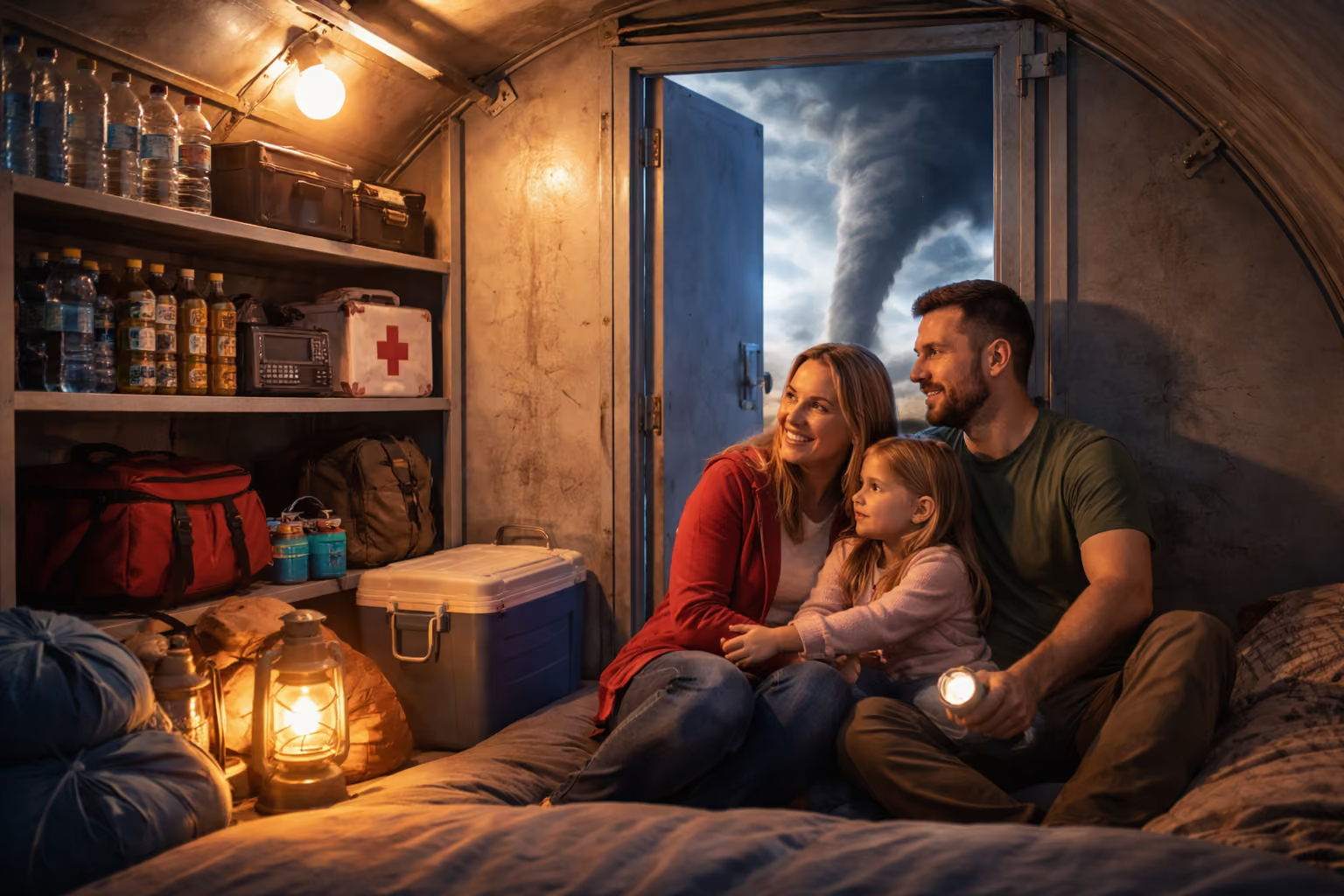
Tornadoes can develop quickly and with little warning, leaving families only minutes to react. Without a clear plan, it is easy to panic and make unsafe decisions.
That is why understanding tornado safety tips is critical. Knowing what to do during a tornado, where to go, and how to prepare ahead of time can save lives.
In this guide, you will learn:
- How to stay safe in a tornado before it hits
- What to do when tornado sirens go off
- The safest place to be during a tornado
- How to protect your family after the storm
Why Tornado Safety Preparation Matters
Tornadoes are among the most powerful natural disasters in the United States. They can destroy buildings, uproot trees, and send debris flying at dangerous speeds.
Preparation helps you:
- Respond quickly during emergencies
- Reduce injury risk
- Protect your family and property
- Avoid confusion and panic
Understanding the difference between alerts is also essential. Learn more about warnings in this guide on tornado watch vs warning.
How to Stay Safe in a Tornado Before It Happens
Preparation is the most important step in tornado safety.
Create a Family Emergency Plan
Every household should have a clear plan that answers:
- Where to go when there is a tornado
- How family members will communicate
- What each person should do
Practice drills so everyone knows how to respond quickly.
Prepare an Emergency Kit
Your emergency kit should include:
- Water and non-perishable food
- Flashlights and extra batteries
- First aid supplies
- Important documents
Keep it in your designated safe area for easy access.
Install or Identify a Safe Shelter
The safest place to be in a tornado is:
- A storm shelter
- A basement
- An interior room on the lowest floor
For maximum protection, consider a professionally installed shelter. Learn more about solutions like storm shelter systems and proper installation requirements such as concrete pad requirements.
If you live in high-risk regions, explore service availability in areas like Alabama storm shelter services.
What to Do When Tornado Sirens Go Off
When warnings are issued, immediate action is critical.
If you are wondering what to do when tornado sirens go off, follow these steps:
- Go to your safe location immediately
- Do not wait to see the storm
- Bring your emergency kit if possible
- Keep communication devices with you
Acting quickly is one of the most important tornado safety tips.
What to Do During a Tornado
Knowing what to do if there is a tornado can make a life-saving difference.
Get to the Safest Place Immediately
The best place to be during a tornado is:
- Underground shelter or basement
- Interior room without windows
- Bathroom or closet in the center of the home
Protect Your Body
To reduce injury risk:
- Crouch low to the ground
- Cover your head and neck
- Use helmets, pillows, or mattresses for protection
Stay Away From Dangerous Areas
Avoid:
- Windows and glass
- Large open rooms
- Exterior walls
These areas are more vulnerable to debris and collapse.
How to Survive Tornadoes Without a Shelter
If you do not have access to a shelter, you can still improve your safety.
Inside a Home
- Go to the lowest floor
- Choose a windowless interior room
- Cover yourself for protection
In a Mobile Home
- Leave immediately
- Seek a sturdy building or shelter
Outdoors or in a Vehicle
- Do not try to outrun a tornado
- Seek shelter in a building
- As a last resort, lie flat in a low area and cover your head
These steps are essential for anyone asking how can you protect yourself from a tornado in unexpected situations.
What to Do After a Tornado
The danger does not end when the storm passes.
Check for Injuries
Provide first aid and seek medical help if needed.
Avoid Hazards
Watch for:
- Downed power lines
- Gas leaks
- Sharp debris
Stay Informed
Listen for official updates before returning to normal activities.
Real Life Tornado Safety Scenarios
Family Preparedness
A family with a practiced emergency plan quickly moves to their shelter when a warning is issued, avoiding panic and injury.
School Safety
Schools that conduct drills help students respond calmly and safely during emergencies.
Community Protection
Communities with access to storm shelters provide safer options for residents during severe weather.
Best Practices for Tornado Safety
Practice Your Plan Regularly
Repetition ensures quick response during emergencies.
Keep Devices Charged
Phones and radios provide critical updates.
Educate All Family Members
Everyone should know what to do, including children.
Avoid Last Minute Decisions
Leaving your home during a warning can increase danger.
Conclusion: Be Prepared and Stay Safe
Tornadoes are unpredictable, but preparation gives you control over how you respond.
Following these tornado safety tips can help protect your family and reduce risk during severe weather.
Key takeaways:
- Prepare an emergency plan in advance
- Know the safest place to go
- Act immediately when warnings are issued
- Protect your body during the storm
- Stay cautious after the tornado passes
Taking action now ensures you are ready when it matters most.
Frequently Asked Questions
What is the safest place during a tornado?
A storm shelter or basement is safest. If unavailable, use an interior room on the lowest floor.
What should you do when tornado sirens go off?
Go to your safe location immediately and do not wait to confirm the storm visually.
How can you survive a tornado without a shelter?
Use an interior room, stay low, and protect your head and neck from debris.
What should be in a tornado emergency kit?
Water, food, flashlights, batteries, a first aid kit, and important documents.
How do you prepare your family for a tornado?
Create and practice an emergency plan so everyone knows what to do.