
Kentucky Tornado Season
When Kentucky Tornado Season Peaks and Why Preparation Matters
Kentucky Tornado Season does not follow a perfectly predictable pattern, which is exactly why preparation is so important. While many residents associate tornadoes with spring, Kentucky experiences multiple severe weather peaks throughout the year.
So, when is tornado season in Kentucky?
Historically, the most active months are March, April, and May. However, the state often sees a second spike in November and December, when powerful late-year storm systems move through the region.
Kentucky sits in what meteorologists call “Dixie Alley,” an area known for fast-moving, rain-wrapped tornadoes that can be especially dangerous at night. Because many tornadoes in Kentucky occur after dark, visibility is limited and residents rely heavily on alerts rather than visual confirmation.
Unlike hurricanes, tornadoes provide little warning time. A tornado warning in Kentucky may give you only minutes to act. Preparation must happen before peak Kentucky Tornado Season begins.
Are Tornadoes Common in Kentucky?
Many homeowners ask:
- Are tornadoes common in Kentucky?
- Is KY in Tornado Alley?
- How often do tornadoes in Kentucky occur?
Kentucky is not part of traditional Tornado Alley, which includes parts of Oklahoma, Kansas, and Texas. However, it is located within Dixie Alley, a region that has experienced frequent and sometimes more dangerous tornado events due to higher population density and nighttime storm activity.
Tornadoes in Kentucky occur every year. Activity levels vary based on weather patterns, but the state regularly sees dozens of tornado reports annually.
Reviewing a Kentucky tornadoes map from past events shows that severe storms have affected nearly every region of the state at different times.
Because tornadoes are among the most significant natural disasters in Kentucky, long-term preparation is critical.
What to Expect During Kentucky Tornado Season
Kentucky Tornado Season typically includes:
- Strong thunderstorms fueled by warm Gulf moisture
- Supercell storms capable of producing long-track tornadoes
- Rapid weather changes with limited lead time
- Large hail and damaging straight-line winds
- Overnight severe weather events
Spring remains the most active period, but fall and early winter outbreaks can be equally destructive.
Understanding the difference between alerts is essential. If you need clarification, review the breakdown of tornado watch vs warning so you know how to respond immediately when notifications are issued.
During a tornado watch in Kentucky, conditions are favorable for tornadoes. During a tornado warning in Kentucky, a tornado has been detected or indicated by radar and immediate shelter is necessary.
How to Prepare Before Kentucky Tornado Season Peaks
Preparation should begin before storms develop.
Step 1: Monitor Severe Weather Alerts Early
Purpose: Early awareness improves response time.
As late winter transitions into spring, monitor severe weather outlooks closely. Enable emergency alerts on your phone and keep a NOAA weather radio available.
Many Kentucky tornadoes occur at night, making multiple alert systems especially important.
Step 2: Establish a Reinforced Shelter Plan
Purpose: Shelter strength determines safety.
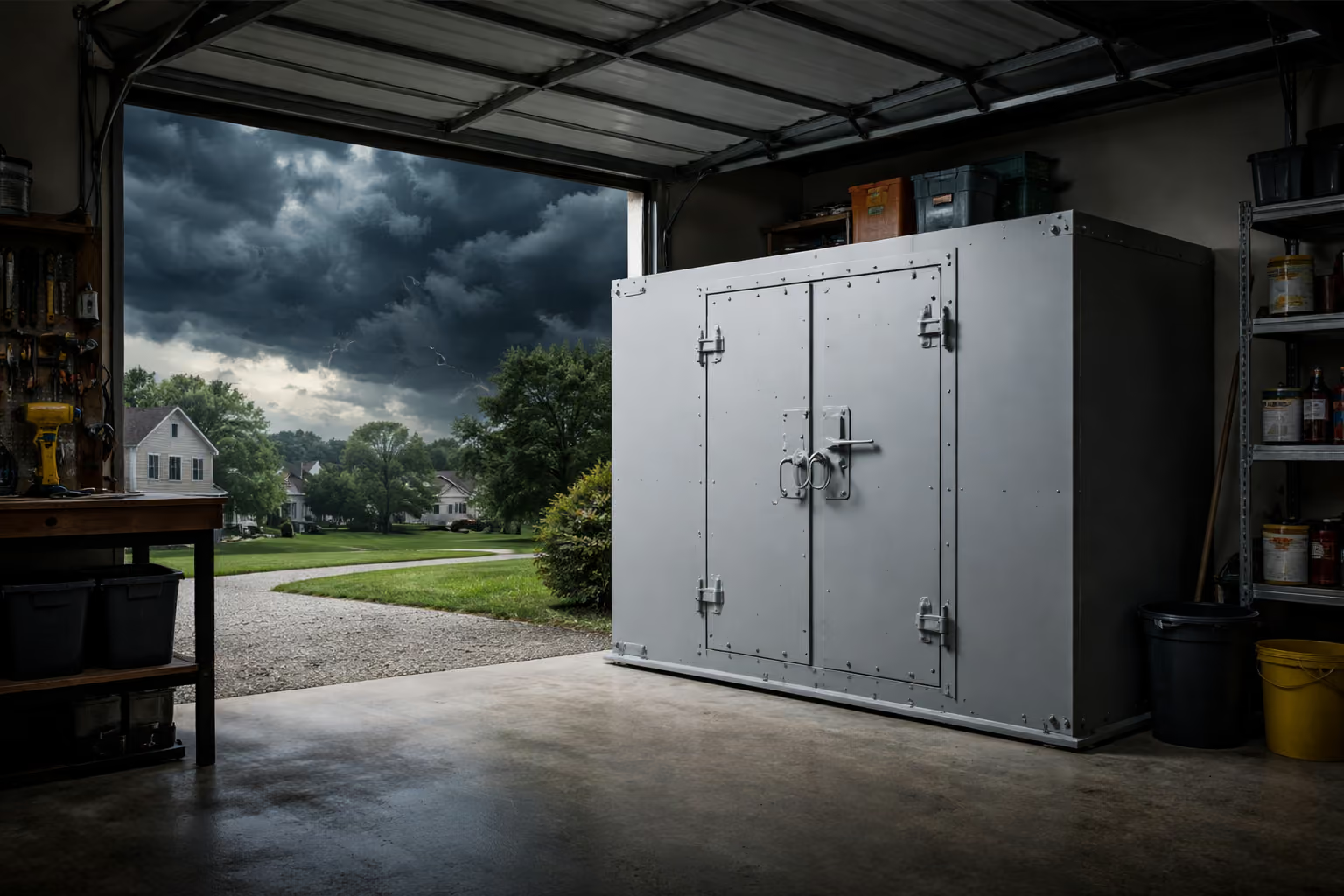
The safest place during Kentucky Tornado Season is a certified storm shelter or reinforced safe room.
Interior closets and hallways offer limited protection. Engineered shelters are designed to withstand extreme wind speeds and debris impact.
Solutions available through Storm Mode are built to meet FEMA and ICC-500 standards and provide dependable protection during EF-5 level events.
Step 3: Prepare an Emergency Supply Kit
Purpose: Maintain safety during extended outages.
Your emergency kit should include:
- Bottled water (one gallon per person per day)
- Non-perishable food
- Flashlights and extra batteries
- First-aid supplies
- Prescription medications
- Portable phone chargers
- Important documents stored in waterproof containers
Store these supplies inside your designated shelter for quick access during a warning.
Step 4: Secure Your Property
Purpose: Reduce flying debris hazards.
Before peak Kentucky Tornado Season months:
- Trim weak tree branches
- Secure outdoor furniture
- Inspect roof shingles and siding
- Reinforce garage doors when possible
Reducing loose debris lowers secondary damage risk.
Step 5: Practice Family Tornado Drills
Purpose: Eliminate hesitation during emergencies.
Conduct drills at least twice per year, ideally before spring and again before late fall.
Ensure all household members know:
- Where the shelter is located
- How to reach it quickly at night
- Who assists children, elderly family members, or pets
Prepared families react faster and more confidently during severe weather.
Real-World Kentucky Tornado Season Scenarios
Spring Severe Weather Outbreak
In April, a powerful storm system produces supercells across western Kentucky. A late-night tornado warning in Kentucky is issued. A family with a certified shelter moves immediately into reinforced protection, avoiding debris-related injuries.
December Tornado Event
Severe storms develop unexpectedly in early December. Because preparation occurred before Kentucky Tornado Season peaked, emergency supplies are already stocked and accessible when alerts sound.
Regional Severe Weather Awareness
Storm systems affecting Kentucky often extend into surrounding states. Families with connections to neighboring regions such as Georgia can review service coverage options in areas like Georgia service areas to ensure broader protection planning.
Common Mistakes During Kentucky Tornado Season
Avoid these critical errors:
- Assuming tornadoes only happen in spring
- Ignoring nighttime alerts
- Waiting to install a shelter
- Failing to practice drills
- Relying solely on interior rooms
Avoiding these mistakes strengthens your overall safety strategy.
Why Reinforced Protection Matters
Kentucky Tornado Season can produce powerful, long-track tornadoes capable of extensive destruction.
While severe weather cannot be prevented, structural protection can significantly improve survival outcomes.
Certified shelters provide:
- Impact-resistant steel or reinforced construction
- Anchored stability during extreme winds
- Protection from flying debris
- Peace of mind during nighttime events
Rather than relying solely on interior rooms, many Kentucky homeowners invest in engineered shelter systems before peak storm months arrive.
Preparation before Kentucky Tornado Season intensifies is the most important safety decision you can make.
Frequently Asked Questions
When is tornado season in Kentucky?
Kentucky Tornado Season typically begins in March, peaks in April and May, and often sees a secondary peak in late fall and early winter.
Are tornadoes common in Kentucky?
Yes. Tornadoes in Kentucky occur every year, with activity levels varying based on weather conditions.
Is KY in Tornado Alley?
No. Kentucky is not part of traditional Tornado Alley but is located in Dixie Alley, a region known for significant severe weather activity.
What should I do during a tornado warning in Kentucky?
Move immediately to a certified storm shelter or reinforced safe room. If no shelter is available, go to an interior room on the lowest level away from windows.
Are tornado watches and warnings different?
Yes. A watch means conditions are favorable. A warning means a tornado is occurring or imminent and you should take shelter immediately.
Final Thoughts on Kentucky Tornado Season
Kentucky Tornado Season can extend beyond traditional spring months and includes significant fall and winter risk. Because many storms strike at night and provide limited warning time, preparation must occur before severe weather develops.
Monitoring alerts, installing certified protection, stocking emergency supplies, and practicing drills all contribute to safer outcomes.
When storms move quickly, preparation is what protects you most.