
How Much Water Should You Store in a Storm Shelter?
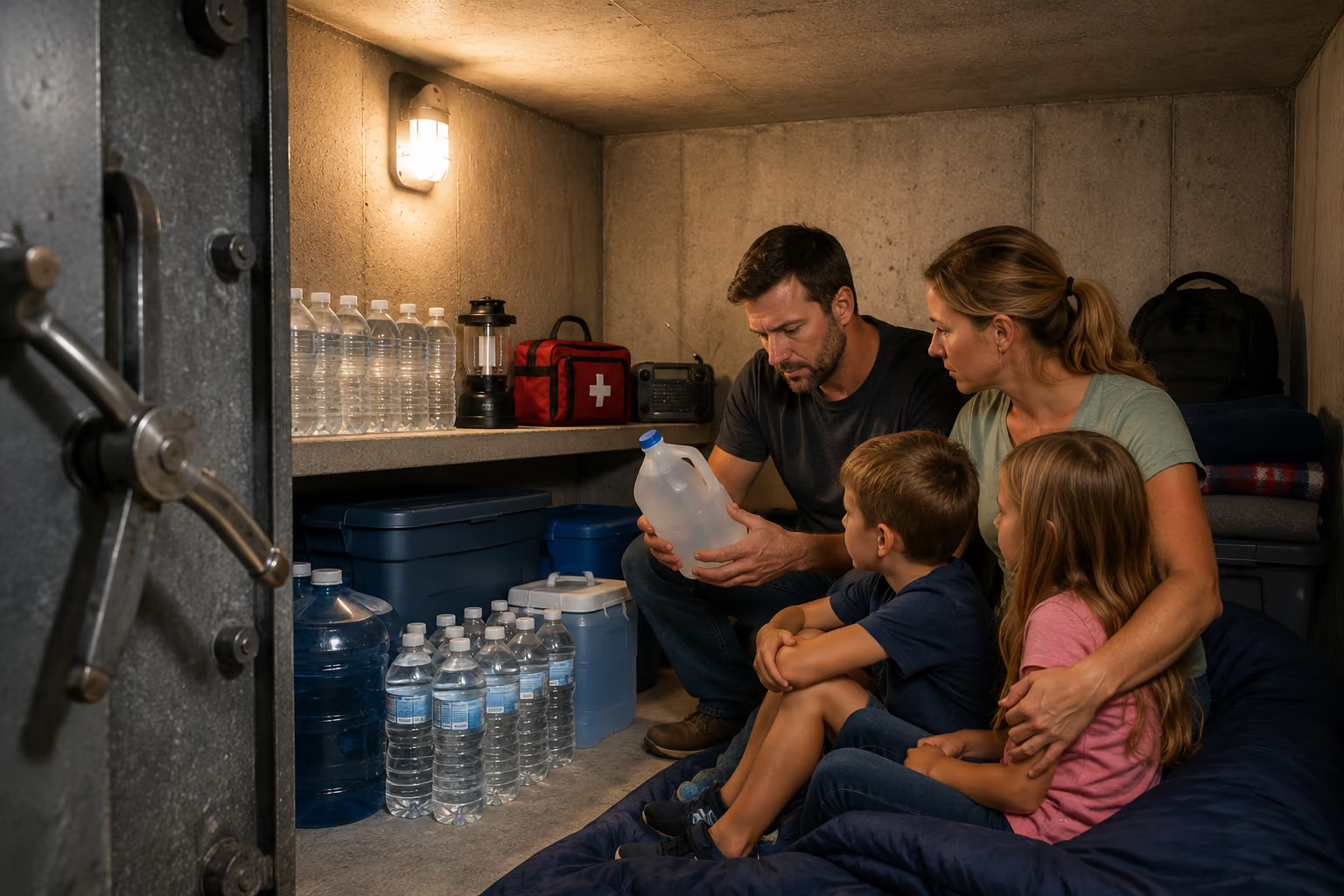
One of the most common questions homeowners ask when stocking a storm shelter is how much water they should keep inside. The simplest answer is to store enough drinking water for every person who may use the shelter, plus additional water for pets and unexpected situations.
While most tornado warnings last less than an hour, severe weather can create problems that continue long after the warning expires. Power outages, damaged infrastructure, blocked roads, and repeated rounds of storms can all make access to clean drinking water more difficult than expected.
For most families, water should be the very first item added to a storm shelter emergency kit.
A Real-World Example
Imagine a family of four entering their shelter during a nighttime tornado warning. The children are scared, the dog is pacing, cell service is unreliable, and power has already gone out in the neighborhood.
A few bottles of water can disappear surprisingly fast when multiple people are sharing a confined space.
Having adequate emergency water stored ahead of time removes one more problem when stress levels are already high. Instead of worrying about supplies, your family can focus on staying safe until the threat has passed.
Why Water Is the Most Important Storm Shelter Supply
Many preparedness discussions focus on food, radios, flashlights, and first aid kits.
Those supplies matter.
But water is the one resource every member of the household depends on immediately.
Water supports:
- Drinking
- Medication use
- Children
- Pets
- Hot weather sheltering
- Extended power outages
- Multiple severe weather events
Unlike food, water cannot be postponed for very long without affecting comfort and well-being.
If you are building a preparedness kit from scratch, water should come before almost everything else.
Water Storage Matters Across the South
Across Alabama, Tennessee, Mississippi, and Kentucky, many homes are built without basements.
For those families, a storm shelter or safe room often serves as their primary severe weather protection during tornado season.
Because shelters may be used multiple times throughout the year, keeping emergency drinking water stocked and ready is one of the simplest preparedness steps homeowners can take.
Unlike many emergency supplies, water serves everyone in the household immediately.
The Standard Emergency Water Recommendation
Most emergency preparedness organizations recommend storing:
One Gallon of Water Per Person Per Day
This recommendation helps cover:
- Drinking
- Basic hydration
- Limited sanitation needs
- Medication use
Although tornado shelter stays are usually short, many homeowners choose to exceed the minimum recommendation to prepare for extended disruptions after a storm.
The goal is not to turn your shelter into a warehouse.
The goal is to ensure your family has enough water if conditions become more complicated than expected.
How Much Water Should a Family Store?
Family of Two
Minimum recommendation:
- 2 to 4 gallons
Better preparedness:
- 5+ gallons
This provides flexibility if power outages or additional storms occur.
Family of Four
Minimum recommendation:
- 4 to 8 gallons
Better preparedness:
- 10+ gallons
A family of four often consumes water faster than expected, especially when children are involved.
Family of Six
Minimum recommendation:
- 6 to 12 gallons
Better preparedness:
- 15+ gallons
Larger households should plan for additional water needs and consider multiple storage methods.
Don't Forget Pets
Many homeowners remember their pets during a tornado warning but forget their supplies.
If your dog or cat will shelter with you, they should have emergency water available as well.
Recommended pet supplies include:
- Emergency drinking water
- Collapsible bowls
- Pet food
- Pet first aid supplies
Pet needs should be included in your overall water planning rather than treated as an afterthought.
Emergency Water Pouches vs. Bottled Water
Both options can work well.
The right choice often depends on your shelter size, available storage space, and family needs.
Emergency Water Pouches
Advantages:
- Compact storage
- Long shelf life
- Easy organization
- Portion control
- Excellent for smaller shelters
These are especially useful inside safe rooms, garage shelters, and compact shelter spaces where every inch matters.
Bottled Water
Advantages:
- Familiar
- Readily available
- Easy replacement
Challenges:
- Larger storage footprint
- More difficult organization
- Shorter storage life in some conditions
Many families use both emergency water pouches and bottled water together.
Choosing the Right Water Storage for Your Shelter
The best storage method often depends on your shelter type.
Smaller safe rooms and garage shelters typically benefit from compact emergency water pouches because they require very little space.
Larger underground shelters often have enough room for both emergency pouches and additional bottled water.
Families with larger shelters may choose to keep:
- Water pouches
- Bottled water
- Pet water
- Additional emergency supplies
The most important factor is having water available before it is needed.
Water Storage for Children
Children often consume less water than adults, but they still require reliable hydration.
Parents should also account for:
- Baby formula preparation
- Baby food
- Hot weather conditions
- Additional hydration during stressful situations
Families with infants should maintain supplies beyond minimum recommendations.
Water Storage for Older Adults
Older adults may require:
- Medication-related hydration
- Easier access to supplies
- Additional comfort considerations
Keep water stored where it can be accessed quickly without moving heavy containers.
Summer Tornado Season and Water Needs
Tornado season often overlaps with periods of extreme heat and humidity across the South.
Shelters can become warm quickly when multiple people occupy a confined space.
Water becomes even more important during:
- Spring outbreaks
- Summer severe weather events
- Extended power outages
- Overnight emergencies
During major spring and summer outbreaks, some families may shelter multiple times within a single 24-hour period as additional rounds of storms move through the region.
In those situations, water is often consumed faster than expected, especially when children, pets, and older adults are involved.
How Often Should Water Be Replaced?
Emergency water supplies should be checked regularly.
Review:
- Expiration dates
- Packaging condition
- Storage environment
- Manufacturer recommendations
A good schedule is:
- Before spring tornado season
- Before fall severe weather season
- After shelter use
Replace damaged or expired supplies immediately.
Water Should Be Part of a Larger Shelter Plan
Water is critical, but it should not be your only preparedness supply.
A complete shelter kit should also include:
- Emergency food
- Weather radio
- Flashlights
- Lanterns
- Backup power
- First aid supplies
- Sanitation products
- Pet supplies
- Comfort items
For a complete planning guide, review:
Storm Shelter Essentials Checklist and What to Put in a Tornado Shelter
to make sure your preparedness plan covers every major category.
Monitor Severe Weather Before You Need Your Supplies
Preparedness starts long before the tornado warning is issued.
Families should monitor severe weather conditions using tools such as:
Storm Mode and the 24-Hour Tornado Tracker
to stay aware of developing threats and potential severe weather outbreaks.
Knowing when storms are approaching provides more time to prepare, charge devices, and move supplies into position.
Final Thoughts
Water is one of the least expensive storm shelter supplies you will ever buy, yet it is often the first item families reach for during an emergency.
Whether you are stocking a newly installed shelter or updating an existing preparedness kit, maintaining adequate water storage is one of the easiest ways to improve your family's readiness before severe weather season arrives.
The best amount of water depends on your household size, shelter type, and family needs.
At a minimum, every storm shelter should contain enough emergency drinking water for every person who may use it, along with additional water for pets and unexpected situations.
Shop Emergency Water & Storm Shelter Essentials
Build a complete preparedness kit with emergency water, food, radios, lighting, sanitation products, and family emergency supplies.