
Best Storm Shelter for Slab Foundation Homes in Small Alabama Yards
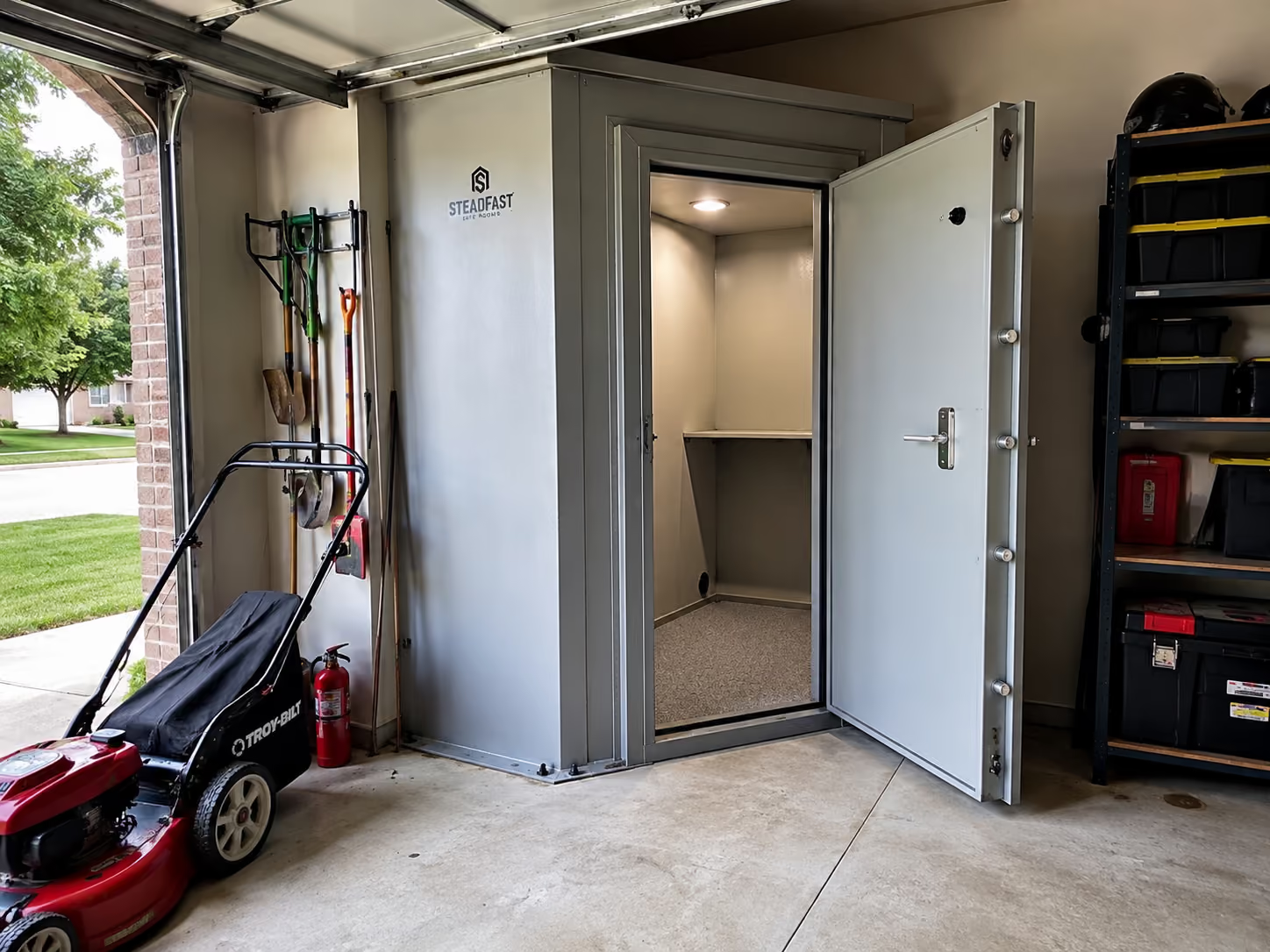
Slab-home owners in Alabama face a specific challenge during severe weather: finding an EF-5 rated storm shelter for slab foundation homes that fits a compact property footprint without requiring a basement. For properties with limited outdoor space, a compact above-ground steel safe room bolted directly to an engineered concrete slab is the best solution for reliable protection. Many homeowners without a basement assume their options are limited, but specialized engineering ensures you do not have to sacrifice yard space for life-safety security.
Understanding how a no basement storm shelter integrates with your existing property layout is essential for choosing the best storm shelter for slab homes. Choosing the wrong configuration can lead to structural compliance issues or compromised installation integrity. This guide breaks down the most efficient slab home safe room options for tight footprints, helping you make an informed decision for your family's safety. Let’s look at how these systems work on smaller properties.
Why a Storm Shelter for Slab Foundation Homes Matters on Small Lots
A storm shelter for slab foundation homes is a high-performance life-safety enclosure engineered to anchor directly to an existing or purpose-poured concrete pad. On small properties, this setup usually takes the form of an above-ground steel safe room. These structures utilize heavy-duty anchor bolts drilled straight into the reinforced concrete, converting the structural mass of your house's foundation into a stabilizing ballast that resists extreme wind uplifting and intense lateral forces. For families living in high-risk tornado zones, having a dependable storm shelter for slab foundation homes ensures immediate access to protection when seconds count.
When managing a tight yard footprint, choosing a traditional underground cellar or massive concrete unit isn't always practical due to utility lines, setback rules, or property boundaries. This makes a no basement storm shelter an essential alternative for urban and suburban residential properties. Without the natural shielding of below-ground earth, above-ground units must rely completely on strict engineering. High-quality steel safe rooms are manufactured to meet and exceed FEMA P-361 standards, ensuring they can withstand 250+ mph wind speeds and severe debris impacts.
Investing in the best storm shelter for slab homes provides several practical advantages for compact properties:
- Zero Footprint Waste: These units easily fit inside a garage, carport, or right against an exterior wall without taking over your backyard.
- Slab Home Safe Room Accessibility: Above-ground placement offers a flat, step-free entry path, which is ideal for individuals with limited mobility.
- Simplified Engineering: Installing a dedicated unit on a verified foundation avoids the high costs and complex excavation required for underground systems.
A common misconception is that standard residential concrete pads can automatically support any above-ground structure. In reality, safe installations require a professional assessment to verify that your foundation meets the necessary thickness, PSI strength, and reinforcement standards before anchoring.
Designing the Ideal Slab Home Safe Room for Compact Lots
Installing a reliable storm shelter for slab foundation homes on a smaller property requires balancing maximum structural integrity with a minimal footprint. Because you cannot excavate deep into a tight yard without risking property lines or utility disruptions, above-ground engineering is the most efficient path forward. To ensure your family remains safe from severe weather without sacrificing your entire property, your installation must focus on smart placement, precise engineering, and verified anchoring.
1. Prioritize Above-Ground Steel Configurations
When space is limited, an above-ground steel safe room is highly recommended over bulkier alternative materials. Heavy-duty steel plates provide maximum impact resistance with exceptionally thin walls, giving you more interior survival space while taking up less physical area on your property.
Unlike heavy concrete alternatives that require wide delivery pathways and expansive clearance, modular steel units can be brought through standard gates or garage doors piece by piece and assembled directly on-site. This makes a steel slab home safe room highly adaptable for tight urban or suburban lots where heavy machinery cannot easily maneuver.
2. Utilize Existing Garage or Carport Slabs
One of the most effective strategies for a no basement storm shelter is placing the unit inside an attached garage, carport, or covered porch. This approach offers several distinct advantages for small properties:
- Immediate, Covered Access: You do not have to run outside into the middle of a severe night-time storm to reach safety.
- Protection from the Elements: Shielding the steel structure from direct sun and heavy rain eliminates long-term weather wear and tear.
- Preserved Yard Space: Your outdoor areas remain completely open for traditional landscaping, gardening, or family use.
If you choose an indoor installation, positioning the safe room in a corner allows you to utilize your existing home walls as extra structural shields against flying storm debris.
3. Verify Your Concrete Foundation Requirements
You must never bolt an EF-5 rated life-safety structure to a standard, unverified concrete pad without checking its structural capacity first. For an above-ground storm shelter for slab foundation homes to withstand severe lateral winds and intense uplift forces, the concrete foundation must meet strict safety baselines:
- Minimum Thickness: The concrete slab typically needs to be at least 4 inches thick, though 6 inches is highly preferred for maximum stability.
- Structural Strength: The foundation must feature a verified rating of 3,000 PSI or higher to prevent cracking under extreme tension.
- Internal Reinforcement: The concrete pad should contain internal steel rebar or wire mesh to ensure it holds together under heavy pressure.
If your existing home slab does not meet these specific requirements, a professional installer can cut out a small section of the floor, excavate a proper footing, and pour a dedicated, reinforced concrete pad designed specifically for your safe room.
4. Maintain Safe Property Boundary Setbacks
If you decide to place your unit outdoors in a compact yard, you must carefully review local zoning laws and neighborhood setback requirements. Most municipalities require permanent structures to sit a specific number of feet away from property lines, fences, and public roadways.
Additionally, you need to look up and map out underground utility lines—such as water mains, gas pipes, and electric conduits—before finalizing your location. Choosing a compact exterior footprint ensures you fully comply with local building regulations while keeping clear of critical underground infrastructure.
Balancing Total Footprint with Essential Protection
Selecting the best storm shelter for slab homes means choosing a space-efficient design that still fits your entire family comfortably during an active emergency. A standard 4'x4' or 4'x6' steel safe room provides plenty of standing or sitting space for a typical household while taking up less room than an ordinary backyard storage shed.
By focusing on high-grade steel materials and utilizing your existing concrete garage slab, you can easily secure certified, premium protection without compromising the usability or appearance of your small yard.
Real-World Applications for Compact Lot Properties
Transitioning from layout planning to actual installation shows how these small-footprint safety configurations protect residential properties in real-world scenarios. Choosing the right storm shelter for slab foundation homes depends on your property structure, space limits, and family accessibility needs.
Use Case 1: The Tight Suburban Lot
A homeowner in a dense suburban development lacked a basement and had less than ten feet of clearance between their back patio and the property line. To install a reliable no basement storm shelter, they chose a compact 4'x4' above-ground steel safe room anchored directly into their attached two-car garage floor. This strategic layout preserved their entire back patio area while giving the family immediate, indoor access to certified EF-5 rated protection without changing the exterior look of their home.
Use Case 2: Multi-Generational Accessibility
An Alabama family living in a traditional slab-foundation ranch home needed a life-safety setup that could easily accommodate an elderly relative who used a walker. Instead of choosing a cramped underground shelter that required navigating steep ladders, they opted for an above-ground slab home safe room installed right on their flat carport pad. This custom layout allowed for quick, zero-threshold wheelchair and walker entry during a severe weather alert, significantly reducing stress and movement friction when seconds mattered most.
These real-world examples show that finding the best storm shelter for slab homes is entirely possible on smaller properties, allowing you to secure your household without losing valuable space.
Actionable Tips for Installing a Safe Room on Small Alabama Lots
Applying these practical engineering insights helps you avoid common installation mistakes and ensures your storm shelter for slab foundation homes delivers code-compliant protection. Making smart choices early in the planning phase saves you from unexpected groundwork costs down the road.
- Check Your Foundation Strength First: Before finalizing your layout, verify that your concrete pad is at least 4 inches thick and rated for 3,000 PSI or higher. Bolting a heavy steel structure to a weak foundation can lead to fracturing under extreme wind pressure.
- Keep Your Entry Door Completely Clear: When installing a compact slab home safe room inside a tight garage or carport, always make sure the door swings outward into an open space. Leave plenty of room for vehicles and storage shelves so your family's quick entry path is never blocked during an emergency.
- Coordinate Around Local Utilities: If you choose an exterior layout for your no basement storm shelter, always call your local utility line locator before any site preparation begins. This simple step keeps your installation team safely away from buried electric cables or water lines.
- Review Regional Weather Safety Patterns: Look into regional climate data and local frequency maps using advanced Alabama storm shelters tracking tools. This helpful information ensures you place your unit in a highly secure spot that offers fast access during dangerous nighttime tornadoes.
Using these proactive planning tips ensures your new structure provides long-term, fail-proof protection while fitting perfectly within your property layout.
Securing Your Compact Property with the Best Storm Shelter for Slab Homes
Finding an EF-5 rated storm shelter for slab foundation homes does not require a large, expansive backyard. Homeowners managing tight property footprints can easily secure premium, certified protection by choosing a compact steel safe room tailored for their existing foundation. By understanding your concrete pad's thickness and leveraging space-saving indoor or outdoor placements, you can successfully implement a reliable no basement storm shelter without sacrificing your layout.
Proactively planning your installation before active severe weather arrival ensures your family stays completely safe during sudden Dixie Alley tornado warnings. Taking this practical step gives you total peace of mind, knowing your household has a direct, step-free access path when seconds matter most.
If you are ready to evaluate your property's foundation and select the best storm shelter for slab homes, our experienced team is here to guide you through every step of our turnkey installation process. Contact us today to review our custom sizes, or visit our dedicated steel safe rooms page to learn more and request a professional site assessment.
Frequently Asked Questions About Safe Rooms on Slab Foundations
Can you put an above-ground storm shelter on a slab foundation?
Yes, you can absolutely install an above-ground storm shelter for slab foundation homes. In fact, concrete slabs provide the ideal foundational base for heavy-duty steel safe rooms. The key requirement is that your existing concrete pad must meet specific structural standards, including a minimum thickness of 4 inches and a strength rating of 3,000 PSI or higher, to properly secure the heavy-duty anchor bolts against intense wind forces.
What is the best storm shelter for slab homes with small yards?
The best storm shelter for slab homes with limited outdoor space is an above-ground steel safe room installed inside a garage or carport. Steel units offer maximum EF-5 rated protection with thinner walls than concrete alternatives, saving valuable space. This compact layout completely preserves your yard footprint while providing rapid, covered access during a severe weather warning.
Does a no basement storm shelter require a permit in Alabama?
Yes, installing a permanent no basement storm shelter typically requires a local building permit across most Alabama municipalities. Getting a permit ensures your slab home safe room complies with local property setback rules and engineering codes. Working with a specialized provider simplifies this step, as professional installers handle the necessary documentation and foundation checks to ensure full local compliance.
Can an exterior concrete pad support an above-ground safe room?
Yes, an exterior pad can support a safe room, but it must be professionally evaluated first. For a storm shelter for slab foundation homes to stay secure, a standard backyard patio pad is often not thick enough. If your existing exterior concrete lacks the proper reinforcement or thickness, a dedicated pad can be poured to match the exact requirements of our concrete storm shelters.