
Best Storm Shelter for Rural Properties in Alabama
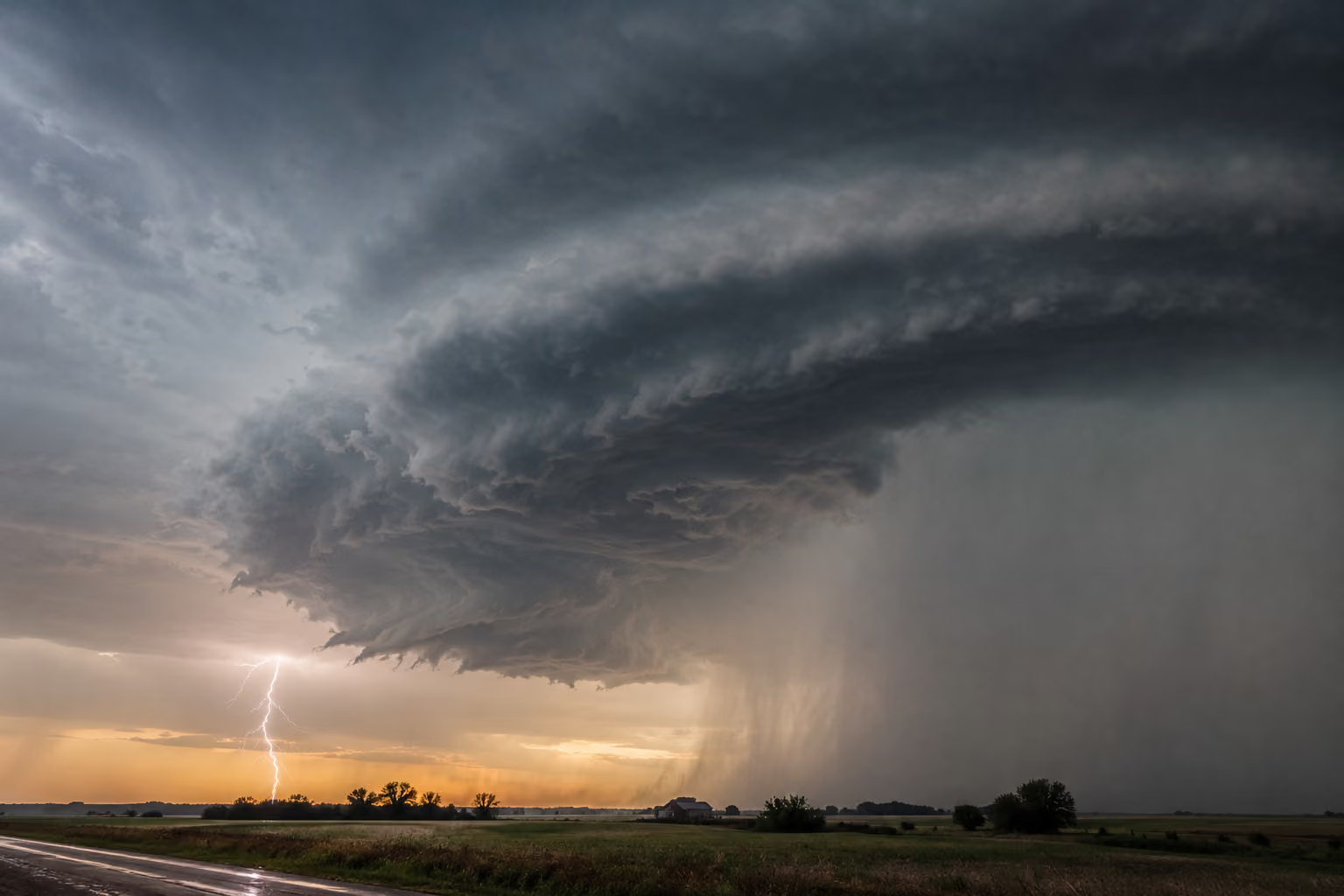
The best storm shelter for rural properties in Alabama is usually the one that fits the land, the home layout, and the way the family would actually reach protection during severe weather.
Rural properties create a different shelter decision than homes in a subdivision.
A homeowner with acreage may have more room for placement, but that does not automatically make every location a good one. A shelter that is placed too far from the house, too close to drainage issues, or too difficult to reach during nighttime storms may not work well when a tornado warning is active.
For many rural Alabama homes, farms, and acreage properties, an outdoor concrete storm shelter can be one of the strongest practical options because it can be placed near the home while still taking advantage of available land.
The goal is not just choosing the strongest shelter on paper.
The goal is choosing a rural storm shelter your family can reach quickly, safely, and consistently when severe weather is already moving in.
What Is the Best Storm Shelter for Rural Properties?
For many rural Alabama properties, concrete storm shelters are one of the best options because they work well for outdoor placement, larger properties, farm settings, and acreage-based installation planning.
Rural homeowners often prioritize:
- durable outdoor placement
- enough capacity for family members
- practical access from the house
- long-term weather resistance
- placement flexibility on larger properties
- protection without relying on a nearby public shelter
A farm storm shelter or acreage storm shelter should be close enough to reach quickly, but placed carefully enough to account for drainage, grading, driveway access, and how storms typically affect the property.
The best option depends on the property layout, not just the amount of land available.
Why Rural Storm Shelter Planning Is Different in Alabama
Rural Alabama homes often face severe weather differently than homes in town.
Families may be farther from emergency services, farther from public shelter options, and surrounded by open land, trees, barns, outbuildings, or long driveways.
During a tornado warning, leaving the property may not be realistic.
A family may be dealing with:
- limited warning time
- heavy rain
- poor visibility
- long outdoor paths
- children or elderly family members
- pets or farm animals
- power outages
- blocked driveways or fallen trees
That is why many homeowners researching Alabama storm shelters want a shelter located directly on their property instead of depending on travel during severe weather.
For rural properties, the best shelter is usually the one that combines strong protection with a realistic access path from the home.
Best Storm Shelter Options for Rural Alabama Properties

Concrete Storm Shelters
For many rural homes and acreage properties, concrete storm shelters are a strong fit because they are well suited for outdoor placement and larger property layouts.
Why Concrete Shelters Work Well for Rural Properties
- strong fit for outdoor installation
- practical for homes with acreage
- durable long-term structure
- good option for farm and rural home settings
- can be placed near the home when site conditions allow
- larger-capacity options may be available
For rural homeowners, placement matters as much as the shelter itself.
A concrete shelter placed close to the home can give families a realistic path to protection during severe weather while still using available outdoor space.

Farm Storm Shelters
A farm storm shelter needs to account for more than just the house.
Many rural families spend time around barns, shops, garages, equipment areas, or detached structures. That can make shelter placement more complicated.
A farm property owner should think through:
- where people usually are during the day
- how quickly they can reach the shelter
- whether the shelter is closer to the home or work area
- whether children or older adults need easier access
- whether the path stays usable during heavy rain
A shelter placed near the home may be best for nighttime tornado warnings, while some rural layouts may require extra thought around barns or detached buildings.
The key is making sure the shelter supports the way the property is actually used.

Acreage Storm Shelter Placement
An acreage storm shelter gives homeowners more placement flexibility, but more space can also create more decisions.
Rural Alabama homeowners should evaluate:
- distance from the house
- drainage and low spots
- slope and grading
- driveway access
- tree coverage
- equipment access for installation
- how the route works at night
A shelter that is technically on the property but too far from the house may not be ideal during a nighttime tornado warning.
The best placement usually keeps the shelter close enough for fast family access while still choosing a safe, practical location for installation.
Outdoor Concrete Storm Shelter Considerations
An outdoor concrete storm shelter can be a strong option for Alabama rural properties, but site conditions matter.
Before choosing placement, homeowners should think about:
- whether water collects near the proposed location
- whether the site is reachable during heavy rain
- whether the shelter path crosses uneven ground
- whether trees or debris could affect access
- whether the shelter is close enough for children or elderly family members
The right outdoor placement should make the shelter easier to use, not harder.
That is why property evaluation matters before installation.
What Rural Alabama Families Often Realize During the Decision Process
Many rural homeowners initially think the decision is simple because they have more land.
But more land does not automatically mean easier shelter planning.
A family may realize:
- the flattest area is too far from the house
- the closest area has drainage problems
- the easiest install location may not be the safest access location
- nighttime storms make long outdoor walks harder
- children or elderly relatives may need a shorter path
- farm layouts can spread people across the property
That is why the best storm shelter for rural properties is usually chosen around real emergency use.
The shelter should be strong, but it should also be reachable when conditions are bad.
Choosing the Right Rural Storm Shelter Setup
Steadfast Storm Shelters helps Alabama homeowners compare rural storm shelter options based on property layout, placement, accessibility, and severe weather needs.
For many rural properties, concrete storm shelters are a strong first option because they work well for outdoor placement and larger property layouts.
Homeowners can also compare all storm shelter options when deciding which shelter type best fits their home, land, and emergency plan.
For homeowners near Birmingham and surrounding Alabama communities, placement, access, and property layout all affect the best shelter choice. Families comparing storm shelters in Birmingham may have different installation needs than homeowners on rural acreage, but the core decision is the same: choose the shelter that fits the property and can be reached quickly during severe weather.
How to Choose the Best Shelter for a Rural Property
Before choosing a rural storm shelter, Alabama homeowners should evaluate:
- how close the shelter should be to the house
- whether drainage affects the placement area
- whether children or older adults can reach it quickly
- whether the shelter path is usable at night
- whether farm buildings affect placement decisions
- whether the installation area is accessible for equipment
- whether the shelter fits long-term family needs
The best next step is to compare shelter options based on how the property is actually used, not just how much land is available.
Find the Best Fit for Your Rural Property
Compare rural storm shelter options based on your land, home layout, access needs, and severe weather protection goals.