
Best Storm Shelter for Older Adults and Accessibility Needs in Kentucky
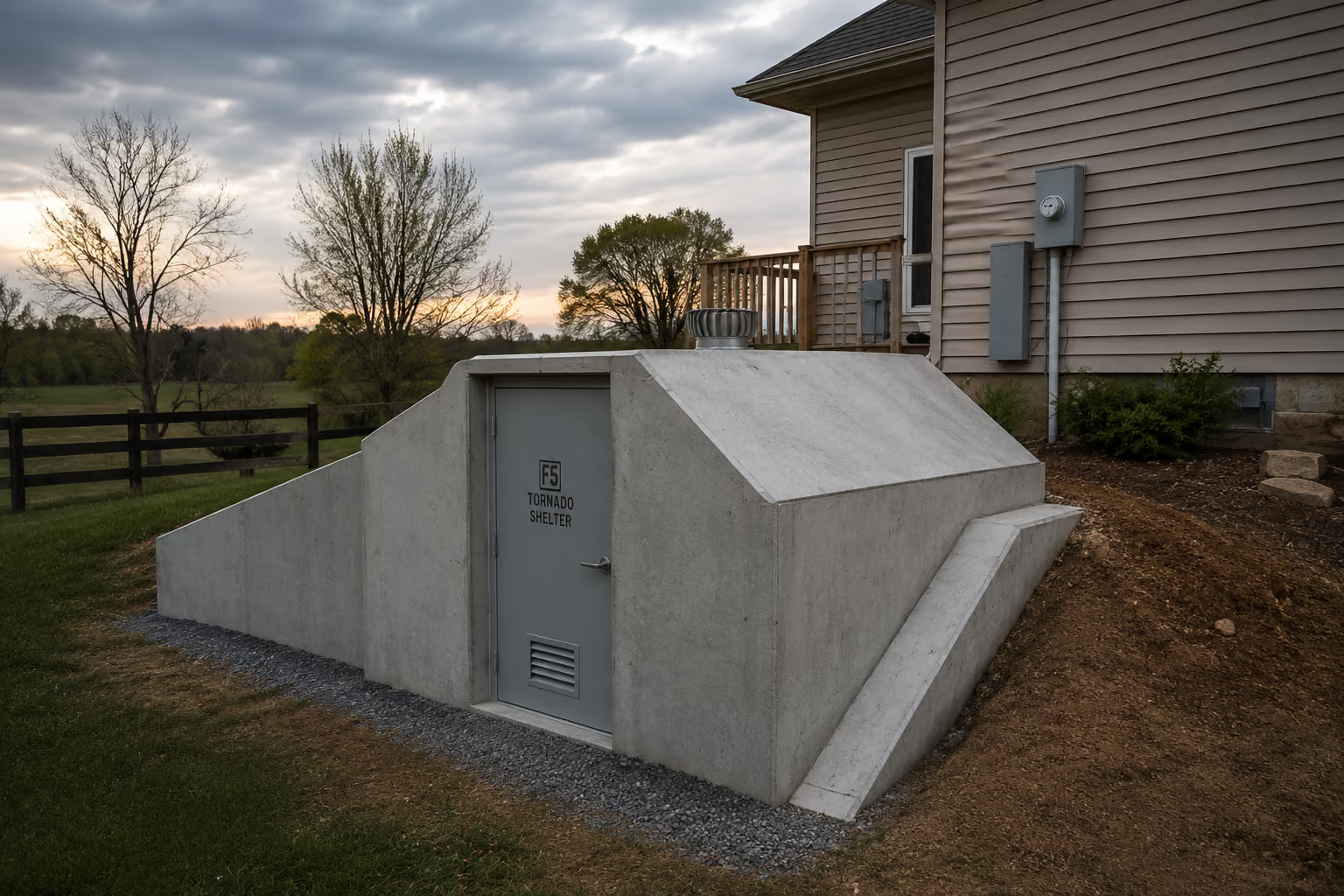
The best storm shelter for elderly homeowners is usually the one that provides the safest and easiest access during a real tornado warning — not just the one that looks strongest on paper.
For older adults in Kentucky, accessibility can change the entire shelter decision.
A shelter that requires steep stairs, outdoor travel during heavy rain, or quick movement across uneven ground may be difficult to use when severe weather is approaching. That becomes even more important during nighttime warnings, power outages, mobility limitations, balance concerns, or situations where a caregiver needs to help someone reach protection quickly.
For many Kentucky families, the best option is often a safe room or accessible above-ground shelter because these setups reduce barriers during emergencies.
The goal is simple: choose a storm shelter that an older adult can reach quickly, safely, and confidently when every minute matters.
What Is the Best Storm Shelter for Elderly Homeowners?
For many elderly homeowners, the best storm shelter is a steel safe room or accessible above-ground storm shelter because these options can reduce stairs, shorten access time, and make emergency entry easier.
A good accessible storm shelter should prioritize:
- simple entry
- minimal or no stairs
- fast access from the home
- enough space for mobility needs
- easier access for caregivers
- practical use during nighttime warnings
Underground shelters can still work well for some families, but they may not be the best fit when stairs, balance, mobility, or caregiver assistance are major concerns.
That is why many Kentucky homeowners compare steel safe rooms, concrete storm shelters, and above-ground shelter accessibility before making a final decision.
Why Accessibility Changes the Storm Shelter Decision
A tornado warning is not a calm situation.
Older adults may be dealing with slower movement, joint pain, balance concerns, walkers, canes, wheelchairs, or the need for another family member to assist them. During severe weather, those challenges can become more difficult because of darkness, rain, sirens, stress, and limited reaction time.
A family helping an elderly parent at 2 AM during a warning is making a very different decision than someone comparing shelter types during the day.
That is why the best storm shelter for seniors is not always the most traditional option.
Families should ask:
- Can the shelter be reached quickly from the main living area?
- Are stairs required?
- Can an older adult enter without rushing or climbing?
- Would a caregiver have enough room to help?
- Is the shelter practical during rain, darkness, or power loss?
The right shelter should reduce stress, not add another obstacle during the emergency.
Homeowners researching Kentucky storm shelters often prioritize accessibility just as heavily as structural protection.
Best Storm Shelter Options for Older Adults in Kentucky
Steel Safe Rooms
For many older adults, steel safe rooms are one of the strongest accessibility-focused options because they are installed above ground and can often be placed inside or near the home.
Why Steel Safe Rooms Work Well
- indoor or close-access protection
- no need to climb down into a shelter
- easier entry during nighttime warnings
- practical for mobility limitations
- strong fit for caregiver assistance
- protection without crossing the yard during storms
Steel safe rooms are often a strong choice when the priority is fast, direct access.
For elderly homeowners, the ability to step into protection instead of navigating stairs or outdoor conditions can make a major difference.

Concrete Storm Shelters
Concrete storm shelters can also be a strong option for Kentucky homeowners, especially when installed in a location that remains easy to access.
Why Concrete Shelters May Fit
- durable shelter construction
- above-ground options available
- strong fit for outdoor placement
- larger capacity options available
- practical for some family and caregiver situations
The key is placement.
A concrete storm shelter may be highly protective, but for older adults it should be positioned where access is realistic during severe weather.
A shelter placed too far from the home may become harder to use during heavy rain, darkness, or high-stress warnings.

Accessible Above-Ground Shelter Options
Above-ground shelter accessibility is often a major advantage for older adults because these shelters avoid many of the challenges that come with below-ground entry.
Accessibility Advantages
- less physical strain
- easier emergency access
- better fit for balance concerns
- no ladder-style entry
- more practical for aging-in-place planning
For families helping seniors, above-ground shelters can make the emergency plan more realistic.
The best shelter is the one that can actually be used quickly when the warning comes.
Underground Shelters
Underground shelters can provide strong protection, but they are not always the best fit for elderly homeowners or people with mobility needs.
Potential Concerns
- stairs may be difficult
- entry can be harder at night
- mobility equipment may not fit easily
- caregiver assistance may be more challenging
- wet or slippery conditions may create added risk
This does not mean underground shelters are wrong for every older adult.
It means families should be honest about how the shelter will be used during an actual emergency.
What Kentucky Families Should Consider Before Choosing
Kentucky severe weather can move quickly, and many homes are spread across suburban neighborhoods, rural properties, and smaller communities where shelter placement can vary widely.
That makes property layout important.
A homeowner in a suburban neighborhood may prioritize garage or indoor access. A rural property owner may have more placement flexibility but may also need to think harder about distance from the home, uneven ground, and nighttime access.
For older adults, the biggest question is not only “Which shelter is strongest?”
It is:
“Can this person get inside safely when the warning happens?”
Kentucky families should consider:
- distance from the main living area
- whether stairs are required
- whether the path is level and easy to travel
- whether a caregiver may need room to assist
- whether the shelter works for long-term mobility changes
- whether the location makes sense during nighttime storms
That practical planning is what turns a shelter from a purchase into a usable safety plan.
Families in western Kentucky communities researching storm shelters in Bowling Green often prioritize fast-access placement because of nighttime severe weather concerns.
Choosing the Best Fit for Older Adults
Steadfast Storm Shelters helps Kentucky homeowners compare shelter options based on accessibility, property layout, and severe weather needs.
For many older adults, steel safe rooms are a strong first option because they support indoor or close-access protection with fewer mobility barriers.
Some families may also compare concrete storm shelters when they want durable above-ground protection and have a practical location for installation.
For homeowners near Bowling Green and surrounding Kentucky communities, the right choice depends on:
- mobility needs
- available placement
- garage or indoor access
- caregiver support
- shelter size
- emergency response time
The safest choice is the one that fits the person, the property, and the way the shelter will actually be used.
How to Choose an Accessible Storm Shelter
Before choosing a storm shelter for an older adult, ask practical questions first.
- Can they reach the shelter without climbing stairs?
- Can they enter without rushing?
- Is the path short and simple?
- Can a caregiver help if needed?
- Would the shelter still work if mobility changes over time?
- Is the location realistic during rain, darkness, or power outages?
A good shelter plan should feel usable, not just protective.
That is why accessibility should be part of the decision from the beginning.
Find the Best Fit for Your Family
Compare accessible storm shelter options for older adults, mobility needs, and Kentucky severe weather conditions.