
Storm Shelter Cost in Georgia

Georgia experiences severe storms and tornado outbreaks each year, leading many homeowners and property owners to consider installing storm shelters for protection. One of the most common questions people ask before installing a shelter is how much a storm shelter costs.
Storm shelter cost in Georgia can vary depending on several factors, including the type of shelter, installation requirements, size, and delivery logistics. Above-ground shelters, underground shelters, and indoor safe rooms each have different pricing ranges based on construction and installation needs.
Understanding these factors can help Georgia property owners compare shelter options and plan for installation.
Average Storm Shelter Cost in Georgia
The total price of a storm shelter depends on the shelter type, installation requirements, and size. While prices vary by manufacturer and site conditions, most shelters fall within general cost ranges.
Typical storm shelter price ranges include:
Above-ground storm shelters: typically $4,000 – $9,000+ installed
Underground storm shelters: typically $3,500 – $8,500+ installed
Indoor safe rooms: typically $5,000 – $12,000+ depending on structure and installation
These ranges can vary depending on installation complexity, site preparation, and customization.

Above-Ground Storm Shelter Cost
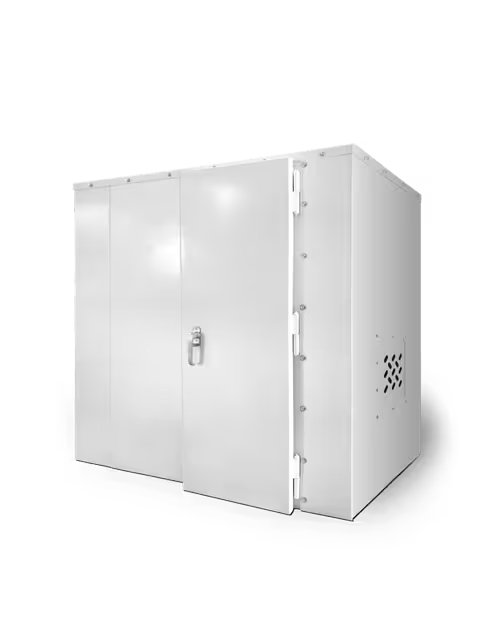
Above-ground storm shelters are commonly installed outdoors on a prepared base and delivered as reinforced units.
In Georgia, above-ground shelters are often selected for properties without basements because they provide quick outdoor access during severe weather warnings.
Pricing for above-ground shelters can vary based on:
- Shelter size
- Reinforced construction materials
- Delivery logistics
- Base preparation
- Installation equipment requirements
Larger shelters designed for families or shared use will typically cost more than compact residential models.
Underground Storm Shelter Cost
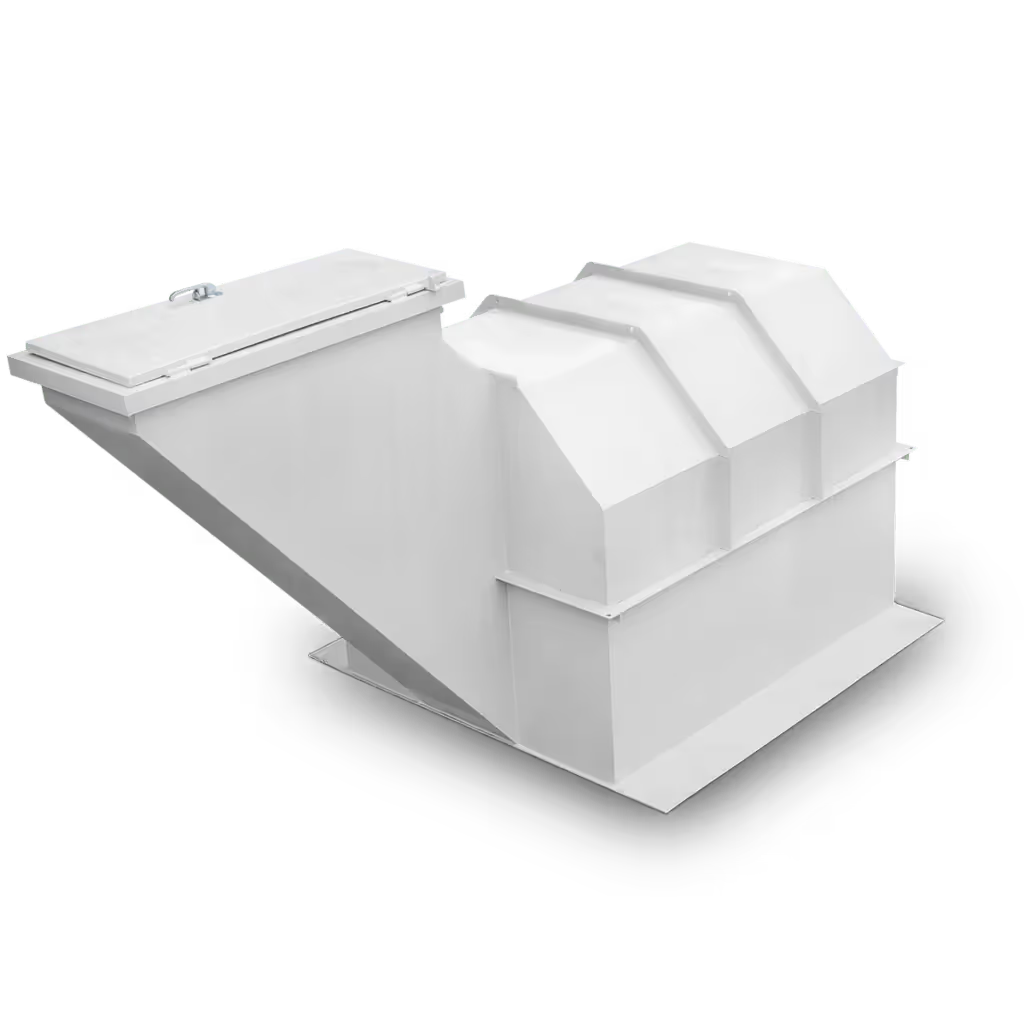
Underground storm shelters require excavation and site preparation before installation. Because the shelter is installed below ground level, installation complexity can influence the final cost.
Factors affecting underground shelter pricing include:
- Excavation depth
- Soil conditions
- Drainage considerations
- Shelter size and construction
- Installation equipment access
Underground shelters are often installed in yards or garages and remain one of the most common tornado protection solutions across tornado-prone areas.
Safe Room Cost
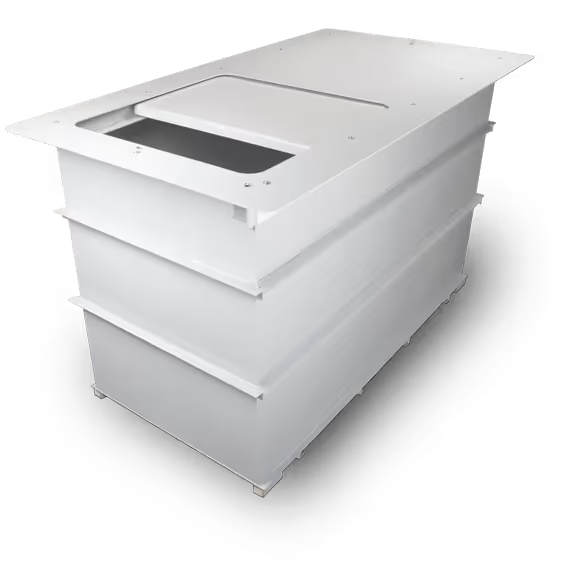
Tornado safe rooms are reinforced shelters installed inside homes, garages, or buildings. Safe rooms are commonly built from reinforced steel or concrete and anchored to the building structure.
Safe room cost in Georgia can vary depending on:
- Interior installation location
- Structural reinforcement requirements
- Safe room size
- Engineering specifications
- Installation complexity
Safe rooms are often chosen by property owners who want indoor tornado protection without needing to leave the building during severe storms.
Factors That Affect Storm Shelter Cost
Several factors influence the final cost of a storm shelter installation in Georgia.

Shelter Type
Above-ground shelters, underground shelters, and indoor safe rooms all have different construction methods and installation requirements.

Shelter Size
Larger shelters designed to protect more occupants will generally increase the total cost.

Installation Requirements
Excavation, base preparation, delivery equipment, and site accessibility can all affect installation pricing.
Delivery and Equipment
Many shelters are delivered using boom trucks or specialized lifting equipment, which may affect delivery logistics and scheduling.
Who Typically Installs Storm Shelters in Georgia
Storm shelters are commonly installed for:
- Residential homes
- Rural properties
- Farms and large properties
- Schools
- Churches
- Commercial properties
Many Georgia property owners choose to install shelters to prepare for severe weather events and increase household safety.
Storm Shelter Safety Standards
Storm shelters are designed to follow life-safety guidance intended to protect occupants during severe tornado events.
Many shelters are engineered to withstand winds exceeding 250 mph along with high-velocity debris impacts produced by major tornadoes.
FEMA Guidance
FEMA publications such as FEMA P-320 and FEMA P-361 provide guidance for residential and community tornado shelter design.
ICC 500 Standards
Many modern storm shelters are designed around ICC 500 standards, which include testing for debris impact resistance and extreme wind performance.
Storm Shelter Installation Across Georgia
Steadfast serves property owners across Georgia looking for storm shelter installation, including projects in cities such as Atlanta, Augusta, Columbus, Savannah, Athens, Macon, Roswell, Warner Robins, and Alpharetta.
For service area information and installation availability, visit the Georgia storm shelter service area page.
Safe Room FAQs
How much does a storm shelter cost in Alabama?
Are underground shelters cheaper than above-ground shelters?
Do safe rooms cost more than outdoor shelters?
What factors affect storm shelter pricing?
Are storm shelters worth the cost?
Get a Storm Shelter Quote in Alabama
If you are considering installing a tornado shelter, comparing storm shelter cost can help determine the best option for your property.
Request a quote to review shelter options, compare installation requirements, and determine which storm shelter solution best fits your needs.
You can also view the Alabama service area page or monitor active severe weather conditions with Storm Mode.