
Storm Shelters in Roswell, GA
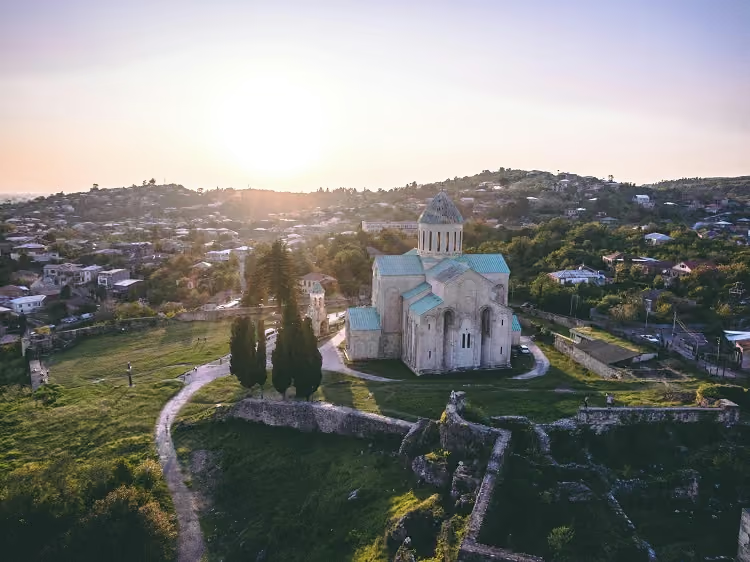
Living in Roswell means enjoying tree-lined neighborhoods, historic charm, and a strong sense of community just north of Atlanta. Like much of North Georgia, however, Roswell residents must also prepare for severe weather that can develop quickly and with little warning. Powerful thunderstorms, straight-line winds, and fast-forming tornadoes regularly move through the area, particularly during active storm seasons.
When weather alerts are issued, families often have only minutes to react. Many homes in Roswell and across Fulton County are built on slab foundations, making basements uncommon. Without a purpose-built safe space, homeowners are left relying on interior rooms that were never designed to withstand extreme wind speeds or airborne debris.
That is why investing in storm shelters in Roswell, Georgia is not about fear. It is about preparation. A professionally engineered shelter provides a secure place to go when conditions turn dangerous, helping protect your family during the most critical moments of a storm.
At Steadfast Storm Shelters, we help Roswell homeowners, businesses, and community facilities choose solutions designed for North Georgia soil conditions, property layouts, and Georgia safety standards. Our approach is straightforward, transparent, and focused on helping you make confident decisions without pressure.

Why Tornado and Storm Shelters Matter in Roswell
North Georgia sits in a region where tornado activity has become more frequent and unpredictable. Understanding Georgia tornado season is key to preparedness. Tornado season in Georgia typically peaks in spring, but severe storms can also occur in summer and fall, which means risk exists for much of the year.
Many residents search for answers only after a warning is issued. When a tornado watch or warning affects Roswell, quick action is essential. Having a dedicated shelter removes uncertainty and hesitation.
Storm shelters are especially important in Roswell because of several local factors:
- Seasonal tornado activity across Fulton County
- Strong thunderstorms producing damaging winds and debris
- Slab-built homes with limited interior protection
- Heavily wooded neighborhoods that increase debris risk
- Growing residential development where long-term safety adds property value
With a dedicated shelter, you are not deciding where to go. You already know. That clarity can make a life-saving difference.

Tornado and Storm Shelter Options for Roswell Homes
Every property in Roswell is different. Yard space, elevation, soil composition, drainage, and accessibility all play a role in determining the right shelter. The best solution is one that fits both your property and your household’s needs.
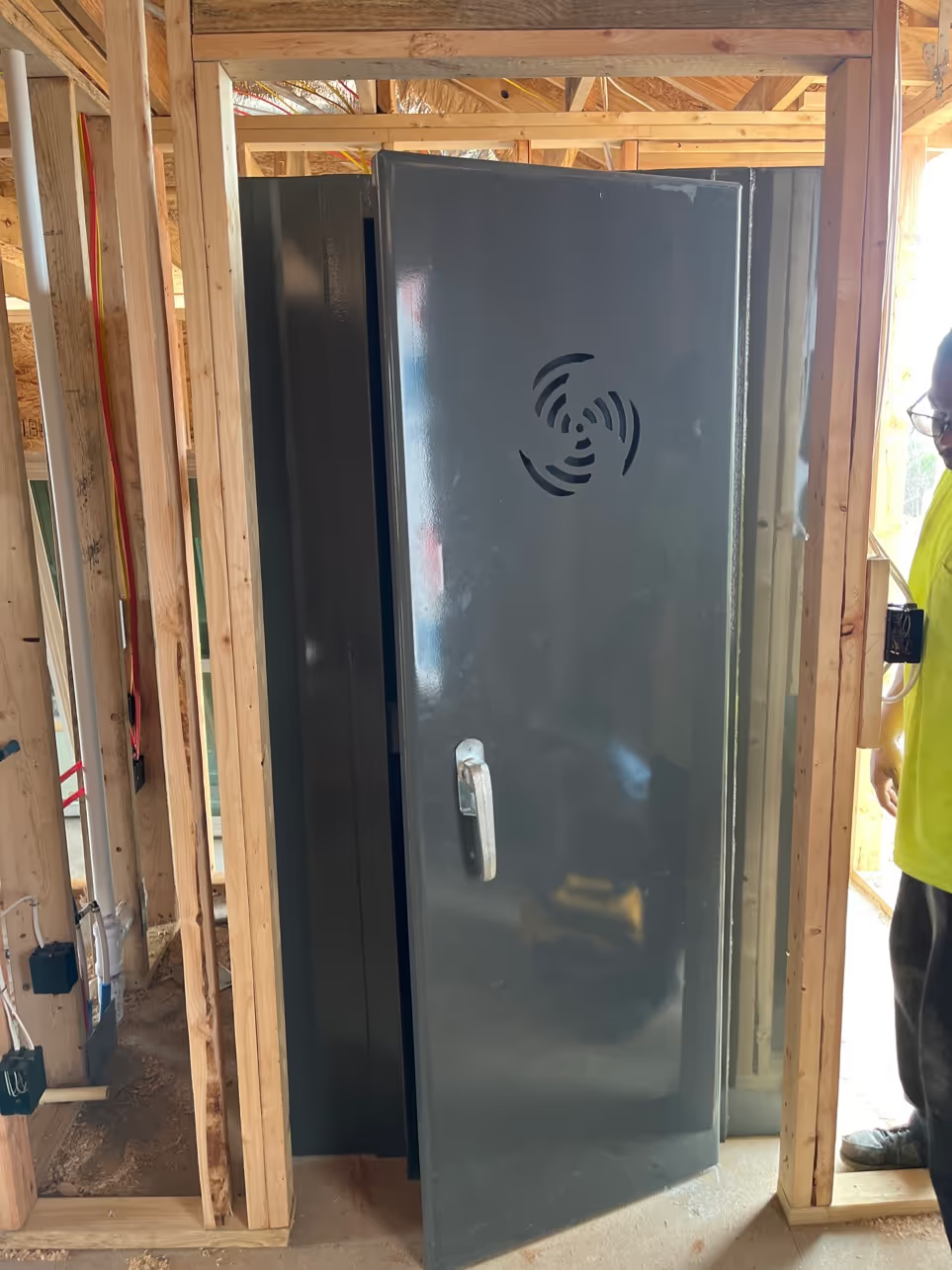
Underground Storm Shelters in Georgia
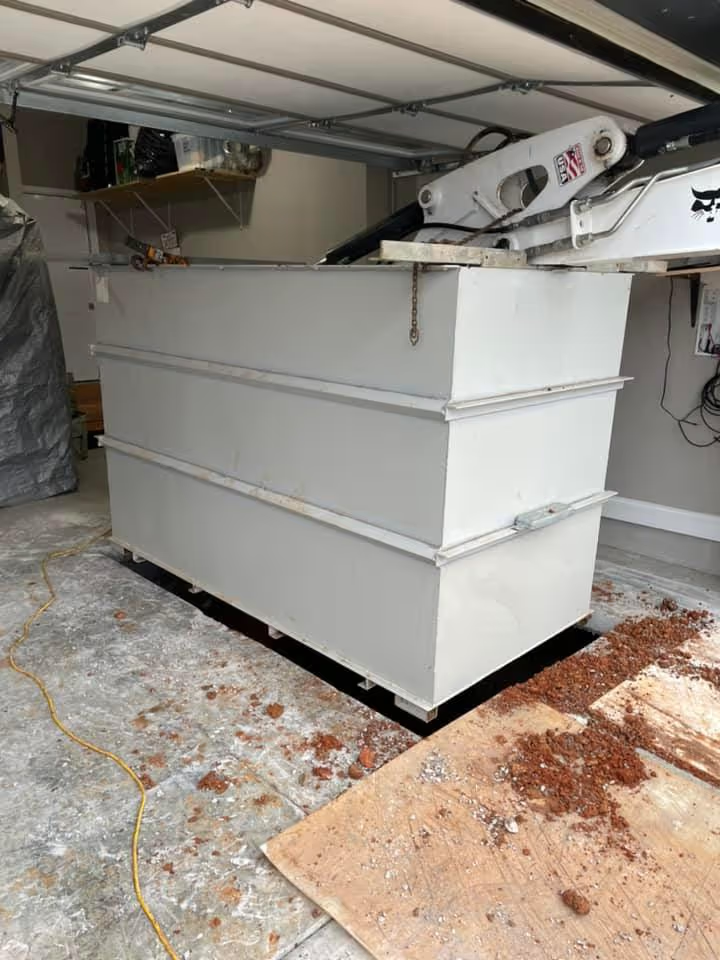
Underground storm shelters in Roswell, Georgia are a popular option for homeowners with adequate yard or garage space. Installed below ground level, these shelters use the surrounding earth for added protection and are engineered to withstand extreme wind forces and debris impact.
Key benefits include:
- Below-ground placement for maximum storm protection
- Minimal visual impact on the property
- Durable, long-lasting construction
- Proven performance during tornado events
In ground storm shelters Georgia homeowners choose must be carefully installed due to clay-heavy soil common in North Georgia. Proper evaluation ensures drainage, stability, and long-term performance.
Above-Ground Storm Shelters
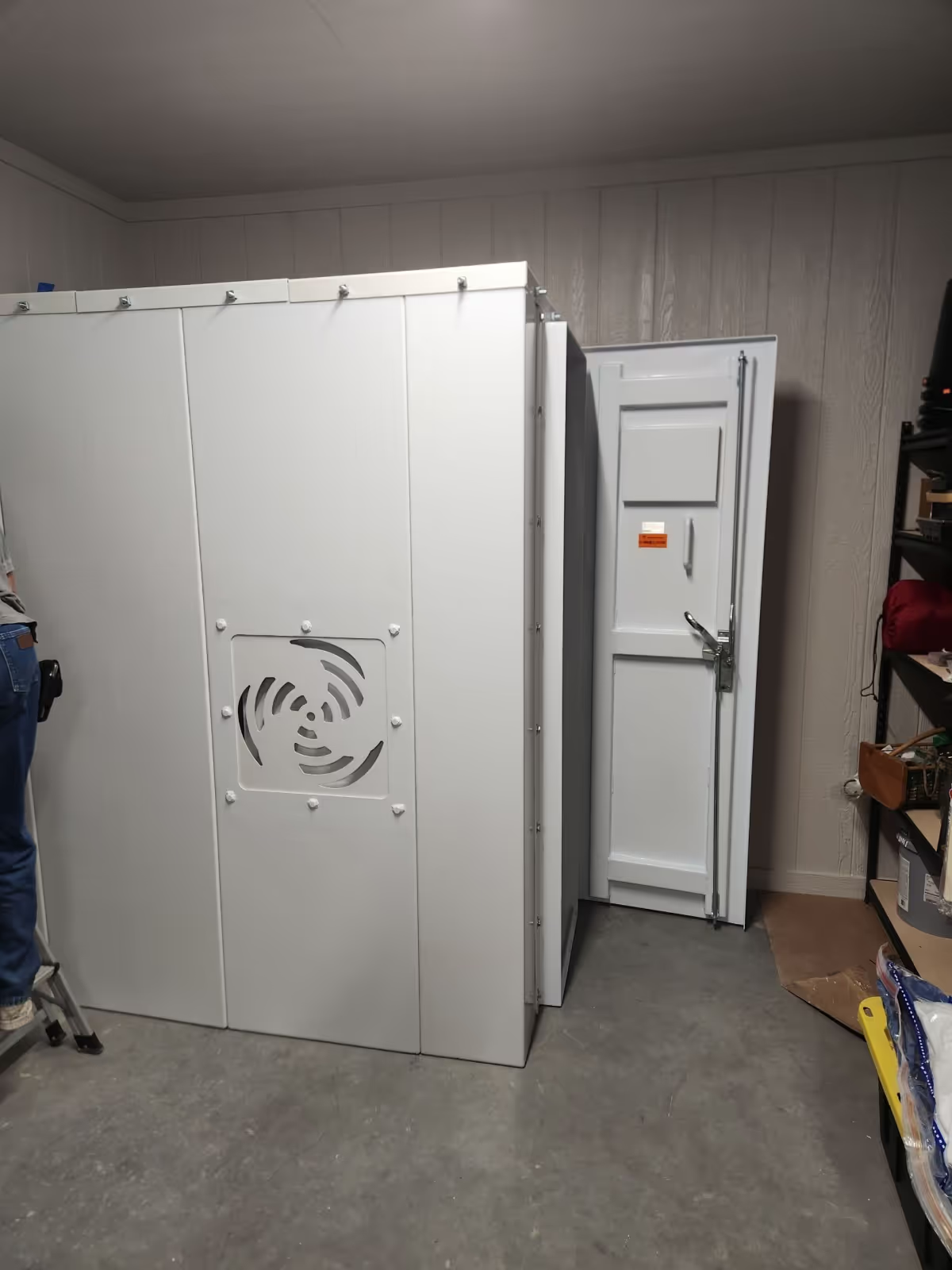
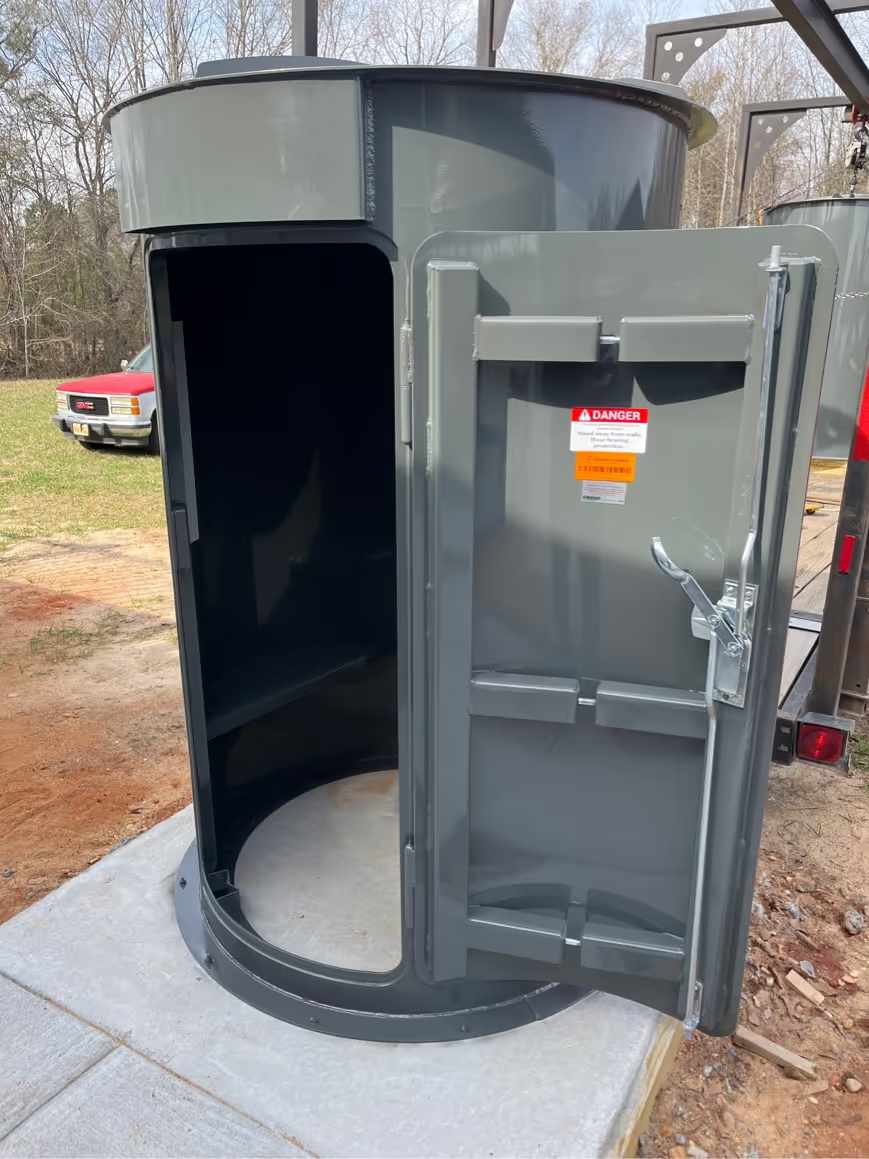
Above-ground storm shelters are an excellent option when excavation is not ideal or when fast, step-free access is a priority. These shelters are typically installed inside garages or homes and anchored to meet FEMA and ICC-500 standards.
Above-ground shelters are often selected for:
- Faster access during sudden or nighttime warnings
- Homes with limited yard space
- Properties with grading or excavation challenges
- Households needing mobility-friendly entry
Both underground and above-ground shelters provide reliable protection when professionally installed. Comparing placement, accessibility, and cost helps Roswell homeowners choose the best fit.
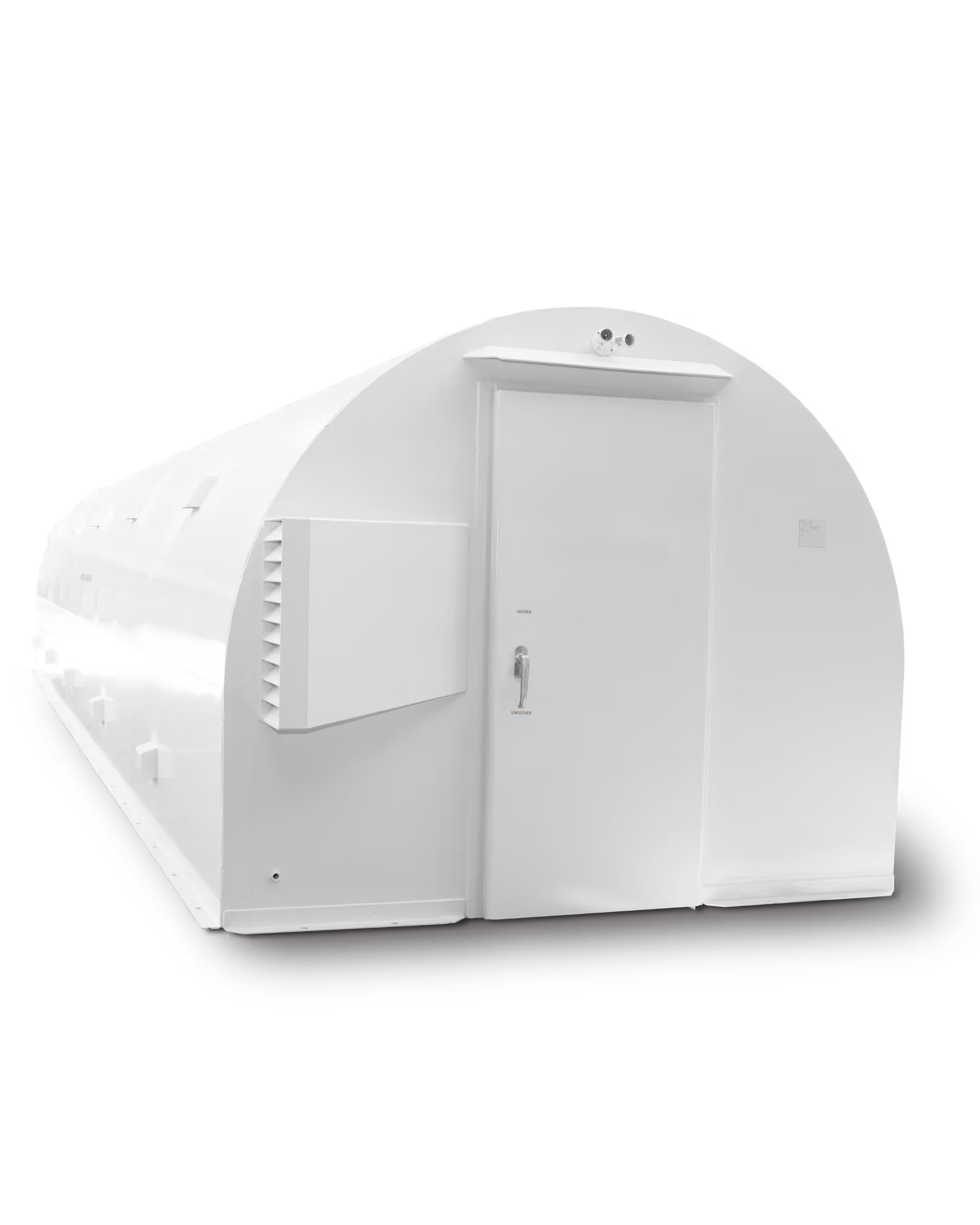
Storm Shelters in Georgia for Homes and Businesses
Storm protection in Roswell extends beyond single-family homes. Businesses, churches, schools, and community organizations also need dependable shelter options for employees, customers, and visitors.
Commercial and community storm shelters are designed to:
- Safely accommodate larger groups
- Provide ADA-compliant access
- Meet public safety and durability standards
- Support emergency preparedness plans
For property owners, installing tornado shelters in Georgia is a proactive safety investment that helps protect people and reduce liability during severe weather.
Understanding Storm Shelter Cost in Roswell
Storm shelter cost is one of the first questions homeowners ask. Pricing depends on several factors, and understanding them helps set realistic expectations.
Storm shelter cost in Roswell is influenced by:
- Shelter type, underground or above-ground
- Installation location, yard, garage, or interior
- Soil conditions common to North Georgia
- Concrete work and anchoring requirements
- Shelter size and occupancy capacity
For example, underground storm shelters in Georgia may require additional site preparation, while above-ground shelters vary based on anchoring and interior placement. Clear pricing and upfront conversations help homeowners balance budget and safety with confidence.
Installation Timelines and Planning Ahead
Severe weather in Roswell is not limited to one season. Many homeowners ask when is tornado season in Georgia, and the answer highlights why early planning matters. Spring is the most active period, but tornado risk extends well beyond a single season.
Planning ahead provides:
- Flexible installation scheduling
- Fewer weather-related delays
- Time to review placement and design options
- Less stress during peak storm periods
Storm shelters can be installed year-round, but early planning ensures protection is in place before it becomes urgent.
North Georgia Property Considerations
Roswell’s terrain, mature tree coverage, and mix of historic and modern neighborhoods require thoughtful shelter planning.
Storm shelter installation often accounts for:
- Limited yard space in established neighborhoods
- Clay-heavy soil common across North Georgia
- Driveway and garage layouts
- HOA or community guidelines
A well-planned installation ensures the shelter fits the property and performs reliably when needed.
Cities Near Roswell, GA
We Serve
We proudly install storm shelters for homeowners and businesses throughout Roswell and nearby communities across Fulton County and the North Georgia region.
Cities near Roswell we serve include:
- Alpharetta
- Milton
- Sandy Springs
- Johns Creek
- Dunwoody
- Marietta
- Woodstock
- East Cobb
- Cumming
- Peachtree Corners
If you’re located near Roswell and searching for storm shelters near me, our team installs FEMA-rated above-ground and underground tornado shelters designed to protect homes, businesses, and community facilities across North Georgia.
Why Roswell Homeowners Choose Steadfast Storm Shelters
Choosing a storm shelter is about trust as much as protection. Roswell homeowners choose Steadfast Storm Shelters because we understand Georgia weather patterns, local soil conditions, and state safety requirements.
Homeowners value our:
- Experience with tornado shelters in Roswell, Georgia
- Proper licensing and insurance
- Familiarity with local property layouts
- Clear communication from consultation through installation
You can also explore our residential storm shelter options to see how different designs fit Roswell homes.
Local Regulations and Property Requirements
Installing a storm shelter in Roswell may require permits depending on shelter type and placement. HOA rules and property layouts may also affect installation.
Important considerations include:
- City and county permitting requirements
- HOA guidelines in planned communities
- Soil and drainage conditions
- Access for equipment and installation
Working with an experienced local installer ensures everything is compliant and done correctly from the start.
Frequently Asked Questions About Roswell Storm Shelters
Schedule Your Free Roswell Storm Shelter Consultation
Protecting your home and family starts with understanding your options. If you are considering Storm Shelters in Roswell, Georgia, our team is here to help you make a confident, informed decision without pressure.
We offer free consultations to review shelter types, placement options, and installation considerations specific to North Georgia homes. You can also explore advanced safety features like Storm Mode monitoring technology to enhance preparedness.
Plan ahead and put reliable protection in place before severe weather makes the decision urgent.