
Underground Storm Shelters in Alabama

Alabama experiences severe thunderstorms and tornado outbreaks each year, making reliable tornado protection essential for many homes and properties. Underground storm shelters provide below-ground protection designed to shield occupants from extreme winds and flying debris during severe weather events.
These shelters are installed below ground level and are engineered to provide strong structural protection during tornado emergencies.
Many property owners install underground storm shelters in Alabama because they provide deep-ground protection and a traditional tornado shelter design used across tornado-prone regions.
Why Alabama Property Owners Choose Underground Storm Shelters
Underground storm shelters have long been one of the most recognized forms of tornado protection. By placing the shelter below ground level, occupants gain additional protection from high winds and flying debris during severe weather events.
These shelters are commonly installed in yards, garages, or nearby outdoor areas where they can be quickly accessed during tornado warnings.
For many Alabama homeowners, underground shelters offer a familiar and trusted storm protection solution.

Designed for Maximum Tornado Protection
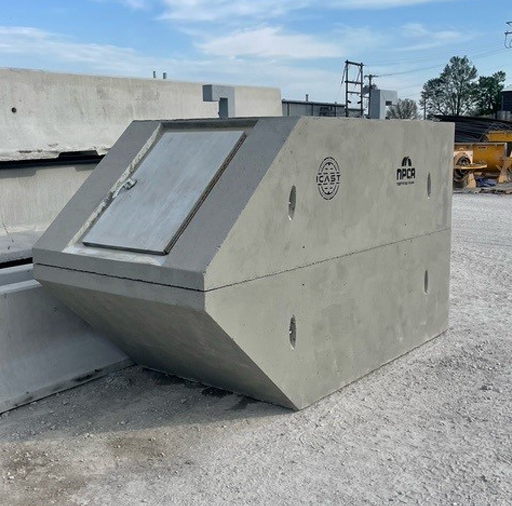
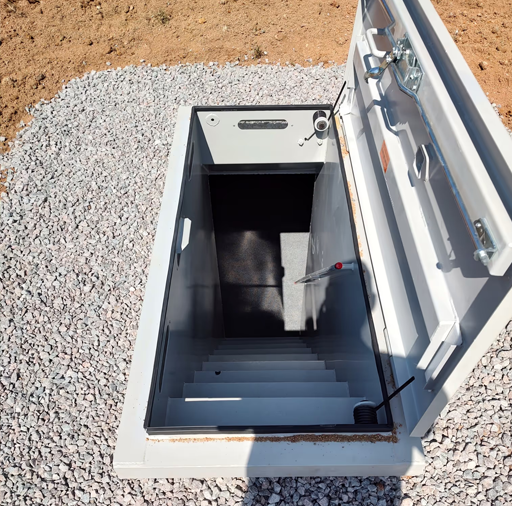
Underground storm shelters are installed beneath ground level and reinforced to provide structural protection during severe weather conditions.
Because the shelter is surrounded by soil and installed below the surface, underground shelters can offer additional protection from wind forces during tornado events.
Alabama property owners often choose underground shelters because they provide:
- Below-ground tornado protection
- Reinforced structural construction
- Long-term permanent installation
- Proven storm protection design
- Reliable protection during extreme tornado events
Common Underground Storm Shelter Sizes
Underground storm shelters are available in multiple sizes depending on the number of occupants and available installation space.
Popular Residential Shelter Sizes
- 4×6 shelters often used for small households
- 5×8 shelters commonly installed for residential protection
- 6×8 shelters offering additional interior capacity
- 6×10 shelters suitable for larger families or shared protection
Final shelter size depends on available installation space, access requirements, and occupancy needs.
How Underground Storm Shelters Are Installed
Underground storm shelters require excavation and site preparation before the shelter can be installed.
Installation planning focuses on property layout, soil conditions, drainage considerations, and access for equipment needed to place the shelter.

Site Evaluation
Installation teams evaluate the property to determine the best location for the shelter based on access, soil conditions, and proximity to the home or structure.

Excavation and Site Preparation
A hole is excavated to accommodate the shelter and allow proper installation depth. Gravel bases and drainage planning are often used to ensure long-term stability.

Shelter Placement
Once the excavation and base preparation are complete, the shelter is lowered into place using lifting equipment and secured before the surrounding soil is backfilled.
Who These Shelters Are Best For
Underground storm shelters in Alabama are commonly installed for:
• Residential homes
• Rural properties
• Farms and large properties
• Churches
• Schools
• Commercial properties
They are especially common for property owners who want below-ground tornado protection and a traditional shelter design.
Storm Shelter Safety Standards
Storm shelters are designed to follow life-safety guidance intended to protect occupants during tornado events.
Many shelters are engineered to withstand winds exceeding 250 mph and high-velocity debris impacts produced by major tornadoes.
FEMA Guidance
FEMA publications such as FEMA P-320 and FEMA P-361 provide guidance for storm shelter design, including debris protection, structural performance, and occupant safety.
ICC 500 Standards
Many modern storm shelters are designed around ICC 500 standards, which include rigorous testing for debris impact resistance and extreme wind conditions.
Statewide Underground Storm Shelter Service in Alabama
Steadfast serves property owners across Alabama looking for underground storm shelters, including installations in major cities and surrounding communities such as Birmingham, Montgomery, Huntsville, Mobile, Tuscaloosa, Hoover, Auburn, Decatur, and Dothan.
For statewide service coverage and installation availability, visit the Alabama storm shelter service area page.
Underground Storm Shelter FAQs
Are underground storm shelters safe during tornadoes?
Where are underground storm shelters usually installed?
Do underground storm shelters require excavation?
How deep are underground storm shelters installed?
What sizes do underground shelters come in?
Get an Underground Storm Shelter Shelter in Alabama
Severe weather and tornadoes can develop quickly across Alabama. Installing an underground storm shelter provides a reliable place to take cover when tornado warnings are issued.
Request a quote to compare shelter options, review installation requirements, and determine which underground shelter is best suited for your property.
You can also view the Alabama service area page or monitor active severe weather conditions with Storm Mode during storms.