
Underground Storm Shelters in Lexington, KY
Underground storm shelters provide below-ground tornado protection for homeowners and property owners in Lexington, KY. Installed in the yard or garage, these shelters are designed to reduce exposure to wind and flying debris during severe weather.
In Lexington, underground shelters are a secondary and highly property-dependent option due to Kentucky clay soils, rolling terrain, drainage management concerns, grading conditions, horse farm property layouts, and varying suburban development patterns throughout Fayette County and surrounding Bluegrass communities.
- Below-Ground Protection
- Yard or Garage Installation
- FEMA & ICC-500 Compliant
- Built for Kentucky Severe Weather

Underground Storm Shelter Options in Lexington
Underground storm shelters are installed below ground level and provide traditional tornado protection for residential and qualifying commercial properties throughout the central Kentucky and Bluegrass region.
Underground Shelter Features
- Below-ground placement reduces debris exposure
- Installed in the yard or garage
- Designed for severe weather impact resistance
- Long-term structural durability
Learn more about storm shelter options in Lexington
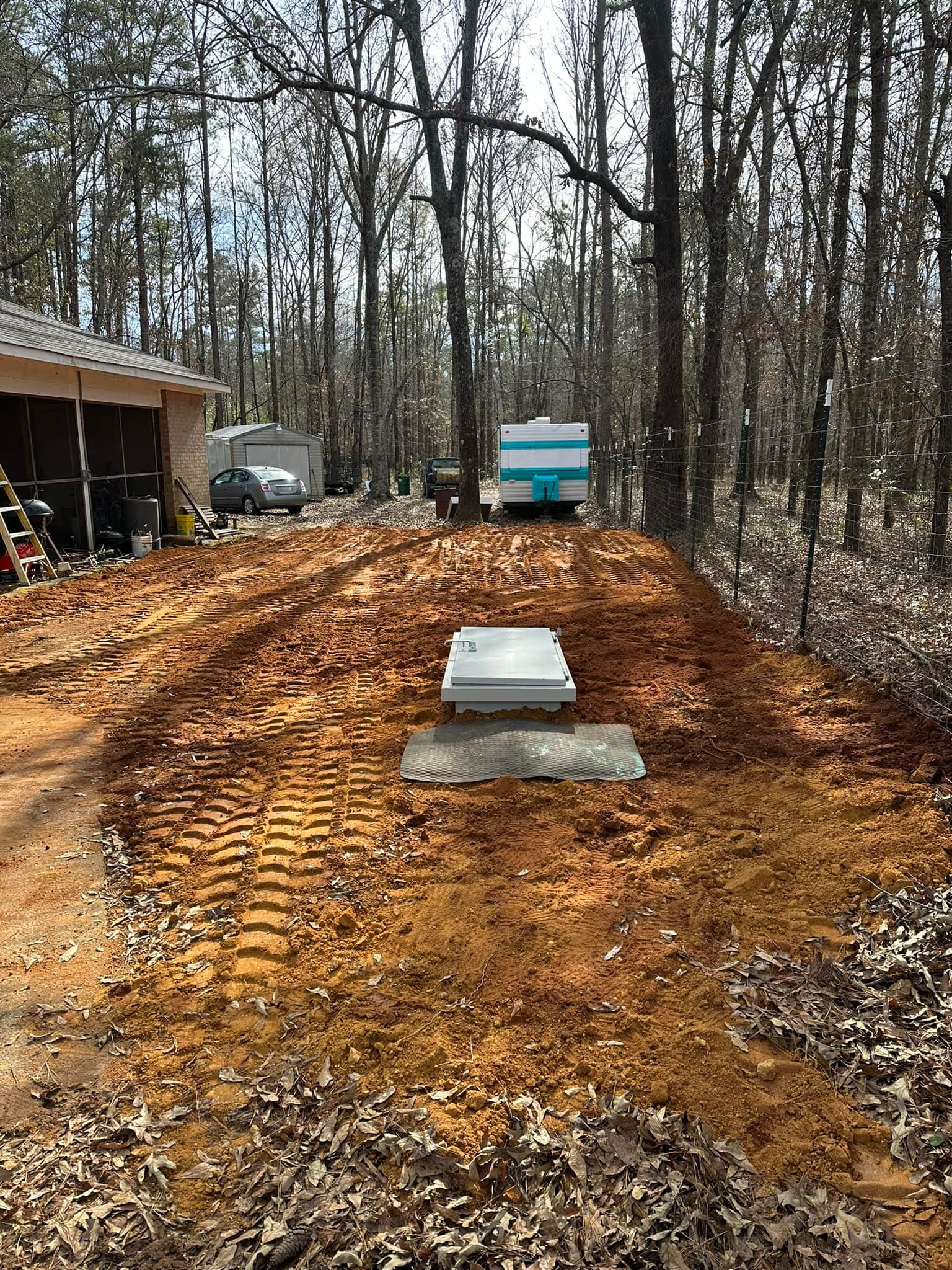
When Underground Shelters Work Best in Lexington
Underground shelters are a secondary and property-dependent solution in Lexington and work best on properties with manageable drainage conditions, favorable grading, and enough installation flexibility for excavation access.
- Best for larger residential or agricultural properties
- Suitable where grading and drainage conditions allow installation
- Preferred by homeowners wanting below-ground protection
- Garage installations may be possible depending on structure and layout
Many surrounding areas of Fayette County and nearby Bluegrass communities provide larger lots, farm properties, and more installation flexibility compared to tighter suburban neighborhoods and dense residential developments throughout Lexington.
In Lexington, Kentucky clay soils, rolling terrain, drainage runoff concerns, grading conditions, and horse farm infrastructure all play a major role in underground shelter feasibility because excavation complexity and long-term water management directly affect installation performance.
Underground Shelter Considerations for Lexington Properties
Lexington sits within a severe weather transition zone where Ohio Valley storm systems and Dixie Alley weather patterns frequently overlap, creating recurring risks for tornado-producing storms, damaging winds, hail, and large severe weather outbreaks.
The city’s combination of suburban growth, historic neighborhoods, horse farms, healthcare infrastructure, schools, churches, agricultural properties, and commercial development creates varying underground shelter installation conditions depending on property layout and terrain.
Unlike flatter suburban regions, central Kentucky’s rolling terrain, drainage patterns, grading requirements, and rural property layouts throughout the Bluegrass region can complicate underground excavation and long-term placement planning.
Kentucky clay soils, elevation changes, and heavy rainfall events can also significantly affect excavation stability, anchoring, drainage management, and underground installation performance over time.
As Lexington continues growing as a major regional hub for healthcare, education, agriculture, and commerce, more homeowners are comparing underground shelters against above-ground and safe room options based on installation practicality, accessibility, and long-term maintenance considerations.
Because of these conditions, underground shelters in Lexington require detailed site evaluation before installation and are not ideal for every property layout.
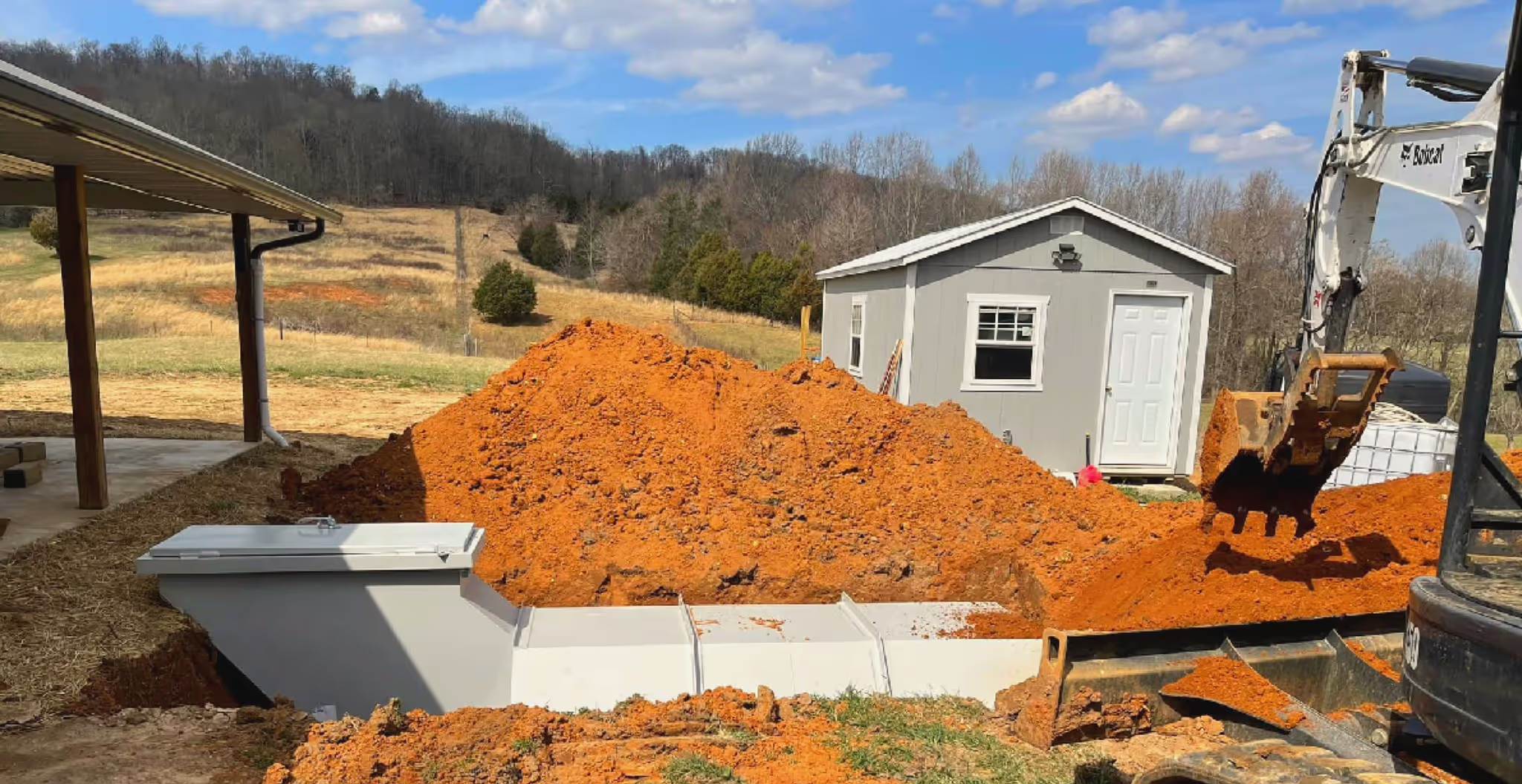
Why Choose an Underground Storm Shelter
- Below-ground placement reduces debris exposure
- Traditional tornado shelter protection
- Works on qualifying residential and agricultural properties
- Can be installed in yard or garage
- Meets FEMA and ICC-500 standards
Underground Storm Shelter Installation in Lexington
Installing an underground storm shelter in Lexington requires planning around grading, drainage, excavation feasibility, terrain conditions, property layout, accessibility, and agricultural infrastructure.
Our installation process includes:
- Site evaluation
- Drainage and slope assessment
- Excavation planning
- Structural installation and anchoring
- Final inspection and safety verification
Kentucky clay soils, rolling terrain, grading conditions, drainage runoff concerns, horse farm access, and suburban or rural property layouts are critical factors for underground installations throughout Fayette County and surrounding Bluegrass communities.

Underground vs Above-Ground and Safe Room Options
Underground shelters are ideal when:
- Properties have favorable grading and drainage
- Below-ground placement is preferred
- Larger lots provide excavation flexibility
Above-ground shelters may be better when:
- Fast access is preferred
- Rolling terrain complicates underground placement
- Homes have limited basement protection
Safe rooms may be better when:
- Indoor protection is preferred
- Immediate indoor access is important during nighttime storms
Why Choose Steadfast Storm Shelters in Lexington
- FEMA & ICC-500 compliant shelters
- Built for Kentucky and Bluegrass region storm conditions
- Experience with Fayette County installation challenges
- Site-specific planning for grading and drainage conditions
- Clear, straightforward guidance
We help Lexington property owners determine whether underground installation is practical for their specific property conditions.
Lexington Underground Installation Considerations
- Kentucky clay soils affect excavation feasibility
- Rolling terrain impacts grading and drainage planning
- Drainage management affects long-term performance
- Horse farm properties may require specialized access planning
- Heavy rainfall events affect underground drainage planning
- Garage installations depend on structure and accessibility
Financing Options for Underground Storm Shelters
Flexible financing options are available to make installation more accessible.

Get an Underground Storm Shelter in Lexington, KY
Protect your home, farm, business, or property with a professionally installed underground storm shelter built for Kentucky severe weather conditions.