
Above-Ground Concrete Storm Shelters in Bowling Green, KY
Above-ground concrete storm shelters provide durable, fast-access tornado protection for homeowners and businesses in Bowling Green, KY. Installed outside the home, these shelters are engineered to meet FEMA and ICC-500 standards for severe weather protection across south-central Kentucky.
These outdoor walk-in shelters provide immediate severe weather protection without requiring underground excavation.
In Bowling Green, where suburban neighborhoods, industrial development, manufacturing growth, and rural farmland all intersect across Warren County, above-ground concrete shelters are one of the most practical protection solutions for residential, agricultural, and commercial properties.
- Outdoor Installation
- No Stairs or Ladders Required
- FEMA & ICC-500 Compliant
- Built for Kentucky Severe Weather
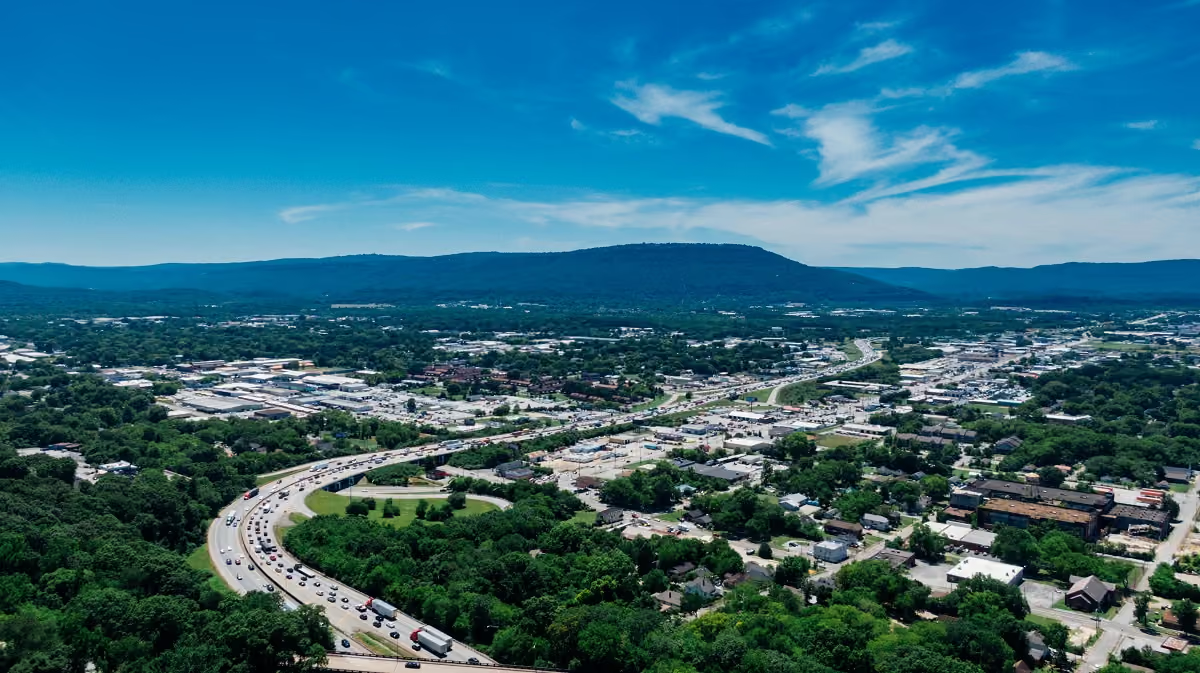
Concrete Above-Ground Storm Shelter Options in Bowling Green
Concrete above-ground shelters provide long-term outdoor protection without requiring excavation or below-ground placement.
Outdoor Concrete Shelters
- Reinforced concrete construction
- Outdoor placement flexibility
- Higher-capacity protection options
- Fast access during severe weather
Learn more about storm shelter options in Bowling Green

Best Above-Ground Shelter Options for Bowling Green Homes
For many homeowners in Bowling Green, above-ground concrete shelters are one of the most practical and reliable protection options because homes throughout Warren County vary between suburban developments, historic neighborhoods, crawlspace foundations, slab-built communities, and rural farmland properties.
- Ideal for suburban and rural properties
- Strong fit for homes with limited basement protection
- Outdoor installation avoids excavation complexity
- Fast access during severe weather emergencies
Many homes throughout Bowling Green and surrounding south-central Kentucky communities were not originally designed with modern tornado protection in mind, increasing demand for fast-access above-ground shelter solutions across both established neighborhoods and expanding suburban developments.
Exterior above-ground shelters are especially practical in Bowling Green because clay-heavy soils, karst terrain, sinkhole-prone conditions, drainage concerns, and grading requirements can complicate underground installation planning.
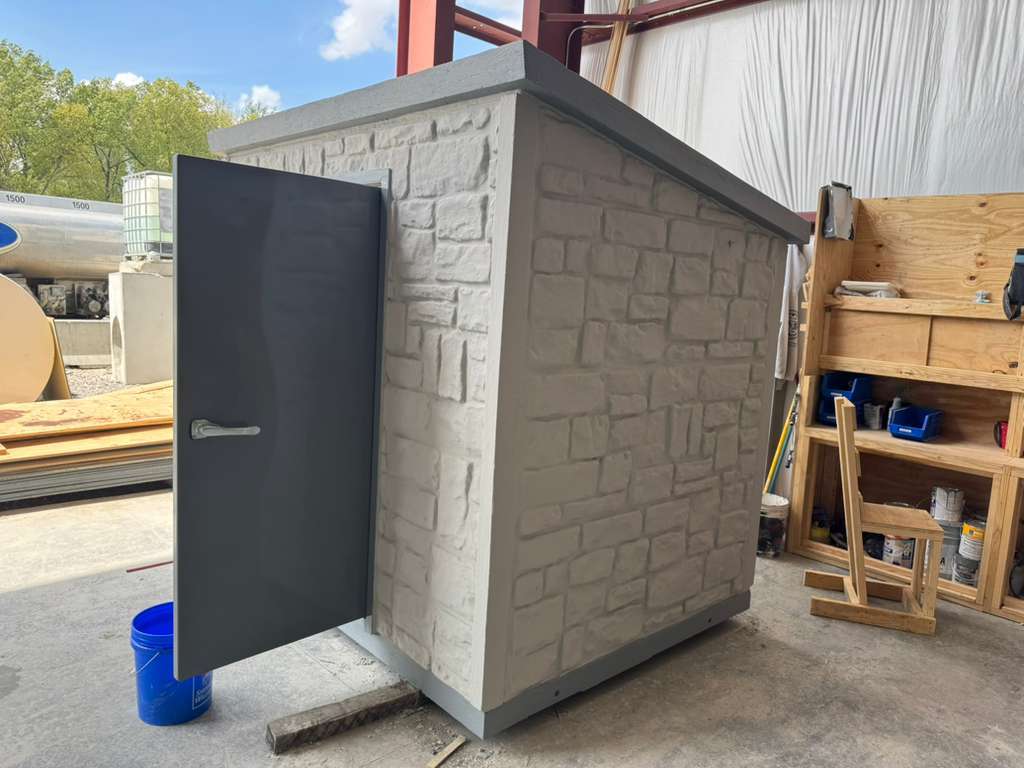
Above-Ground Shelter Protection for Bowling Green Properties
Bowling Green sits within a highly active severe weather corridor where Dixie Alley storm systems and Ohio Valley weather patterns frequently overlap, creating recurring risks for tornado-producing storms, damaging winds, hail, and large severe weather outbreaks.
The city’s combination of suburban growth, industrial expansion, manufacturing facilities, healthcare infrastructure, schools, churches, farmland, and commercial development along the Interstate 65 corridor increases the need for immediate-access tornado protection across residential and commercial properties.
Rapid storm movement and overnight severe weather events across south-central Kentucky can significantly reduce warning time throughout the Bowling Green metro area and surrounding rural communities.
Many homes throughout Bowling Green are built with limited dedicated storm protection, making above-ground concrete shelters one of the most practical severe weather solutions for fast-access protection.
Above-ground shelters also avoid many of the excavation, grading, sinkhole-related, and drainage complications associated with underground installations throughout Warren County.
Why Choose an Above-Ground Concrete Shelter in Bowling Green
- No stairs or ladders required
- Fast access during severe weather
- Practical for homes with limited basement protection
- Outdoor placement flexibility
- Avoids underground excavation and sinkhole-related concerns
- Meets FEMA and ICC-500 standards

Above-Ground Storm Shelter Installation in Bowling Green
Installing an above-ground concrete storm shelter in Bowling Green requires planning around property layout, drainage, accessibility, and placement flexibility.
Our installation process includes:
- Site evaluation
- Placement planning
- Anchoring systems
- Exterior installation preparation
- Final inspection
Clay-heavy soils, karst terrain, sinkhole-prone conditions, drainage runoff concerns, industrial property layouts, farmland accessibility, and suburban development patterns throughout Warren County can all affect installation planning and placement options.
Above-Ground vs Underground Storm Shelters
Above-ground concrete shelters are ideal when:
- Fast access is important
- Sinkhole-prone terrain complicates underground placement
- Outdoor placement is preferred
- Homes have limited basement protection
Safe rooms may be better when:
- Indoor protection is preferred
- Immediate indoor access is a priority
Commercial facilities and larger occupancy properties may require:
Why Choose Steadfast Storm Shelters in Bowling Green
- FEMA & ICC-500 compliant shelters
- Built for Kentucky and south-central severe weather
- Professional residential and commercial installation
- Solutions designed for suburban, industrial, agricultural, and commercial properties
- Clear, straightforward guidance
We help Bowling Green homeowners and businesses choose the right storm shelter with confidence.
Bowling Green Above-Ground Installation Considerations
- Many homes have limited basement protection
- Clay-heavy soils affect anchoring and excavation feasibility
- Karst terrain and sinkhole-prone areas impact underground planning
- Industrial and manufacturing growth increases shelter demand
- Expanding suburban growth increases installation demand
- Drainage concerns affect underground installation planning
Financing Options for Above-Ground Storm Shelters
Flexible financing options are available to make storm shelter installation more accessible.

Get an Above-Ground Concrete Storm Shelter in Bowling Green, KY
Protect your home, business, school, church, warehouse, manufacturing facility, farm, or property with a professionally installed concrete storm shelter built for Kentucky severe weather conditions.