
What Happens If a Storm Shelter Door Gets Blocked in Alabama?
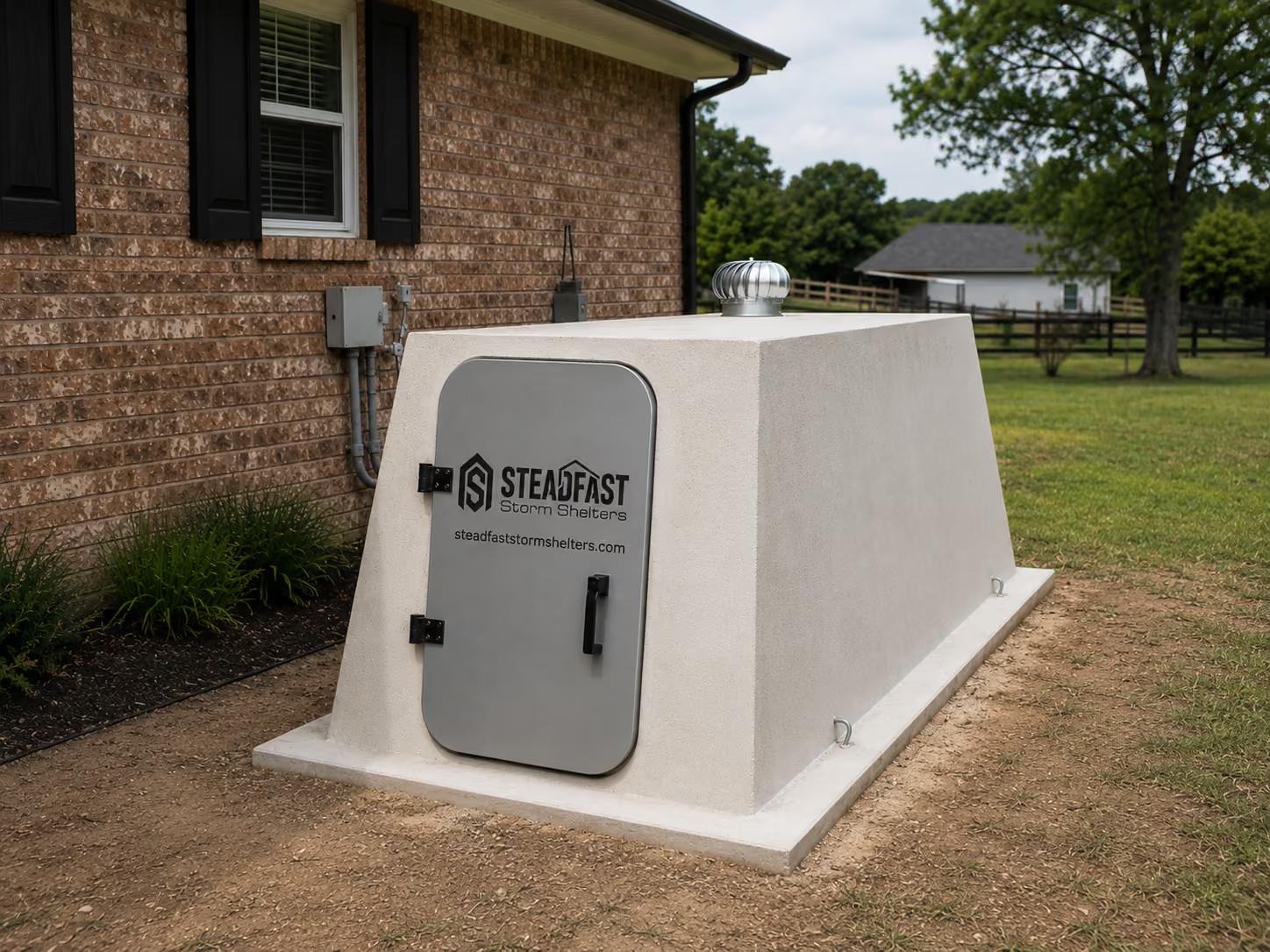
A storm shelter door can sometimes become blocked by debris after a tornado, especially if the shelter is outdoors or near trees, structures, vehicles, or loose objects that can be moved by extreme wind.
That does not automatically mean the shelter failed.
It means the shelter did its job by protecting the people inside, and now the next concern is safe exit and outside assistance.
For Alabama homeowners, this is a real question worth asking before choosing a shelter because tornado debris can be unpredictable. Roof materials, limbs, fencing, porch debris, siding, metal panels, and household objects can all move during severe weather.
The risk depends on several factors:
- shelter placement
- door design
- whether the door opens inward or outward
- surrounding debris hazards
- how close the shelter is to the home
- whether someone outside knows where the shelter is located
- whether the household has a post-storm communication plan
The best answer is not fear.
The best answer is choosing the right shelter setup, placing it intelligently, and understanding how the door system works before severe weather happens.
Why Alabama Homeowners Ask About Blocked Shelter Doors
Alabama tornadoes often happen during fast-moving severe weather systems, including nighttime storms with heavy rain, flying debris, and limited visibility.
That creates a practical concern.
If a family enters a shelter during a tornado warning, they may not know what the property looks like outside until the storm has passed. A shelter placed beside a home, garage, tree line, fence, barn, or carport may be exposed to debris after impact.
Homeowners researching Alabama storm shelters often ask door questions because they want to know:
- Can the door be opened from inside?
- What if debris lands against it?
- Are outward-opening doors safe?
- Is an above-ground shelter still practical?
- Should the shelter be placed away from trees or structures?
Those are smart questions.
A storm shelter decision should not only focus on the shelter shell. It should also account for entry, exit, placement, communication, and what happens after the storm passes.
How to Plan for Safe Exit After a Tornado
The best time to think about a blocked shelter door is before installation and before severe weather season.
Alabama homeowners should create a simple plan that includes:
- telling trusted neighbors where the shelter is located
- keeping a charged phone or weather radio inside the shelter
- making sure someone outside the household knows your shelter location
- keeping the door area clear before severe weather
- avoiding storage near the shelter entrance
- choosing placement away from obvious debris hazards
- reviewing how the door opens and latches
This does not need to be complicated.
The goal is making sure your family can enter quickly before the storm and get help afterward if debris blocks the exit.
For homeowners in larger metro areas, placement and emergency access may differ by property layout. Families comparing storm shelters in Birmingham may need to think through neighborhood lots, driveways, garage access, tree coverage, and nearby structures when choosing placement.
Can a Storm Shelter Door Be Blocked?
Yes, a storm shelter door can be blocked by debris in certain situations.
That is most likely when debris piles up directly against the entrance after a tornado or severe wind event.
Common debris sources may include:
- fallen tree limbs
- damaged fencing
- roofing material
- siding
- porch debris
- vehicles or equipment
- metal panels
- nearby structures
This is one reason shelter placement matters so much.
A shelter installed in a location surrounded by loose objects, trees, or structures may have a higher chance of debris collecting near the entrance.
That does not mean homeowners should avoid shelters.
It means they should think through the full emergency plan, including where the shelter sits and how the door opens.
What If the Door Opens Outward?
An outward opening storm shelter door may be more exposed to debris blockage if heavy objects land directly in front of it.
That is the concern many homeowners are really asking about.
If debris is pressed against an outward-opening door, the door may be difficult or impossible to open until debris is moved from the outside.
This is why homeowners should ask about:
- door swing direction
- emergency exit design
- manufacturer door specifications
- recommended placement
- debris exposure around the entrance
Some shelter designs use outward-opening doors because of pressure, clearance, construction, or engineering requirements.
Other shelter setups may use different door configurations.
The important part is not assuming every shelter door works the same way.
Before buying, homeowners should understand the exact shelter model, the door design, and how the installer recommends placing it on the property.

What If the Door Opens Inward?
An inward-opening door can reduce the chance that outside debris prevents the door from swinging open.
However, door design still depends on the shelter type and engineering requirements.
An inward-opening door also needs enough interior clearance to function properly.
That means homeowners should think about:
- how many people will be inside
- whether supplies could block the door area
- whether children or pets may crowd the entrance
- how the door latches and seals
- how easy it is to operate under stress
An inward-opening door can be helpful for blocked-door concerns, but the full shelter design still matters.
A door is only one part of the safety system.

How Placement Reduces Blocked Door Risk
Proper placement can reduce the chance of a storm shelter door being blocked.
For many Alabama homeowners, that means avoiding locations where debris is most likely to collect.
Potential placement concerns include:
- directly under large trees
- too close to weak fences
- near carports or sheds
- beside loose outdoor equipment
- near drainage areas
- too far from the home
- next to structures likely to collapse or shed debris
The goal is to place the shelter where it is both easy to access and less exposed to obvious debris hazards.
That is where professional site guidance matters.
A shelter placed in the wrong spot may still protect the people inside, but it could create avoidable access problems after the storm.
Concrete Storm Shelter Considerations
Many Alabama homeowners compare concrete storm shelters because they want durable outdoor protection and long-term severe weather security.
Concrete shelters can be a strong fit for many properties, but blocked-door concerns should still be part of the placement conversation.
Homeowners should ask:
- Where will the entrance face?
- What debris hazards are nearby?
- How close is the shelter to the house?
- Can family members reach it quickly at night?
- Is the shelter near trees, fencing, or loose objects?
- Will emergency responders or neighbors know where it is?
A concrete shelter should be chosen and placed as part of a full emergency plan, not just as a standalone product.
A Blocked Door Does Not Mean a Shelter Failed
Some homeowners hear “the door could get blocked” and assume that means the shelter is unsafe.
That is not the right way to think about it.
A storm shelter’s primary job is to protect occupants during the tornado.
After the storm, exit conditions depend on what happened around the shelter. Trees may be down. Power lines may be damaged. Debris may be scattered across the property. Roads may be blocked. Communication may be limited.
Those issues can happen whether the shelter is above ground, underground, concrete, steel, indoor, or outdoor.
That is why the best approach is practical planning.
A good shelter plan considers:
- how people get in
- how the door works
- where the shelter is placed
- what debris hazards exist nearby
- how people communicate afterward
- who knows where the shelter is located
The goal is not to eliminate every possible post-storm obstacle.
The goal is to choose a shelter setup that gives your family strong protection and a realistic emergency plan.
Choosing a Shelter With Door Access in Mind
Steadfast Storm Shelters helps Alabama homeowners compare storm shelter options based on property layout, family access, placement, door considerations, and severe weather needs.
For homeowners worried about blocked doors, the right conversation should include:
- shelter type
- door design
- entrance direction
- placement location
- nearby debris hazards
- family mobility needs
- post-storm communication
Some homeowners may prefer outdoor concrete shelters. Others may prefer a different setup depending on garage access, property layout, or accessibility concerns.
The best shelter is the one that fits the home, the family, and the way the household would actually respond during a tornado warning.
Questions to Ask Before Choosing a Shelter
Before buying a storm shelter, Alabama homeowners should ask:
- Does the door open inward or outward?
- What happens if debris collects near the entrance?
- Where should the shelter be placed to reduce debris risk?
- Is the shelter close enough for fast access?
- Are there trees, fences, sheds, or vehicles nearby?
- Who outside the household will know where the shelter is?
- What communication device should be kept inside?
These questions help homeowners think through real emergency use instead of only comparing shelter specs online.
A storm shelter is not just a product.
It is part of a safety plan.
Get a Quote for the Right Shelter Setup
Compare storm shelter options based on your Alabama property, door access concerns, placement needs, and severe weather protection goals.