
What EF Ratings Actually Mean in Kentucky
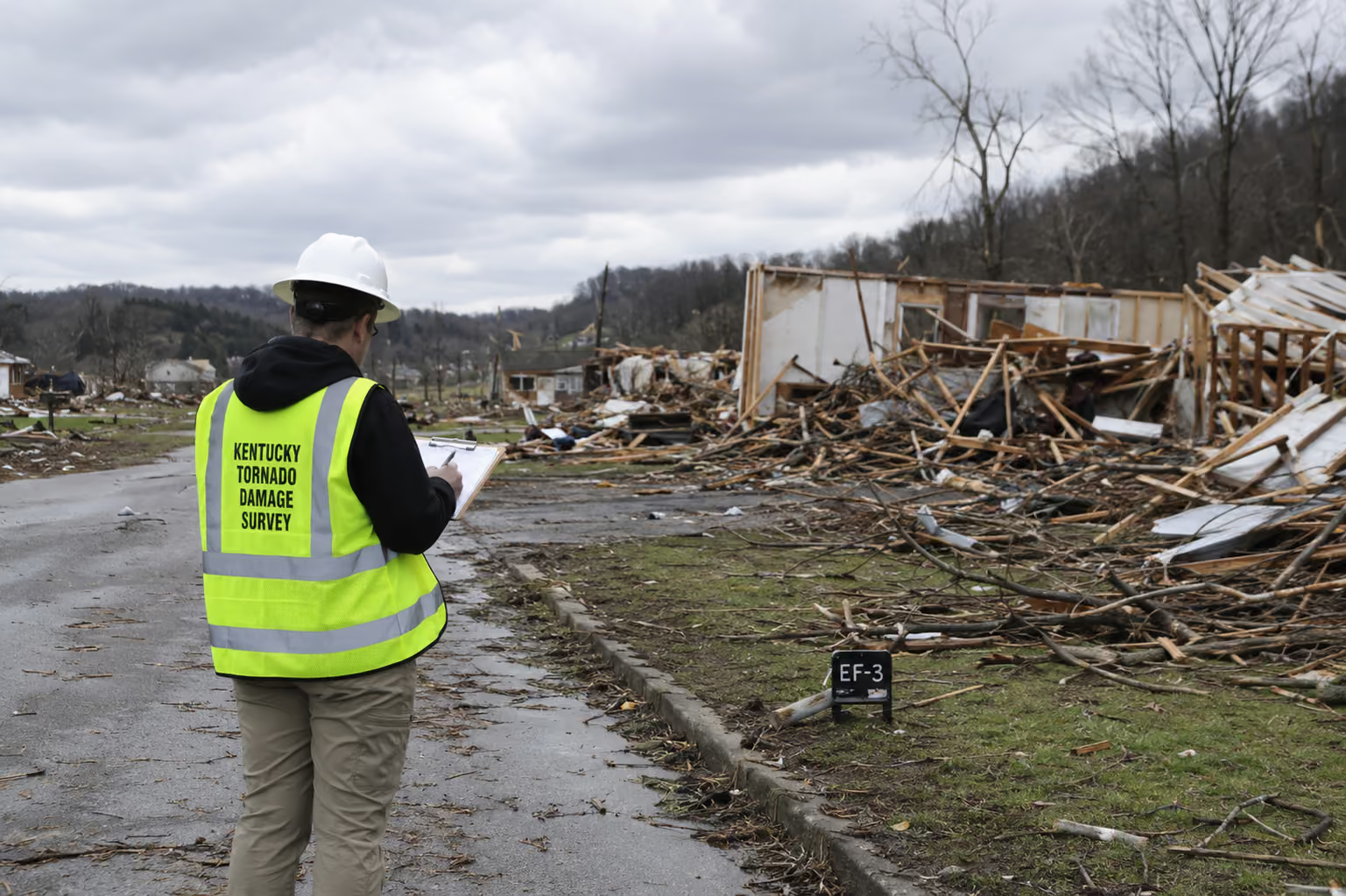
When people hear terms like EF2 or EF4 tornado, many assume the number directly measures wind speed.
That is not exactly how the EF tornado scale works.
The Enhanced Fujita Scale — commonly called the EF scale — is actually a damage rating system used to estimate tornado intensity based on the destruction left behind after a storm.
That distinction matters.
A tornado is not automatically assigned an EF rating while it is happening. Instead, meteorologists and damage survey teams evaluate structural damage, tree damage, debris patterns, and other indicators after the storm to estimate the tornado’s likely wind strength.
In Kentucky, understanding EF ratings is important because tornado intensity can vary dramatically during severe weather outbreaks. Some tornadoes may cause localized roof damage, while others can completely destroy homes, businesses, and entire neighborhoods.
Understanding what EF ratings actually mean helps homeowners better understand tornado risk, severe weather terminology, and why proper shelter planning matters in Kentucky.
What Does an EF Rating Mean?
An EF rating is part of the Enhanced Fujita Scale, which classifies tornadoes based on estimated damage intensity after the storm.
The scale ranges from:
- EF0
- EF1
- EF2
- EF3
- EF4
- EF5
Higher EF ratings generally indicate more severe structural damage and stronger estimated winds.
The EF tornado scale does not directly measure tornado wind speed in real time. Instead, survey teams estimate wind intensity based on the damage observed after the tornado passes.
That is why two tornadoes may appear visually similar but receive different EF ratings depending on the actual damage produced.
Why Kentucky Homeowners Hear EF Ratings So Often
Kentucky experiences severe weather capable of producing tornadoes across a wide range of intensities.
During major storm outbreaks, news coverage often references EF ratings because they help explain how severe the damage was after the event.
For example:
- weaker tornadoes may damage shingles, siding, or trees
- stronger tornadoes may remove roofs or collapse walls
- violent tornadoes can completely destroy well-built structures
Many Kentucky tornadoes also occur during nighttime severe weather events, when visibility is poor and families may not immediately realize how dangerous conditions are becoming.
That is one reason homeowners researching Kentucky storm shelters often focus on severe weather preparation and long-term protection planning.
The EF rating itself does not predict whether a tornado will strike a specific area, but it does help explain the potential level of destruction tornadoes can produce.
Understanding the EF Tornado Scale

EF0 Tornadoes
EF0 tornadoes are the weakest category on the scale.
Typical damage may include:
- broken branches
- minor roof damage
- damaged siding
- shallow-rooted trees pushed over
Even weaker tornadoes can still create dangerous flying debris and localized structural damage.

EF1 Tornadoes
EF1 tornadoes are stronger and may produce:
- more significant roof damage
- broken windows
- overturned mobile homes
- larger tree damage
- damaged garages or outbuildings
At this level, tornadoes can begin causing serious structural problems in weaker buildings.

EF2 Tornadoes
EF2 tornadoes are capable of major damage.
Potential impacts include:
- roofs torn from homes
- significant wall damage
- snapped trees
- destroyed mobile homes
- heavily damaged structures
Many homeowners begin paying closer attention to severe weather planning after seeing EF2-level destruction in their region.
Families monitoring severe weather conditions often also review the 24-hour tornado tracker during active storm outbreaks.
EF3 Tornadoes
EF3 tornadoes are considered severe tornadoes capable of devastating damage.
Potential impacts may include:
- entire stories of homes destroyed
- major commercial building damage
- vehicles thrown
- widespread structural failure
- severe tree destruction
At this level, properly built storm shelters become critically important for life safety.
EF4 and EF5 Tornadoes
EF4 and EF5 tornadoes represent the most violent tornado categories.
Potential damage may include:
- complete destruction of homes
- large debris fields
- major infrastructure damage
- catastrophic structural failure
- vehicles thrown long distances
These tornadoes are rare but extremely dangerous.
Kentucky has experienced major tornado outbreaks capable of producing violent tornado damage during severe weather events.
That is one reason many families prioritize severe weather preparation and shelter planning long before storm season arrives.
How EF Ratings Are Determined
The enhanced Fujita scale relies on post-storm damage surveys.
Survey teams evaluate:
- structural damage
- tree damage
- debris patterns
- building construction quality
- wind indicators
- engineering analysis
The EF rating is then assigned based on estimated wind intensity connected to the observed damage.
This is important because tornado ratings are not based only on appearance.
A tornado’s EF rating depends heavily on what it actually damages.
What EF Ratings Do NOT Mean
Many people misunderstand EF ratings in a few important ways.
An EF rating does not automatically mean:
- the tornado looked larger
- the tornado stayed on the ground longer
- the tornado was easier to see
- the tornado warning was longer
- every structure in the path was destroyed
The rating reflects estimated damage intensity based on what survey teams find afterward.
That is why some tornadoes can appear visually dramatic but receive lower EF ratings, while others may produce catastrophic damage in a concentrated area.
Understanding the EF rating meaning helps families interpret severe weather coverage more accurately instead of focusing only on headlines or social media footage.
Why Understanding Tornado Intensity Matters
The enhanced Fujita scale helps homeowners understand how destructive tornadoes can become during severe weather events.
For many Kentucky families, learning more about tornado intensity leads to:
- stronger emergency planning
- faster warning response
- shelter planning discussions
- severe weather preparation upgrades
Steadfast Storm Shelters helps homeowners compare storm shelter options designed for fast accessibility and severe weather protection during dangerous tornado conditions.
Families evaluating severe weather preparedness can also compare all storm shelter options based on their property, accessibility needs, and long-term protection goals.
For homeowners in Central Kentucky, severe weather planning may vary depending on property type and regional tornado history. Families researching storm shelters in Lexington often prioritize fast-access protection during nighttime severe weather events.
How Kentucky Families Can Prepare for Severe Weather
Before severe weather season, Kentucky homeowners should:
- understand local tornado risks
- enable multiple weather alerts
- identify the fastest shelter location
- review tornado emergency plans
- avoid relying only on outdoor sirens
- understand that tornado intensity can change rapidly
Preparation matters long before a tornado receives an EF rating after the storm.
Explore Storm Shelter Options for Kentucky Severe Weather
Compare storm shelter options designed for fast accessibility and severe weather protection during dangerous tornado conditions.