
How Storm Shelters Are Anchored in Tennessee
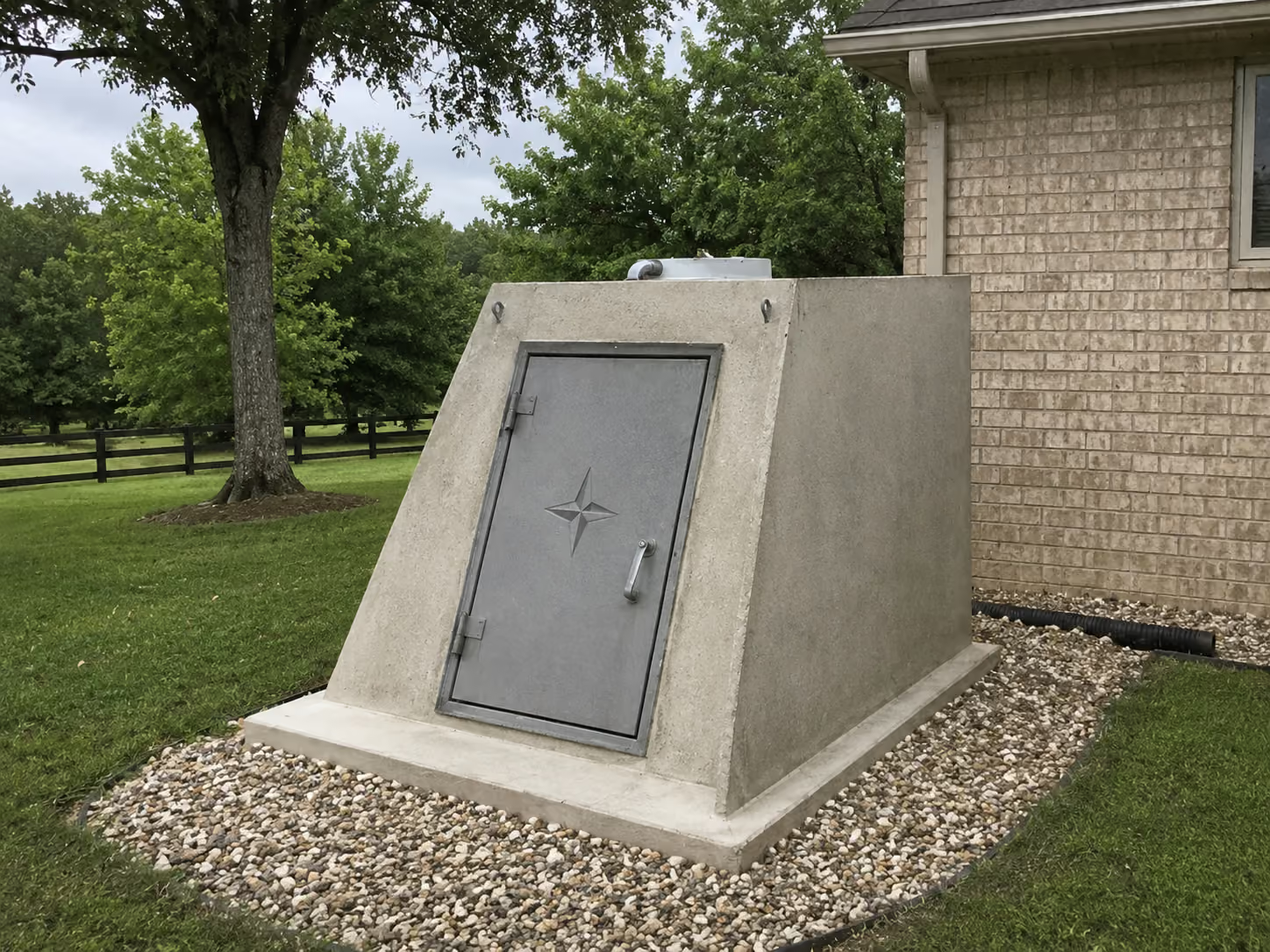
One of the most common questions Tennessee homeowners ask before buying a storm shelter is simple:
“How is this thing actually secured?”
That question matters.
A storm shelter is not just a box placed on a property. It has to work as a full system: the shelter structure, the foundation, the anchor system, the installation surface, and the site conditions all matter.
In Tennessee, where severe weather can bring extreme wind, flying debris, heavy rain, and fast-moving tornado warnings, storm shelter anchoring is a serious part of the decision.
Many homeowners assume every shelter is just bolted to concrete. In reality, how storm shelters are anchored depends on:
- the shelter type
- the installation location
- the foundation or slab
- the manufacturer’s engineering requirements
- the shelter’s weight and design
- site conditions on the property
Understanding tornado shelter anchoring helps homeowners ask better questions before installation and choose a shelter setup that fits their home, property, and severe weather needs.
How Are Storm Shelters Anchored?
Storm shelters are anchored using engineered attachment systems designed to secure the shelter to a concrete foundation, slab, footing, or approved installation surface.
For many Tennessee homeowners, concrete storm shelters are a strong option because their weight, structure, and installation design work together as part of the overall protection system.
Storm shelter anchoring may involve:
- anchor bolts
- engineered fasteners
- reinforced concrete
- slab or footing requirements
- manufacturer-specified attachment points
- installation methods based on shelter design
The right anchor system for a storm shelter depends on the shelter model and the property. A garage-installed shelter, outdoor concrete shelter, and underground shelter may all use different installation approaches.
The important point is this: anchoring should never be treated as a casual add-on. It is part of the shelter’s safety and performance.
Why Proper Storm Shelter Anchoring Matters
During a tornado or severe wind event, a shelter can face extreme forces.
A properly planned anchoring system helps resist:
- uplift pressure
- lateral movement
- wind-driven force
- debris impact stress
- shifting or movement during severe weather
Tennessee properties can vary widely, from suburban homes to rural acreage and sloped lots. That means the right installation approach may change depending on the property.
Homeowners researching Tennessee storm shelters should pay attention to both the shelter type and how that shelter will be installed.
A strong shelter installed incorrectly is not the goal.
The goal is a shelter, foundation, and anchor system that work together.
Common Storm Shelter Anchoring Considerations

Concrete Foundation and Slab Conditions
The foundation or slab matters because the anchor system depends on what it is attached to.
For above-ground and garage-installed shelters, the concrete surface may need to meet certain thickness, condition, and reinforcement requirements.
Homeowners should think about:
- slab thickness
- concrete condition
- cracks or weak areas
- reinforcement requirements
- whether a new pad is needed
- whether the installation area is level
If the concrete is not suitable, the shelter may require additional preparation before installation.
This is one reason concrete storm shelter installation should be evaluated as a system, not just a product drop-off.

Anchor Systems for Above-Ground Shelters
Above-ground shelters often rely on engineered anchoring systems that connect the shelter to a prepared concrete surface or foundation.
A typical anchor system storm shelter setup may include manufacturer-specified hardware, attachment points, and slab requirements.
The goal is to keep the shelter secure during extreme wind conditions.
For Tennessee homeowners, this matters especially when the shelter is installed:
- in a garage
- beside the home
- on an outdoor pad
- near a driveway or slab area
The shelter needs to be placed where it is both accessible and properly supported.

Concrete Storm Shelter Anchoring
Concrete storm shelters may rely on a combination of shelter weight, foundation design, installation method, and engineered placement.
For many Tennessee properties, concrete shelters are attractive because they are durable and well suited for outdoor placement when installed correctly.
Homeowners comparing concrete storm shelters should consider:
- where the shelter will sit
- how water drains around the area
- how close the shelter is to the home
- whether the site is level
- how the installation equipment will access the location
A heavy shelter still needs the right site conditions. Weight alone does not replace proper installation planning.
Outdoor Installation and Property Conditions
Outdoor storm shelter anchoring depends heavily on the property.
A shelter placed on a poor site may create long-term problems even if the shelter itself is strong.
Important property conditions include:
- drainage
- slope
- soil stability
- driveway access
- water runoff
- distance from the home
- access during nighttime storms
A shelter should be installed where it can be reached quickly and remain practical during severe weather.
That is especially important for Tennessee families dealing with nighttime tornado warnings, heavy rain, or fast-moving storms.
What Tennessee Homeowners Often Miss About Anchoring
Many homeowners focus only on the shelter’s wind rating or material.
Those things matter, but they are not the whole picture.
The real-world performance of a storm shelter also depends on:
- where it is installed
- what it is anchored to
- whether the foundation is suitable
- whether drainage has been considered
- whether the shelter remains accessible during severe weather
A homeowner may choose a strong shelter but overlook the location or installation surface.
That can create avoidable problems.
For example, a shelter may be structurally impressive but placed too far from the house. Or it may be placed in an area where water collects during heavy rain. Or the existing concrete may not be appropriate for the chosen shelter.
That is why anchoring and placement should be part of the buying decision from the beginning.
Choosing the Right Anchored Shelter Setup
Steadfast Storm Shelters helps Tennessee homeowners compare shelter options based on real installation conditions, property layout, and severe weather needs.
For many homeowners, concrete storm shelters are a strong option because they are built for durable protection and can work well for outdoor placement when site conditions are right.
Homeowners can also compare all storm shelter options when deciding which shelter type best fits their home, installation location, and severe weather plan.
For homeowners near Middle Tennessee, installation conditions can vary by property. Families comparing storm shelters in Murfreesboro may need to consider garage access, slab conditions, outdoor placement, drainage, and fast shelter access during nighttime storms.
What to Ask Before Installation
Before choosing a storm shelter, Tennessee homeowners should ask:
- What type of foundation does this shelter require?
- Will the shelter be installed indoors or outdoors?
- Does the existing concrete meet installation requirements?
- Does the site drain properly?
- Is the shelter close enough for fast access?
- What anchor system is used for this shelter type?
- Does the installation method match the manufacturer’s requirements?
These questions help homeowners avoid choosing a shelter that looks right online but does not fit the property well in real life.
Get a Quote for a Properly Installed Storm Shelter
Compare storm shelter options based on your Tennessee property, installation location, anchoring needs, and severe weather protection goals.