
Do Storm Shelters Need Ventilation in Mississippi?
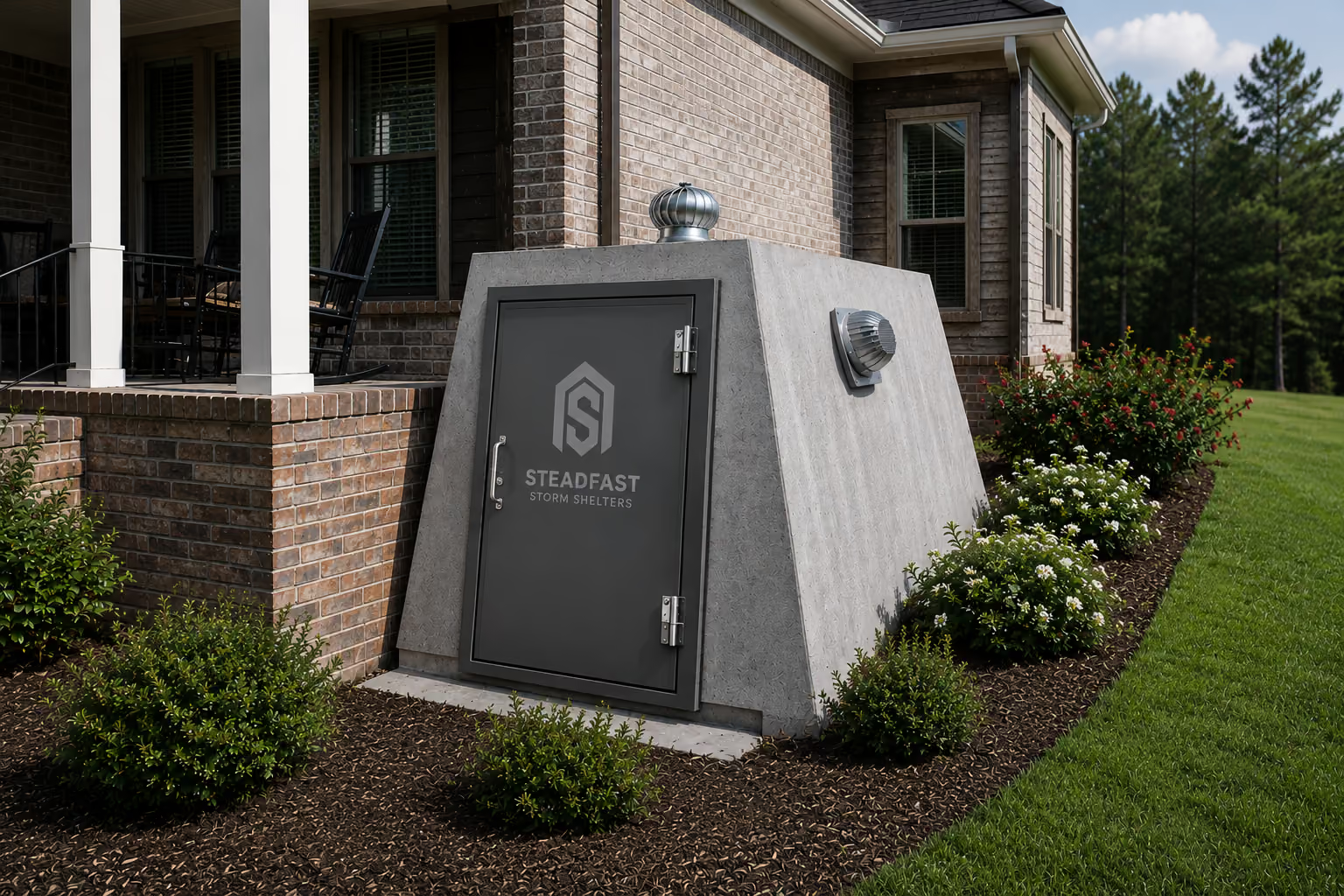
Yes.
Properly designed storm shelters need ventilation to provide fresh airflow while still maintaining the structural protection required during severe weather.
One of the most common questions homeowners ask is whether a storm shelter could "run out of air" if the door remains closed during a tornado.
For properly engineered shelters, the answer is no.
Modern shelters are designed with ventilation systems that allow air to circulate while helping prevent wind-driven debris from entering the shelter. The exact design varies depending on the shelter type and manufacturer, but ventilation is a standard part of properly engineered residential storm shelters.
For Mississippi homeowners, this question is especially understandable.
Summer tornado warnings often occur alongside high temperatures, heavy humidity, and severe thunderstorms. Families naturally wonder whether spending time inside a closed shelter will become uncomfortable or unsafe.
Understanding how storm shelter ventilation works can remove much of that uncertainty and help homeowners focus on choosing the right shelter for their property.
Why Mississippi Homeowners Worry About Airflow
Many people imagine a tornado shelter as a completely sealed concrete or steel box.
That picture creates understandable concerns.
Questions like these are common:
- Will there be enough oxygen?
- Will it become too hot?
- Can fresh air get inside?
- What happens if we're inside for an extended period?
- Could debris block the vents?
These concerns are completely reasonable because most families have never actually used a storm shelter during a tornado warning.
For homeowners researching Mississippi storm shelters, understanding ventilation is often one of the final questions before feeling comfortable moving forward with a purchase.
Do Different Storm Shelter Types Handle Ventilation Differently?
Every properly engineered storm shelter is designed with occupant safety in mind, but ventilation systems can vary depending on the shelter's design and construction.
The goal is always the same:
- provide fresh airflow
- protect occupants
- maintain structural integrity during severe weather
The exact ventilation system depends on the manufacturer and shelter model rather than simply whether the shelter is above ground or below ground.
That is why homeowners should ask questions about the specific shelter they are considering instead of assuming all shelters work the same way.
Concrete Storm Shelters
Many Mississippi homeowners researching concrete storm shelters ask whether thick concrete walls reduce airflow.
The answer is no—provided the shelter has been properly engineered.
Concrete shelters are designed with ventilation systems that allow fresh air movement while maintaining the shelter's protective capabilities.
Rather than focusing only on wall thickness, homeowners should evaluate the shelter as a complete engineered system that includes:
- structural design
- door system
- anchoring
- ventilation
- occupancy capacity
All of these components work together to provide protection during severe weather.
Above-Ground and Underground Shelters
One common misconception is that above-ground shelters naturally have better airflow than underground shelters.
In reality, both types are engineered with ventilation systems appropriate for their design.
The better question is not:
"Which shelter has more air?"
Instead ask:
"Has this shelter been properly engineered for occupant safety and normal emergency use?"
That question leads to a much more informed buying decision.
Questions to Ask Before Buying a Storm Shelter
Instead of asking only whether a shelter has vents, Mississippi homeowners should ask broader questions such as:
- How does the shelter provide airflow?
- Where are the ventilation openings located?
- How is debris protection incorporated into the design?
- How many people is the shelter designed to accommodate?
- Is the shelter appropriate for my property and family?
These questions help shift the conversation from fear to understanding.
Imagine your family enters the shelter during a nighttime tornado warning.
Heavy rain is falling, the wind is increasing, and everyone is understandably anxious.
Knowing that the shelter was designed with ventilation already in mind allows you to focus on protecting your family—not wondering whether enough fresh air is available.
A well-designed shelter should provide confidence before the storm ever arrives.
How Modern Storm Shelters Provide Airflow
Properly engineered residential shelters are designed to allow airflow without simply leaving open holes in the structure.
Instead, ventilation systems are engineered to balance two important goals:
- providing fresh air
- maintaining occupant protection
While designs differ between manufacturers, ventilation systems generally include protected openings that allow air movement while minimizing the risk of wind-driven debris entering the shelter.
That means homeowners don't need to choose between breathing comfortably and staying protected.
Both objectives are part of the shelter's overall design.
Will a Shelter Run Out of Oxygen?
For properly designed residential shelters, homeowners should not expect to "run out of oxygen" during a typical tornado event.
Most tornado warnings last a relatively short period, and shelters are designed with ventilation systems intended to provide continued airflow for occupants during normal emergency use.
This is one reason purchasing a professionally engineered shelter is so important.
Ventilation should never be an afterthought.
It should be part of the shelter's original design.

Can Debris Block Air Vents?
This is another common concern.
During severe weather, debris can accumulate around almost any outdoor structure.
Modern shelter ventilation systems are designed with severe weather conditions in mind, but homeowners should still ask their installer how the specific shelter manages airflow and how the vents are incorporated into the overall design.
Every shelter model is different.
Rather than assuming all shelters use the same ventilation approach, homeowners should understand how the model they are considering has been engineered.

Does Mississippi's Climate Matter?
Absolutely.
Mississippi experiences:
- high humidity
- hot summers
- severe thunderstorms
- heavy rainfall
- frequent tornado-producing weather systems
Those conditions make proper shelter design even more important.
While no residential shelter is intended to function like an air-conditioned room, properly designed ventilation helps improve occupant comfort during the time families may need to remain inside during a tornado warning.
For many homeowners, simply understanding that ventilation has already been considered during the engineering process provides significant peace of mind.
Misunderstandings About Storm Shelter Ventilation
Several myths continue to create unnecessary concern for homeowners.
Myth: Storm Shelters Are Completely Sealed
Properly engineered residential shelters include ventilation systems.
They are not designed as airtight boxes.
Myth: You'll Run Out of Oxygen
This is one of the most common fears.
Properly designed shelters provide airflow for normal residential emergency use.
Families should not expect oxygen to become depleted during a typical tornado warning.
Myth: More Vents Always Mean Better Protection
Not necessarily.
Ventilation is part of the shelter's engineering.
The number, location, and design of vents matter more than simply having more openings.
Proper engineering balances airflow with occupant protection.
Myth: Mississippi Heat Makes Shelters Unsafe
Mississippi's hot, humid climate naturally raises questions about comfort.
While shelters are not climate-controlled rooms, properly engineered ventilation helps provide airflow during the period families may remain inside while severe weather passes.
For most tornado events, occupants remain inside for a relatively short amount of time until emergency conditions improve.
Choosing the Right Shelter for Your Mississippi Home
Ventilation should never be viewed as a separate feature.
It should be part of evaluating the overall shelter.
When comparing storm shelter options, homeowners should consider:
- ventilation design
- accessibility
- installation location
- occupancy capacity
- engineering
- family needs
- property layout
No reputable installer should recommend the exact same shelter for every property.
A family living in suburban Jackson may have different installation priorities than someone on several rural acres in North Mississippi.
Every recommendation should consider how the shelter will actually be used during a real tornado warning.
Homeowners researching storm shelters in Jackson often prioritize garage access and convenience, while larger rural properties may have additional placement flexibility.
The best shelter is the one that combines strong protection with practical everyday accessibility.
Questions to Ask Before Choosing a Shelter
Before purchasing a storm shelter, Mississippi homeowners should ask:
- How does this shelter provide ventilation?
- Has the ventilation system been engineered as part of the shelter?
- Is the shelter sized appropriately for my family?
- Where will the shelter be installed?
- Can everyone reach it quickly during a tornado warning?
- Is this shelter a good fit for my property's layout?
Asking these questions helps homeowners compare shelters based on real-world performance rather than marketing claims alone.
Get Help Choosing the Right Storm Shelter
If you still have questions about ventilation, accessibility, or which shelter best fits your property, we're here to help.
Compare shelter options based on your home's layout, your family's needs, and your installation goals—not a one-size-fits-all recommendation.