
Underground Storm Shelters: Pros, Cons, and Installation Considerations
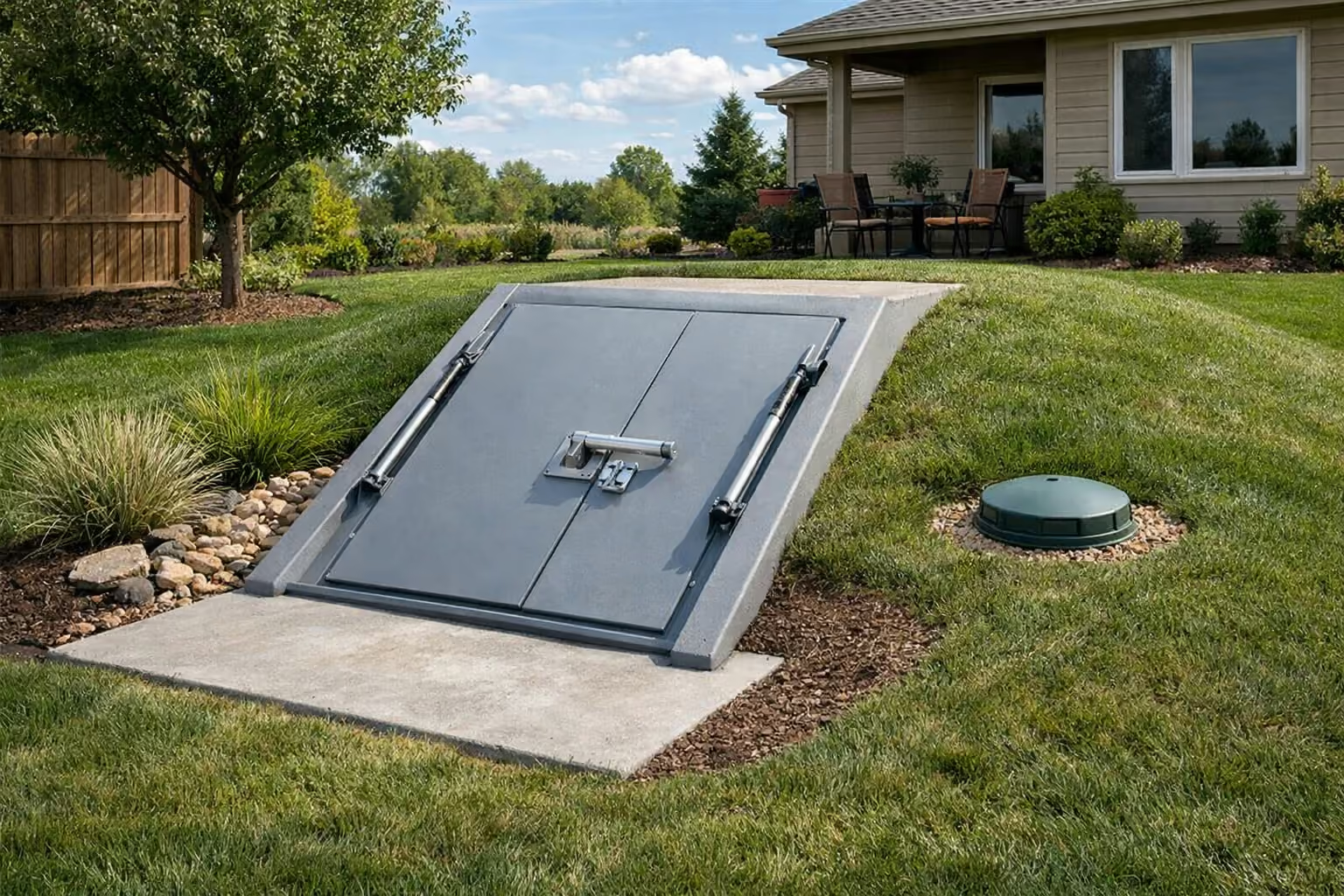
Why Underground Storm Shelters Remain One of the Safest Tornado Protection Options
When severe weather strikes, the question is not whether storms will come, but whether you will be ready when they do. For homeowners across tornado-prone regions of the United States, extreme weather is a recurring risk rather than a rare event. This reality has led many families to invest in an underground storm shelter as a permanent, reliable form of protection instead of relying on interior rooms or temporary solutions.
An underground storm shelter offers unmatched protection against high winds and flying debris, but it is not a decision to make without careful planning. Excavation requirements, drainage design, accessibility, and cost all play a role in determining whether this type of shelter is the right fit. At the same time, the strength, durability, and proven performance of underground storm shelters make them one of the most trusted tornado protection options available today.
This guide walks through the advantages, limitations, and installation considerations of underground storm shelters so you can make an informed decision. By the end, you will understand how they work, what they cost, and what to expect before installation begins.
What Is an Underground Storm Shelter?
An underground storm shelter is a reinforced structure installed below ground level, specifically engineered to protect occupants during tornadoes and severe wind events. By being below grade, these shelters benefit from the surrounding earth, which absorbs wind pressure and shields against debris impact.
Most high-quality shelters are built to meet or exceed FEMA and ICC-500 standards. These certifications ensure the shelter can withstand extreme wind speeds and debris strikes associated with powerful tornadoes. When evaluating underground tornado shelters, certification is one of the most important safety indicators.
Common installation locations include garages, basements, and outdoor areas near the home. Entry designs range from flush floor hatches to stair-access models. Many homeowners prefer below ground storm shelters because they provide discreet protection without changing the home’s exterior appearance.
Key characteristics include:
- Exceptional wind and debris protection
- Stable interior temperatures year-round
- Long service life with minimal maintenance
Pros and Cons of Underground Storm Shelters
Like any major home safety investment, storm shelters underground come with both benefits and trade-offs. Understanding both sides helps set realistic expectations.
Advantages of Underground Storm Shelters
The primary advantage is protection. Being below ground dramatically reduces exposure to tornado forces. The surrounding soil acts as a natural barrier, making in ground storm shelters highly effective during extreme weather.
Another major benefit is temperature stability. Underground shelters stay cooler in summer and warmer in winter compared to above-ground options. This makes sheltering more comfortable during extended storms.
Underground shelters are also space-efficient. Because they do not take up interior living space, they are ideal for homeowners who want protection without sacrificing square footage.
Limitations to Consider
Accessibility can be a concern. Many underground storm cellars require stairs or ladder-style entry, which may be challenging for individuals with mobility limitations. Planning for accessibility early is essential.
Water management is another key consideration. Without proper drainage and site preparation, water intrusion is possible. This is why professional evaluation and installation are critical for long-term reliability.
Installation complexity is also higher than above-ground options. Excavation, soil conditions, and concrete work increase both cost and planning requirements.
Installation Considerations for Underground Storm Shelters
Proper installation is what determines whether an underground storm shelter performs as intended when it matters most.
Soil and Site Evaluation
Soil stability is one of the most important factors in underground storm shelter installation. Clay-heavy or sandy soils may require additional reinforcement. A professional evaluation ensures the shelter is anchored correctly and remains stable over time.
Drainage Planning
Drainage is critical. Professionally installed shelters include systems designed to prevent water accumulation, such as gravel beds or sump solutions. Skipping this step is one of the most common and costly mistakes homeowners make.
Location and Access
Many homeowners install shelters in garages for quick access. Outdoor installations are also common, especially on larger properties. In all cases, clear and safe access during storms is essential.
Certification and Ventilation
Always choose shelters that meet FEMA and ICC-500 standards. Proper ventilation systems are also required to maintain safe oxygen levels during extended use.
Working with an experienced provider ensures every detail, from excavation to final inspection, is handled correctly.
How Much Do Underground Storm Shelters Cost?
One of the most common questions homeowners ask is how much do underground storm shelters cost. Prices vary based on size, materials, location, and installation complexity.
Typical underground storm shelters prices range from several thousand dollars to over ten thousand dollars. Factors that influence cost include:
- Shelter size and capacity
- Steel vs concrete construction
- Site preparation and soil conditions
- Installation location (garage vs outdoor)
While the upfront cost is higher than some alternatives, many homeowners view underground shelters as a one-time investment in long-term safety.
Prefabricated vs Custom Underground Storm Shelters
Many homeowners choose prefabricated underground storm shelters because they are engineered, tested, and installed quickly. These shelters offer predictable performance and faster installation timelines.
Custom-built shelters may be appropriate for unique properties, but they often require more time and coordination. For most residential applications, prefabricated models provide the best balance of safety, cost, and efficiency.
Real-World Use Cases
In tornado-prone states like Oklahoma and Texas, families rely on underground storm shelters as their primary emergency refuge. Many report staying safely sheltered during multiple storm waves with confidence.
Suburban homeowners often install shelters in garages to balance accessibility and discretion. Rural property owners may opt for outdoor installations near workshops or barns.
Across use cases, the common theme is peace of mind. When installed correctly, underground shelters provide dependable, life-saving protection.
Best Practices and Common Mistakes to Avoid
To get the most from an underground storm shelter, follow these best practices:
- Choose FEMA and ICC-500 certified designs
- Plan accessibility during the design phase
- Never overlook drainage requirements
- Work only with experienced installers
Avoiding shortcuts during installation prevents long-term issues and ensures your shelter performs as intended.
Choosing the Right Storm Shelter Provider
Selecting the right provider is just as important as choosing the shelter itself. Companies like Steadfast Storm Shelters specialize in engineered solutions designed for real-world conditions.
Homeowners can explore different options, including residential underground storm shelters, as well as alternatives such as above-ground shelters, steel safe rooms, and concrete safe rooms.
For those new to storm protection, learning what a safe room is can help clarify how underground shelters compare to other options. You can also start by visiting the main Steadfast Storm Shelters website to review available models and installation guidance.
Final Thoughts on Underground Storm Shelters
An underground storm shelter remains one of the safest and most reliable ways to protect your family from tornadoes and extreme weather. With superior structural performance, natural insulation, and proven durability, it is a solution trusted by homeowners in the most storm-prone regions of the country.
Success depends on proper planning, certified engineering, and professional installation. By understanding the pros, cons, costs, and installation requirements, you can make a confident decision that prioritizes safety without unexpected trade-offs.
Frequently Asked Questions About Underground Storm Shelters
Are underground storm shelters safer than above-ground shelters?
Yes. The surrounding soil provides additional protection from wind and debris, making underground shelters extremely effective during tornadoes.
How long does underground storm shelter installation take?
Most installations are completed in one to two days, depending on soil conditions and site preparation.
Can underground storm shelters flood?
Properly installed shelters include drainage systems that minimize flood risk. Professional installation is essential.
Do underground storm shelters require maintenance?
Maintenance is minimal, usually limited to periodic inspection of doors, ventilation, and drainage.
Is an underground storm shelter worth the investment?
For homeowners in tornado-prone areas, the long-term safety and peace of mind make it a valuable investment.