
What a Tornado Warning Really Means and How to Respond Immediately
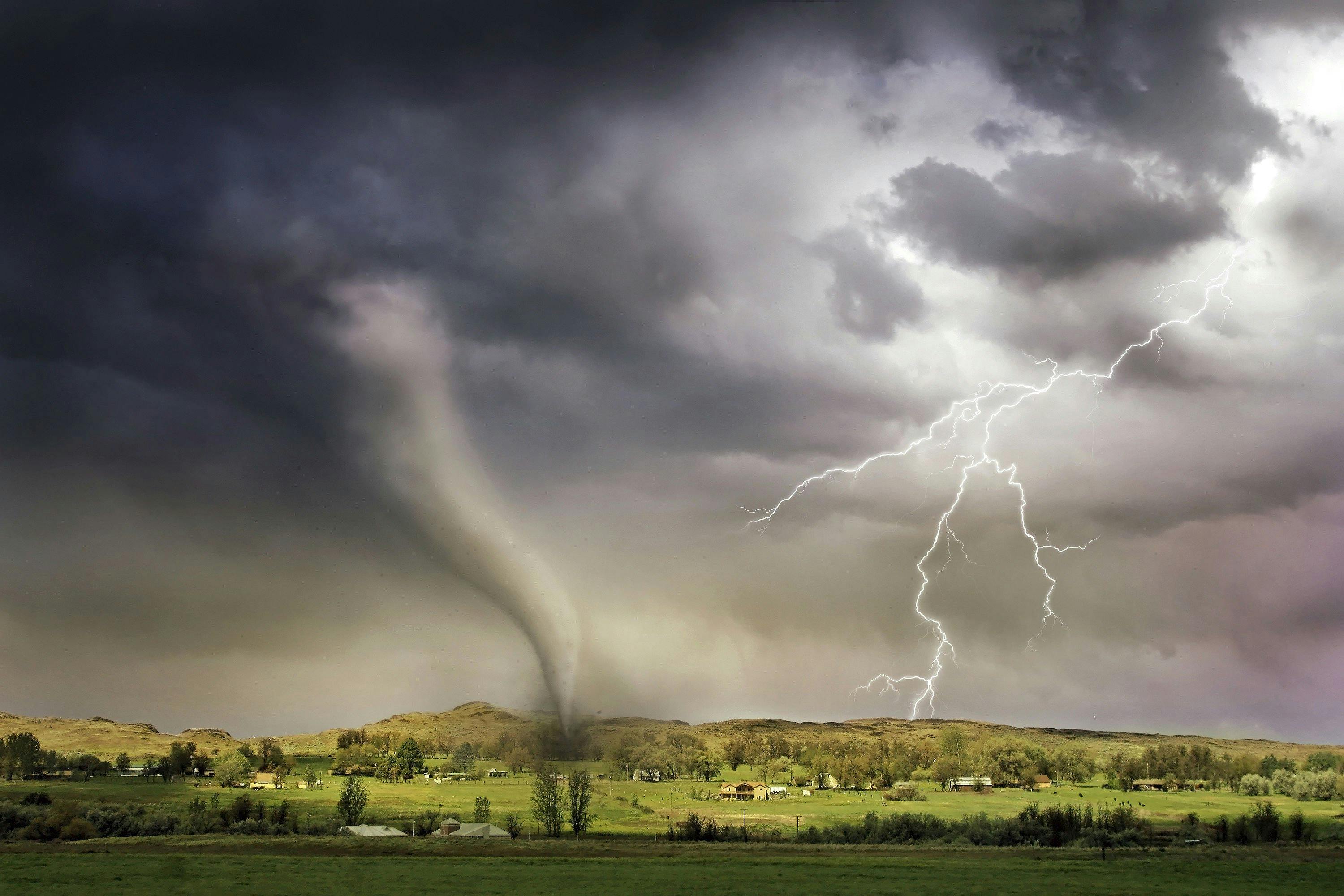
Understanding the Real Meaning of a Tornado Warning
Tornado alerts can be unsettling, especially when your phone suddenly sounds the emergency tone. Many people hesitate because they do not fully understand the meaning of a tornado warning or how quickly they need to act. That uncertainty can add unnecessary danger during severe weather moments. This section explains what a tornado warning truly signals and why recognizing its importance keeps you and your loved ones safer.
Across the United States, thousands of tornado warnings are issued each year, yet confusion still surrounds the difference between tornado watch and warning. Some assume they are nearly the same, while others are unsure how long they have or where they should go. Understanding these distinctions helps you respond confidently and avoid hesitation during a high risk situation.
This guide breaks down the meaning of a tornado warning in clear and practical terms. You will learn why warnings are issued, how to respond immediately, and which actions matter most when every second counts. Storms are unpredictable, but your response does not have to be. For added safety, you can explore reinforced storm shelter solutions at Steadfast Storm Shelters:
What a Tornado Warning Actually Means for Your Safety
Understanding what a tornado warning signifies is essential for making fast and informed decisions. Tornado warnings are issued only when a tornado has been spotted, confirmed, or indicated by radar. This means the danger is not hypothetical but active and immediate. The meaning of a tornado warning is simple: take shelter right now, not later.
Many people confuse the meaning of a tornado warning with the meaning of a tornado watch. A watch means tornadoes are possible, while a warning means a tornado is happening or imminent. When asking is a tornado watch or warning worse, the tornado warning is always more urgent. Clearing up these differences helps remove confusion and gives you the confidence to act quickly when severe weather strikes.
Key Takeaways About Tornado Warnings
A tornado warning signals that conditions have escalated into an active threat. It tells you that a tornado has formed or is showing strong rotational signatures on radar. Emergency teams, schools, and workplaces activate rapid safety protocols during these warnings because lives depend on immediate action. Understanding these details helps you respond faster and avoid dangerous hesitation when a tornado warning appears.
How to Respond Immediately When a Tornado Warning Appears
When a tornado warning is issued, you must act without delay. Tornadoes can develop or touch down with little notice, so your reaction time matters. This section explains how to respond quickly and effectively, using steps designed to reduce risk and protect your household. Moving with purpose is essential because quickly meaning decisively can make a life saving difference.
Take Immediate Shelter Without Delay
Your first priority during a tornado warning is getting to a safe location as quickly as possible. Tornadoes can form rapidly, so the window for action is often very small. Basements, storm shelters, and interior rooms on the lowest floor offer the best protection from violent winds and debris. If you are in a public space, follow posted tornado procedures and remain calm while directing others to safety.
Pro Tip: Keep a go bag with water, shoes, flashlights, and essential supplies near your shelter area.
Protect Yourself from Debris and Structural Damage
Once inside your shelter, protect your body from falling or flying debris. Tornadoes generate extreme pressure shifts and wind speeds that can tear apart roofs, walls, and windows. Using items like mattresses, helmets, blankets, or cushions adds an extra layer of protection against impact. It is important to stay low to the ground, shield your head, and remain aware of your surroundings as the storm passes.
Pro Tip: Motorcycle or sports helmets provide exceptional protection during tornado events.
Monitor Weather Updates for Real Time Information
After you have secured shelter, stay informed by listening to NOAA weather radio, mobile alerts, or local news stations. Tornado paths can shift, strengthen, or dissipate quickly, and updated guidance helps you stay aware of new risks. Avoid relying on sound alone, since many tornadoes are muffled by rain or darkness. Consistent updates ensure you know when it is safe to come out.
Pro Tip: Enable Wireless Emergency Alerts on your phone before storm season begins.
Assist Family Members and Pets Securely and Safely
Once you are protected, help children, elderly individuals, or pets reach safety. Panic can cause confusion during a tornado warning, so calm direction is essential. Guide everyone into your shelter space and keep pets secured so they do not run or hide. Clear communication helps reduce fear and keeps the process organized.
Pro Tip: Practice tornado drills so everyone in your home knows exactly what to do.
Remain Sheltered Until the Official All Clear Is Issued
Do not leave your shelter until emergency authorities confirm that the threat has passed. Tornado warnings may be extended or replaced if additional rotation forms nearby. Many injuries occur when people exit too soon or assume the danger is over. Staying sheltered until the official all clear protects you from secondary storms and unstable structures.
Pro Tip: Keep a portable charger in your shelter to ensure continuous access to alerts.
How Tornado Warnings Apply to Real Life Situations
Tornado warnings affect people differently depending on their location and circumstances. Understanding these real world situations helps you prepare more effectively. Whether you are at home, at work, in school, or traveling, the meaning of a tornado warning remains the same: act immediately and prioritize safety. By anticipating these scenarios, you reduce confusion during an actual event and respond more confidently.
For example, a family at home may have only minutes to gather pets, grab supplies, and shelter in a safe room. If they have practiced beforehand, they can move smoothly and effectively. In schools or workplaces, staff must guide people to designated interior rooms and keep everyone away from windows or large open areas. Drills can shorten response time significantly.
Travelers and drivers face unique challenges because vehicles offer very little protection. Pulling over, avoiding overpasses, and seeking a sturdy building is the safest approach. Understanding what not to do is just as important as knowing the correct steps. These scenarios highlight how tornado warnings require quick thinking and coordination across different environments.
Best Practices and Mistakes to Avoid During a Tornado Warning
Responding effectively to a tornado warning is not just about what you should do, but also what you should avoid. Learning these best practices improves your preparedness and helps you act with confidence. Tornadoes are unpredictable, but taking proactive steps before storm season begins makes a significant difference in your safety.
One key practice is preparing a designated safe space ahead of time. Setting up a storm shelter or identifying an interior room ensures you are not scrambling during the warning. You should also keep emergency alerts enabled on all devices since missed notifications reduce your available reaction time. Avoid trying to outrun a tornado in a vehicle because paths can shift quickly and cars provide almost no protection.
It is also important to disregard outdated myths about opening windows during storms. Tornadoes do not equalize pressure by breaking windows, and standing near them increases the risk of injury from glass. These best practices help you respond with clarity during severe weather events.
Conclusion: Why Immediate Action Saves Lives During a Tornado Warning
A tornado warning is not just another weather alert, it is a direct call to immediate action. Understanding the meaning of a tornado warning allows you to react without hesitation and dramatically increases safety. Every second counts when a confirmed or radar indicated tornado threatens your area. Acting quickly and confidently is the key to reducing risk.
By learning the purpose behind tornado warnings, understanding the difference between tornado watch and warning, and practicing your safety plan, you transform uncertainty into preparedness. Tornadoes are unpredictable, but your response does not have to be. Taking a few minutes today to identify your safe space and set up alerts can make all the difference during the next severe weather event.
Preparing in advance helps protect you, your family, and the people you care about most. When the next tornado warning appears, you will be ready to act quickly and confidently.
FAQs About the Meaning of a Tornado Warning
What is the exact meaning of a tornado warning?
A tornado warning means a tornado has been sighted, confirmed, or detected by radar near your area. It indicates immediate danger and requires taking shelter right away. Weather agencies use radar rotation, debris signatures, and visual confirmation to trigger a warning.
How is a tornado warning different from a tornado watch?
A tornado watch means conditions are favorable for tornadoes to form, while a tornado warning means a tornado is occurring or imminent. If you have wondered what does tornado watch mean or what do tornado watch mean, remember that a watch is a reminder to stay alert and prepared. A warning always requires immediate action.
How long does a tornado warning usually last?
Most tornado warnings last between 15 and 45 minutes depending on storm speed and rotation patterns. Warnings may be extended or replaced with new ones if additional storms form or the tornado continues moving into new areas.
Where is the safest place to go during a tornado warning?
The safest place is a basement, storm shelter, or an interior room on the lowest floor with no windows. Bathrooms, closets, and hallways can offer protection when they are centrally located and structurally reinforced. Avoid large open rooms that are vulnerable to collapse.
Can tornado warnings be inaccurate?
Tornado warnings are based on radar signatures and visual reports. Although some warnings may not result in a full tornado touching down, it is never safe to ignore them. False alarms are rare when compared to the serious risks associated with tornadoes, so it is always best to take shelter immediately.